
Is your GE microwave suddenly not working, leaving you frustrated and unsure what to do next? You rely on your microwave every day for quick meals and reheating, so when it stops heating or won’t turn on at all, it disrupts your routine.
But don’t worry—you’re not alone, and this problem often has simple fixes that you can try yourself before calling a technician. You’ll discover common reasons why your GE microwave might not be working and easy steps you can take to get it back up and running fast.
Keep reading to save time, money, and stress—your next meal is just a few fixes away!
Common Microwave Issues
Microwaves often face common issues that stop them from working properly. Knowing these problems helps in quick diagnosis and repair. Most GE microwave troubles fall into a few main categories. Understanding these can save time and money.
Power Problems
Power issues are common reasons for a microwave not working. The microwave might not turn on at all. This could be due to a blown fuse or tripped circuit breaker. Sometimes, the power cord is loose or damaged. Checking the outlet and power source is important. A faulty control board can also cause power failures.
Door And Safety Switch Failures
The microwave door has safety switches to stop operation when open. If these switches fail, the microwave won’t start. A broken or misaligned door latch can trigger this issue. The microwave checks if the door is closed properly. Problems with door switches are a frequent cause of no power or no heat.
Heating Malfunctions
Heating problems occur when the microwave runs but does not heat food. The magnetron, which produces microwave energy, may fail. Other parts like the high voltage diode or capacitor can also break. If the microwave turns on but food stays cold, heating malfunctions are likely. Proper diagnosis is needed to find the faulty part.
Basic Troubleshooting Steps
Basic troubleshooting helps identify simple issues causing your GE microwave to stop working. Follow these steps to find easy fixes before calling a technician. These actions save time and money.
Check Power Source And Connections
First, confirm the microwave is plugged into a working outlet. Try another appliance in the same outlet to test power. Inspect the power cord for any damage or loose connections. Reset the circuit breaker if needed. A proper power source is essential for operation.
Inspect Door Closure And Latch
The microwave will not run if the door is not fully closed. Check the door latch for any visible damage or misalignment. Clean the door edges and latch area to remove dirt or debris. Make sure the door clicks firmly when shut. This safety feature prevents the microwave from starting.
Reset The Microwave
Resetting clears minor electronic glitches. Unplug the microwave for at least one minute. Plug it back in and try to start it again. Some models have a reset button or a combination of buttons to press. Resetting can restore normal function without repair.
Component Failures To Watch
Microwaves stop working mostly due to component failures. These parts wear out or break over time. Identifying the faulty component helps fix the problem fast. Below are key parts to watch in your GE microwave.
Blown Fuse Replacement
The fuse protects your microwave from power surges. A blown fuse cuts off all power. It often happens after a sudden electrical spike. Replacing the fuse is simple and restores power quickly. Always unplug the microwave before replacing the fuse for safety.
Faulty Door Switches
Door switches ensure the microwave runs only when the door is closed. If a switch is faulty, the microwave won’t start. Sometimes the door feels like it’s closed but the switch fails to engage. Testing and replacing the door switch can solve this issue.
Magnetron Issues
The magnetron generates the microwave heat. If it fails, the microwave powers on but does not heat food. A faulty magnetron needs professional repair or replacement. Signs include strange noises or a burning smell during operation.
High Voltage Diode Problems
The high voltage diode works with the magnetron to produce heat. A broken diode stops the microwave from heating properly. Testing the diode requires a multimeter and some skill. Replacing it restores microwave heating function.

Credit: www.wikihow.com
Ventilation And Placement Tips
Proper ventilation and placement play a key role in keeping your GE microwave working well. Poor airflow or blocked vents can cause the microwave to stop working or shut down unexpectedly. Ensuring enough space around the microwave helps prevent overheating and damage. Follow these simple tips to improve ventilation and extend your microwave’s life.
Clear Blocked Vents
Check the vents on your microwave for any blockages. Dust, grease, or kitchen items can cover them. Blocked vents stop hot air from escaping. This causes the microwave to overheat and shut off. Use a soft brush or cloth to clean the vents regularly. Make sure nothing sits in front of or on top of the vents.
Ensure Proper Airflow
Place your microwave in a spot with enough space around it. Leave at least two inches of clearance on all sides. Avoid tight corners or enclosed cabinets. Proper airflow cools the microwave’s internal parts. It also helps the fan work efficiently. Good airflow prevents overheating and keeps your microwave running smoothly.
When To Seek Professional Help
Knowing when to seek professional help for your GE microwave is vital. Some problems need expert care to ensure safety and proper repair. Trying to fix complex issues alone can cause more damage or injury. This section guides you on recognizing signs that require a technician’s intervention.
High-voltage Component Risks
Microwaves have high-voltage parts that store dangerous electricity. These components can cause serious shocks even when unplugged. Handling parts like the capacitor or magnetron without training is unsafe. Professionals have the right tools and knowledge to manage these risks safely. Avoid opening or repairing high-voltage sections by yourself.
Complex Repairs Beyond Diy
Some microwave problems are too complicated for DIY fixes. Issues with the control board, wiring, or internal sensors need specialized skills. Incorrect repairs can lead to further damage or fire hazards. A certified technician can diagnose and fix these problems correctly. Save time and avoid frustration by calling a professional for complex repairs.
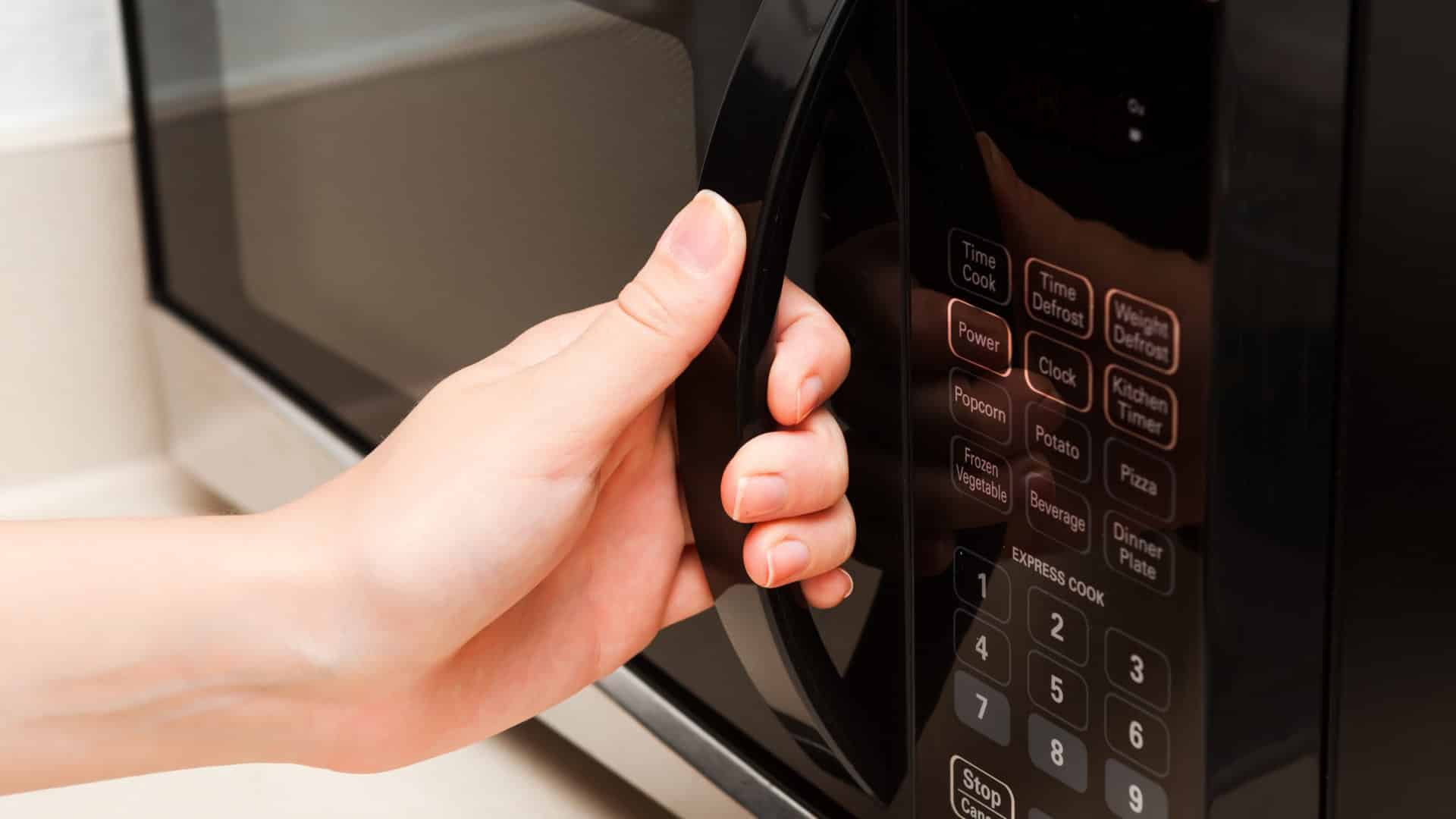
Credit: ars.repair
Preventive Maintenance Advice
Proper care keeps your GE microwave working longer and safer. Small habits help avoid common problems and costly repairs. Following simple steps prevents many breakdowns and keeps heating consistent. These maintenance tips save time and money.
Regular Cleaning
Clean the microwave inside and outside often. Wipe spills and crumbs after each use. Use a soft cloth and mild cleaner. Avoid harsh chemicals that damage surfaces. Keep vents free from dust and grease. Clean turntables and trays regularly. This prevents odors and ensures even cooking.
Avoiding Overuse
Do not run the microwave for too long at once. Let it rest between uses to cool down. Avoid heating empty containers or metal objects inside. Overuse causes overheating and damages parts. Use the microwave according to the manual’s guidelines. This extends the life of the magnetron and other components.
Routine Inspections
Check the door seals for cracks or damage often. Ensure the door closes tightly to keep heat inside. Inspect power cords for frays or loose connections. Listen for unusual noises during operation. Test the control panel for proper response. Early detection of issues helps prevent major failures. Call a technician if you find any problems.

Credit: www.youtube.com
Frequently Asked Questions
What Would Cause Ge Microwave To Stop Working?
A GE microwave may stop working due to a blown fuse, faulty door switches, or a failed magnetron. Check power source, door latch, and reset the circuit breaker. Blocked vents or control panel issues can also cause malfunctions.
How Do You Reset Your Ge Microwave?
To reset your GE microwave, unplug it for five minutes. Plug it back in and press the “Clear/Off” button to reset settings.
Why Did The Microwave Suddenly Stop Working?
A microwave may stop working due to a blown fuse, faulty door switches, or a failed magnetron. Check the power source, ensure the door is fully closed, and try resetting the circuit breaker or unplugging the unit for a few minutes.
What Are Common Problems With Ge Profile Microwaves?
Common problems with GE Profile microwaves include blown fuses, faulty door switches, magnetron failure, blocked vents, and power issues. Ensure vents are clear and the door is fully closed. Resetting the microwave or checking the circuit breaker often resolves minor problems.
Why Is My Ge Microwave Not Turning On?
Your GE microwave may not turn on due to a blown fuse or power issues.
Conclusion
A GE microwave not working can have several simple causes. Check the power source and ensure the door is closed properly. Resetting the microwave often solves minor issues. Blocked vents may cause it to shut off early. If basic steps fail, consider professional repair help.
Regular maintenance can keep your microwave working longer. Stay calm and follow these easy tips to fix the problem.