
Is your garage door refusing to close unless you keep pressing and holding the button? This common but frustrating problem often points to an issue with your garage door’s safety sensors or wiring.
When you have to hold the button down, it means the system’s safety features are stopping the door from closing automatically—a sign that something needs your attention. But don’t worry, you don’t have to call a technician right away. You’ll learn simple, step-by-step fixes you can try yourself to get your garage door working smoothly again.
From cleaning sensor lenses to checking wiring connections, we’ll guide you through exactly what to do so you can stop holding that button and start closing your garage door with ease. Keep reading—your solution is just a few minutes away!
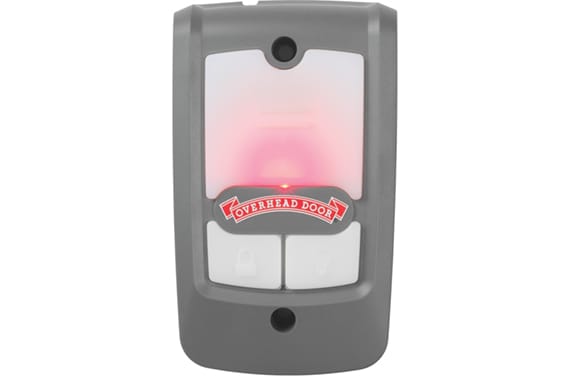
Credit: www.overheaddoorcompanyofhuntsville.com
Safety Sensor Issues
Safety sensors play a key role in garage door operation. They prevent the door from closing on objects or people. If the door only closes when you hold the button, sensor issues may be the cause. Sensors can get blocked, dirty, or misaligned. These problems stop the sensors from working properly. Fixing these issues can restore safe, automatic closing of your garage door.
Obstructions In Sensor Path
Check for anything blocking the sensor beam. Common obstructions include trash cans, brooms, or spiderwebs. Even small objects can interrupt the sensor signal. Clear away all items from the sensor path. This ensures the sensors detect a clear area to close the door safely.
Cleaning Sensor Lenses
Dirty sensor lenses cause false readings. Use a soft cloth to gently wipe each lens. Remove dust, dirt, or spider webs. Clean lenses allow the sensors to see clearly. Clean sensors improve the door’s ability to close without holding the button.
Sensor Alignment Tips
Sensors must face each other directly. Look for the small lights on each sensor. One light is usually green; the other is red or amber. Both lights should be steady, not blinking. Gently adjust the sensors if the lights flicker. Proper alignment ensures reliable sensor signals and smooth door closing.
Sunlight Interference
Bright sunlight can confuse the sensors. The sun may shine directly on one sensor lens. This causes the sensor to think there is an obstacle. Adjust sensor angle slightly to avoid direct sun rays. Shade or reposition sensors if sunlight remains a problem. This prevents sunlight from blocking the door’s automatic closing.
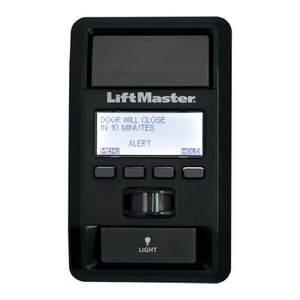
Credit: www.absolutedoorsct.com
Wiring And Connections
Wiring and connections play a crucial role in your garage door’s operation. Faulty wiring can cause the door to close only while holding the button. The safety sensors rely on stable electrical connections to function properly. Checking the wiring can help identify and fix the problem quickly.
Inspecting Sensor Wires
Start by examining the wires connected to the safety sensors. Look for any visible signs of wear, cuts, or breaks. Sensor wires often run along the garage door tracks, where they can get pinched or damaged. Carefully trace the wires from the sensors to the garage door opener. Bent or twisted wires may interrupt the signal and cause issues.
Securing Loose Connections
Loose wiring connections can disrupt the sensor signals. Check each wire terminal for firmness. Gently tighten any loose screws or wire nuts. Pay attention to the sensor connection points and the wiring at the garage door opener. Secure connections ensure consistent power flow and proper sensor communication. Even a small loose wire can cause the door to behave erratically.
Checking For Damage Or Corrosion
Corrosion or dirt on wiring contacts can block electricity. Inspect the metal connectors at sensor terminals and the opener unit. Clean any corrosion with a small brush or cloth. Replace wires that show extensive damage or rust. Moisture inside the wiring can cause corrosion, especially in humid climates. Maintaining clean and dry wiring helps prevent sensor failures.
Opener Settings
The settings on your garage door opener control how the door moves and reacts. Adjusting these settings can fix the issue where the door only closes while holding the button. These controls include travel limits, force settings, and the response of the wall button and remote. Properly tuning these parts helps your door close smoothly and safely without needing to hold the button.
Adjusting Travel Limits
Travel limits tell the opener how far the door should move. If these limits are set too short, the door might stop before fully closing. Locate the travel limit screws or dials on the opener unit. Turn them slowly to increase or decrease the door’s travel distance. Test the door after each adjustment to find the right stopping point.
Modifying Force Settings
Force settings control how much power the opener uses to open or close the door. If the force is too low, the door may stop closing early. Increase the force slightly using the force adjustment screws. Avoid setting the force too high to prevent damage or safety risks. Test the door to ensure it closes fully without needing to hold the button.
Testing Wall Button And Remote
The wall button and remote send signals to the opener to move the door. A faulty button or remote can cause the door to behave oddly. Test the wall button by pressing it firmly and checking if the door closes normally. Check the remote’s battery and signal strength. Replace batteries or reset the remote if needed. These tests help rule out control device problems.
Sensor Replacement
Replacing faulty garage door sensors can restore smooth door operation. Sensors are key safety devices that stop the door from closing on objects or people. When these sensors fail, the door might only close while holding the button. Sensor replacement is often the best solution to fix this issue.
Identifying Faulty Sensors
Start by checking the sensor lights. Each sensor usually has a green or red light. If one or both lights are off or blinking, the sensors may be faulty. Look for cracks, dirt, or damage on the sensor lenses. Also, inspect the wiring for cuts or loose connections. Faulty sensors often cause the garage door to behave oddly.
Choosing Compatible Replacements
Select new sensors that match your garage door opener model. Using incompatible sensors can cause more problems. Check the manufacturer’s manual or website for recommended parts. Buying sensors with similar features and voltage ensures proper function. Avoid cheap, generic sensors that may fail quickly.
Replacing Sensors Safely
Turn off power to the garage door opener before starting. Remove the old sensors carefully, noting how wires connect. Attach the new sensors in the same position. Secure wires tightly to prevent loose connections. Test the sensors by powering the opener back on. Ensure both sensor lights are solid, signaling good alignment and operation.

Credit: www.youtube.com
Frequently Asked Questions
Why Does My Garage Door Only Close When I Hold The Button?
Your garage door only closes when holding the button due to misaligned, obstructed, or faulty safety sensors. Holding the button overrides the sensor safety feature. Clean sensor lenses, remove obstructions, align sensors properly, and check wiring connections to fix the issue.
Replace damaged sensors if needed.
How Do You Reset Garage Door Sensors?
Clear any obstructions and clean sensor lenses gently. Align sensors so both indicator lights stay solid. Check wiring for damage or loose connections. Adjust opener settings if needed. Replace sensors if damaged or problems persist.
How Do I Realign My Garage Door Sensors?
Clear any obstructions and clean both sensor lenses gently. Align sensors so they face each other directly with solid indicator lights. Check wiring for damage and secure connections. Adjust sensors until lights stay steady. Replace sensors if cracked or faulty to ensure proper door closing.
How Can You Tell If A Garage Door Sensor Is Bad?
A bad garage door sensor usually shows blinking or no lights, misalignment, dirt on lenses, or damaged wiring. The door won’t close unless you hold the button. Clean, align, and check wires to confirm sensor issues. Replace sensors if problems persist.
Why Does My Garage Door Only Close When Holding The Button?
The safety sensors may be misaligned, blocked, or have wiring problems causing this issue.
Conclusion
Fixing your garage door sensors often solves the closing issue. Clear any blockages and clean the lenses regularly. Align sensors so their lights stay solid and steady. Check wiring carefully for damage or loose connections. Adjust opener settings if problems continue after sensor checks.
Simple steps can restore your garage door’s normal function. Regular maintenance helps avoid holding the button to close. Stay safe by addressing sensor issues promptly and correctly.