
If you rely on a vacuum pump for your work or hobby, you know how crucial the right oil is to keep it running smoothly. But what if the specific vacuum pump oil you need isn’t available, or you’re looking for a more affordable or eco-friendly option?
That’s where vacuum pump oil substitutes come in. Finding the right substitute isn’t just about swapping one oil for another—it’s about protecting your equipment, maintaining performance, and avoiding costly repairs. You’ll discover which alternatives work best, how to choose them wisely, and what to watch out for to keep your vacuum pump in top shape.
Keep reading to ensure you never compromise on quality or safety when selecting your vacuum pump oil substitute.
Vacuum Pump Oil Basics
Understanding vacuum pump oil is key for maintaining your equipment. Oil keeps the pump running smoothly and prevents damage. Choosing the right oil improves performance and extends pump life.
Vacuum pump oils come in different types for various uses. Knowing their roles and common types helps you pick the best option.
Role Of Oil In Vacuum Pumps
Oil acts as a lubricant inside the pump. It reduces friction between moving parts. This lowers wear and tear and stops the pump from overheating.
Oil also seals gaps to keep the vacuum tight. It stops air leaks that reduce efficiency. The oil traps contaminants and carries them away from the pump parts.
Common Oil Types
Mineral oil is the most common choice. It is affordable and works well in general tasks. Hydrocracked mineral oils offer better heat resistance.
Synthetic oils handle tough conditions like high heat and pressure. PFPE oils resist chemicals and corrosive gases. PAO oils are stable and used in freeze-drying or distillation.
Ester oils tolerate high temperatures but avoid acids and moisture. Specialty oils include silicone oils for heat and low vapor pressure needs.
Mineral Oil Options
Mineral oil remains a popular choice as a vacuum pump oil substitute. It offers a good balance of cost and performance for many applications. Various mineral oil options exist, each with distinct properties suited for different needs. Understanding these options helps in selecting the right oil for your vacuum pump.
Standard Mineral Oil
Standard mineral oil is derived from crude oil through refining. It provides reliable lubrication and basic protection for vacuum pumps. This oil suits general-purpose pumps operating under moderate conditions. It has adequate viscosity and thermal stability for everyday use. Standard mineral oil is widely available and affordable. It works well in applications without extreme heat or chemical exposure. However, it may break down faster in demanding environments.
Hydrocracked And Semi-synthetic Variants
Hydrocracked mineral oils undergo additional refining to improve purity and performance. These oils resist oxidation better than standard mineral oil. They offer higher thermal stability, extending oil life in pumps. Semi-synthetic variants blend mineral oil with synthetic components. This blend enhances lubrication and protects against wear. These variants handle higher temperatures and harsher conditions better than standard oils. They serve as a cost-effective alternative to fully synthetic oils. Hydrocracked and semi-synthetic oils suit more demanding vacuum pump applications.
Synthetic Oil Alternatives
Synthetic oil alternatives provide reliable options for vacuum pump lubrication. They offer better stability and resistance under harsh conditions. These oils improve pump life and performance in demanding environments. Understanding each type helps in selecting the right substitute for your vacuum pump needs.
Perfluoropolyether (pfpe)
PFPE oils are highly resistant to chemicals and heat. They work well in corrosive gas environments. Their low vapor pressure reduces contamination risks. PFPE oils maintain performance even at very high temperatures. These oils are ideal for sensitive and precise vacuum applications.
Polyalphaolefin (pao)
PAO is a synthetic oil with excellent chemical stability. It handles temperature changes without breaking down. This oil suits freeze-drying and distillation processes. PAO oils have low volatility, protecting vacuum pumps from damage. They provide long-lasting lubrication in tough conditions.
Ester Oils
Ester oils offer high thermal resistance and good lubrication. They perform well in high-temperature vacuum pumps. These oils resist oxidation and extend pump life. Ester oils are not suitable for acidic or humid environments. They work best in dry, heat-intensive applications.

Credit: www.fuootech.com
Specialty And Silicone Oils
Specialty and silicone oils serve as important vacuum pump oil substitutes. They cater to specific needs that standard oils cannot meet. These oils often provide better stability and performance under unique conditions.
Specialty oils are designed for tasks requiring precise lubrication and minimal contamination. Silicone oils stand out due to their thermal stability and low vapor pressure. Both types help maintain pump efficiency and prolong equipment life.
Applications For Specialty Oils
Specialty oils are used in diffusion pumps and other high-performance vacuum pumps. They perform well in environments with very low vapor pressure requirements. These oils resist breakdown in extreme temperatures and chemical exposure.
They also suit pumps handling aggressive gases or needing clean, non-reactive lubricants. Specialty oils reduce wear and improve pump reliability in demanding tasks. This makes them ideal for scientific research and industrial processes.
Benefits Of Silicone Oil
Silicone oil offers excellent thermal stability, making it perfect for high-temperature use. It has a very low vapor pressure, which reduces contamination risks inside the pump. Silicone oil does not easily evaporate or degrade under heat.
This oil also provides good chemical resistance, protecting pumps from corrosive substances. It lubricates moving parts smoothly, lowering friction and wear. Users benefit from longer pump life and fewer maintenance needs.
Affordable Vacuum Pump Oil Substitutes
Finding affordable vacuum pump oil substitutes can save money without sacrificing pump performance. Many options exist that balance cost and quality. Understanding these alternatives helps maintain your equipment efficiently and economically.
Cost-effective Mineral-based Alternatives
Mineral oils remain the most budget-friendly choice for vacuum pumps. They offer good lubrication for general use and moderate temperatures. Hydrocracked mineral oils provide better stability than standard mineral oils. These oils are widely available and easy to replace. Choose mineral oils that match your pump’s specifications for best results.
Synthetic Options On A Budget
Synthetic oils deliver better performance but can cost more. Some budget-friendly synthetic oils provide a good balance of price and quality. Polyalphaolefin (PAO) synthetic oils work well in moderate conditions. These oils resist oxidation and last longer than mineral oils. Buying synthetic oil in bulk can reduce overall expenses. Always confirm compatibility with your pump type before use.
Diy And Unconventional Choices To Avoid
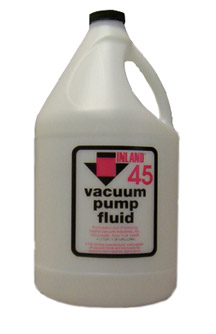
Homemade or unconventional oils may seem cheap but risk damaging pumps. Cooking oils, motor oils, or other fluids lack necessary vacuum properties. These substitutes can cause corrosion, deposits, or poor vacuum levels. Using non-recommended oils voids warranties and increases repair costs. Stick to proven alternatives that meet industry standards to protect your equipment.
Credit: www.sisweb.com
Choosing The Right Substitute
Choosing the right vacuum pump oil substitute requires careful thought. The wrong oil can reduce pump efficiency and cause damage. Selecting an oil that fits your pump’s needs ensures smooth operation and longer equipment life.
Several factors influence this choice. These include the pump type, working conditions, and the chemical nature of the oil. Understanding these points helps you pick a suitable substitute that meets your pump’s demands.
Manufacturer Guidelines
Always start with the pump manufacturer’s guidelines. They provide the best advice on oil type and grade. Using the recommended oil or a close substitute prevents warranty issues and pump failures. Follow their instructions strictly to maintain pump performance and durability.
Matching Viscosity And Performance
Viscosity affects how well the oil lubricates and seals the pump. Choose a substitute with similar viscosity to the original oil. Oils too thick or thin can cause wear or leaks. Check the operating temperature and pressure to ensure the substitute performs well under those conditions.
Chemical Compatibility
The substitute oil must be chemically compatible with pump materials. Some oils react with seals, metals, or gases inside the pump. This can cause corrosion or breakdown of parts. Verify that the new oil does not contain harmful additives or substances that can damage the pump.
Maintenance Tips For Vacuum Pumps
Proper maintenance of vacuum pumps ensures long life and reliable performance. Regular care reduces breakdowns and costly repairs. One key part of maintenance is managing the vacuum pump oil. Using the right oil substitute and keeping it clean protects the pump’s inner parts.
Follow simple steps to maintain your vacuum pump oil. This helps avoid damage and keeps the pump running smoothly. Learn when to change the oil, how to spot oil degradation, and ways to dispose of used oil safely.
When To Change The Oil
Change the oil based on the pump’s usage hours or manufacturer advice. Heavy use may require more frequent changes. Check oil color and clarity often. Dark or cloudy oil means it needs replacement. Changing oil regularly prevents dirt and moisture build-up.
Signs Of Oil Degradation
Look for changes in oil color, texture, and smell. Oil that looks dark brown or black is degraded. A thick or sticky feel shows contamination. Unusual odors may signal chemical breakdown. Degraded oil reduces pump efficiency and can cause damage.
Proper Disposal Of Used Oil
Dispose of used vacuum pump oil responsibly. Collect the oil in sealed containers to avoid spills. Take it to a certified recycling center or hazardous waste facility. Never pour used oil down drains or on the ground. Proper disposal protects the environment and follows safety rules.
Frequently Asked Questions
What Can Be Used For Vacuum Pump Oil?
Mineral oil suits general vacuum pumps, while synthetic oils like PFPE, PAO, and ester handle high temperatures or corrosive gases. Always follow the pump manufacturer’s oil recommendations for best performance.
Can I Use 10w30 On A Vacuum Pump?
Using 10w30 on a vacuum pump is not recommended. It may cause poor lubrication and damage. Always use oil specified by the manufacturer.
Can You Use Vegetable Oil In A Vacuum Pump?
Vegetable oil is not suitable for vacuum pumps. It lacks proper lubrication and can degrade quickly, causing damage. Use manufacturer-recommended vacuum pump oils like mineral or synthetic oils for optimal performance and longevity.
What Kind Of Oil Can I Use In My Air Compressor Pump?
Use mineral oil for general air compressor pumps. Choose synthetic oils like PAO or ester for high temperature or chemical exposure. Always follow the manufacturer’s oil type and viscosity recommendations for optimal performance.
What Can I Use As A Vacuum Pump Oil Substitute?
Light machine oil or mineral oil can be temporary substitutes but check compatibility first.
Conclusion
Choosing the right vacuum pump oil substitute matters for your pump’s health. Always check what your pump maker suggests first. Using the wrong oil can cause damage or reduce pump life. Mineral oils work well for simple jobs. Synthetic oils suit tough conditions like heat or chemicals.
Think about your pump’s needs and environment. Proper oil keeps your pump running smooth and efficient. Don’t risk using unknown substitutes without research. Careful oil choice saves time, money, and effort in the long run.