
Is your toilet suddenly running on its own, making random noises that disrupt your peace? You’re not alone, and this common issue can be more than just an annoying sound—it could be wasting water and hiking up your bills.
Understanding why your toilet keeps running randomly is the first step toward stopping it for good. You’ll discover simple, easy-to-follow tips to diagnose and fix the problem yourself, saving time and money. Keep reading to learn how to quiet that noisy toilet and prevent those surprise water runs from happening again.
Common Causes
A toilet that keeps running randomly wastes water and increases bills. Identifying the cause helps fix it quickly. Several parts inside the tank can cause this issue. Understanding common causes guides you in troubleshooting the problem effectively.
Flapper Issues
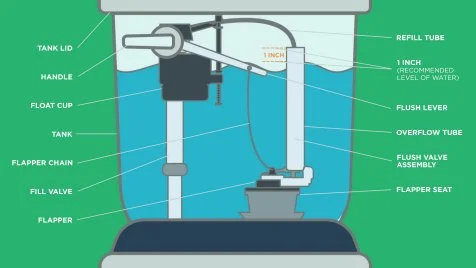
The flapper is a rubber seal at the tank bottom. It controls water flow from tank to bowl. A worn or warped flapper lets water leak slowly. This causes the fill valve to run repeatedly. Chains that are too tight or loose stop the flapper from sealing. Dirt or buildup on the valve seat also prevents a tight seal.
Fill Valve Problems
The fill valve controls water flow into the tank. A faulty or old fill valve can cause random running. It may not shut off completely after filling. Sediment or debris inside the valve blocks proper closure. Adjusting or replacing the fill valve often stops the running.
Refill Tube Position
The refill tube sends water into the overflow tube after flushing. If the tube is pushed too deep, water flows into the overflow. This causes constant refilling and running sounds. Positioning the refill tube correctly above the overflow tube ends the issue.
External Leaks
Leaks outside the tank also cause running noises. Check around the base for water puddles. Loose or damaged bolts can cause leaks at the tank-to-bowl connection. Faulty wax ring seals under the toilet can leak water too. Fixing external leaks stops water loss and running sounds.

Credit: www.wikihow.com
Troubleshooting Steps
When a toilet keeps running randomly, it wastes water and increases bills. Troubleshooting the issue helps find the exact cause. Follow these simple steps to check and fix common problems inside the tank. These checks require no special tools and save time and money.
Inspecting The Flapper
Remove the tank lid carefully. Look at the flapper, a rubber piece at the tank bottom. It seals the hole where water flows into the bowl. Check for cracks, hardening, or wear. A damaged flapper often causes random running. Press the flapper down after a flush. If the running stops, the flapper needs attention or replacement.
Cleaning The Valve Seat
The valve seat is the rim where the flapper rests. Mineral deposits or dirt can stop the flapper from sealing well. Wipe the valve seat with a clean cloth or sponge. Remove all buildup gently. A clean valve seat helps the flapper close tightly and stops leaks. This simple cleaning can often fix the problem.
Checking The Flapper Chain
Look at the chain connecting the flush handle to the flapper. The chain should have some slack but not too long. If the chain is too tight, it keeps the flapper open slightly. A too-long chain may get caught under the flapper. Adjust the chain length so the flapper seals fully when the handle is released.
Testing For Leaks
Put a few drops of food coloring in the tank water. Wait 15 to 20 minutes without flushing. Check the toilet bowl for colored water. If the color appears, water leaks from the tank to the bowl. This leak often means the flapper or valve seat is faulty. Testing for leaks confirms the problem and guides the repair.
Quick Fixes
Quick fixes can stop your toilet from running randomly. These fixes are easy and save water. You can try them yourself with simple tools. Fixing the problem quickly prevents higher water bills and damage.
Replacing The Flapper
The flapper is a rubber seal at the tank’s bottom. It opens to flush and closes to hold water. A worn or damaged flapper causes leaks. Turn off the water supply first. Drain the tank by flushing. Remove the old flapper and clean the valve seat. Install a new flapper and attach the chain. Turn the water back on and test the flush.
Adjusting The Chain Length
The chain connects the flush handle to the flapper. Too tight or too loose chain stops the flapper from sealing. Check the chain length. It should have slight slack. Adjust it by moving the chain link. Test the flush to see if water stops running. Proper chain length ensures the flapper closes fully.
Cleaning Or Replacing The Fill Valve
The fill valve controls water entering the tank. Dirt or debris can block it, causing random running. Turn off water supply. Remove the valve cap and clean inside with a cloth. If cleaning fails, replace the fill valve. New valves are easy to install and affordable. Check water level after fixing the valve.
Correcting The Refill Tube Placement
The refill tube directs water into the overflow tube. It must be placed correctly above the overflow tube. If too low, water leaks into the bowl causing running. Reposition the refill tube so it ends above the overflow tube. Secure it with a clip if needed. Proper placement stops water from flowing continuously.
Preventive Tips
Preventing a toilet from running randomly saves water and money. Small actions keep your toilet working well. Avoiding common issues stops leaks and noises. Follow these simple tips to keep your toilet quiet and efficient.
Regular Maintenance
Check your toilet parts often. Look inside the tank for worn or damaged parts. Replace the flapper if it looks cracked or hard. Test the flush handle and chain for smooth movement. Tighten any loose bolts or screws. Regular care prevents leaks and running water.
Avoiding Mineral Buildup
Hard water leaves mineral deposits on parts. Clean the flush valve seat with a soft cloth regularly. Use vinegar to dissolve tough buildup safely. Avoid harsh chemicals that can damage rubber parts. Mineral buildup stops the flapper from sealing well. Keep parts clean to avoid random running.
Monitoring Water Levels
Check the water level inside the tank. It should be just below the overflow tube. Adjust the float arm or fill valve to set the right level. Too high water causes water to spill into the overflow tube. Too low water makes weak flushes. Keep water level stable for proper toilet function.
When To Call A Professional
Knowing when to call a professional plumber can save time and money. Some toilet problems need expert attention to prevent further damage. Ignoring certain signs may lead to costly repairs. Here are key situations to watch for that require professional help.
Persistent Running Noise
A toilet that runs constantly after simple fixes signals a deeper issue. Continuous noise wastes water and raises bills. If the running sound does not stop, even after replacing the flapper or adjusting the fill valve, a plumber should check the system. Professionals can diagnose hidden problems quickly.
Complex Leak Issues
Leaks inside or around the toilet can be tricky to find and fix. Water pooling on the floor or inside the tank may indicate cracks or worn seals. Complex leaks often need special tools and skills to repair. Calling a plumber ensures the leak is properly sealed to avoid damage.
Tank Or Floor Gasket Problems
Damaged or worn gaskets under the tank or base cause water to leak or toilet to wobble. Fixing gaskets requires draining the tank and removing parts carefully. This task is difficult without plumbing experience. A professional can replace gaskets safely and restore toilet stability.
Credit: www.hgtv.com

Credit: www.youtube.com
Frequently Asked Questions
Why Does My Toilet Make A Sound Every Few Minutes?
Your toilet makes noise every few minutes due to a slow leak from the tank to the bowl. A faulty flapper or fill valve often causes this. The leak triggers the fill valve to run intermittently to refill the tank, creating the sound.
Will A Constant Running Toilet Increase The Water Bill?
Yes, a constantly running toilet wastes water and significantly raises your water bill. Fix leaks promptly to save money.
Why Does My Toilet Keep Running Even With The Water Turned Off?
Your toilet may keep running despite the water being off due to a faulty flapper, a stuck fill valve, or internal leaks causing water to bypass the shutoff. Check the flapper seal and valve mechanisms for damage or debris to fix the issue.
Is Ghost Flushing Serious?
Ghost flushing indicates a slow leak causing the toilet to refill randomly. It can waste water and increase bills. Fixing worn flappers or faulty valves quickly prevents damage and saves money. Address ghost flushing promptly to avoid serious plumbing issues.
Why Does My Toilet Keep Running Randomly?
A worn or damaged flapper often causes random running by letting water leak into the bowl.
Conclusion
A toilet that runs randomly wastes water and raises bills. Fixing it early saves money and prevents damage. Check the flapper, chain, and fill valve carefully. Clean or replace worn parts for a quiet, efficient toilet. Small steps often solve this common problem quickly.
Stay patient and follow simple troubleshooting tips. A well-maintained toilet works better and lasts longer. Don’t ignore running sounds—act to keep your bathroom running smoothly.