
Is your refrigerator showing signs of frost buildup or not defrosting properly? If you’ve noticed ice forming inside or water pooling where it shouldn’t, your fridge’s auto defrost system might be acting up.
This system is designed to keep your fridge running smoothly by melting away frost before it causes problems. But when it malfunctions, it can disrupt the cooling and even damage your food. You might be wondering: Why is this happening?
Is it a simple fix or something more serious? You’ll discover common causes behind refrigerator auto defrost problems and practical steps you can take to troubleshoot the issue yourself. Keep reading to learn how to protect your fridge and keep it running efficiently.
Common Causes Of Auto Defrost Issues
Auto defrost problems in refrigerators often stem from a few common causes. Understanding these can help spot issues early and keep your fridge working well. Frost buildup and drainage problems usually point to the root causes. Some parts may fail or get blocked, affecting the defrost cycle. Identifying these causes can save time and money on repairs.
Normal Defrost Cycle Patterns
Refrigerators run a defrost cycle to melt frost on evaporator coils. This cycle happens automatically, usually once a day. It lasts for a short time and prevents ice buildup. This process is normal and helps the fridge cool efficiently. Frequent or long cycles may indicate a problem.
Clogged Defrost Drain Effects
The defrost drain removes water from melted frost. If blocked, water can pool inside the fridge. This water may freeze again, causing ice buildup. A clogged drain also causes bad odors and leaks. Cleaning the drain prevents these issues and keeps the fridge dry.
Malfunctioning Defrost Timer Or Thermostat
The defrost timer controls when the cycle starts and stops. The thermostat senses temperature and triggers defrosting. Faulty timers or thermostats can stop the cycle or run it too long. This leads to ice buildup or water leaks. Testing and replacing these parts restores proper function.
Defrost Heater Failures
The defrost heater melts frost during the cycle. If the heater fails, frost stays on the coils. This stops air flow and reduces cooling efficiency. Broken heaters cause the fridge to work harder and use more energy. Checking the heater ensures the defrost cycle works properly.
Door Seal Problems
Damaged or worn door seals let warm air enter the fridge. This causes excess frost and ice to form. Poor seals also increase energy use and reduce cooling. Inspecting and replacing seals helps maintain the fridge temperature and prevents frost buildup.
Refrigerant Leak Signs
Low refrigerant levels affect the fridge’s cooling and defrost cycles. Leaks often cause the fridge to run longer or fail to defrost properly. Look for warm spots or ice buildup on coils. Professional repair is needed to fix leaks and recharge refrigerant.

Credit: www.youtube.com
Identifying Defrost System Problems
Identifying defrost system problems in refrigerators helps maintain proper cooling and prevents damage. Detecting these issues early avoids expensive repairs. Understanding common signs and simple checks can pinpoint the problem quickly.
Signs Of Excessive Frost
Excess frost inside the freezer indicates defrost failure. Frost may form thick layers on walls or shelves. The fridge may run longer or feel colder than usual. Food can freeze unexpectedly or become damp from melting frost. Notice if frost returns soon after manual defrosting.
Checking For Water Drain Blockages
Defrost water should drain freely to a pan below the fridge. Blocked drains cause water to pool and refreeze inside. Look for water puddles or ice near the bottom of the freezer. Clear the drain hole using warm water or a thin tool. Regular cleaning prevents future blockages.
Testing Door Seal Integrity
Weak door seals let warm air inside, causing frost build-up. Run your hand along the door edges to feel for cold air leaks. Use a dollar bill to check the seal grip by closing the door on it. Replace the seal if it fails to hold the bill tightly. Good seals keep frost minimal.
Detecting Ice Build-up Locations
Ice often forms near the evaporator coils or air vents. Open freezer shelves and panels to inspect these spots. Thick ice or frost here signals defrost heater or thermostat issues. Pay attention to hidden corners or behind drawers. Early detection stops ice from blocking airflow.
Quick Fixes For Auto Defrost Problems
Auto defrost problems in refrigerators can cause frost buildup and poor cooling. Quick fixes often solve these issues without needing a technician. These simple steps help maintain your fridge’s efficiency and keep food fresh.
Clearing The Defrost Drain
The defrost drain can get clogged with ice or debris. This blockage stops water from draining during defrost cycles. Use warm water or a pipe cleaner to clear the drain. Make sure water flows freely to the drip pan below. A clear drain prevents ice buildup and water leaks.
Cleaning And Repairing Door Seals
Door seals keep cold air inside the fridge. Dirt or damage on seals lets warm air in, causing frost. Clean seals with warm, soapy water and a soft cloth. Check for cracks or tears. Replace seals if they do not close tightly. Proper seals improve cooling and reduce defrost problems.
Resetting The Defrost Timer
The defrost timer controls when the fridge enters defrost mode. A stuck timer can cause constant or no defrosting. Locate the timer and turn it slowly until the fridge clicks into defrost mode. This resets the cycle. A working timer keeps frost from building up and improves fridge performance.
Replacing Faulty Defrost Heaters
The defrost heater melts frost on the evaporator coils. A broken heater leads to ice buildup. Test the heater with a multimeter for continuity. Replace it if it shows no continuity. Installing a new heater restores proper defrost cycles and stops frost accumulation.
When To Call A Professional
Knowing when to call a professional for refrigerator auto defrost problems can save time and prevent damage. Some issues require special tools and skills that most homeowners do not have. Acting too late or trying complex repairs alone might cause more harm than good. Recognize signs that need expert help to keep your fridge running smoothly.
Using A Multimeter For Diagnosis
A multimeter helps check electrical parts like the defrost timer and thermostat. It measures voltage, resistance, and continuity to find faults. Testing these parts requires knowledge of electrical safety and wiring diagrams. Incorrect use can cause injury or damage. Professionals have the right tools and experience to diagnose problems safely and accurately.
Handling Refrigerant Leaks
Refrigerant leaks reduce cooling and affect defrost cycles. Detecting and fixing these leaks needs special equipment and EPA certification. Refrigerants are harmful to health and the environment. Professionals locate leaks, repair them, and recharge the system properly. DIY attempts risk exposure to chemicals and may violate laws about refrigerant handling.
Complex Repairs Beyond Diy
Some defrost problems involve sealed systems or electronic control boards. These repairs need advanced skills and replacement parts. Opening sealed compartments without training can void warranties. Misdiagnosis or wrong fixes increase repair costs. Calling a professional ensures correct repair and extends appliance life. Their expertise prevents repeated breakdowns and saves money long term.
Tips To Prevent Future Defrost Issues
Preventing defrost problems in your refrigerator helps keep it running smoothly. Small habits and checks can reduce frost buildup. Follow simple tips to avoid costly repairs and extend your fridge’s life.
Regular Maintenance Routines
Clean the coils and vents regularly to keep airflow steady. Check the defrost drain for blockages and clear any debris. Inspect the door seals to ensure they close tightly. Schedule a monthly inspection to catch problems early. Keeping the fridge clean helps prevent frost buildup.
Proper Door Usage Habits
Open the fridge door only when necessary. Close it firmly to stop warm air from entering. Avoid leaving the door open for long periods. Store food properly to reduce moisture inside. These habits limit frost formation and improve cooling efficiency.
Monitoring Frost Levels
Look for frost buildup inside the freezer regularly. Small frost patches can quickly grow into thick ice. Remove frost early using safe defrosting methods. Check the automatic defrost cycle to ensure it runs on schedule. Monitoring frost helps catch issues before they worsen.
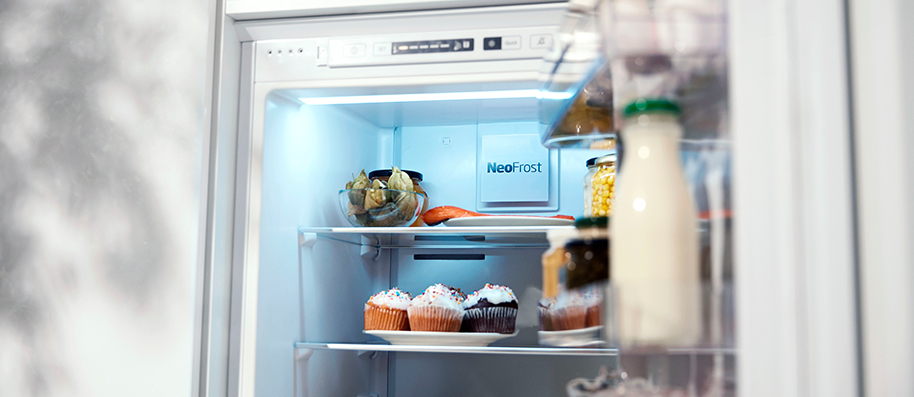
Credit: www.voltasbeko.com
Frequently Asked Questions
Why Does My Refrigerator Keep Going Into Defrost Mode?
Your refrigerator enters defrost mode to melt frost on coils. Frequent defrosting may indicate a clogged drain, faulty timer, thermostat, or door seal issues.
How To Know If A Defrost Timer Is Bad?
A bad defrost timer causes irregular defrost cycles or no defrost at all. Check for frost buildup or continuous running compressor. Listen for unusual noises or test the timer with a multimeter to confirm failure. Replace if it doesn’t advance or control defrost properly.
What Is The Most Common Failure Of A Frost-free Refrigerator?
The most common failure of a frost-free refrigerator is a clogged defrost drain. This causes water to freeze, blocking airflow and leading to frost buildup.
Why Is Auto Defrost Not Working?
Auto defrost may fail due to a clogged drain, faulty heater, timer, or thermostat. Damaged door seals and refrigerant leaks also cause issues. Check and clear the drain, test components, and ensure door seals are intact to fix auto defrost problems effectively.
Why Does My Refrigerator Keep Going Into Defrost Mode?
Refrigerators run defrost cycles to melt ice on coils. Frequent cycles may signal a problem with the timer or thermostat.
Conclusion
Refrigerator auto defrost problems can affect cooling and food safety. Watch for signs like excess frost or water leaks. Regular checks help spot clogged drains or faulty timers early. Fixing small issues prevents bigger, costly repairs later. Keep your fridge running smoothly and avoid food spoilage.
Simple maintenance saves time and money in the long run. Stay aware and act quickly to maintain your appliance’s health.