
When it comes to choosing the perfect finish for your home fixtures, you might find yourself stuck between pewter and brushed nickel. Both finishes offer a sleek, modern look, but they bring very different vibes to your space.
Do you want a warmer, softer gray with a hint of vintage charm, or a cooler, more contemporary silver that blends seamlessly with stainless steel appliances? Your choice can change the entire feel of your kitchen, bathroom, or hardware. You’ll discover the key differences between pewter and brushed nickel—so you can confidently pick the finish that matches your style and needs.
Ready to find out which one suits your home best? Keep reading!
Pewter Finish Characteristics
Pewter finish offers a distinct look that blends tradition with subtle elegance. Its unique characteristics make it a favored choice for various design projects. Understanding its features helps in choosing the right finish for your space.
Color And Tone
Pewter has a soft gray color with hints of silver. It often shows darker swirls or mottled patterns. This gives it a slightly aged or antique feel. The tone is warmer and less shiny than brushed nickel. It brings a cozy, vintage vibe to any setting.
Surface Texture
The surface of pewter is usually smooth but not glossy. It has a matte or satin finish that feels soft to touch. Small imperfections or variations in texture add to its charm. This finish hides fingerprints and smudges well, making it practical for everyday use.
Visual Appeal And Style
Pewter finish creates a calm and classic look. It fits well with rustic, traditional, or farmhouse styles. The subtle shine adds depth without being flashy. Pewter items often look handcrafted, adding a sense of artistry and history.
Common Uses In Design
Pewter is popular in home décor like cabinet handles, light fixtures, and faucets. It suits spaces aiming for a warm, inviting atmosphere. Designers use pewter in kitchens, bathrooms, and living rooms for a timeless look. It pairs well with wood, stone, and earth tones.
Brushed Nickel Features
Brushed nickel stands out as a popular metal finish in home design. It offers a blend of style and practicality. This finish brings a soft, muted shine that fits many decor styles. Its features make it a favorite for kitchens and bathrooms. Understanding these features helps choose the right finish for your space.
Color And Tone
Brushed nickel has a warm, silver-gray color. It is softer than shiny chrome or polished nickel. The tone is subtle and less reflective. This color blends well with many palettes. It adds a touch of elegance without being too bold.
Surface Texture
The surface of brushed nickel is matte with fine lines. These lines come from a brushing process. This texture hides fingerprints and water spots. It also reduces glare from lights. The finish feels smooth but not glossy.
Modern Look And Versatility
Brushed nickel suits both modern and traditional spaces. Its understated shine fits various styles. It pairs well with wood, stone, and glass. This finish adapts easily to different design themes. It adds a clean, fresh look to any room.
Typical Applications
Brushed nickel is common in faucets, door handles, and lighting. It is often used for cabinet hardware and fixtures. The finish is durable for daily use. It works well in kitchens, bathrooms, and living rooms. Brushed nickel helps create a cohesive and stylish space.
Style Comparison
Pewter and brushed nickel are often chosen for hardware and fixtures. Each finish offers a distinct style that can change a room’s look. Understanding their style differences helps you pick the right one for your home.
Traditional Vs Modern Appeal
Pewter has a classic, old-world charm. Its muted gray tones and subtle texture give a vintage feel. Brushed nickel looks sleek and modern. It has a smooth, metallic shine that fits contemporary spaces well.
Pewter suits traditional, rustic, or antique-inspired rooms. Brushed nickel blends well with modern, minimalist, or industrial designs.
Matching With Other Metals
Pewter pairs nicely with warm metals like bronze and copper. Its soft gray color balances warmer tones. Brushed nickel complements cooler metals such as chrome and stainless steel. This creates a coordinated, polished look.
Using pewter with warm metals adds richness. Brushed nickel with cool metals enhances brightness and clarity.
Impact On Room Ambiance
Pewter creates a cozy, inviting atmosphere. Its darker shade adds depth without glare. Brushed nickel brightens the space with its subtle shine. It reflects light softly, making rooms feel open and airy.
Choose pewter for a calm, grounded vibe. Pick brushed nickel to keep rooms fresh and light.
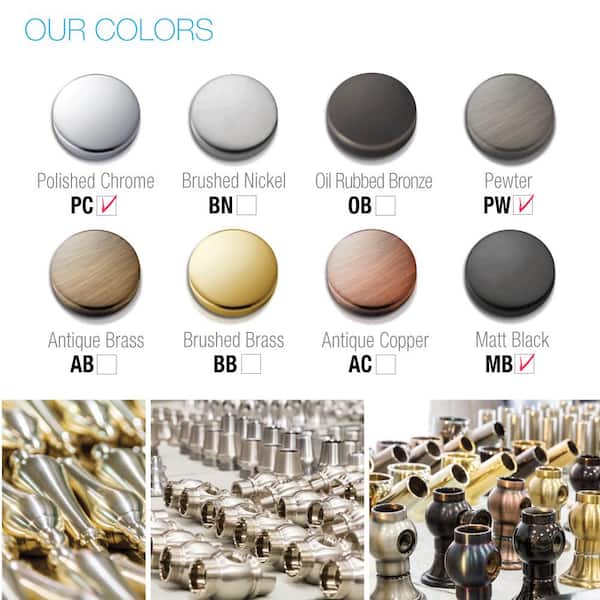
Credit: www.homedepot.com
Durability Factors
Durability plays a key role when choosing between pewter and brushed nickel. Both metals have unique qualities that affect how long they last and how well they hold up under daily use. Understanding these durability factors helps in making a smart choice for your home fixtures or decor.
Resistance To Tarnishing
Pewter tends to tarnish more quickly than brushed nickel. It reacts with air and moisture, causing a dull surface over time. Brushed nickel offers better resistance to tarnishing. It maintains its look longer without needing frequent polishing.
Maintenance Requirements
Pewter requires regular cleaning to keep its shine and prevent dark spots. Mild soap and water work well for cleaning pewter surfaces. Brushed nickel is easier to maintain. It hides fingerprints and water marks, reducing the need for constant cleaning.
Wear And Aging Over Time
Pewter develops a patina that some find attractive as it ages. This natural aging can give pewter a vintage, rustic look. Brushed nickel ages gracefully with minimal changes in appearance. It resists scratches and keeps a smooth finish for years.
Functional Considerations
Functional considerations play a key role when choosing between pewter and brushed nickel finishes. Understanding their practical benefits helps select the right material for your space. This section covers their durability, maintenance, and appliance compatibility.
Suitability For High-traffic Areas
Brushed nickel is highly durable and withstands heavy use well. It resists scratches and wears smoothly over time. Pewter, while strong, is softer and can show dents or marks in busy areas. For doors or cabinets used daily, brushed nickel offers better longevity.
Fingerprint And Watermark Resistance
Brushed nickel naturally hides fingerprints and watermarks due to its matte finish. It requires less frequent cleaning to look neat. Pewter tends to show smudges and water spots more easily. Regular wiping is necessary to keep pewter surfaces looking clean and fresh.
Compatibility With Appliances
Brushed nickel matches well with stainless steel appliances. It blends into modern kitchens smoothly and creates a unified look. Pewter has a darker, more muted tone that may contrast with shiny appliances. Choose pewter for a classic or vintage style, but brushed nickel suits contemporary designs better.
Cost And Availability
Pewter and brushed nickel are popular finishes for home fixtures and hardware. Understanding their cost and availability helps in making the right choice. Both materials offer unique looks but differ in price and market presence. This section breaks down these differences clearly.
Price Range Comparison
Pewter items usually cost more than brushed nickel. The price varies based on design and quality. Brushed nickel is generally affordable and fits most budgets. Custom pewter pieces can raise the cost significantly. For budget-friendly options, brushed nickel is the better choice.
Availability In Market
Brushed nickel is widely available in many stores. It is a common finish for faucets, knobs, and fixtures. Pewter is less common and can be harder to find. Specialty shops or online stores often carry pewter products. Shoppers may need more time to source pewter pieces.
Value For Money
Brushed nickel offers great value due to its durability and price. It resists fingerprints and watermarks well. Pewter gives a unique, classic look but requires more care. Its higher price can be justified by its distinct style. Consider your budget and style preference for best value.
Choosing Between Pewter And Brushed Nickel
Choosing between pewter and brushed nickel for your fixtures or hardware can influence the entire look of your space. Both finishes offer unique qualities that suit different styles and needs. Understanding how each fits with your decor, aesthetic goals, and durability requirements helps make the best choice easier.
Matching Existing Decor
Pewter has a soft, muted gray tone with subtle dark swirls. It pairs well with rustic, vintage, or traditional themes. Brushed nickel has a warmer, metallic sheen that resembles stainless steel. It complements modern, minimalist, and industrial interiors. Consider the colors and materials already in your room. Choose the finish that blends smoothly with current elements for a harmonious look.
Desired Aesthetic Outcome
Pewter adds a cozy, antique feel. It creates a calm and inviting atmosphere. Brushed nickel gives a sleek, polished appearance. It reflects light softly without being too shiny. Decide if you want a timeless, classic vibe or a fresh, contemporary style. The finish you pick will set the tone for your space.
Long-term Durability Needs
Pewter is durable but may develop a patina over time, adding character. It resists fingerprints and smudges well. Brushed nickel is sturdy and easy to clean. It handles moisture and wear better in busy areas like kitchens and bathrooms. Think about how much use your hardware will get. Choose the finish that holds up best for your lifestyle.
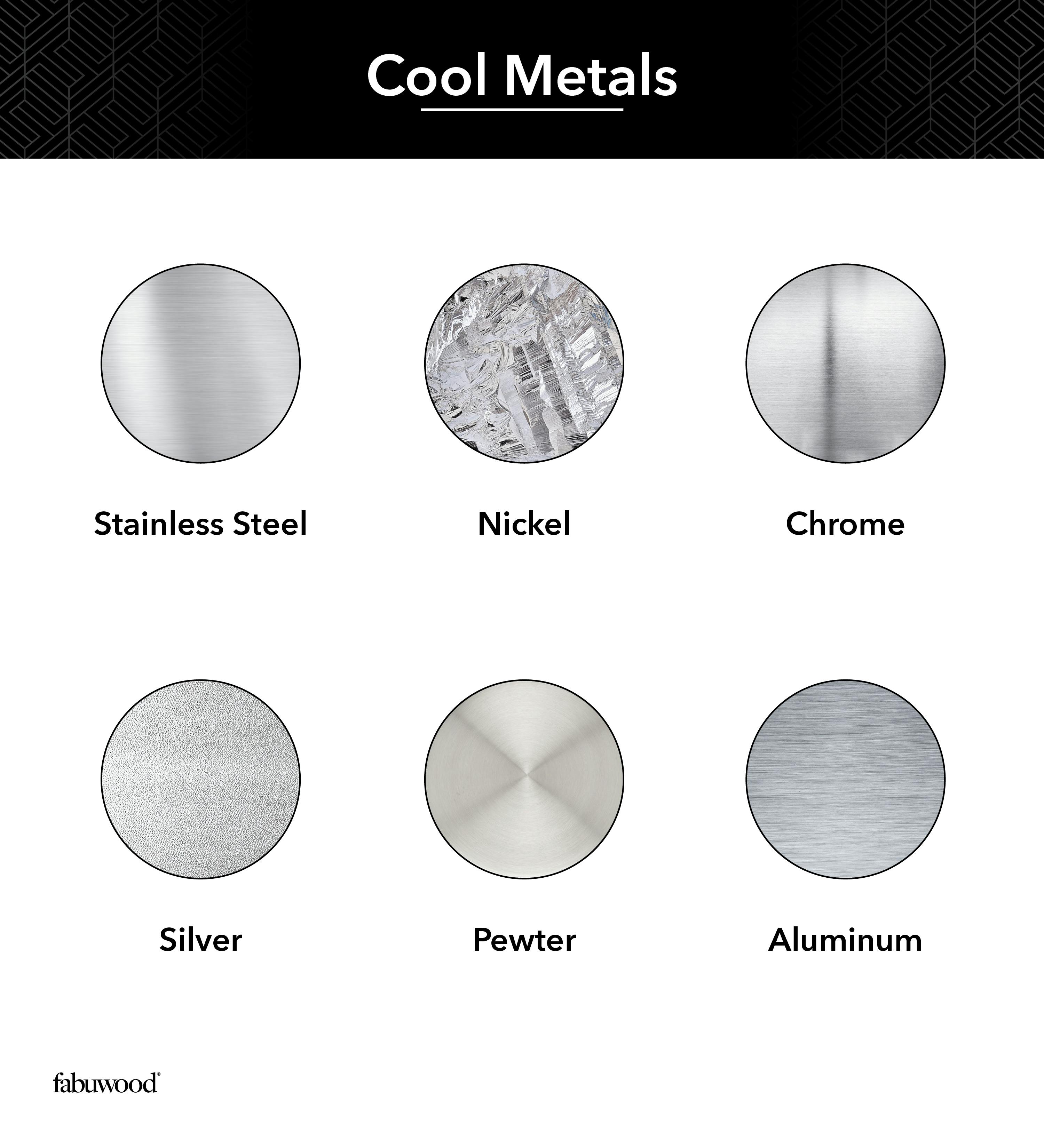
Credit: www.fabuwood.com
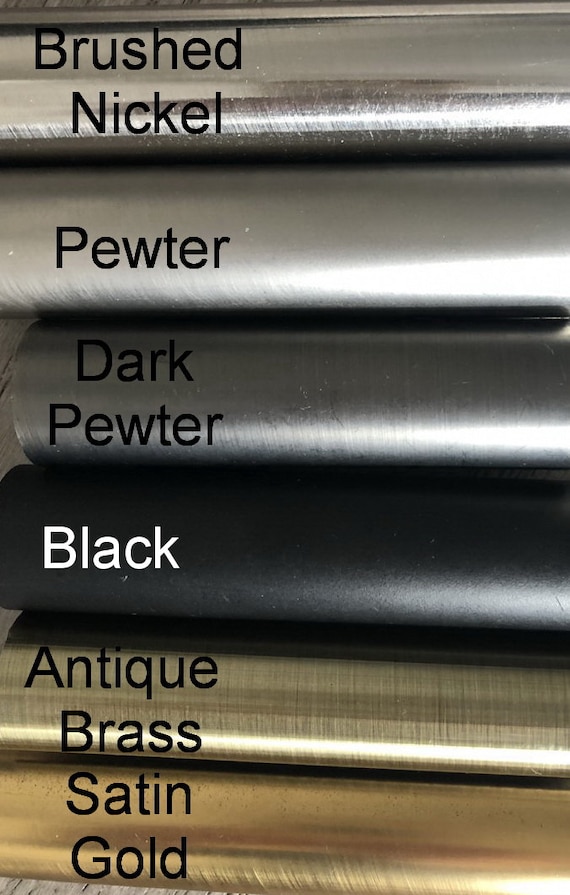
Credit: www.etsy.com
Frequently Asked Questions
Is Pewter The Same Color As Brushed Nickel?
Pewter has a softer, warmer, and duller gray tone with black undertones. Brushed nickel is lighter, cooler silver with a muted matte finish. They differ in color and brightness, so pewter is not the same color as brushed nickel.
What Is The Closest Color To Brushed Nickel?
The closest color to brushed nickel is satin nickel. It features a light, cool silver tone with a muted, matte finish. Satin nickel closely matches brushed nickel’s soft sheen and modern appearance, making it a popular alternative for hardware and fixtures.
What Is The Disadvantage Of Brushed Nickel?
Brushed nickel tarnishes faster than chrome and requires regular maintenance to keep its appearance. It may also show scratches over time.
What Is The Most Popular Finish For Kitchen Hardware?
The most popular kitchen hardware finish is brushed nickel. It offers a modern, muted silver look that hides fingerprints and matches stainless appliances well.
What Is The Main Difference Between Pewter And Brushed Nickel?
Pewter has a dull gray tone with black swirls; brushed nickel is shinier with a warm silver look.
Conclusion
Choosing between pewter and brushed nickel depends on your style preference. Pewter offers a warm, aged look with subtle black swirls. Brushed nickel shines with a cooler, sleek silver tone. Both finishes resist fingerprints well, fitting kitchens and bathrooms. Consider lighting and existing décor when deciding.
Each finish brings unique charm and character to your space. Your choice will shape the overall feel of your room.