
When working with electrical panels, understanding the difference between a neutral bar and a ground bar is crucial for your safety and the proper functioning of your home’s electrical system. You might wonder why these two bars, which seem similar, are treated differently—and why mixing them can lead to serious hazards.
If you’re dealing with a main panel or a subpanel, knowing when and why to separate or bond these bars can save you from costly mistakes and potential dangers. You’ll discover the key differences between neutral and ground bars, why they must be handled correctly, and how following these guidelines keeps your electrical system safe and code-compliant.
Keep reading to make sure your setup is both smart and secure.
Neutral Bar Basics
The neutral bar is a vital part of electrical panels. It helps manage the flow of electricity safely. Knowing the basics of the neutral bar helps understand electrical systems better. This section explains its role, connections, and current handling.
Role In Electrical Systems
The neutral bar acts as the return path for electrical current. It carries current back to the power source after it passes through devices. It keeps the circuit balanced and stable. Without a neutral bar, electrical systems would not function correctly.
Connection In Main Panels
In main panels, the neutral bar is bonded to the ground bar. This means they are connected together for safety. This bond helps direct fault current safely to the earth. It ensures that metal parts do not carry dangerous voltage. This connection is only in the main panel, not in subpanels.
Current Carrying Characteristics
The neutral bar carries current during normal operation. It handles the same current as the hot wires but in reverse. It must be sized to carry this return current safely. Overloading the neutral bar can cause overheating and hazards. Proper installation ensures it works without issues.

Credit: diy.stackexchange.com
Ground Bar Essentials
The ground bar is a key part of any electrical panel. It acts as the main point where all grounding wires connect. Understanding its role helps ensure electrical safety and system reliability. This section covers the essential facts about ground bars and their function.
Purpose And Safety Role
The ground bar provides a safe path for electrical faults. It connects all grounding wires from circuits and equipment. This helps prevent electric shock and fire hazards. Ground bars protect people and property by directing fault current safely to the earth.
Connection To Earth
The ground bar links the electrical system to the earth. A grounding electrode, like a rod or plate, connects to the ground bar. This connection stabilizes voltage and clears fault currents. It reduces the risk of electric shock and equipment damage.
Behavior During Faults
During a fault, the ground bar carries fault current away. This current flows through the grounding conductor to the earth. This action triggers circuit breakers to cut power quickly. It stops dangerous electrical energy from harming users or devices.
Differences In Function
The neutral bar and ground bar serve different purposes in electrical panels. Understanding their functional differences helps ensure safe and reliable electrical systems. This section explains how their roles vary during normal operation and fault conditions, their current flow paths, and their impact on circuit protection.
Normal Operation Vs Fault Conditions
The neutral bar carries current during normal operation. It returns current from electrical devices back to the power source. The ground bar, in contrast, carries no current under normal conditions. It only carries current during fault conditions. When a fault occurs, the ground bar safely directs the fault current to earth, preventing electrical shock or fire.
Current Flow Paths
In normal operation, current flows through the hot and neutral wires. The neutral bar provides the return path for this current. The ground bar connects all metal parts of the system to earth ground. It creates a low-resistance path for fault current. This helps clear faults quickly by activating circuit breakers or fuses.
Impact On Circuit Protection
Separating neutral and ground bars ensures proper circuit protection. If neutral and ground share a bar, fault current may take unintended paths. This can cause breakers to fail to trip during faults. Proper separation directs fault current through the ground bar, allowing protective devices to react correctly. This setup reduces shock hazards and prevents electrical fires.
Main Panel Wiring Practices
The main panel wiring practices play a crucial role in electrical safety and system performance. Proper wiring ensures that the neutral and ground conductors function as intended. This prevents electrical hazards and maintains code compliance.
Understanding the differences between neutral and ground bars helps in wiring the main panel correctly. Each bar has a specific function and connection requirement. Adhering to these practices reduces risks of shocks and equipment damage.
Neutral And Ground Bonding
In the main panel, neutral and ground are bonded together. This bonding creates a direct connection between the neutral bar and the panel’s metal enclosure. It helps clear faults by providing a path to the earth.
Bonding ensures that fault current flows safely, triggering breakers to trip. This connection prevents dangerous voltage on metal parts. Only the main panel should have this bond, not subpanels.
Single Point Connection
The neutral bar must connect to the panel at a single point. This prevents multiple paths for neutral current, which can cause interference and safety issues. A single point connection controls where current returns to the source.
This practice avoids neutral currents flowing on grounding paths. It also limits potential differences in the grounding system. A well-defined return path improves system stability and safety.
Terminal Separation Requirements
Neutral and ground bars must remain separate in subpanels. The terminals should not share connections or be electrically linked. This separation avoids neutral current flowing on grounding conductors.
The National Electrical Code requires clear separation of these terminals beyond the main panel. Proper terminal separation prevents shock hazards and unwanted current paths. It keeps the grounding system safe and effective.
Subpanel Wiring Rules
Subpanel wiring rules are essential for safe electrical installations. Understanding these rules helps prevent electrical hazards and ensures code compliance. Proper separation and connections of neutral and ground bars are key aspects.
Incorrect wiring can cause shock risks, equipment damage, and fire hazards. Following the right steps keeps your electrical system safe and reliable.
Separation Of Neutral And Ground Bars
In a subpanel, neutral and ground bars must be separate. Neutral wires carry current during normal operation. Ground wires only carry current during faults to protect people and equipment.
Keeping them separate stops neutral current from flowing on the grounding system. This reduces shock risks and prevents dangerous situations.
Removal Of Bonding Strap
The bonding strap connects neutral and ground bars in the main panel. This connection must be removed in subpanels. Removing the strap breaks the bond, keeping the neutral isolated from the panel’s metal enclosure.
This ensures fault current flows safely to the earth through the ground wire. It also prevents neutral current from energizing metal parts of the subpanel.
Code Compliance And Safety
National electrical codes require neutral and ground separation in subpanels. Proper wiring avoids multiple paths for fault current. This reduces shock hazards and ensures circuit breakers work correctly.
Following these rules helps prevent fires and electrical shocks. It protects both people and sensitive electronics connected to the system.
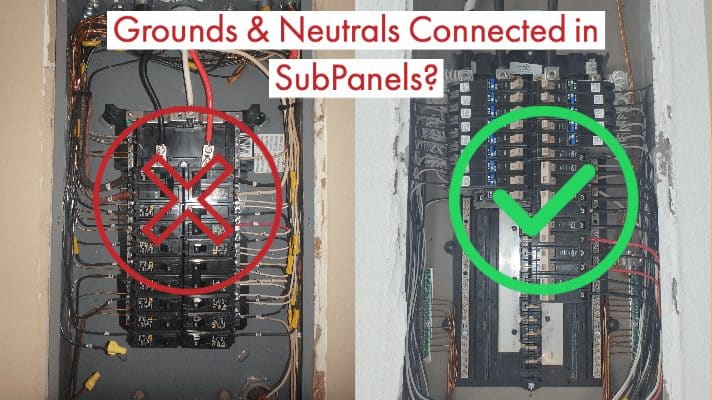
Credit: waypointinspection.com
Hazards Of Mixing Bars
Mixing neutral and ground bars in electrical panels creates serious safety risks. These bars serve different purposes and must remain separate. Combining them leads to dangerous conditions that put people and equipment at risk. Understanding these hazards helps prevent accidents and ensures electrical systems work correctly.
Shock Risks
Mixing neutral and ground bars can cause metal parts to carry current. This makes electrical enclosures and devices shock hazards. People touching these parts may receive electric shocks. Separating the bars keeps the ground free of current under normal conditions. It protects users from unexpected electric shocks.
Floating Neutral Effects
A floating neutral occurs when the neutral bar is not properly connected. Mixing bars increases the chance of this problem. Floating neutrals cause voltage to appear where it should not. This can damage sensitive electronics and create unpredictable electrical behavior. Keeping bars separate avoids floating neutral issues and protects devices.
Breaker Malfunction Possibilities
Breakers rely on correct wiring to detect faults and trip safely. Mixed neutral and ground bars can confuse breakers. This prevents them from tripping during faults. As a result, fires or equipment damage may occur. Proper separation ensures breakers function correctly and keep the system safe.
Common Installation Mistakes
Installing neutral and ground bars correctly is crucial for electrical safety. Mistakes during installation can cause serious hazards. Understanding common errors helps avoid risks and ensures code compliance.
Using Same Bar In Subpanels
One frequent mistake is using the same bar for neutral and ground in subpanels. Subpanels must have separate bars for neutral and ground wires. Combining them creates parallel paths for current, leading to shock hazards. It also causes breakers to fail in tripping during faults. Always separate the bars to maintain safe wiring.
Improper Bonding
Improper bonding occurs when the neutral bar is connected to the panel’s metal enclosure in subpanels. This connection should be removed to keep neutral and ground paths separate. Bonding them in subpanels allows neutral current to flow on grounding paths. This condition creates a risk of electric shock and damages equipment. Correct bonding prevents these issues.
Ignoring Electrical Codes
Ignoring electrical codes is a common cause of poor installation. Codes require grounds and neutrals to be separate in subpanels for safety. Not following these rules can lead to failed inspections and unsafe wiring. Always check and follow local electrical codes to ensure proper installation. Compliance protects property and lives.
Best Practices For Safety
Safety is the top priority when handling neutral and ground bars. Proper practices reduce risks of electric shock and fire. Following safety guidelines ensures a secure electrical system. Understanding the correct setup and maintenance is essential for protection.
Correct Bar Placement
Place the neutral bar and ground bar separately in subpanels. The neutral bar should not touch the panel’s metal frame. The ground bar must be directly bonded to the panel’s metal enclosure. This separation stops unwanted current flow on metal parts. It also meets electrical code rules. Correct placement protects people and equipment.
Proper Bonding Techniques
Bond the ground bar firmly to the panel enclosure using screws or clips. Do not bond the neutral bar to the panel in subpanels. In the main panel, neutral and ground are bonded together. Remove bonding straps or screws in subpanels. Proper bonding creates a safe path for fault current. This helps breakers trip correctly during faults. Use approved materials to ensure solid connections.
Regular Inspection Tips
Inspect bars and connections every six months or after electrical work. Look for loose screws or corrosion on bars and wires. Tighten any loose connections immediately. Check that bonding straps are removed in subpanels. Use a voltage tester to confirm no current flows on the ground bar. Replace damaged bars or wires right away. Regular inspections keep the system safe and reliable.
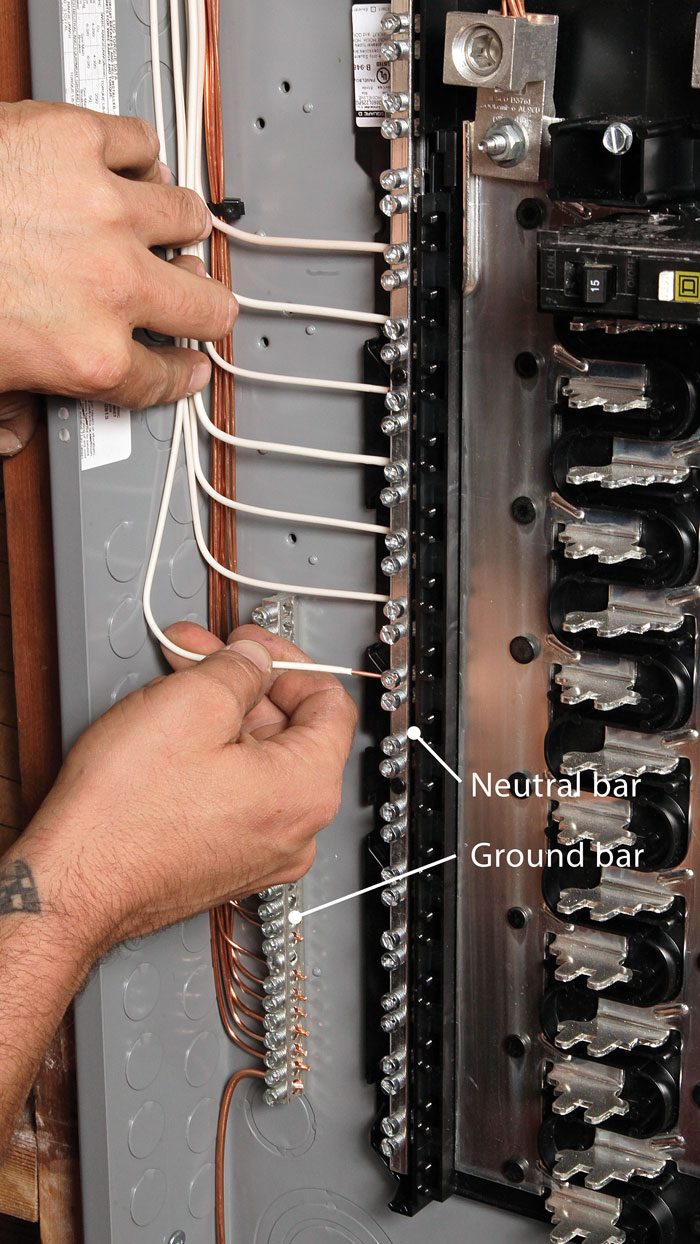
Credit: www.finehomebuilding.com
Frequently Asked Questions
Can Ground And Neutral Be On The Same Bar In Subpanel?
No, ground and neutral must be on separate bars in a subpanel to ensure safety and meet electrical codes.
Can You Land A Neutral On A Ground Bar?
You can land a neutral on a ground bar only in the main panel. In subpanels, keep neutrals and grounds on separate bars for safety and code compliance.
Are The Ground Wire And Neutral Wire Basically The Same?
No, ground and neutral wires serve different roles. Neutral carries current during operation. Ground only carries current during faults for safety. They connect together only in the main panel but must stay separate in subpanels to prevent hazards and meet electrical codes.
Can I Use My Ground Wire As A Neutral?
No, never use a ground wire as a neutral. Grounds carry fault current only; neutrals carry normal current. Mixing them causes safety hazards and violates electrical codes. Keep ground and neutral separate, especially in subpanels, to ensure proper circuit protection and prevent shock risks.
What Is The Difference Between A Neutral Bar And A Ground Bar?
A neutral bar carries return current, while a ground bar provides a safety path for faults.
Conclusion
Understanding the difference between neutral bar and ground bar is essential for electrical safety. Neutral bars carry current during normal operation, while ground bars only carry current during faults. Keeping them separate in subpanels prevents shock hazards and ensures breakers work correctly.
This separation follows electrical codes and protects your home and devices. Remember, mixing these bars can create dangerous conditions. Always follow proper wiring practices for a safe and reliable electrical system.