
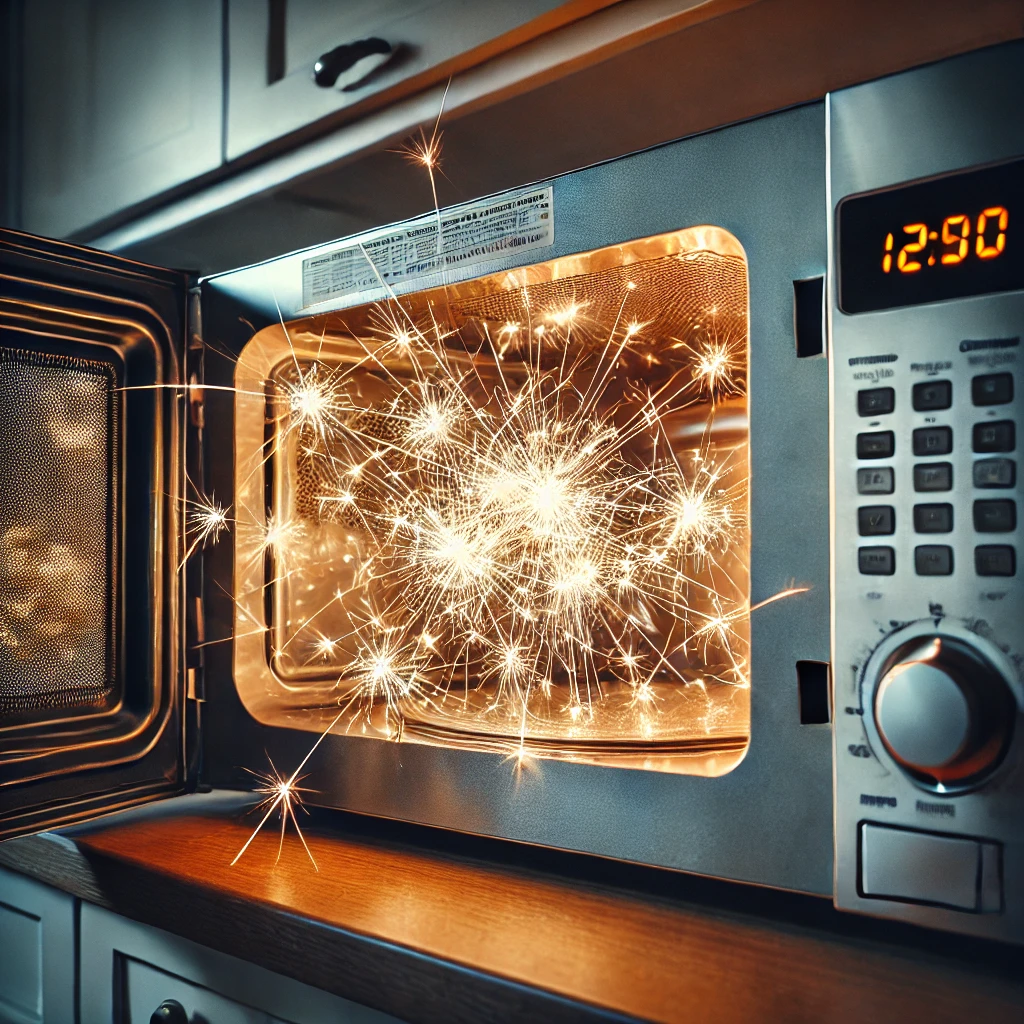
Have you ever turned on your microwave only to see sparks flying inside? That sudden flash can be alarming and confusing.
You might wonder, “Is my microwave broken? Is it safe to keep using? ” If you’ve experienced microwave sparking, you’re not alone—and it’s important to know what to do next. Ignoring the problem could risk damage to your appliance or even cause a fire.
But don’t worry, this article will guide you through why sparking happens, how to handle it safely, and when it’s time to call in the experts. Keep reading to protect your kitchen and get your microwave working safely again.
Credit: www.anderson-james.com
Common Causes
Microwave sparking can be alarming and may damage your appliance. Understanding common causes helps prevent sparks and maintain safety. Several factors inside your microwave can trigger sparking. Identifying these problems early reduces the risk of fire and costly repairs.
Metal Objects Inside
Metal reflects microwave energy, causing sparks. Items like foil, utensils, or twist ties can create electrical arcs. Even small metal pieces hidden in food packaging may spark. Always remove metal objects before heating food.
Damaged Waveguide Cover
The waveguide cover protects the microwave’s internal parts. Damage or burns on this cover expose components to microwaves. This exposure often leads to sparking inside the oven cavity. Replace a damaged waveguide cover promptly.
Food Buildup And Debris
Food particles and grease can accumulate inside the microwave. These residues may burn and cause sparks during operation. Regular cleaning removes debris and prevents sparking. Pay attention to corners and under the turntable.
Chipped Interior Paint
Microwave interiors have a special paint coating. Chipped or cracked paint exposes metal underneath. This exposed metal can cause sparks and damage. Repair or replace chipped areas to maintain safe use.
Faulty Internal Components
Worn or broken parts inside the microwave can spark. Problems with the magnetron, high voltage diode, or capacitor may cause electrical arcs. Professional repair is necessary to fix internal faults safely.
Credit: www.samsung.com
Immediate Actions
Microwave sparking can be alarming and dangerous. Immediate actions reduce risks and protect your appliance. Stop the sparking quickly to avoid fire or damage. Follow these simple steps right away.
Stop Microwave Cycle
Press the stop or cancel button on your microwave. This halts the cooking process immediately. Stopping the cycle prevents sparks from causing more harm. Avoid opening the door right away to keep sparks contained.
Unplug The Appliance
Disconnect the microwave from the power outlet. Unplugging stops electricity flow and lowers fire risk. Always use the plug, not the cord, to disconnect. This step is crucial before inspecting the microwave.
Remove Metal Items
Check inside the microwave for metal objects. Remove any foil, utensils, or twist ties found. Metal causes sparks when microwaved. Clearing metal items helps stop sparking quickly and safely.
Inspect For Damage
Look inside the microwave for chipped paint or burned spots. Check the waveguide cover for food buildup or damage. Dirty or damaged parts can cause sparking. Clean or replace damaged parts before using again.
Safety Considerations
Microwave sparking can be alarming and may indicate a safety hazard. Understanding the safety considerations helps prevent accidents and damage. Always treat sparking seriously and act quickly. Knowing when to use your microwave again or when to avoid it is key. Recognizing signs of serious damage protects you and your kitchen.
When It’s Safe To Use Again
Only use the microwave again if the cause of sparking is clear and fixed. Remove any metal objects inside before restarting. Clean the interior well if food or debris caused the spark. Check that the waveguide cover is intact and clean. If no visible damage exists, the microwave should work safely.
When To Avoid Using
Stop using the microwave immediately if sparking continues after removing metal. Avoid it if the interior paint is chipped or peeling. Do not use if the waveguide cover is burned or damaged. Persistent sparking can cause fires or electrical shock. Always unplug the appliance until you can inspect or repair it.
Signs Of Serious Damage
Look for burn marks inside the microwave cavity. Notice any melted plastic or a strong burning smell. Sparks appearing outside the microwave cavity are a warning. Listen for unusual noises or buzzing sounds during operation. These signs mean the microwave needs professional repair or replacement.
Simple Fixes
Microwave sparking can cause worry and disrupt your cooking. Many sparking issues come from simple problems. These often have easy fixes you can try at home. Addressing these quick fixes can save time and avoid costly repairs. Focus on the waveguide cover and food residue. These areas often cause sparks inside the microwave.
Cleaning The Waveguide Cover
The waveguide cover protects the microwave’s magnetron. Dirt and grease can build up on it over time. This buildup can cause sparking during operation. Use a damp cloth with mild soap to clean the cover gently. Avoid soaking or using harsh chemicals. Let the cover dry completely before using the microwave again. Regular cleaning prevents damage and keeps sparks away.
Removing Food Residue
Food particles often get stuck inside the microwave. These residues can burn and cause sparks. Clean the interior walls and floor with a soft cloth and warm water. Remove any burnt food stuck to surfaces carefully. Pay special attention to corners and crevices. Keeping the microwave clean reduces sparking risks and improves cooking performance.
Replacing Damaged Covers
A cracked or damaged waveguide cover can cause sparks. Inspect the cover for holes, burns, or cracks regularly. If damaged, replace it with a new part made for your microwave model. Avoid using the microwave with a damaged cover. This simple replacement helps prevent sparks and protects internal components.
When To Call A Professional
Microwave sparking can be alarming and dangerous. Sometimes, the problem is simple and easy to fix. Other times, the damage is severe and needs expert help. Knowing when to call a professional can save your microwave and keep your kitchen safe.
Ignoring serious microwave issues can cause fires or more damage. A professional can find hidden problems and fix them correctly. Here are key signs that you should stop and call for help.
Unfixable Interior Damage
Microwaves have a coated interior to protect them. If the paint or coating is chipped or worn away, sparks can occur. Small scratches might be okay to clean, but large damaged areas are risky.
This kind of damage affects how the microwave works and its safety. Professionals can assess if the interior can be repaired or if replacement is needed. Using a microwave with interior damage can cause fires.
Persistent Sparking Issues
Some sparks happen once and never again. Others keep coming back. If your microwave sparks every time you use it, the problem is serious.
Persistent sparking often means internal parts are faulty. It could be the waveguide, magnetron, or wiring. These parts need expert tools and knowledge to fix safely. Keep using a sparking microwave risks electrical shock or fire.
Large Holes Or Structural Damage
Holes or dents inside the microwave cavity can cause sparks and leaks. Structural damage can let microwaves escape, which is unsafe. A damaged door seal or cracked walls also need immediate attention.
Repairing large holes requires professional skills. They ensure the microwave is safe to use again. Never try to fix big damage yourself. It might lead to injury or worse problems later.
Preventing Future Sparking
Preventing future sparking in your microwave is crucial for safety and appliance longevity. Sparks can cause damage or even start fires. Taking simple steps helps keep your microwave safe and functional. Regular care and attention reduce the risk of sparking.
Follow these easy tips to avoid sparking and maintain your microwave’s performance.
Avoid Metal In Microwave
Metal objects cause sparks inside microwaves. Never put aluminum foil, utensils, or containers with metal parts in the microwave. Even small metal bits can create sparks. Use microwave-safe dishes made of glass, ceramic, or plastic instead. Double-check food packaging for hidden metal pieces before heating. This habit prevents dangerous sparks and protects your microwave.
Regular Cleaning Tips
Food residue and grease buildup can cause sparking. Clean your microwave often to remove spills and crumbs. Use a damp cloth with mild soap to wipe the interior. Pay special attention to the waveguide cover area. Avoid harsh cleaners that can damage the microwave’s surface. Keeping the inside clean lowers the risk of sparks and ensures even heating.
Routine Inspection
Check your microwave regularly for signs of damage. Look for chipped paint, cracks, or worn parts inside. Inspect the waveguide cover for holes or burns. Damaged parts can cause sparks and should be replaced quickly. Also, ensure the door seals tightly and the turntable spins smoothly. Routine inspections catch issues early and help prevent sparking problems.
Why Foods Spark
Microwave sparking often surprises users during cooking. This startling effect happens due to specific interactions inside the microwave. Understanding why foods spark helps avoid damage and ensures safe use. Some foods and items cause sparks because of their composition or how microwaves heat them.
Science Behind Sparking Foods
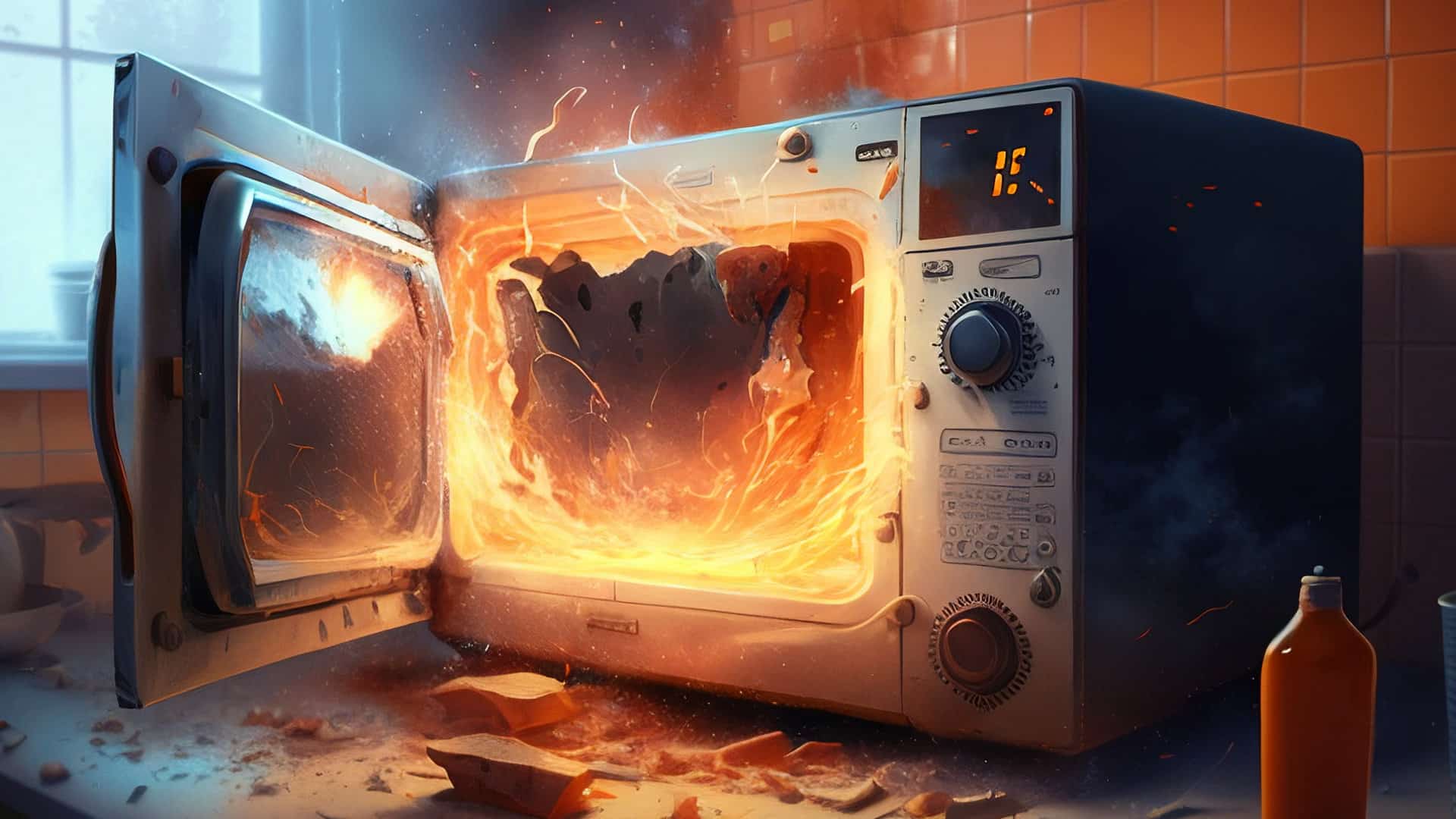
Microwaves use electromagnetic waves to heat food. These waves excite water molecules, creating heat. Some foods contain minerals and metals that react differently. Tiny metal bits or minerals can cause electric sparks. Sparks appear when electricity jumps between metal particles or surfaces. This sparks can damage the microwave or start a fire.
Fruits And Vegetables Effects
Certain fruits and vegetables can cause sparks too. This happens when they have small metal particles or high mineral content. For example, grapes may spark because of their shape and juice. The juice can create tiny arcs of electricity inside the microwave. Other vegetables with tough skins or metallic coatings can also spark. Always check for unusual sparking and avoid heating suspicious items.
Credit: d3appliance.com
Frequently Asked Questions
Is It Safe To Use A Microwave That Sparks?
No, do not use a microwave that sparks. Sparking indicates fire risk or damage. Stop, unplug, and inspect for metal or damage. Clean thoroughly if caused by debris. Contact a professional if sparks persist or interior damage exists. Safety is crucial to prevent hazards.
What To Do If Your Microwave Is Sparking?
Stop the microwave immediately and unplug it. Remove any metal inside. Check for damage or food buildup. Clean the interior and waveguide cover thoroughly. Do not use if sparking continues or if damage exists. Contact a professional if unsure or unable to fix the issue safely.
Why Is My Microwave Sparking With No Metal Inside?
Microwave sparking without metal often results from food residue, damaged waveguide cover, or chipped paint inside. Clean the interior thoroughly and inspect for damage. Stop use immediately and unplug. If sparks persist after cleaning, contact a professional to avoid fire hazards.
How Can You Tell If A Microwave Is Going Bad?
Signs a microwave is going bad include sparking, unusual noises, uneven heating, or failure to start. Frequent sparking or burning smells indicate damage. If buttons don’t respond or the turntable stops, it may need repair or replacement.
Why Does My Microwave Spark During Use?
Microwaves spark due to metal objects, damaged interior, or food buildup inside.
Conclusion
Sparking in a microwave is a serious warning sign. Stop using it immediately to avoid fire risks. Always unplug the appliance before checking inside. Remove any metal objects causing sparks. Clean food residue or debris that might cause problems. If damage is visible, avoid using the microwave.
Proper care helps keep your microwave safe and working well. Regular checks and cleaning prevent sparking issues. Stay cautious and protect your home from hazards.