
Is your circuit breaker acting up and you’re not sure if it’s the problem? A bad circuit breaker can cause frequent power outages, flickering lights, or even pose serious safety risks in your home.
Knowing how to tell if a circuit breaker is bad can save you time, money, and stress. In this guide, you’ll learn simple, clear steps to spot the signs of a faulty breaker and how to test it safely. Whether you want to handle it yourself or know when to call a pro, this article will give you the confidence to protect your home’s electrical system.
Keep reading to find out exactly what to look for and how to act before a small issue turns into a big problem.
Signs Of A Bad Breaker
Recognizing the signs of a bad circuit breaker is important for home safety. A faulty breaker can cause power issues or even fires. Knowing these signs helps you act quickly and avoid hazards. Here are some common signs to watch for.
Physical Damage
Look closely at the breaker for cracks or burn marks. Melting or discoloration shows it might be bad. Damaged breakers often fail to work properly. Never ignore visible damage as it signals danger.
Frequent Tripping
A breaker that trips often without heavy electrical use is suspicious. This means it may not handle normal loads anymore. Frequent trips can disrupt your power and suggest internal faults. Keep track of how often the breaker trips.
Burning Smell
A burning odor near the breaker panel is a serious warning. It usually means overheating or electrical short circuits. This smell should never be ignored. Turn off the power and inspect the breaker immediately.
Mushy Handle
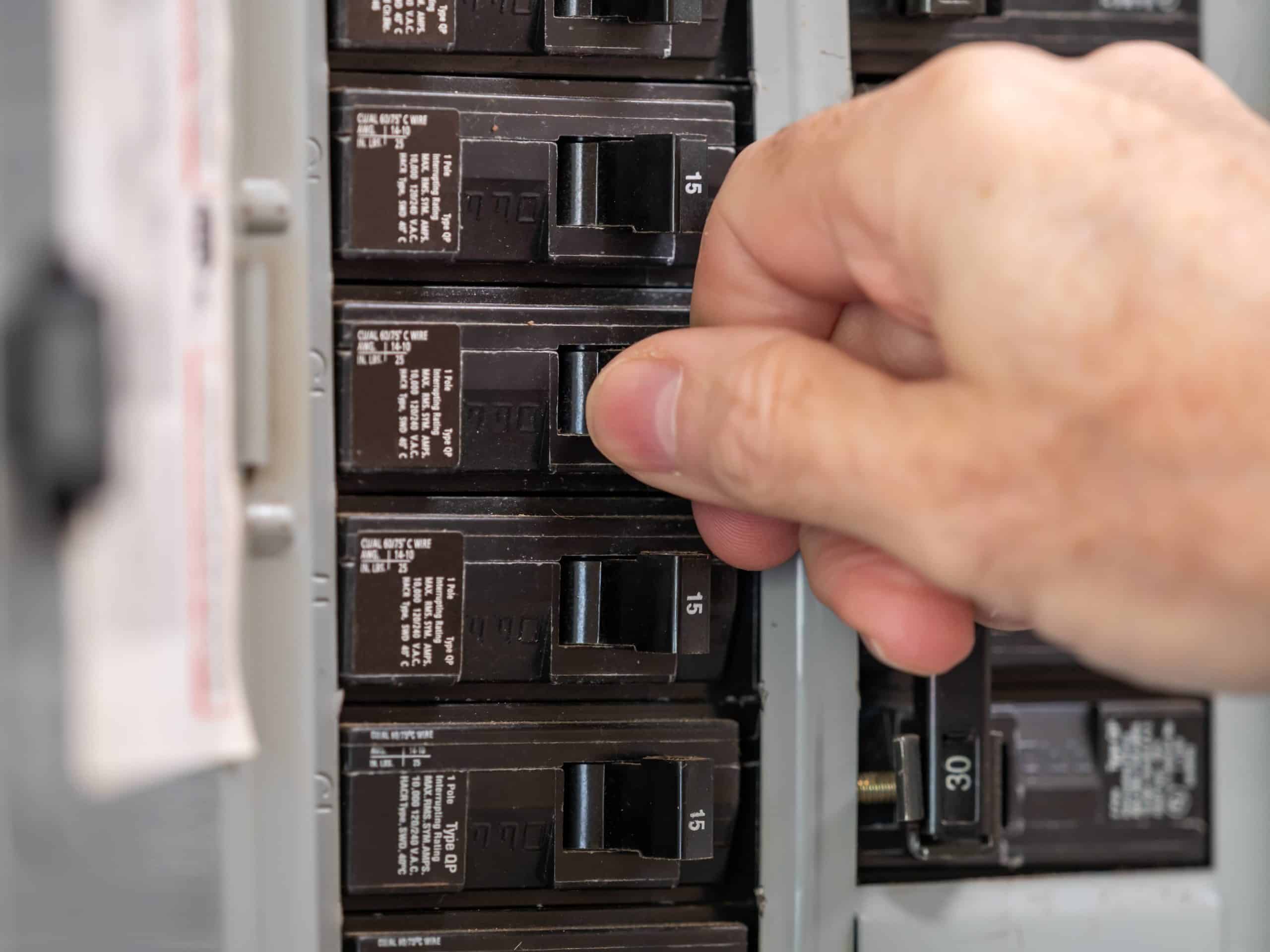
The breaker handle should move firmly and click into place. A mushy or loose handle shows wear or internal damage. This weak handle may prevent the breaker from working correctly. Test the handle by turning it on and off gently.

Credit: www.youtube.com
Safety Precautions
Handling circuit breakers requires care. Safety precautions protect you from electric shock and injury. Follow steps carefully before testing or replacing a breaker. Understanding these safety rules keeps your home safe.
Power Shutdown
Always turn off the main power before working on any breaker. This stops electricity flow and lowers risk of shock. Use the main breaker switch to cut power to the whole panel. Verify the power is off by testing with a voltage tester.
When To Call A Professional
Call an electrician if you feel unsure or unsafe. Complex electrical issues can be dangerous. Professionals have tools and knowledge to handle problems safely. Do not try to fix wiring or breakers beyond simple reset tests. Protect yourself by seeking expert help.
Using Protective Gear
Wear insulated gloves and safety glasses while working on breakers. Use rubber-soled shoes to reduce shock risk. Avoid metal jewelry or watches that conduct electricity. Protective gear adds a layer of safety during inspections or repairs.
Visual Inspection Steps
Visual inspection is the first step in identifying a bad circuit breaker. It helps spot obvious problems before using tools or testing devices. A careful look can reveal signs of damage that affect performance and safety. Always ensure the power is off before starting your inspection to avoid any risk of electrical shock.
Check For Scorch Marks
Scorch marks on or near the breaker indicate overheating or electrical faults. These dark or burnt spots show the breaker has been under stress. Such damage can cause the breaker to fail or trip frequently. Look closely at the breaker’s surface and surrounding panel area for these marks.
Test The Breaker Handle
The breaker handle should move smoothly and click into place firmly. A handle that feels loose or mushy can mean the breaker is worn out. Try switching it off and on several times. If it does not reset properly or moves without resistance, the breaker may be bad.
Look For Melting Or Arcing
Melting plastic or signs of arcing inside the panel are serious issues. These appear as melted parts or blackened areas around the breaker connection points. Arcing can cause sparks, damage, and fire hazards. Such visible damage means the breaker must be replaced immediately.
Testing Without Tools
Testing a circuit breaker without tools is possible with simple methods. These steps help you identify common problems safely. No special equipment needed. Just careful observation and basic actions.
Resetting The Breaker
First, locate the breaker panel and open the cover carefully. Find the breaker you want to test. If it is in the “off” or middle position, switch it fully off. Then, flip it firmly back to the “on” position.
If the breaker immediately trips or won’t stay on, it may be bad. Sometimes, breakers trip due to a temporary overload. Resetting helps check if it will hold power. Repeat the reset once or twice to be sure.
Using The Test Button On Afci/gfci
Some circuit breakers have a test button. This is common on AFCI (Arc Fault Circuit Interrupter) and GFCI (Ground Fault Circuit Interrupter) breakers. Press the test button firmly.
A good breaker will trip and switch to the “off” position. This shows the breaker’s internal safety mechanism works. If it does not trip, the breaker may be faulty and need replacement.
Using A Multimeter
Using a multimeter is a reliable way to check if a circuit breaker is bad. This tool helps measure electrical values like voltage and continuity. Testing with a multimeter gives clear results that show if the breaker works properly or not. Always follow safety steps and turn off power before testing.
Measuring Ac Voltage
Set your multimeter to the AC voltage setting. This setting usually shows as “V~” on the dial. Touch one probe to the breaker’s terminal screw. Place the other probe on the neutral bar or ground. A healthy breaker should show voltage close to your home’s supply, around 120 volts.
Voltage Test Procedure
Turn off the main power before opening the breaker panel. Remove the panel cover carefully. Turn the breaker on. Place one probe on the breaker terminal. Place the other probe on the neutral or ground bus bar. Read the multimeter display. No voltage or very low reading means the breaker might be bad.
Continuity Test Procedure
Switch off the main power and remove the breaker from the panel. Set the multimeter to continuity mode, often marked with a sound wave symbol. Touch both probes to the breaker’s terminals. A beep or zero resistance reading means the breaker is good. No beep or infinite resistance suggests the breaker is faulty.
Swapping Breakers To Confirm
Swapping breakers is a practical way to check if a circuit breaker is bad. It involves replacing the suspect breaker with a known good one. This swap helps confirm if the breaker itself causes the problem or if the issue lies elsewhere in the circuit.
Before starting, ensure the power is off to avoid electric shock. Only swap breakers that are the same type and rating. This method is simple and effective for diagnosing breaker problems without special tools.
Identifying An Identical Breaker
Find a breaker that matches the one you want to test. Check the amperage rating and the breaker style carefully. Both breakers must fit the panel and handle the same load. Using a breaker with different specs can cause damage or be unsafe. The label on the breaker usually shows the required information.
Testing Circuit Functionality After Swap
After swapping the breakers, turn the power back on. Test the circuit by turning on devices or appliances connected to it. If the circuit works fine, the original breaker is likely bad. If the problem remains, the issue may be in the wiring or devices. Always observe safety rules while testing and avoid touching live parts.
Common Mistakes To Avoid
Identifying a bad circuit breaker requires careful steps. Many people make errors that lead to wrong conclusions or unsafe situations. Avoiding common mistakes helps ensure accurate testing and safety. Focus on these key pitfalls to keep the process smooth and secure.
Ignoring Safety
Safety is the top priority when checking a circuit breaker. Never work on live circuits without turning off power. Use insulated tools and wear protective gear. Avoid rushing or guessing. Electrical work can cause shocks or fires if done carelessly. Always double-check power is off before touching anything.
Misinterpreting Test Results
Testing a breaker with a multimeter or by tripping it can be confusing. A breaker that trips quickly may seem bad but could be protecting a real problem. Sometimes a breaker tests fine but still has issues under load. Understand what each test means and watch for signs like burning smells or physical damage. Don’t assume one test tells the whole story.
Overlooking Wiring Issues
Bad wiring can mimic breaker problems. Loose connections or damaged wires cause frequent trips or power loss. Check wiring carefully before blaming the breaker. Look for signs like frayed wires, corrosion, or burnt spots. Fixing wiring faults might solve the problem without replacing the breaker. Always inspect the entire circuit, not just the breaker itself.
Credit: boggsinspect.com
Frequently Asked Questions
How Do You Test If A Circuit Breaker Is Bad?
Test a circuit breaker by inspecting for damage, checking if it trips without load, and using a multimeter for voltage or continuity. A bad breaker often trips immediately, has a mushy handle, or shows burn marks. Swap breakers to confirm faults, and call an electrician if unsure.
What Is The 80% Rule On Breakers?
The 80% rule on breakers means you should only load a breaker up to 80% of its capacity for safety. This prevents overheating and tripping. For example, a 20-amp breaker should carry a maximum continuous load of 16 amps. This ensures reliable, safe electrical performance.
Can I Replace A 15 Amp Breaker With A 20 Amp?
Do not replace a 15 amp breaker with a 20 amp one unless wiring supports 20 amps. Overloading risks fire and damage. Always match breaker size to circuit wiring and load requirements for safety and code compliance. Consult a licensed electrician if unsure.
How To Tell If A Fuse Is Blown In A Circuit Breaker?
Check the fuse visually for a broken filament or discoloration. Use a multimeter to test for continuity. No continuity means the fuse is blown.
How Do You Test If A Circuit Breaker Is Bad?
Test by checking for physical damage, tripping without load, or using a multimeter for voltage or continuity.
Conclusion
A bad circuit breaker shows clear signs you can spot. Look for burning smells, loose handles, or frequent trips. Testing with a multimeter gives a more certain answer. Always turn off power before checking breakers for safety. Do not try repairs beyond your skill level.
When unsure, a licensed electrician can help. Keeping breakers in good condition protects your home and family. Stay alert to keep electrical systems safe and working well.