
Is your refrigerator acting up, leaving your food warm or ice maker silent? You might be facing a problem with your refrigerator’s control board—the brain behind its operation.
But how do you know if this crucial part is actually bad? Identifying a faulty control board early can save you from spoiled groceries and costly repairs. You’ll learn the clear signs to watch for, simple checks you can perform yourself, and when it’s time to call in the pros.
Keep reading to take control of your fridge’s health and avoid unexpected breakdowns.

Credit: blog.upfix.com
Signs Of A Faulty Control Board
Visual inspection offers a quick way to spot problems with your refrigerator’s control board. This method helps find obvious signs of damage before testing electrical parts. It saves time and guides you on what to check next. Below are key tips to carry out a clear and effective visual check.
Locating The Control Board
The control board is usually inside the fridge’s back panel or near the compressor. Remove the access panel carefully to avoid damage. It looks like a small circuit board with wires attached. Knowing its exact place helps focus your inspection on the right part.
Identifying Burned Components
Look closely for dark spots or melted plastic on the board. Burned areas often show black or brown marks. Smell for a burnt odor which also signals damage. These signs mean overheating or short circuits, which can stop the fridge from working properly.
Checking Capacitors For Damage
Capacitors are small cylindrical parts on the board. Check if they are bulging, leaking, or cracked. Damaged capacitors lose their ability to store energy. This affects the fridge’s power supply and can cause cooling issues.
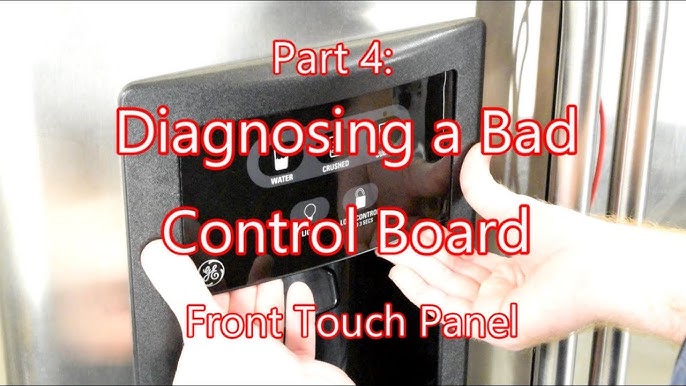
Credit: www.youtube.com
Visual Inspection Tips
Testing the control board of your refrigerator helps identify if it is faulty. The control board manages many fridge functions. A bad board causes cooling or power issues. Testing requires basic tools and careful steps. Follow the instructions below to check the control board safely.
Using A Multimeter
A multimeter measures electrical values in the control board. Set the multimeter to the correct setting for voltage or continuity. Use the probes to touch specific board points. Always turn off power before connecting the multimeter to avoid shocks. This tool helps find broken circuits or power faults.
Measuring Voltage And Continuity
Turn the refrigerator on to test voltage. Place the multimeter probes on the board’s power input terminals. The reading should match the fridge’s specified voltage. To test continuity, turn off the power. Touch probes to points that should be connected. A beep or low resistance means good continuity. No beep means a broken circuit.
Interpreting Test Results
Voltage readings below or above the norm indicate a problem. No voltage means the board might not be receiving power. Lack of continuity shows damaged wiring or components. Compare results with the refrigerator’s manual specifications. Faulty values suggest the control board needs repair or replacement. Accurate testing saves time and money.
Testing The Control Board
The control board in a refrigerator acts as its brain. It controls functions like temperature, fan speed, and compressor operation. When this board fails, the fridge stops working properly. Understanding the common causes of control board failure helps in early detection and repair.
Several factors can damage the control board. These factors often overlap and cause problems gradually. Knowing these causes can save time and money on repairs.
Power Surges And Electrical Issues
Power surges are sudden spikes in electrical voltage. These spikes can damage the delicate circuits on the control board. Frequent power outages or unstable electricity supply increase the risk. Electrical shorts or faulty wiring inside the fridge also harm the board.
Wear And Tear Over Time
Control boards have many electronic parts that wear out. Constant use causes components to degrade slowly. Heat generated inside the fridge speeds up this process. Over years, solder joints may crack and chips may fail. This natural aging leads to board malfunction.
Environmental Factors
Moisture and dust can enter the refrigerator’s control panel area. These elements cause corrosion and short circuits on the board. High humidity environments worsen the problem. Extreme temperature changes stress electronic components and cause failure.
Common Causes Of Control Board Failure
Deciding whether to repair or replace your refrigerator control board depends on several factors. Understanding these can save you money and avoid further appliance damage. This section helps you know when repair is possible and when replacement is necessary.
Assessing Repair Viability
Start by checking the control board for visible damage like burnt components. Minor issues such as loose connections or corrosion might be fixed. If the board has multiple damaged parts, repair is less likely to succeed. Consider how long the fridge has been in use. Older models may not justify repair costs due to part availability and efficiency.
Cost Considerations
Compare the cost of a new control board with the repair price. Repairs can be cheaper but may not last long. Replacement parts vary in price depending on the brand and model. Factor in labor costs if hiring a technician. Sometimes, a new control board improves fridge performance and reliability.
Professional Help Options
Technicians can diagnose the exact problem with your control board. Experts have tools to test and fix complex issues safely. Seeking professional advice helps avoid costly mistakes. They also offer warranties on repairs or new parts. Choose certified appliance repair services for best results.
Credit: www.reddit.com
Frequently Asked Questions
How Do You Know If Your Motherboard Is Bad In Your Refrigerator?
You know your refrigerator motherboard is bad if cooling stops or is inconsistent, fans and compressor fail, or multiple components malfunction. Check for burned parts or bulging capacitors. Use a multimeter to test voltage and continuity for accurate diagnosis.
How Do I Know If My Frigidaire Control Board Is Bad?
A bad Frigidaire control board causes inconsistent cooling, non-working fans, ice maker, or water dispenser. Check for burned parts or bulging capacitors. Test voltage with a multimeter to confirm faults.
What Are The Symptoms Of A Bad Control Board?
Symptoms of a bad control board include inconsistent cooling, fans not running, compressor failure, malfunctioning ice maker, and flashing warning lights. Burned components or bulging capacitors may appear on inspection. Temperature instability and multiple parts failing simultaneously also indicate control board issues.
How To Test A Control Board?
Test a control board by connecting a multimeter’s negative lead to ground and positive to power input. Power the board and check if voltage matches specifications. Also, visually inspect for burned components or bulging capacitors. Verify continuity on connected parts like thermistors for proper function.
What Are Common Signs Of A Bad Refrigerator Control Board?
Fans not working, compressor failure, and erratic temperature control show board problems.
Conclusion
A bad refrigerator control board shows clear signs you can spot. Look for inconsistent cooling or a fridge that won’t start. Watch for fans that don’t run or run unevenly. Check if the ice maker or water dispenser stops working.
Burn marks on the board also signal trouble. Fixing or replacing the control board can restore your fridge’s function. Acting early saves money and prevents food spoilage. Knowing these signs helps keep your refrigerator running smoothly. Don’t ignore the symptoms; your fridge depends on a good control board.