
Is your refrigerator not cooling like it used to? You might be facing a problem with your compressor.
But how do you know if the refrigerator compressor is bad? Identifying this issue early can save you from spoiled food and unexpected repair costs. You’ll learn the key signs to watch for, simple tests you can try, and what steps to take next.
Keep reading to protect your fridge and avoid costly surprises!
Signs Of A Bad Compressor
The compressor is the heart of a refrigerator. It keeps the fridge and freezer cold by circulating refrigerant. When the compressor starts to fail, the refrigerator shows clear signs. Recognizing these signs early can save your food and avoid costly repairs.
Inadequate Cooling
The fridge stops cooling properly. Food and drinks may spoil quickly. Even setting the thermostat to the coldest may not help. This is a key sign the compressor is weak or broken.
Strange Noises
You hear loud humming, clicking, or buzzing sounds. These noises come from the compressor trying to run but struggling. Unusual sounds often indicate internal damage or electrical problems.
High Energy Bills
The compressor uses more electricity than usual. A bad compressor works harder to cool the fridge. This extra effort increases your power bill without better cooling results.
Compressor Overheating
The compressor feels very hot to touch. Overheating shows the motor inside is stressed or worn out. Heat can cause further damage and stop the compressor from working.
Frequent Cycling
The refrigerator turns on and off more often than normal. This frequent cycling means the compressor cannot maintain a steady temperature. It tries repeatedly to cool, but fails to keep the fridge cold.
Credit: www.youtube.com
Testing The Compressor
Testing the refrigerator compressor helps identify if it is working correctly. This step is vital before deciding on repairs or replacements. Simple tools and tests can reveal the compressor’s condition effectively. Below are key methods to test your compressor safely and accurately.
Using A Multimeter
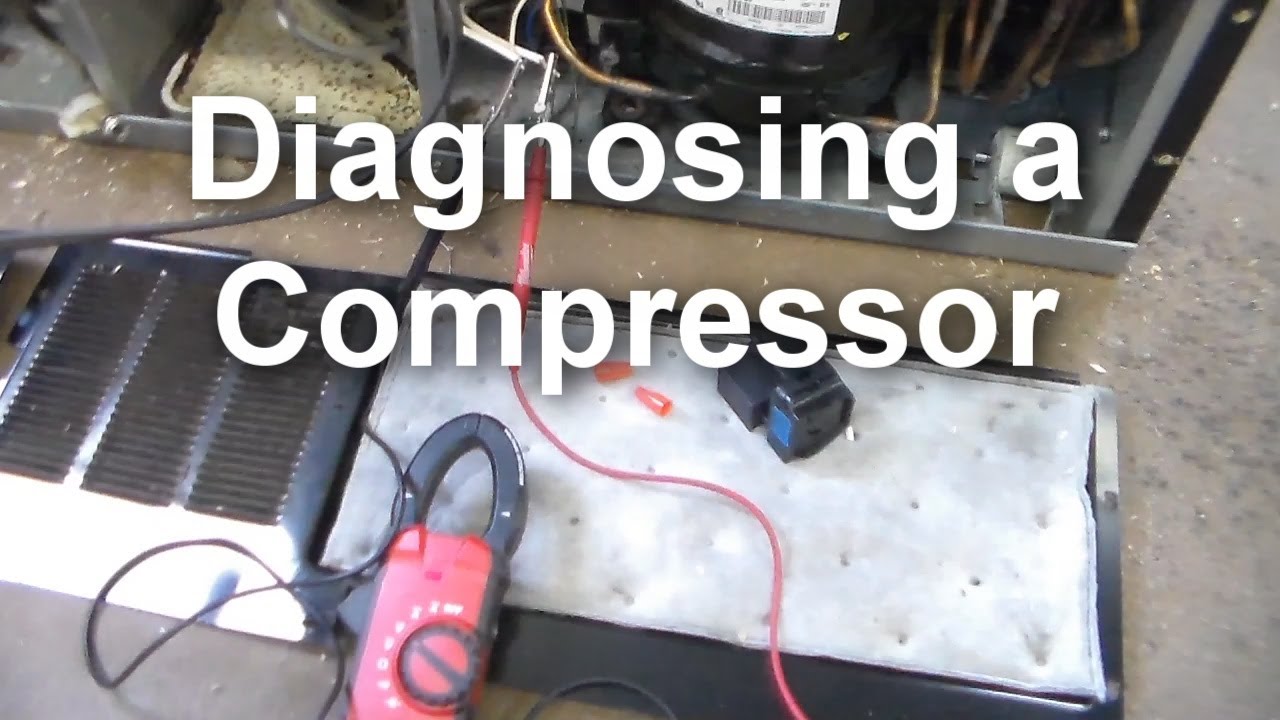
A multimeter measures electrical values like voltage and resistance. Set it to the ohms (Ω) setting to check compressor terminals. Unplug the fridge before testing to avoid electric shock. Touch the multimeter probes to the compressor’s terminals. You will get readings that show if the compressor circuits are intact.
Checking Compressor Windings
Compressor windings are coils inside that help the motor run. Test them by measuring resistance between terminals. Each winding should have a specific resistance value. Check for very high or zero resistance, which means damage. Also, test for shorts by checking resistance to the compressor body. Any reading other than infinite means a short circuit.
Performing A Resistance Test
The resistance test confirms the compressor’s internal wiring health. Measure resistance between start, run, and common terminals. Compare readings to the manufacturer’s specifications. Large differences indicate a bad compressor. This test helps find open circuits or shorted windings inside the compressor.
Jumpstarting The Compressor
Jumpstarting helps the compressor start if the start relay fails. Disconnect power and remove the start relay. Use a jumper wire to connect the start and run terminals briefly. This forces the compressor motor to start. If it runs smoothly, the compressor is likely fine. If it does not start, the compressor may be faulty and need replacement.
Common Causes Of Compressor Failure
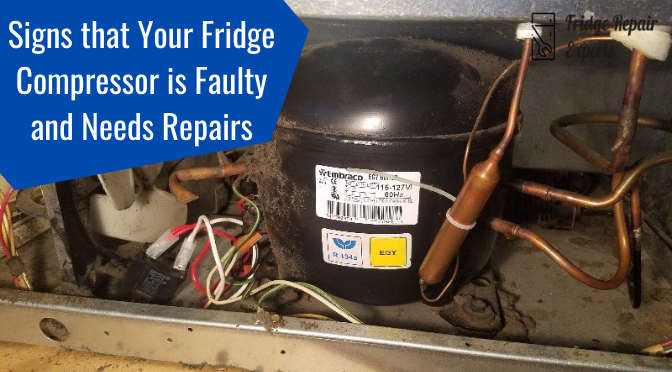
The compressor is the heart of your refrigerator. It keeps the fridge cold by circulating refrigerant. Compressor failure stops this process and causes your food to spoil. Understanding what causes the compressor to fail helps you spot problems early. Here are the common causes of compressor failure.
Electrical Issues
Electrical problems are a top cause of compressor failure. Faulty wiring or a bad start relay can stop the compressor from running. Power surges can damage the compressor’s motor windings. A worn-out capacitor may also prevent the compressor from starting. Regularly checking electrical parts reduces risk of damage.
Overheating Problems
Overheating strains the compressor and shortens its life. Poor ventilation blocks airflow around the compressor. Dirty condenser coils force the compressor to work harder. High ambient temperatures raise compressor heat levels. Over time, excess heat causes the compressor to fail.
Mechanical Wear And Tear
Mechanical parts inside the compressor wear out over time. Bearings and valves can break or seize. Lack of lubrication increases friction and damage. Continuous running without breaks stresses the compressor. Normal use eventually leads to mechanical failure.
Credit: fridgerepairexperts.com.au
Troubleshooting Steps
Troubleshooting a refrigerator compressor involves several careful checks. These steps help identify if the compressor is bad or if another issue is causing the problem. Start with simple inspections before considering costly repairs or replacements. This approach saves time and money while ensuring your fridge works properly.
Inspecting The Condenser Fan
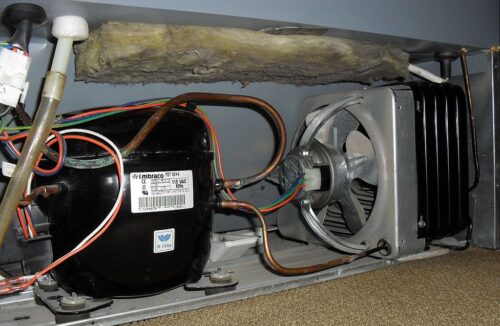
The condenser fan cools the compressor and coils. Check if the fan blades spin freely and are not blocked by dust or debris. Listen for unusual noises that might signal a failing fan motor. A non-working fan can cause the compressor to overheat and fail.
Turn off the fridge and unplug it. Remove the back panel to access the fan. Clean the fan blades gently using a soft brush or cloth. After cleaning, plug the fridge back in and observe the fan’s operation.
Checking Electrical Components
Electrical parts like the start relay and capacitor support the compressor’s function. A faulty relay or capacitor can prevent the compressor from starting or cause it to run poorly. Unplug the refrigerator before testing these components to avoid shock.
Remove the start relay from the compressor. Check for signs of burning or damage. Use a multimeter to test the relay and capacitor’s continuity. Replace any parts that fail the test to restore proper compressor operation.
Verifying Temperature Settings
Incorrect temperature settings can mimic compressor problems. Ensure the fridge and freezer controls are set to the recommended levels. Usually, the fridge should be around 37°F (3°C) and the freezer at 0°F (-18°C).
Sometimes, accidental changes cause poor cooling. Reset the thermostat to the correct temperature and wait at least 24 hours. This allows the fridge to stabilize and show if the compressor functions well at proper settings.
When To Call A Professional
Knowing when to call a professional for a bad refrigerator compressor saves time and money. Some signs need expert diagnosis and repair to avoid further damage. Attempting repairs without skills can worsen the issue or void warranties. A professional ensures the problem is fixed correctly and safely.
Assessing Repair Costs
Repairing a compressor can be costly. The price depends on the refrigerator model and parts availability. Labor fees also affect the total cost. Getting a professional estimate helps you understand the expense before deciding. Some repairs might cost nearly as much as a new fridge.
Evaluating Refrigerator Age And Condition
Older refrigerators often face more frequent issues. If your fridge is over ten years old, repairs may not extend its life much. Consider the overall condition, such as wear and other failing parts. A professional can evaluate if repairing the compressor is worth it based on age and condition.
Deciding Between Repair And Replacement
Choosing repair or replacement depends on cost and fridge age. Repair may be better for newer models with minor issues. Replacement makes sense if repair costs exceed half the fridge price or if the fridge is very old. A technician can guide you to the best choice for your situation.
Credit: 5staraz.com
Preventing Compressor Problems
Preventing compressor problems extends your refrigerator’s life and saves money. A few simple habits keep the compressor working well. These steps help avoid costly repairs and food spoilage. Focus on regular care and smart use to maintain good cooling performance.
Regular Maintenance Tips
Check your refrigerator regularly for any signs of trouble. Listen for unusual noises or frequent cycling. Clean the door seals to keep cold air inside. Replace worn-out parts promptly to avoid strain on the compressor. Set the thermostat to the right temperature, usually between 37°F and 40°F. Avoid overloading the fridge, which makes the compressor work harder. Regular maintenance reduces wear and tear on the compressor.
Keeping The Coils Clean
Dirty coils make the compressor overheat and fail faster. Dust and debris block airflow around the coils. Clean the condenser coils at least twice a year. Unplug the refrigerator first for safety. Use a coil brush or vacuum to remove dust gently. Clean coils help the compressor run smoothly and use less energy. This simple step prevents many common compressor problems.
Ensuring Proper Ventilation
Ventilation keeps the compressor cool and efficient. Leave space around the refrigerator for air to flow freely. Avoid pushing the fridge too close to walls or cabinets. Check the vents and fans for blockages. Good airflow prevents overheating, reducing compressor stress. Proper ventilation supports steady cooling and extends compressor life.
Frequently Asked Questions
How Do You Diagnose A Bad Refrigerator Compressor?
Test the compressor terminals for continuity with a multimeter. Listen for unusual noises and check if the fridge cools properly. Overheating or frequent cycling also indicate compressor issues.
What Happens In A Fridge When The Compressor Fails?
When a fridge compressor fails, cooling stops, causing food spoilage. The compressor may overheat, make strange noises, and increase energy use. The fridge cycles on and off frequently, unable to maintain temperature. This usually requires professional repair or replacement.
How Do I Reset A Refrigerator Compressor?
To reset a refrigerator compressor, unplug the fridge for 5 minutes. Plug it back in and allow it to restart. This clears minor errors and restarts the compressor safely.
What Does A Bad Compressor On A Refrigerator Sound Like?
A bad refrigerator compressor often sounds loud clicking, buzzing, or rattling noises. It may run constantly or cycle frequently, indicating failure.
How Can I Tell If My Refrigerator Compressor Is Failing?
A failing compressor causes poor cooling, strange noises, and frequent on/off cycling.
Conclusion
A bad refrigerator compressor shows clear warning signs. The fridge stops cooling properly. Strange noises may come from the unit. You might notice higher energy bills. The compressor can feel very hot. Frequent turning on and off is common. Catch these signs early to avoid food spoilage.
Testing the compressor helps confirm the problem. Acting quickly can save time and money. Keep your refrigerator running smoothly by staying alert.