
Is your GE Cafe refrigerator not keeping your food as fresh as it should? You’re not alone.
Many owners face common problems like cooling failures or ice maker issues that disrupt daily life. Imagine opening your fridge only to find it warm inside or your ice maker refusing to produce ice when you need it most. These problems can be frustrating, but understanding why they happen and how to fix them can save you time, money, and stress.
You’ll discover the typical GE Cafe refrigerator problems and simple, effective ways to troubleshoot them—so your fridge works smoothly again and keeps your food perfectly chilled. Keep reading to take control of your fridge’s health today!
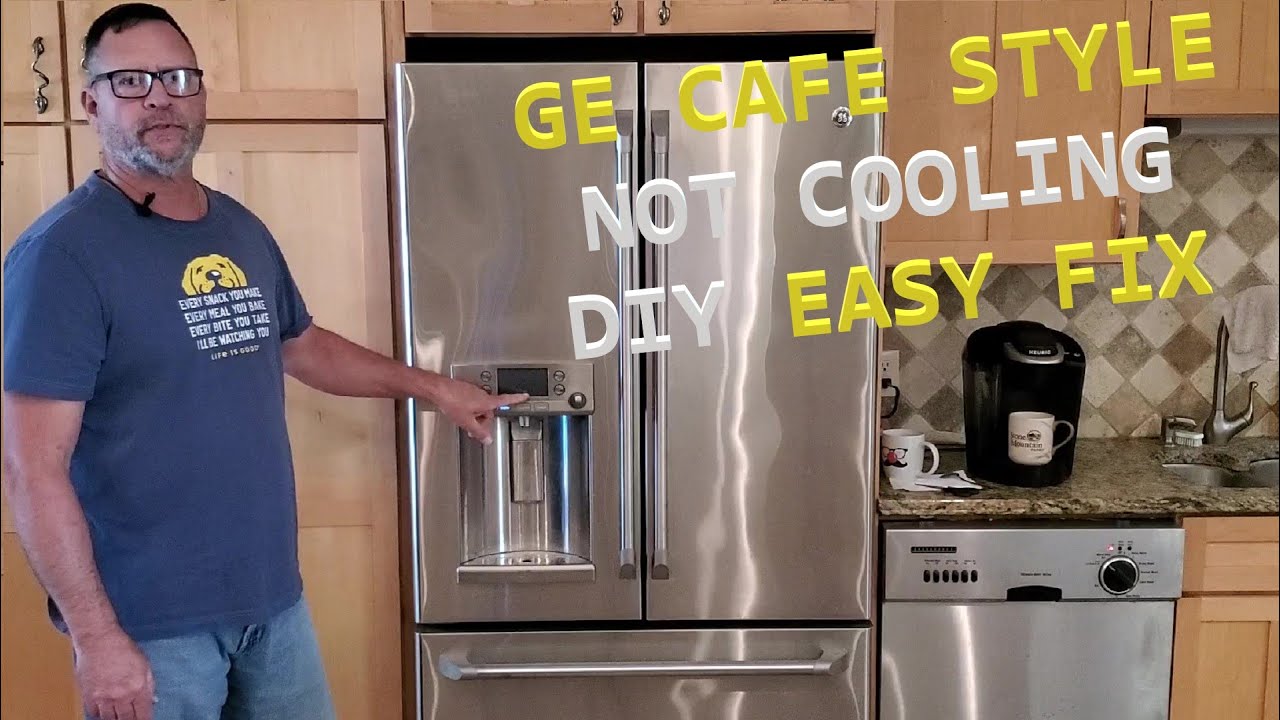
Credit: www.youtube.com
Cooling Problems
Cooling problems are the most common issue with GE Cafe refrigerators. These problems stop the fridge from keeping food fresh and safe. Several parts can cause poor cooling. Understanding these parts helps in fixing the issue faster. Below are some common causes of cooling problems in GE Cafe refrigerators.
Defrost System Failure
The defrost system stops frost build-up on the evaporator coils. If it fails, frost covers the coils. This frost blocks cold air from moving inside the fridge. The fridge then can’t cool well. To fix this, you might need to replace the defrost heater. Unplug the fridge and melt the frost with a hairdryer for a quick fix.
Evaporator Fan Issues
The evaporator fan moves cold air throughout the fridge. If the fan stops working, the freezer stays cold but the fridge section warms up. Sometimes ice or dirt blocks the fan. Cleaning or removing blockages might help. If the fan motor is broken, it needs replacement to restore cooling.
Dirty Condenser Coils
Condenser coils release heat from the fridge. Dust and dirt can cover these coils. When dirty, the fridge works harder to cool. This lowers cooling efficiency. Clean the coils regularly using a brush or vacuum. This simple step improves cooling and saves energy.
Compressor And Refrigerant Troubles
The compressor pumps refrigerant to cool the fridge. If the compressor fails, cooling stops completely. Low refrigerant levels also reduce cooling power. Compressor repair or refrigerant recharge requires a professional. Ignoring these issues can lead to more damage and costly repairs.

Credit: www.reddit.com
Ice Maker Troubles
The ice maker in a GE Cafe refrigerator can face several problems that stop it from working properly. These issues affect ice production and quality. Understanding common ice maker troubles helps in spotting the cause quickly and fixing it.
Water Supply Blockages
Water supply blockages stop water from reaching the ice maker. The water line may get pinched or bent, cutting off water flow. Dirt or mineral buildup inside the water inlet valve can also block water. Without water, the ice maker cannot produce ice. Check the water line for any kinks or damage. Clean or replace parts as needed to restore water flow.
Frozen Water Lines
Frozen water lines inside the freezer stop water from moving to the ice maker. Cold temperatures cause water to freeze in the narrow tubes. This blockage prevents ice from being made. Thaw the frozen lines by turning off the refrigerator or using a hairdryer on low heat. Keep the freezer at the right temperature to avoid future freezing.
Clogged Filters
Water filters remove impurities but can get clogged over time. A clogged filter reduces water pressure to the ice maker. This leads to slow or no ice production. Replace the filter every six months or as recommended. Using a fresh filter ensures a steady water flow and clean ice.
Faulty Sensors
Sensors control the ice maker’s operations, including stopping ice production when the bin is full. A broken sensor may cause the ice maker to stop working or overfill. Test the sensor with a multimeter to check for faults. Replace faulty sensors to keep the ice maker running smoothly.
Door And Seal Issues
The door and seal on a GE Cafe refrigerator play a key role in keeping the appliance working well. Problems with the door or its seal can cause cold air to escape. This forces the refrigerator to work harder. It leads to higher energy costs and poor cooling. Understanding these issues helps you spot and fix them early.
Worn Door Seals
Door seals, also called gaskets, are rubber strips around the fridge door. They keep cold air inside and warm air out. Over time, these seals can crack, tear, or become loose. A worn door seal creates gaps. Cold air leaks through these gaps. This makes the fridge less efficient.
Worn seals often show visible damage. You might see cracks or parts that no longer stick to the fridge. Sometimes, the door won’t close tightly. This problem is common in older refrigerators or those opened frequently.
Air Leakage Effects
Air leakage from door seal issues causes several problems. The fridge struggles to keep food cold. This leads to uneven cooling inside the compartments. Food may spoil faster than usual.
The refrigerator runs more often to maintain the set temperature. This increases electricity use and raises your bills. Continuous running can also shorten the life of the fridge’s compressor. Moisture can build up inside the fridge. It may cause frost or ice to form where it should not be. This buildup further reduces efficiency and can damage parts.
Electrical Component Faults
Electrical component faults are common causes of GE Cafe refrigerator problems. These faults affect the appliance’s ability to cool and operate efficiently. Understanding the key electrical parts helps in diagnosing issues faster. Many problems stem from components that control power and temperature. Replacing or repairing these parts often restores normal function.
Compressor Start Relay Failures
The compressor start relay helps the compressor run smoothly. If it fails, the compressor may not start at all. This leads to the refrigerator not cooling properly. A clicking sound or no sound from the compressor can indicate relay failure. Testing the relay with a multimeter can confirm the issue. Replacing a faulty relay is usually a simple fix.
Control Board Malfunctions
The control board manages all electronic functions of the refrigerator. A malfunctioning board can cause erratic behavior or complete shutdown. Common signs include random temperature changes or lights flickering. Moisture or power surges often damage the control board. Repair requires professional diagnosis and sometimes board replacement. Keeping the control board dry helps prevent problems.
Thermostat Problems
The thermostat regulates the fridge temperature by turning the compressor on and off. A broken thermostat may cause the fridge to overcool or stop cooling. Symptoms include frost buildup or warm food. Testing the thermostat involves checking its continuity with a tool. Replacing a bad thermostat restores proper temperature control. Simple adjustments may also fix minor thermostat issues.
Basic Troubleshooting Tips
Basic troubleshooting helps fix common GE Cafe refrigerator problems. Simple checks and care often solve many issues. Following easy steps can save time and money.
Checking Temperature Settings
First, check the refrigerator’s temperature settings. The ideal fridge temperature is between 37°F and 40°F. The freezer should be set at 0°F. Incorrect settings can cause poor cooling or freezing problems. Adjust the settings using the control panel. Wait 24 hours to see if the temperature stabilizes. If the fridge still does not cool properly, proceed to other checks.
Cleaning And Maintenance
Dirt and dust can block airflow and reduce cooling. Clean the condenser coils at least twice a year. Unplug the refrigerator before cleaning. Use a brush or vacuum to remove dust from coils. Also, check door seals for cracks or dirt. Clean seals with warm, soapy water. Tight seals keep cold air inside and save energy.
Filter Replacement
A clogged water filter can cause ice maker and water dispenser issues. Replace the water filter every six months or as recommended. Locate the filter inside the fridge or at the base. Turn off the water supply before removing the old filter. Install the new filter firmly and flush water for a few minutes. This keeps water fresh and ice cubes clear.
When To Call A Professional
Knowing when to call a professional for your GE Cafe refrigerator can save you time and money. Some problems look simple but hide complex issues. Trying to fix these on your own might cause more damage. A trained technician has the skills and tools needed for a proper repair. They can ensure your fridge works safely and efficiently again.
Certain repairs require special knowledge. These include diagnosing complex problems, replacing sensors, and fixing the compressor. Each task demands experience and care. Here are key signs that you should seek professional help.
Diagnosing Complex Issues
Some refrigerator problems are not easy to spot. A fridge might not cool well due to many possible reasons. Faulty control boards, electrical faults, or hidden leaks can cause trouble. Professionals use diagnostic tools to find the exact cause quickly. This avoids guesswork and saves repair time.
Sensor Replacement
Sensors control many fridge functions like temperature and ice-making. A broken sensor can stop the fridge from working right. Replacing sensors requires special skills. A technician knows how to handle delicate parts carefully. They ensure the new sensor fits and works perfectly.
Compressor Repair
The compressor is the heart of your refrigerator’s cooling system. If it fails, the fridge will not cool at all. Repairing or replacing a compressor is a complex job. It involves handling refrigerants and electrical parts safely. Only a licensed professional should perform compressor repairs to avoid risks.
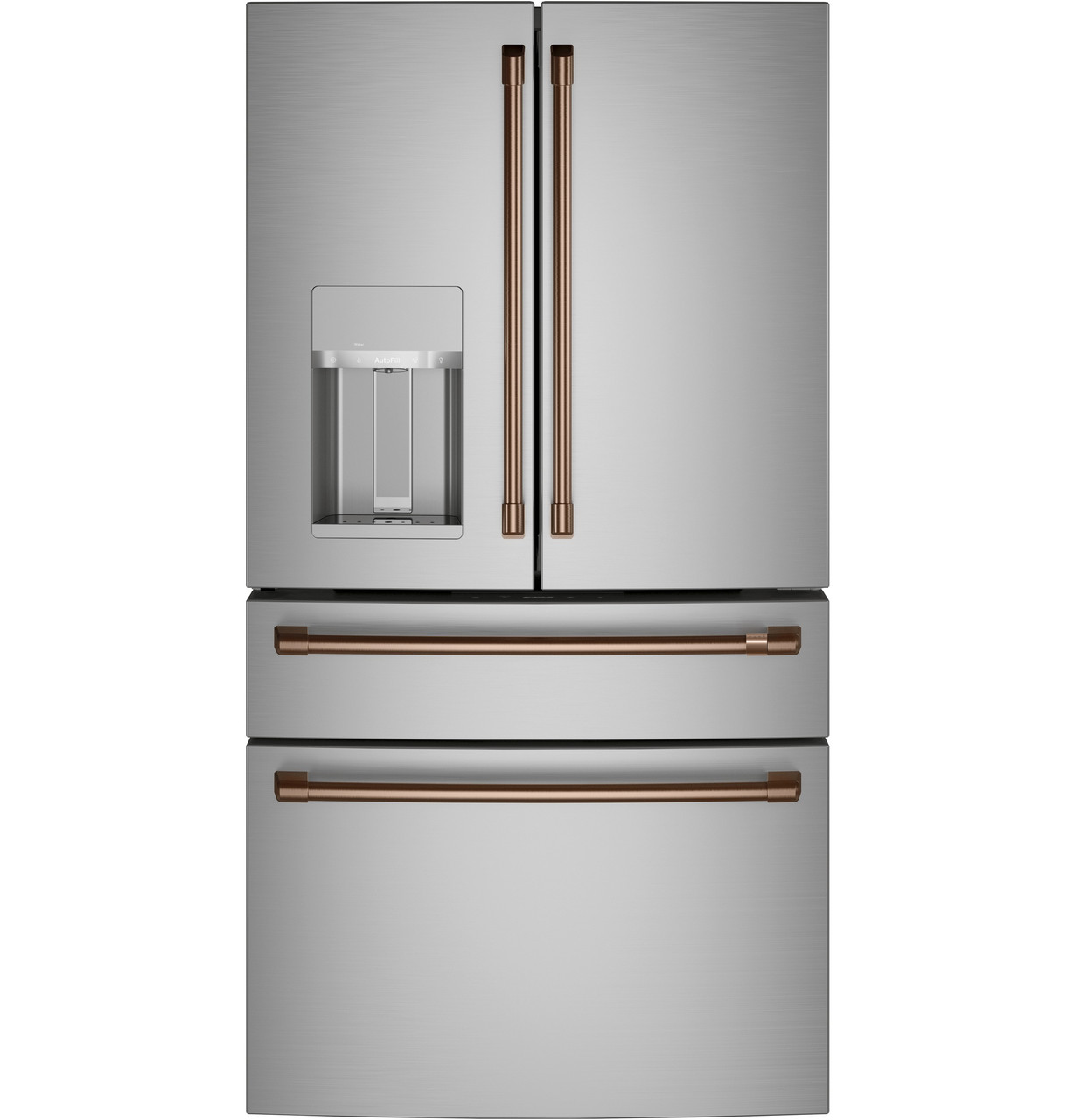
Credit: www.cafeappliances.com
Frequently Asked Questions
What Is The Most Common Problem With Ge Refrigerators?
The most common problem with GE refrigerators is cooling failure due to a clogged defrost system, faulty evaporator fan, or dirty condenser coils.
What Models Of Ge Refrigerators Are Being Recalled?
GE is recalling select models of GE Café and Profile refrigerators manufactured between 2016 and 2022. Check your model number on GE’s official recall website.
What Is The Life Expectancy Of A Ge Cafe Refrigerator?
The life expectancy of a GE Cafe refrigerator is typically 10 to 15 years with proper maintenance. Regular cleaning and timely repairs extend its lifespan.
How To Reset Ge Cafe Refrigerator?
To reset a GE Cafe refrigerator, unplug it for five minutes. Plug it back in, then press and hold the reset button or control panel key. Check the user manual for specific model instructions. This resets the control board and clears minor errors.
What Causes Ge Cafe Refrigerator Cooling Problems?
Cooling issues often stem from a clogged defrost system, faulty evaporator fan, or dirty condenser coils.
Conclusion
GE Cafe refrigerators can face several common problems like cooling failures and ice maker issues. Simple fixes, such as cleaning coils or checking water lines, often help. Some issues need expert help, especially with sensors or compressors. Regular maintenance improves performance and extends refrigerator life.
Understanding these problems makes troubleshooting easier and saves time. Keep your fridge running smoothly with timely care and attention.