
Is your electric oven on, but it just won’t heat up? You’re not alone, and it can be incredibly frustrating when your oven refuses to warm up, especially when you have meals to prepare.
But don’t worry—this problem often has simple causes that you can check yourself before calling a repair service. From a tripped circuit breaker to a faulty heating element, understanding what might be wrong with your oven is the first step to getting it back to perfect cooking temperature.
Keep reading, and you’ll learn easy ways to troubleshoot your electric oven not heating up, so you can fix it faster and get back to cooking with confidence.
Check Power Supply
When an electric oven fails to heat up, the power supply is often the first place to check. A stable and proper electrical connection is essential for the oven to function correctly. Problems with power can stop the heating elements from working, leaving your oven cold.
Before diving into complex repairs, ensure the oven is receiving the right amount of electricity. Simple fixes can often restore heat without professional help.
Reset Circuit Breaker
Locate your home’s electrical panel and find the breaker for the oven. Sometimes, the breaker trips due to a power surge or overload. Flipping the switch off and then back on can reset it. This action restores power to your oven. After resetting, test the oven to see if it heats up.
Inspect Power Cord And Outlet
Check the power cord for any visible damage or wear. A frayed or broken cord can prevent electricity from reaching the oven. Also, ensure the cord is plugged in securely. Examine the outlet for any signs of damage or burning. Try plugging another device into the same outlet to confirm it works. If the outlet is faulty, it may need professional repair.

Credit: www.youtube.com
Examine Heating Elements
Electric ovens rely on heating elements to produce the heat needed for cooking. These elements convert electricity into heat. If your oven is not heating up, the heating elements might be the problem. Examining these parts can help you find the issue quickly. Understanding how to test and replace them saves time and money.
Heating elements come in two types: bake and broil. Both must work properly for the oven to heat as expected. Checking each one can pinpoint the exact cause of the problem. This section guides you through testing and replacing these elements safely.
Test Bake Element
The bake element is at the bottom of the oven. It heats the oven during baking. To test it, turn the oven on to the bake setting. Watch if the element glows red within a few minutes. If it stays cool or has visible damage, it likely needs replacement.
Test Broil Element
The broil element is located at the top of the oven. It provides intense heat for broiling. Turn the oven to the broil setting. Check if the broil element glows red. If it does not heat or shows cracks, it is faulty and should be replaced.
Replace Damaged Elements
Replace damaged heating elements to restore oven function. First, unplug the oven to ensure safety. Remove the screws holding the element in place. Disconnect the wires carefully and attach the new element. Secure it with screws and reconnect the power. Test the oven to confirm the fix.
Inspect Thermal Fuse
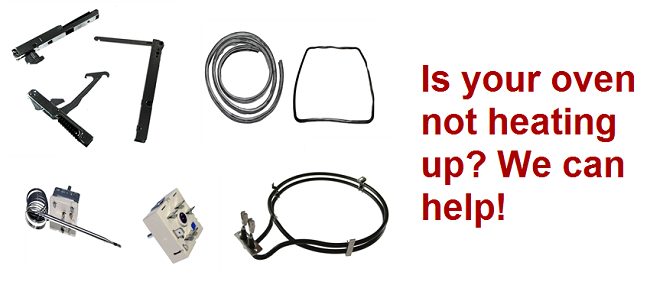
The thermal fuse is a small safety device inside your electric oven. It stops power to the heating element if the oven gets too hot. A blown thermal fuse can cause the oven not to heat at all. Checking this fuse is a key step in fixing heating problems.
Locate Thermal Fuse
Start by unplugging the oven from power. The thermal fuse is usually near the oven’s heating element. You may need to remove the back panel or access panel to find it. It looks like a small rectangular or round part with two wires attached.
Test For Continuity
Use a multimeter set to the continuity test mode. Disconnect the wires from the thermal fuse. Place the meter probes on the fuse terminals. A good fuse will show continuity, meaning the circuit is complete. No continuity means the fuse is blown and needs replacement.
Replace If Blown
Find an exact replacement fuse for your oven model. Remove the blown fuse carefully. Attach the wires to the new fuse terminals. Secure the fuse in place and reassemble the oven panels. Plug the oven back in and test if it heats properly now.
Credit: www.cookerspareparts.com
Assess Temperature Sensor
Assessing the temperature sensor helps find why your electric oven is not heating up. The sensor controls the oven’s temperature. A bad sensor can stop the oven from heating properly. Checking the sensor is a simple step to fix heating problems.
Locate Sensor
The temperature sensor usually sits inside the oven cavity. It is a thin, metal rod near the back wall. Use a flashlight to spot it. The sensor is often near the bake element. Make sure the oven is off and cool before touching.
Check Sensor Resistance
Use a multimeter to test the sensor’s resistance. Unplug the oven first. Remove the sensor’s wires carefully. Set the multimeter to the ohm setting. A working sensor shows about 1100 ohms at room temperature. Readings far from this mean the sensor is bad.
Replace Faulty Sensor
Buy a replacement sensor matching your oven model. Remove the old sensor by unscrewing it from the oven wall. Connect the new sensor’s wires securely. Screw the new sensor in place. Turn the oven back on and check if it heats correctly.
Evaluate Oven Calibration
Evaluating your electric oven’s calibration can help solve heating problems. Over time, ovens may lose accuracy, causing uneven or insufficient heat. Checking and adjusting the calibration ensures your oven reaches the right temperature every time. This step is crucial before considering costly repairs or replacements.
Identify Temperature Inaccuracy
First, test if your oven heats to the temperature shown on the dial. Use an oven thermometer for this task. Place it inside the oven and preheat to a set temperature. After 15 minutes, check the thermometer reading. Compare it to the oven’s temperature setting. If the thermometer shows a difference of more than 25 degrees Fahrenheit, your oven needs calibration.
Calibrate Oven Settings
Most electric ovens allow you to adjust the temperature settings. Locate the calibration knob or digital control panel in your oven’s manual. Adjust the temperature up or down based on the thermometer results. For example, if your oven is 30 degrees cooler, increase the setting by that amount. Repeat the test to confirm the accuracy. Proper calibration helps ensure your food cooks evenly and thoroughly.
Credit: www.youtube.com
Check Oven Door Seal
The oven door seal plays a key role in keeping heat inside the oven. A damaged or worn seal can cause heat to escape. This makes the oven less efficient and may stop it from heating properly. Checking the oven door seal is a simple step that can improve your oven’s performance quickly.
Inspect Door Gasket
Look closely at the door gasket, the rubber strip around the oven door. Check for cracks, tears, or missing pieces. Press the door closed and see if the gasket fits tightly against the oven. Gaps or damage can let heat escape. A good seal keeps the oven temperature steady and helps food cook evenly.
Replace Worn Seals
If the door gasket is worn or damaged, replacing it is easy and affordable. Buy a new gasket designed for your oven model. Remove the old gasket by pulling it out carefully. Fit the new gasket into the groove around the door. Make sure it sits evenly and seals all around. A new seal will help the oven heat up faster and keep the heat inside.
Gas Oven Components
Gas ovens rely on several key parts to heat food properly. Understanding these components helps with troubleshooting heating issues. The main parts include the igniter and safety valve. Each plays a vital role in starting and controlling the gas flame. Without them working correctly, the oven won’t heat up.
The igniter lights the gas to create heat. It must reach a high temperature to open the safety valve. The safety valve then allows gas to flow into the burner. If either part fails, the oven stays cold. Testing and inspecting these parts can identify the problem fast.
Test Igniter Function
The igniter’s job is to light the gas safely. It heats up and glows bright before the gas flows. To test it, turn on the oven and watch the igniter closely. It should glow within 30 seconds. If it does not glow or glows weakly, the igniter may be faulty.
Use a multimeter to check the igniter’s electrical resistance. A reading outside the normal range means it needs replacement. A broken igniter stops the gas from lighting, so the oven will not heat.
Inspect Safety Valve
The safety valve controls the gas flow into the burner. It opens only when the igniter is hot enough. If the valve is stuck closed, no gas reaches the flame. The oven then fails to heat.
Inspect the valve for any signs of damage or blockage. Listen for a clicking sound when the igniter glows. No sound may indicate a bad valve. Testing the valve with a multimeter can confirm if it works correctly.
Replacing a faulty safety valve restores proper gas flow. This fix often resolves heating problems in gas ovens.
When To Call A Professional
Knowing when to call a professional for your electric oven saves time and prevents damage. Simple fixes like resetting a breaker or checking the plug can be done safely at home. Complex problems need expert attention. Professionals have the tools and knowledge to handle serious issues. Calling a technician ensures your oven is fixed correctly and safely. Below are situations when you should seek professional help.
Complex Electrical Repairs
Electric ovens involve high voltage and complex wiring. Faulty wiring or damaged components can cause safety hazards. Professionals diagnose electrical issues with proper tools. Attempting repairs without experience risks electric shock or fire. Complex repairs require understanding of oven circuitry and safety protocols. A licensed technician can safely repair or replace damaged wiring and parts.
Replacing Control Board
The control board manages oven functions like temperature and timing. A faulty control board can stop the oven from heating. Replacing it involves disconnecting power and removing internal panels. Mistakes can damage other parts or cause short circuits. Professionals have access to correct replacement parts. They ensure the new board is installed and programmed correctly. This repair is best left to trained technicians for safety and reliability.
Frequently Asked Questions
How To Fix An Electric Oven That Won’t Heat Up?
Check the circuit breaker and power supply first. Inspect the heating element for damage. Replace faulty elements or sensors. Ensure the oven door seals properly. Call a professional if the oven still won’t heat after basic checks.
Why Is My Oven On But Not Getting Hot?
Your oven may not heat due to a tripped circuit breaker, faulty heating element, blown thermal fuse, or broken igniter. Check the breaker and power supply first. Electric ovens need glowing heating elements; gas ovens require a working igniter. Replace faulty parts or call a professional.
Is It Worth Replacing The Heating Element In The Oven?
Replacing the oven’s heating element is worth it if the element is faulty. It restores proper heating and saves money versus buying a new oven.
How Do You Reset An Electric Oven?
To reset an electric oven, turn off the power at the circuit breaker for one minute. Then, switch it back on. This resets the oven’s control board. If issues persist, consult the user manual or contact a professional technician.
Why Is My Electric Oven Not Heating Up?
Your oven may not heat due to a tripped breaker, faulty heating element, or blown thermal fuse.
Conclusion
Electric ovens not heating up cause kitchen frustration. Check your circuit breaker first. Make sure the oven is plugged in securely. Inspect the heating elements for visible damage or dullness. A broken element needs replacing to restore heat. Also, test the temperature sensor for proper function.
Small fixes often solve the problem quickly. If issues persist, call a professional for safety. Regular maintenance helps avoid future oven troubles. Keep your oven working well for cooking success. Simple steps can save time and money.