
Are you frustrated because your dishwashing tablets aren’t dissolving properly? You’re not alone.
When those tablets fail to break down during the wash cycle, your dishes come out dirty, and you waste time and money. But why does this happen? Is it your dishwasher, the detergent, or something else? You’ll discover simple, effective steps to fix the problem and get your dishwasher working like new again.
Keep reading to learn how to stop your dishwasher tablets from sticking around and start enjoying spotless dishes every time.
Credit: www.reddit.com
Common Causes
Dishwashing tablets not dissolving is a common dishwasher issue. Several factors cause this problem. Understanding these causes helps fix the issue quickly. Below are the most common reasons why tablets may not dissolve properly.
Dispenser Blockages
The dispenser door must open fully for tablets to release. Sometimes, large dishes or utensils block the dispenser. This stops the tablet from dropping into the wash. Dirt or detergent residue can also clog the dispenser compartment. This prevents water from reaching the tablet and dissolving it.
Check the dispenser for any blockages. Remove objects blocking the door. Clean the dispenser to remove residue. This simple step often solves the problem.
Spray Arm Obstructions
Spray arms deliver water to dissolve tablets. If spray arms cannot spin freely, water flow reduces. Food particles or hard water deposits can clog the spray holes. This limits water pressure and coverage inside the dishwasher.
Inspect the spray arms for obstructions. Clear any debris stuck in the holes. Make sure the arms rotate without resistance. Proper water flow is essential for tablet dissolution.
Low Water Temperature
Water temperature affects how well tablets dissolve. Tablets dissolve best in hot water, usually above 120°F (49°C). Cold or lukewarm water can leave tablets intact. Some eco-friendly cycles use lower temperatures, which may cause this issue.
Check your dishwasher’s water temperature settings. Use a cycle with hot water. This helps tablets dissolve fully and cleans dishes better.
Quick Checks
Quick checks help find simple reasons why dishwashing tablets do not dissolve. These small tasks take just a few minutes. They can save you from bigger problems. Start with these easy steps before calling a repair service. Here’s what to do first.
Inspect Dispenser Door
Open the dishwasher and look at the dispenser door. Make sure nothing blocks it from opening fully. Tall dishes or large utensils might stop the door from releasing the tablet. Remove or rearrange any items that block the dispenser.
Rearrange Dishes
Place dishes so they do not block water flow inside the dishwasher. The spray arms need space to spin freely. Crowding or stacking dishes too tightly can stop water from reaching the tablet. Spread plates, bowls, and utensils evenly for better cleaning.
Clean Dispenser And Spray Arms
Wipe the dispenser compartment to remove any leftover detergent or moisture. Use a toothpick or small brush to clear holes in the spray arms. Blocked spray arms reduce water pressure and prevent tablets from dissolving properly. Regular cleaning keeps your dishwasher running well.
Water And Detergent Issues
Water quality and detergent condition play key roles in dishwashing tablets dissolving properly. Problems in either area often cause tablets to remain intact. Understanding these issues helps improve washing results.
Hard Water Effects
Hard water contains minerals like calcium and magnesium. These minerals can create a barrier around the tablet. This barrier stops the tablet from breaking down fully. Hard water also reduces detergent effectiveness. Using a water softener or dishwasher cleaner helps reduce mineral buildup.
Check Detergent Freshness
Old or expired dishwashing tablets lose their ability to dissolve. Moisture exposure can cause tablets to clump or harden. Always store tablets in a dry, cool place. Check the expiration date before use. Fresh detergent ensures better dissolving and cleaning power.
Use Hot Water Cycles
Hot water helps dissolve tablets faster and more completely. Cold or warm water may leave tablets partly intact. Select a cycle with a higher temperature setting. This ensures the detergent activates well. Running the dishwasher on a hot cycle improves cleaning and tablet dissolution.

Credit: www.youtube.com
Deep Cleaning Steps
Deep cleaning your dishwasher helps solve the problem of dishwashing tablets not dissolving. Over time, grease, food particles, and minerals build up inside the machine. These block water flow and reduce detergent effectiveness. Regular deep cleaning keeps your dishwasher working well and ensures tablets dissolve properly.
Clean Dishwasher Filter
The dishwasher filter catches food debris during washing. A clogged filter blocks water and prevents proper cleaning. Remove the filter from the bottom of the dishwasher. Rinse it under warm water and use a soft brush to clear stuck particles. Clean the filter once a month to maintain good water flow.
Run Vinegar Cleaning Cycle
Vinegar breaks down grease and mineral deposits inside the dishwasher. Place a cup of white vinegar in a bowl on the top rack. Run a hot water cycle without detergent or dishes. The vinegar cleans spray arms, pipes, and other parts. Repeat every few weeks for best results.
Use Commercial Dishwasher Cleaner
Commercial dishwasher cleaners dissolve tough build-up that vinegar may miss. Follow the product instructions carefully. Usually, you place the cleaner in the detergent slot and run a cleaning cycle. These cleaners improve dishwasher performance and help tablets dissolve fully. Use them monthly or as needed.
Cycle And Detergent Tips
Dishwashing tablets not dissolving can ruin your cleaning results. Adjusting your dishwasher cycle and detergent choice helps solve this issue. These tips improve tablet dissolution and ensure cleaner dishes every time.
Avoid Short Or Eco Cycles
Short or eco cycles use less water and lower heat. This can prevent tablets from fully dissolving. Choose a normal or heavy cycle for better results. More water and heat help break down the tablet faster.
Try Different Detergent Brands
Not all dishwasher tablets dissolve the same way. Some brands have thicker coatings that take longer to melt. Test different brands to find one that works well with your dishwasher. Look for tablets designed for quick dissolving.
Test Empty Dishwasher Cycle
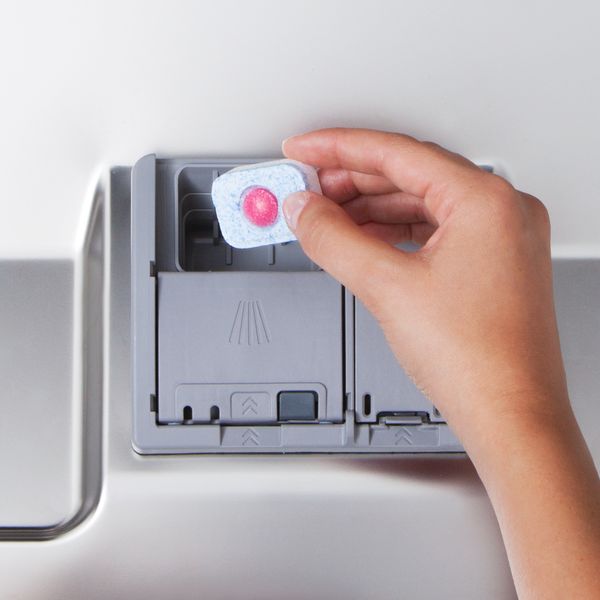
Run a cycle with no dishes and a tablet inside. This checks if the tablet dissolves properly without blockages. If it dissolves well empty, the problem is likely how dishes are loaded. Rearrange dishes to avoid blocking the detergent dispenser.
Credit: www.bosch-home.co.uk
Preventive Measures
Preventing dishwashing tablets from not dissolving starts with simple care steps. These steps keep your dishwasher running well and ensure tablets break down properly. Consistent maintenance avoids common problems that block tablet dissolution.
Regular Filter Maintenance
Dishwasher filters catch food particles and debris. A clogged filter reduces water flow and cleaning power. Clean the filter every few weeks by removing it and rinsing with warm water. Check your manual for exact cleaning instructions. A clean filter helps tablets dissolve fully and dishes come out spotless.
Keep Spray Arms Clear
Spray arms distribute water inside the dishwasher. Blocked or stuck spray arms stop water from reaching tablets. Remove and rinse spray arms to clear any debris. Use a toothpick to clear small holes. Make sure spray arms spin freely. Clear spray arms ensure even water flow and tablet dissolution.
Store Tablets Properly
Dishwasher tablets must stay dry before use. Moisture can cause tablets to clump or break down early. Store tablets in a cool, dry place inside a sealed container. Avoid keeping tablets near the dishwasher or sink. Proper storage keeps tablets effective and ready to dissolve when needed.
Frequently Asked Questions
How Do I Fix My Dishwasher Not Dissolving Pods?
Check for blockages in the dispenser and spray arms. Clean the dispenser and filter. Use hot water and avoid short cycles. Replace old pods and try a different detergent brand if needed.
Why Does My Dishwasher Tablet Not Dissolve Properly?
Dishwasher tablets may not dissolve properly due to blocked dispenser doors, low water temperature, or spray arms obstructed by dishes. Clean the dispenser and spray arms, ensure hot water, and avoid overcrowding. Hard water or expired tablets can also prevent dissolving.
Choose suitable detergent and cycle for best results.
Can I Just Throw A Dishwasher Tablet In The Bottom?
Do not throw a dishwasher tablet directly in the bottom. Place it in the detergent dispenser for proper release and cleaning.
Why Are My Washing Tablets Not Dissolving?
Washing tablets may not dissolve due to low water temperature, blocked dispenser, or improper loading. Ensure hot water and clear spray arms. Avoid short cycles and check tablet freshness. Clean filters regularly and consider switching detergent brands if issues persist.
Why Are My Dishwashing Tablets Not Dissolving Fully?
Tablets may not dissolve if water temperature is too low or spray arms are blocked.
Conclusion
Dishwashing tablets not dissolving can cause frustration and poor cleaning. Check for any blockages in the dispenser or spray arms. Make sure water temperature is hot enough during the cycle. Clean the filter regularly to maintain proper water flow. Hard water and old detergent can also affect tablet performance.
Try running an empty cycle to test if tablets dissolve correctly. Adjust loading and avoid short cycles to improve results. Taking these simple steps helps ensure your dishwasher tablets dissolve properly every time.