
Is your dishwasher suddenly making a loud buzzing noise? That constant hum can be more than just annoying—it might be a sign that something inside your appliance isn’t working right.
You rely on your dishwasher to keep your kitchen running smoothly, so when it starts making strange sounds, it can throw off your whole routine. But don’t worry—understanding why your dishwasher is buzzing is the first step to fixing it.
You’ll discover the most common causes behind that buzzing noise and simple ways you can check or even solve the problem yourself. Keep reading to learn what’s really going on inside your dishwasher and how to get it back to running quietly and efficiently.
Common Causes Of Buzzing
A buzzing noise from a dishwasher usually signals a mechanical issue. Identifying the cause helps fix it fast. Several parts inside the dishwasher can cause this noise. Below are the most common reasons why a dishwasher makes a buzzing sound.
Pump Impeller Obstruction
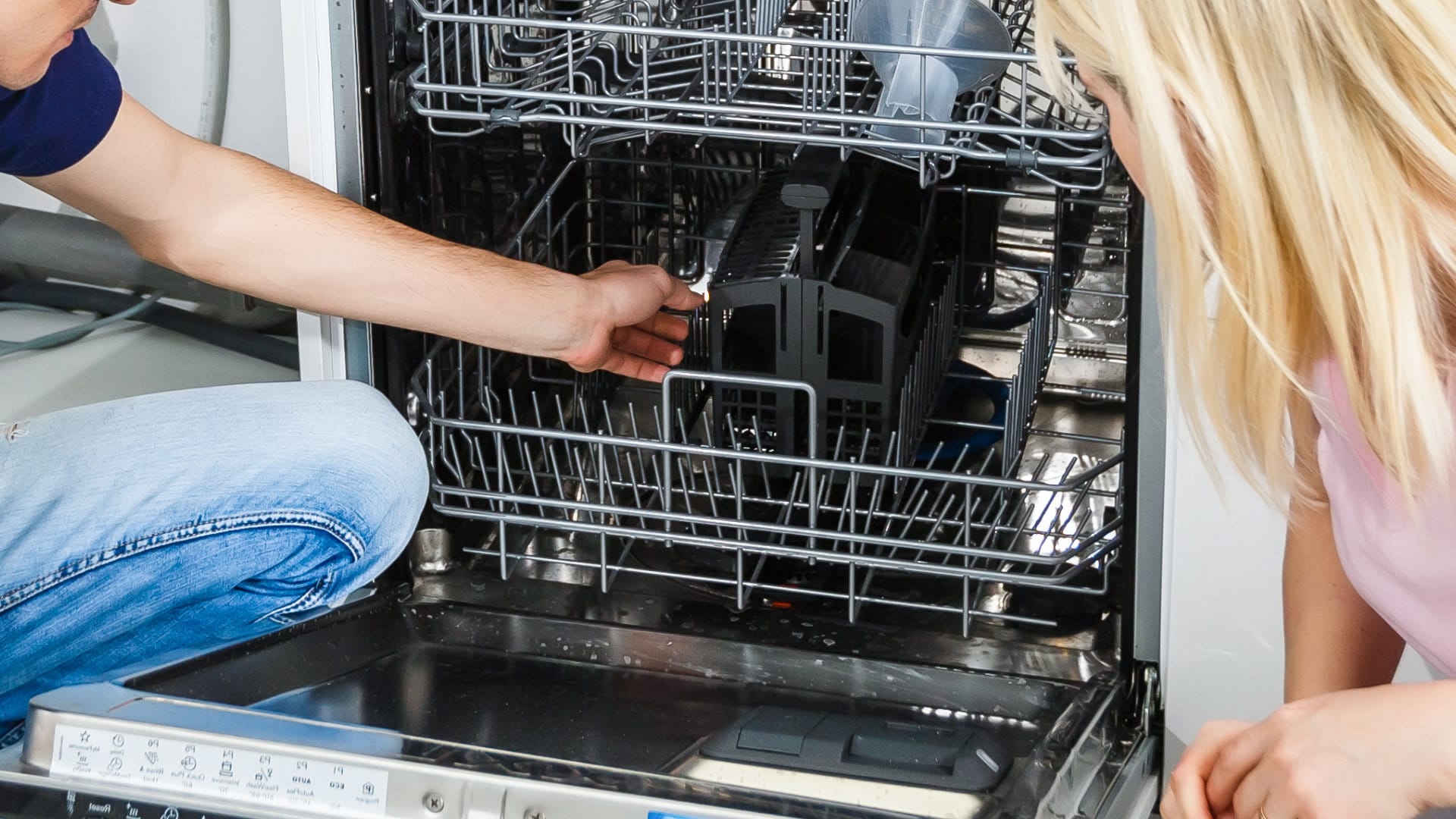
The pump impeller moves water during cycles. Small objects like glass shards or popcorn kernels can get stuck. This blockage causes the impeller to buzz loudly. To fix this, unplug the dishwasher. Remove the lower rack, spray arm, and filter. Then clean the pump area carefully to clear any debris.
Worn-out Pump Bearings
Bearings inside the pump motor wear out over time. This wear creates a grinding or buzzing noise during operation. Cleaning the filter won’t stop the noise in this case. Usually, the drain or circulation pump needs replacing to solve the problem. This repair restores quiet and smooth function.
Failing Wash Motor
If buzzing occurs during the wash cycle, the motor may be failing. A struggling motor makes a loud humming or buzzing sound. Repairing or replacing the wash motor can be costly. If the noise is low, some owners choose to wait until the motor completely fails.
Kinked Or Clogged Drain Hose
A clogged or bent drain hose can cause buzzing sounds. Water cannot flow freely, making the pump work harder and buzz. Check the drain hose for kinks or blockages. Straightening or cleaning the hose often stops the noise quickly and improves drainage.
Faulty Water Inlet Valve
The water inlet valve controls water entering the dishwasher. A faulty valve may buzz as it opens or closes. It can also cause water flow issues. Testing the valve with a multimeter confirms if it is defective. Replacing a bad valve ends the buzzing and restores proper water supply.
Identifying The Noise Source
Identifying the source of a buzzing noise in your dishwasher helps fix the problem fast. The sound often signals an issue with parts inside the machine. Knowing when and where the noise happens guides you to the right solution. This section breaks down key steps to find the noise source.
When Buzzing Occurs
Listen closely to the timing of the buzzing sound. Does it start when the dishwasher begins draining? Or does it happen during washing cycles? Buzzing during draining often points to pump or hose issues. If the noise is constant, the motor or electrical parts might be the cause. Noticing the exact moment helps narrow down the problem.
Listening For Motor Struggles
Focus on the motor’s sound. A healthy motor runs smoothly and quietly. Struggling motors make a louder, uneven buzzing or humming. This noise may mean worn bearings or a failing motor. The motor might also overheat if it is working too hard. Detecting motor strain early can prevent costly repairs or full replacement.
Checking Drain Hose Condition
Inspect the drain hose for kinks or blockages. A clogged hose can cause water to back up and create buzzing noises. Look for bends or damage that restrict flow. Clear any debris or buildup inside the hose. A clean and straight drain hose allows water to drain properly and stops buzzing caused by water pressure issues.
Quick Fixes To Try
A dishwasher making a buzzing noise can be frustrating. Many times, simple fixes solve the issue quickly. Trying these quick steps can save time and money. They focus on common parts that cause buzzing sounds. Follow safety tips and basic maintenance to quiet your dishwasher fast.
Unplugging And Safety Measures
Always unplug the dishwasher before starting any work. This prevents electric shocks and accidents. Make sure the dishwasher is completely off and disconnected. Avoid touching wet parts or wires. Safety is the first step in all repairs.
Cleaning Filter And Pump Area
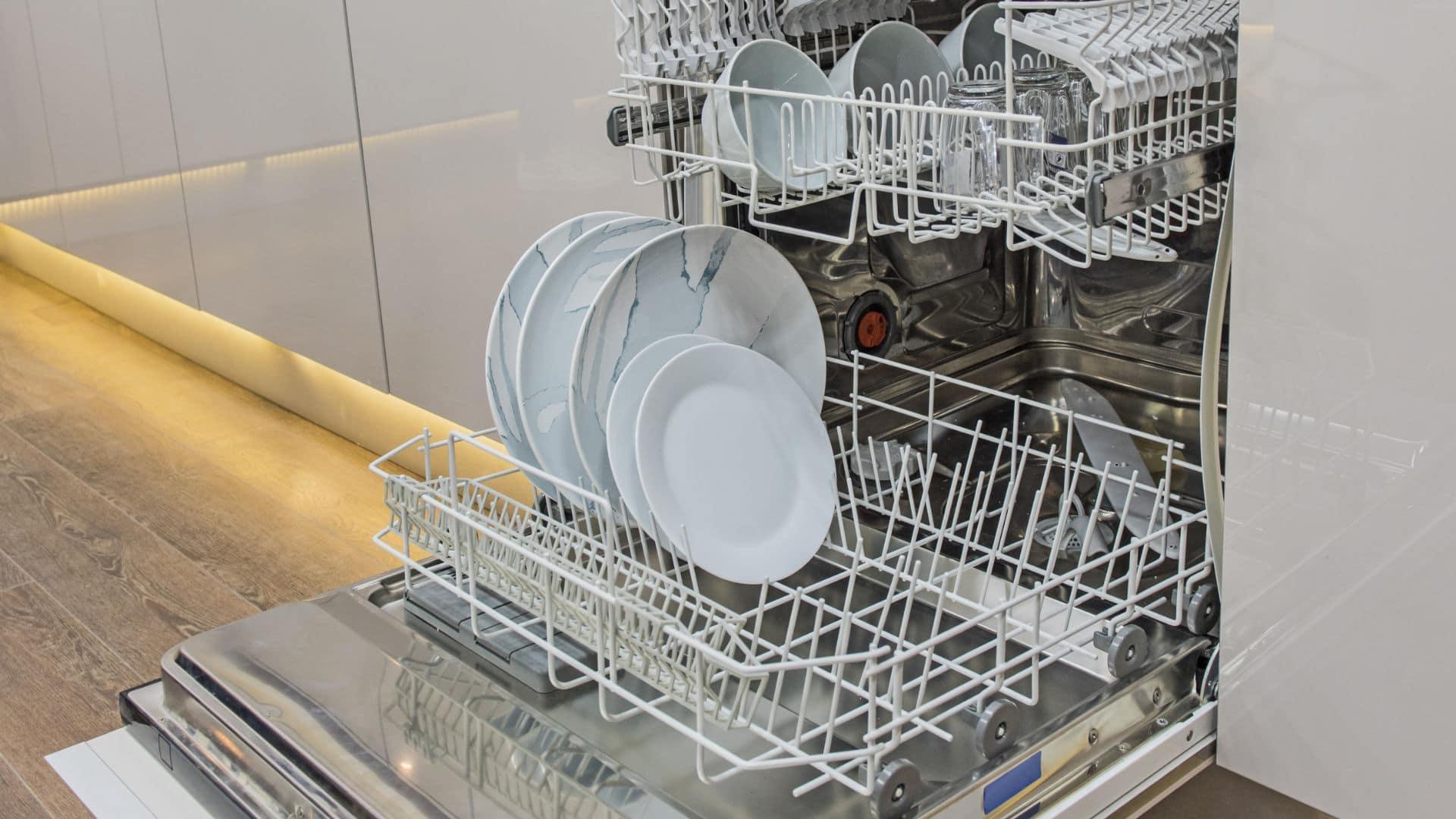
Remove the lower rack to access the filter easily. Take out the filter and rinse it under running water. Clean any food particles or dirt stuck inside. Check the pump area for debris blocking water flow. Cleaning these parts helps the dishwasher run smoothly.
Removing Debris From Impeller
The impeller moves water inside the dishwasher. Small objects like glass shards or seeds can get stuck there. Gently remove the pump cover to see the impeller. Clear any debris blocking its movement. This step stops buzzing caused by stuck items.
Straightening And Clearing Drain Hose
Check the drain hose for kinks or bends. A bent hose can block water drainage and cause noise. Straighten the hose to allow smooth water flow. Also, clear any clogs inside the hose. Proper drainage reduces buzzing and improves dishwasher performance.
Credit: academy.fredsappliance.com
When To Replace Parts
Identifying the right time to replace dishwasher parts helps avoid bigger problems. Buzzing noises often signal worn or damaged components. Quick action protects your dishwasher’s efficiency and lifespan. Below are key parts that may need replacement if buzzing persists.
Pump Motor Replacement
The pump motor moves water inside the dishwasher. A buzzing sound can mean the motor bearings are worn out. If cleaning debris does not stop the noise, the pump motor likely needs replacement. A faulty pump motor reduces cleaning power and may cause leaks. Replacing this part restores proper water flow and stops buzzing sounds.
Wash Motor Repair Considerations
The wash motor powers the spray arms during cycles. Buzzing during washing often means the motor is struggling or failing. Repairing the wash motor can be costly and complex. If the noise is mild, delaying repair might be an option. Severe noise usually means replacement is necessary to avoid further damage.
Water Inlet Valve Replacement
The water inlet valve controls water entry into the dishwasher. A buzzing noise can indicate a faulty valve stuck open or closed. This issue affects water flow and cycle performance. Replacing the water inlet valve is a straightforward fix. It stops the buzzing and ensures the dishwasher fills correctly.
Professional Repair Tips
Professional repair tips help you handle a dishwasher making a buzzing noise safely. They guide you through key steps to fix the problem or decide on the next move. Understanding these tips can save time and avoid costly errors.
Knowing When To Call A Technician
Some dishwasher noises mean a simple fix, but others require expert help. If the buzzing noise continues after cleaning the filter and pump, call a technician. Strange grinding or burning smells also need a professional check. Complex parts like the motor or pump need proper tools to repair safely. Avoid guessing to prevent damage or voiding the warranty.
Cost Vs. Replacement Decisions
Fixing a dishwasher can cost less than buying new. Check repair estimates before deciding. If repair costs reach half the price of a new dishwasher, consider replacement. Older models may have more problems soon, making replacement smarter. Balance repair price, dishwasher age, and your budget to choose the best option.
Preventive Maintenance Advice
Regular maintenance stops buzzing noises before they start. Clean filters and spray arms monthly to avoid blockages. Check and clear the drain hose from debris or kinks. Run the dishwasher with vinegar once a month to remove buildup. Avoid overloading dishes to keep the pump safe. These small steps extend your dishwasher’s life and reduce repair needs.
Credit: fredsappliance.com

Credit: www.youtube.com
Frequently Asked Questions
Why Is My Dishwasher Making A Loud Buzzing Noise?
A loud buzzing dishwasher often signals a blocked pump impeller, worn pump bearings, or a failing motor. Check and clean the filter, pump, and drain hose. Persistent noise may require pump or motor replacement to fix the issue.
Is A Noisy Dishwasher An Urgent Issue?
A noisy dishwasher can signal pump or motor issues. Address it soon to prevent damage. Check filters and hoses first.
Why Is My Washer Making A Buzzing Sound?
A washer buzzes due to a clogged pump impeller, worn motor bearings, a failing wash motor, kinked drain hose, or faulty water inlet valve. Unplug, clean filters, and check hoses first. Persistent buzzing may require motor or pump replacement.
Is It Worth Repairing A Noisy Dishwasher?
Repairing a noisy dishwasher is worth it if the issue is minor, like debris or a clogged hose. Major motor or pump repairs can be costly. Assess repair costs versus replacement. Regular maintenance prevents noise and extends dishwasher life.
Why Is My Dishwasher Making A Buzzing Noise?
A buzzing noise often means a pump or motor issue, such as debris stuck or worn parts.
Conclusion
A buzzing dishwasher often signals a pump or motor issue. Small debris can block the impeller, causing noise. Cleaning the filter and pump area may solve the problem. Worn bearings or a failing motor might need part replacement. Check the drain hose for clogs or kinks too.
Simple fixes can stop the buzzing and protect your dishwasher. Regular maintenance helps keep it running quietly and well. Don’t ignore noises; they often mean it’s time to act. Quiet dishwashers make kitchen chores more pleasant.