
Is your dishwasher constantly blowing its thermal fuse and leaving you with piles of dirty dishes? This frustrating issue can disrupt your daily routine and might even signal deeper problems within your appliance.
When a thermal fuse keeps blowing, it’s not just a simple fuse replacement—you need to understand why it’s happening to stop the cycle for good. You’ll discover the common causes behind repeated thermal fuse failures, how to spot them, and practical steps you can take to fix the problem yourself or know when to call in a professional.
Keep reading to protect your dishwasher and keep your kitchen running smoothly.

Credit: www.reddit.com
Thermal Fuse Role In Dishwashers
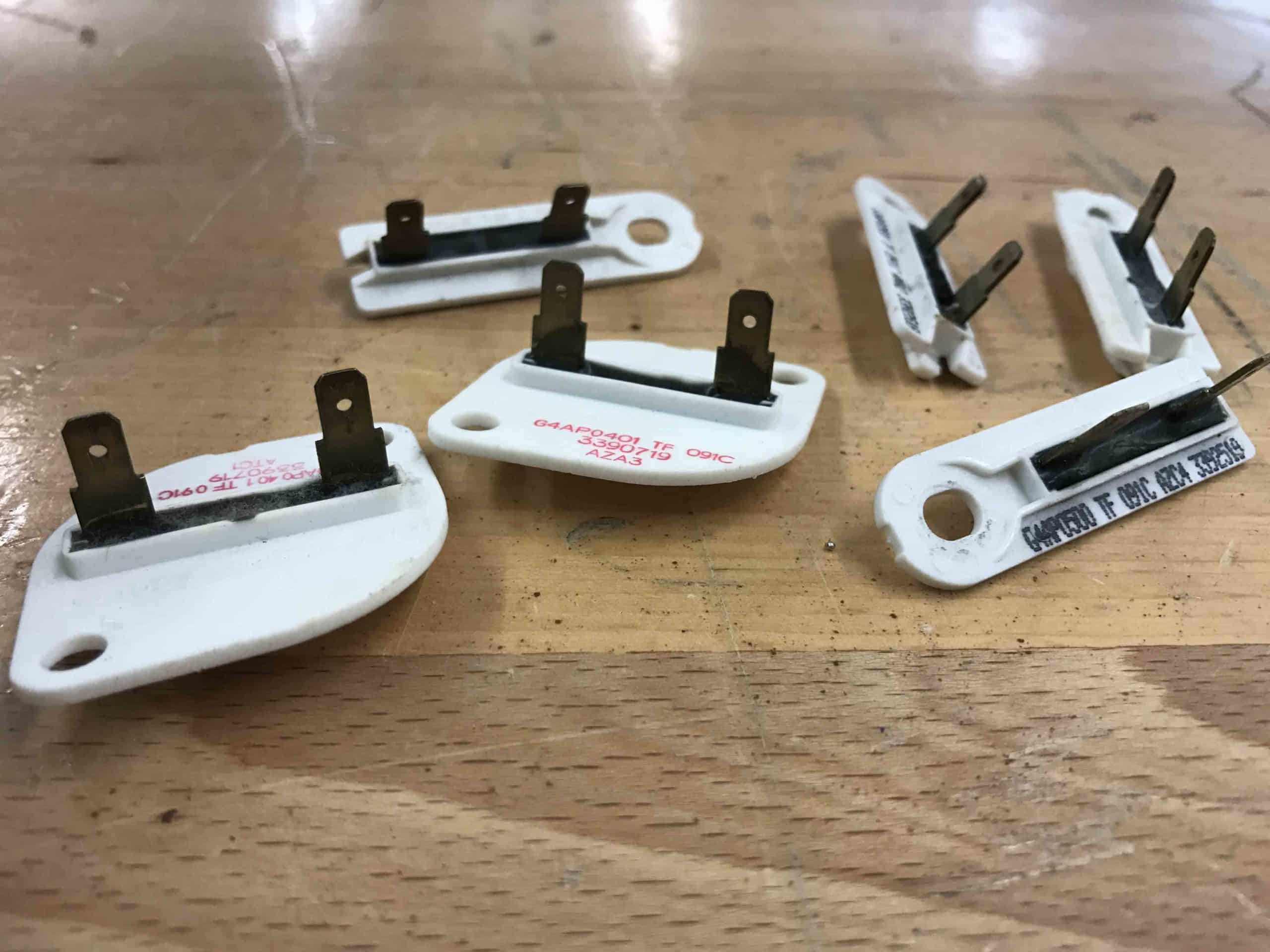
The thermal fuse plays a vital role in dishwasher safety. It acts as a protective device that prevents overheating. This fuse cuts off power if the dishwasher gets too hot. By doing so, it helps avoid damage to the appliance and reduces fire risk.
The thermal fuse is usually found near the dishwasher’s heating element. It monitors temperature levels during operation. If the temperature rises above a safe limit, the fuse “blows” or breaks the electrical circuit. This stops the dishwasher from running until the fuse is replaced.
What Is The Thermal Fuse In A Dishwasher?
The thermal fuse is a small safety part. It senses heat around the heating element. If the dishwasher overheats, it shuts off power. This prevents serious damage or fire hazards. Without this fuse, the dishwasher could overheat and cause harm.
How Does The Thermal Fuse Protect Your Dishwasher?
The fuse stops electrical flow when temperatures get too high. It acts like a safety switch. By breaking the circuit, it prevents parts from melting or burning. This keeps the dishwasher and your home safe from heat damage.
Common Causes Of Thermal Fuse Failure
Thermal fuses blow due to overheating or electrical faults. A faulty heating element often causes the problem. Poor wiring connections can also lead to fuse failure. Dirt or debris blocking airflow may cause the dishwasher to overheat too.

Credit: www.youtube.com
Common Causes Of Fuse Blowing
The thermal fuse in a dishwasher protects the appliance from overheating. When it keeps blowing, the dishwasher stops working. Understanding the common causes helps fix the problem quickly. Below are the main reasons why the thermal fuse may keep blowing.
Overheating From Heating Element
The heating element warms the water during the wash cycle. If it malfunctions, it may get too hot. Overheating causes the thermal fuse to blow as a safety measure. A damaged or broken heating element often triggers this issue.
Electrical Shorts And Wiring Issues
Faulty wiring or shorts in the electrical system can cause power surges. These surges blow the thermal fuse to prevent damage. Loose connections or frayed wires increase the risk of shorts. Inspect wiring carefully to avoid repeated fuse failures.
Clogged Vents And Restricted Airflow
Blocked vents reduce airflow around the dishwasher components. Poor ventilation causes heat to build up inside the machine. This trapped heat makes the thermal fuse blow to stop overheating. Clean vents and remove debris to ensure proper airflow.
Faulty Thermostat Problems
The thermostat controls the dishwasher’s temperature. A broken or inaccurate thermostat may fail to stop heating. Continuous heating causes the thermal fuse to blow repeatedly. Testing the thermostat can help identify this problem early.
Signs Of Thermal Fuse Failure
Thermal fuse failure in a dishwasher causes several clear signs. These signs help identify the problem early. Catching them prevents further damage and costly repairs. Pay attention to how your dishwasher behaves during use. Watch for unusual issues that indicate a fuse problem.
Dishwasher Not Starting
Your dishwasher may refuse to start at all. Pressing the start button does nothing. No lights or sounds come from the machine. This lack of response often means the thermal fuse is blown. It cuts power to protect the dishwasher from overheating.
Sudden Power Loss
The dishwasher might stop working during a cycle. It suddenly loses power without warning. The control panel shuts off, and the machine stops running. This abrupt power loss points to a thermal fuse that has failed. It breaks the electrical circuit to prevent damage.
Repeated Fuse Blowing
Thermal fuses are not meant to blow repeatedly. If you replace the fuse but it blows again soon, something else is wrong. Overheating or electrical faults cause this repeated failure. Faulty heating elements or wiring issues often trigger the fuse to blow multiple times.
Inspecting The Heating Element
Inspecting the heating element is crucial when your dishwasher keeps blowing the thermal fuse. The heating element heats water and dries dishes. A faulty element can cause overheating. Overheating triggers the thermal fuse to blow, stopping your dishwasher. Checking the element helps find the root cause and avoid repeated fuse failure.
Visual Damage Check
First, unplug the dishwasher for safety. Look closely at the heating element for visible damage. Check for cracks, breaks, or burn marks. Also, see if the element is bent or warped. Any signs of damage mean the element may be faulty. Replace it to prevent further issues.
Using A Multimeter
Use a multimeter to test the heating element’s electrical resistance. Set the multimeter to the ohms setting. Disconnect the element wires. Touch the probes to each terminal of the element. A normal reading usually ranges from 10 to 50 ohms. A reading of zero or infinite means the element is bad. Replace the element if it fails this test.
Common Element Faults
Heating elements can develop faults like short circuits or open circuits. A short circuit happens if the element touches the metal casing. This causes the fuse to blow. An open circuit means the element’s wire is broken inside. Both faults stop the element from working properly. Regular checks can catch these problems early.
Checking Wiring And Connections
Checking the wiring and connections is a key step when your dishwasher keeps blowing the thermal fuse. Faulty wiring can cause overheating or short circuits, leading to fuse failure. Careful inspection helps find loose or damaged wires that may trigger the problem. It also reveals short circuits and issues within the wiring harness. Proper checks ensure safety and prevent repeated fuse blowing.
Loose Or Damaged Wires
Loose wires can cause sparks and heat buildup inside the dishwasher. Damaged wires may expose metal parts, increasing the risk of short circuits. Check all wiring connections for firmness. Tighten any loose wires and replace damaged ones. This simple step stops electrical faults that blow the thermal fuse.
Short Circuit Detection
A short circuit occurs when electrical current flows where it should not. This can happen if wires touch each other or metal parts. Use a multimeter to test for shorts in the wiring. Detecting and fixing shorts prevents overheating and fuse damage. Early detection saves costly repairs and downtime.
Harness Inspection
The wiring harness connects all electrical parts inside your dishwasher. Inspect the harness for cracks, breaks, or corrosion. Damaged harnesses disrupt power flow and cause the thermal fuse to blow. Replace faulty harnesses to restore proper electrical function. A sound harness ensures stable operation and fuse safety.
Cleaning And Ventilation Tips
Proper cleaning and ventilation play a key role in preventing your dishwasher from blowing the thermal fuse. Dirt, lint, and blocked vents can trap heat inside the machine. This causes overheating, which damages the thermal fuse. Simple cleaning steps help keep air flowing well and your dishwasher running safely.
Clearing Blocked Vents
Check the vents on your dishwasher regularly. Remove any visible dirt or grease that may block airflow. Use a soft brush or cloth to clean vent openings. Avoid using sharp tools that might damage the vents. Clear vents allow hot air to escape, reducing the risk of overheating.
Removing Lint And Debris
Lint and small debris can build up inside the dishwasher. Clean the lint trap or filter area frequently. Rinse the filter under running water to remove stuck particles. Removing lint improves air circulation and prevents heat from building up. Keep these areas clean to protect the thermal fuse.
Ensuring Proper Airflow
Make sure nothing blocks the dishwasher’s air pathways. Avoid pushing the appliance too close to walls or cabinets. Leave enough space for air to move freely around it. Check the door seals for dirt that may trap heat inside. Good airflow lowers temperature and prevents thermal fuse failures.
Replacing Thermal Fuse And Related Parts
Replacing the thermal fuse and related parts in your dishwasher is key to solving repeated fuse blowouts. The thermal fuse protects the appliance from overheating. If it blows often, the cause may be faulty parts or wiring. Proper replacement ensures safe, smooth dishwasher operation.
Understanding how to select the right fuse and replace it correctly can save time and money. Some parts related to the thermal fuse, like the thermostat, may also need attention. Careful inspection and timely replacement prevent further damage.
Selecting The Right Fuse
Choose a thermal fuse that matches your dishwasher model. Check the model number and part specifications. Using the wrong fuse can cause more damage. Look for fuses with the same voltage and temperature rating. Buy from trusted suppliers to ensure quality and safety.
Step-by-step Replacement Guide
Start by unplugging the dishwasher to avoid electric shock. Locate the thermal fuse, usually near the control board or heating element. Remove the cover panel to access the fuse. Disconnect the wires carefully and take out the old fuse. Install the new fuse by connecting wires to the same terminals. Secure the cover panel and plug the dishwasher back in. Test the appliance to confirm the repair is successful.
When To Replace The Thermostat
Replace the thermostat if the dishwasher keeps overheating. A faulty thermostat may not regulate temperature properly. Signs include inconsistent heating or repeated fuse blowing. Test the thermostat with a multimeter for continuity. Replace it if readings are abnormal or if it looks damaged. Replacing the thermostat can stop overheating and protect the thermal fuse.
Preventive Maintenance Advice
Preventive maintenance plays a key role in stopping your dishwasher from repeatedly blowing the thermal fuse. Simple, regular care helps catch small problems before they grow. This care extends your dishwasher’s life and keeps it running smoothly.
Focus on cleaning, electrical checks, and managing heat to avoid fuse issues. Each step protects your appliance from damage and costly repairs.
Regular Cleaning Schedule
Clean your dishwasher often to avoid buildup. Food scraps and grease can block vents and filters. This blockage causes parts to overheat and triggers the thermal fuse. Remove debris from spray arms and door seals. Wipe down the interior with a damp cloth. Run an empty cycle with vinegar monthly to clear residue.
Routine Electrical Checks
Inspect electrical connections regularly. Loose wires or damaged cords can cause shorts. Check the power cord and plug for damage. Look inside the dishwasher for burnt or frayed wires. Use a multimeter to test the heating element for faults. Fix any issues quickly to prevent fuse blowouts.
Avoiding Overheating Issues
Prevent overheating by not overloading the dishwasher. Overcrowding blocks water flow and heat dispersal. Use the correct detergent and cycle for your load. Ensure vents are clear for proper airflow. Replace faulty thermostats or heating elements immediately. These steps keep temperatures safe and protect the thermal fuse.
When To Call A Professional
Knowing when to call a professional for a dishwasher that keeps blowing the thermal fuse is important. Some problems need expert skills and tools to fix safely and correctly. Attempting repairs without experience can cause more damage or risk safety. Below are key points to help decide when to seek professional help.
Complex Electrical Problems
Electrical issues inside dishwashers can be tricky. Faulty wiring, short circuits, or damaged heating elements often cause the thermal fuse to blow. Professionals can diagnose these problems using proper tools and experience. They can safely handle wiring and replace parts without causing further damage.
Safety Considerations
Dealing with electrical components carries risks like shocks or fires. The thermal fuse protects your dishwasher from overheating, so ignoring repeated blows can be dangerous. Professionals follow safety standards to avoid accidents. They ensure repairs keep your appliance safe to use.
Finding Qualified Technicians
Choose technicians with experience in dishwasher repair. Look for certified professionals or those recommended by trusted sources. They should offer warranties on their work and parts. Skilled technicians save time and prevent costly mistakes by fixing the root cause of the problem.
Credit: fredsappliance.com
Frequently Asked Questions
Why Does My Dishwasher Keep Blowing The Thermal Fuse?
Your dishwasher keeps blowing the thermal fuse due to overheating caused by a faulty heating element, poor wiring, or airflow blockage. Inspect and replace damaged parts to prevent repeated fuse failures.
Why Does My Thermal Fuse Keep Going Out?
Your thermal fuse keeps blowing due to overheating caused by restricted airflow, faulty heating elements, or thermostat issues. Clean lint traps and vents, check the blower wheel, and inspect the heating element for damage. Replace defective fuses or thermostats. Consult a professional if problems persist.
How Do I Stop My Dishwasher From Tripping The Electric?
Check for a faulty heating element or wiring causing shorts. Inspect and replace damaged parts. Ensure proper electrical connections. Avoid overloading the dishwasher. Call a professional if the problem persists to prevent electrical hazards.
How Do You Fix A Fuse That Keeps Blowing?
Fix a fuse that keeps blowing by checking for overheating or electrical faults. Clean vents and lint traps to improve airflow. Inspect the heating element and wiring for damage or shorts. Replace faulty parts like the thermal fuse or thermostat.
Call a professional if unsure.
Why Does My Dishwasher Keep Blowing The Thermal Fuse?
Repeated blowing usually means the dishwasher overheats due to a faulty heating element or wiring issues.
Conclusion
A dishwasher that keeps blowing its thermal fuse needs quick attention. Overheating or electrical faults often cause this problem. Check the heating element and wiring for damage or shorts. Clean any debris that blocks airflow inside the dishwasher. Replace faulty parts to prevent repeated fuse failure.
Regular maintenance can stop future issues. Fixing these problems helps your dishwasher run safely and efficiently. Don’t ignore signs of trouble; address them early to save time and money.