
Is your dishwasher door refusing to close no matter how hard you try? This simple problem can quickly turn into a daily hassle, leaving your dishes unwashed and your kitchen in disarray.
But don’t worry—you’re not stuck with a stubborn door forever. In this guide, you’ll discover easy, step-by-step ways to identify what’s blocking your dishwasher door from closing properly and how to fix it yourself. Whether it’s a stuck latch, a misaligned hinge, or something caught in the seal, you’ll learn how to get your dishwasher door shutting tight again.
Keep reading—your perfectly clean dishes are just a few fixes away!
Common Obstructions
Common obstructions often stop a dishwasher door from closing properly. Small things can get in the way, causing frustration and stopping the dishwasher from working. Identifying these obstructions is the first step to fix the problem quickly.
Items Blocking Door
Sometimes dishes or utensils stick out from the racks. These items can block the door from closing all the way. Check both the upper and lower racks carefully. Move any items that are too tall or placed wrong. Ensure nothing extends beyond the rack edges.
Debris Around Seal
Food crumbs and dirt can build up around the door seal. This debris stops the door from sealing tightly. Wipe the rubber gasket and the door edges clean with a damp cloth. Remove any stuck particles to help the door close smoothly.
Child Lock Activation
Some dishwashers have a child lock feature that blocks the door from opening or closing. Check your control panel for a lock icon or button. If the child lock is on, turn it off. This simple step can restore normal door function quickly.
Leveling The Dishwasher
Leveling the dishwasher is key to fixing a door that won’t close. A dishwasher that tilts forward or backward will not shut properly. Uneven flooring or improper installation often causes this problem. Correcting the level ensures the door aligns with the frame for a tight seal. This step is simple and saves time before moving to more complex fixes.
Checking Appliance Level
Start by placing a bubble level on the top edge of the dishwasher door. Check from front to back and side to side. The bubble should sit in the middle of the level’s vial. If it leans in any direction, the dishwasher needs adjustment. Make sure the floor beneath the dishwasher is clean and dry before testing.
Adjusting Leveling Feet
Most dishwashers have adjustable feet beneath them. Use a wrench or pliers to turn the feet clockwise to raise or counterclockwise to lower the dishwasher. Adjust each foot gradually while checking the level after every turn. The goal is to have the dishwasher sit flat and steady. Proper leveling will help the door close securely and prevent leaks.
Hinge Inspection
Inspecting the hinges is a key step when the dishwasher door won’t close. Hinges hold the door in place and allow smooth opening and closing. If they are bent, loose, or damaged, the door may fail to shut properly. A careful hinge inspection can reveal these problems early. This prevents further damage and helps restore the door’s function quickly.
Identifying Bent Or Loose Hinges
Check the hinges by opening the dishwasher door fully. Look closely for any bends or twists in the metal parts. Bent hinges can stop the door from aligning correctly. Also, test if the hinges feel loose by gently moving the door side to side. Loose hinges cause the door to sag or shift. Both bent and loose hinges need attention to fix door closing issues.
Tightening And Replacing Hinges
Use a screwdriver to tighten any loose screws on the hinges. Tight hinges hold the door firmly in place. If tightening does not help, replace the damaged hinges. Remove old hinges by unscrewing them carefully. Install new hinges matching your dishwasher model. Proper hinge replacement ensures the door fits well and closes without problems. Always check the door after repair to confirm smooth movement.

Credit: www.youtube.com
Latch And Strike Plate
The latch and strike plate play a key role in keeping the dishwasher door closed. The latch is the part that locks the door, while the strike plate is the piece on the dishwasher frame where the latch catches. If either part is damaged or misaligned, the door may not close properly. Checking these components can solve many door closing problems.
Examining Latch Mechanism
Start by inspecting the latch for dirt or damage. Dirt or food bits can block the latch from moving freely. Clean the latch with a damp cloth to remove grime. Look closely for cracks or broken parts that stop it from locking. If the latch is broken, it cannot hold the door shut.
Adjusting Strike Plate
The strike plate must line up perfectly with the latch. Check if it is loose or bent. Loosen the screws and move the strike plate slightly to improve alignment. Tighten the screws once it fits well. Proper adjustment ensures the latch catches and the door closes tightly.
Replacing Damaged Components
If the latch or strike plate is cracked or worn, replacement is necessary. Purchase parts that fit your dishwasher model. Remove the old latch or strike plate by unscrewing them. Install the new parts firmly in place. This restores the door’s ability to close and lock securely.
Gasket Maintenance
The gasket plays a key role in sealing the dishwasher door tightly. Proper gasket maintenance ensures the door closes smoothly and prevents leaks. Neglecting the gasket can cause the door not to close properly, leading to water spills and inefficient cleaning.
Cleaning The Gasket
Regular cleaning keeps the gasket flexible and free from dirt. Use a damp cloth with mild soap to wipe the gasket gently. Avoid harsh chemicals that can damage the rubber. Check for any stuck food particles or debris along the gasket edges. Clean the area thoroughly to restore a good seal. Dry the gasket completely before closing the door to prevent mold growth.
Replacing Worn Gasket
A worn or damaged gasket loses its sealing ability. Look for cracks, tears, or warping as signs of wear. Remove the old gasket carefully by pulling it from the door frame. Purchase an exact replacement from the dishwasher manufacturer or a trusted supplier. Fit the new gasket into the groove evenly without stretching it too much. Test the door closure to ensure the gasket seals properly and the door shuts firmly.
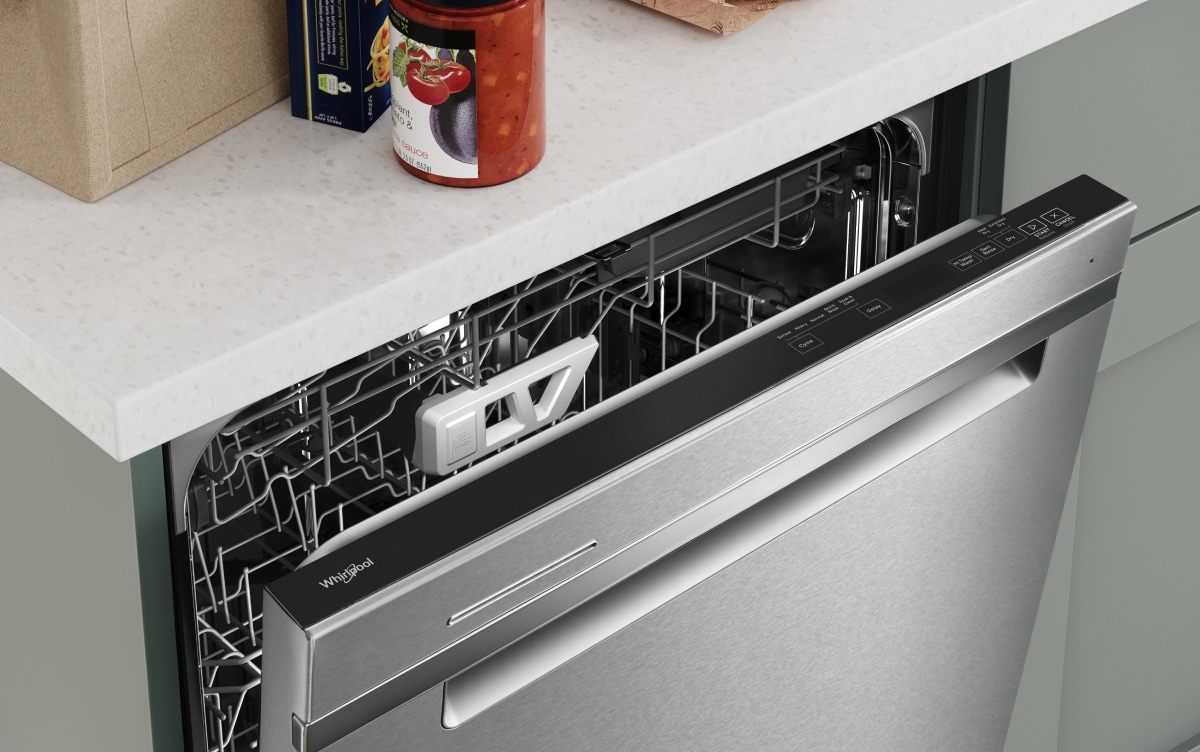
Credit: www.whirlpool.com
Door Spring Check
The door spring plays a key role in keeping your dishwasher door closed securely. Over time, the spring may weaken or break, causing the door to stay open. Checking the door spring helps identify if it is the reason your dishwasher door won’t close properly.
Inspecting the spring is simple and requires no special tools. A good spring will have the right tension to pull the door shut. A loose or broken spring needs immediate attention to restore the door’s function.
Testing Spring Tension
Start by opening the dishwasher door fully. Look for the spring attached near the hinge or door frame. Gently pull the spring to feel its tension. It should feel firm and stretch slightly without snapping.
If the spring feels loose or too easy to pull, it may have lost tension. A weak spring cannot hold the door closed. Compare it with the spring on the other side if your dishwasher has two springs. Uneven tension indicates a problem.
Replacing Broken Springs
Broken springs must be replaced to fix the door issue. Purchase a replacement spring designed for your dishwasher model. Remove the old spring by detaching it from the hooks or screws. Use pliers if needed for better grip.
Attach the new spring carefully, ensuring it is secure and properly aligned. Test the door by opening and closing it several times. The door should close firmly and stay shut without effort. Proper spring replacement improves dishwasher performance and safety.
Door Alignment
Door alignment plays a key role in ensuring your dishwasher door closes properly. Misaligned doors often cause the door to stick or stay open. Proper alignment helps the door latch smoothly and creates a tight seal to prevent leaks. Checking and adjusting the door alignment is a simple step that can fix many closing issues.
Checking Door Fit
Start by inspecting the door fit. Close the door slowly and watch how it moves. Look for gaps or uneven spaces between the door and the dishwasher frame. The door should sit flush against the frame without tilting or lifting on one side. Check if any parts of the door hit the dishwasher frame before closing fully.
Also, examine the hinges for looseness or damage. Loose hinges can cause the door to sag or misalign. Tighten screws if needed. Note any unusual resistance or uneven pressure when closing the door. These signs point to alignment problems.
Adjusting Alignment
Adjusting the door alignment often fixes closing problems. Most dishwashers allow slight hinge adjustments. Use a screwdriver to loosen the hinge screws slightly. Move the door up, down, or sideways to align it evenly with the frame. Tighten the screws firmly once aligned.
Check the strike plate on the dishwasher frame. It should line up perfectly with the latch on the door. If not, loosen the strike plate screws and shift it to the correct position. Then tighten the screws securely.
After adjustments, close the door slowly to test the fit. Repeat the process until the door closes smoothly without gaps or resistance. Proper alignment ensures the door stays closed during cycles and prevents leaks.

Credit: www.youtube.com
Frequently Asked Questions
How Do You Fix A Dishwasher Door That Won’t Close?
Clear obstructions from racks and door seal. Level the dishwasher by adjusting feet. Tighten or replace hinges and latch strike. Clean or replace the gasket. Check and replace broken springs if needed.
How Do You Realign A Dishwasher Door?
To realign a dishwasher door, clear obstructions on racks and seals. Level the dishwasher using adjustable feet. Tighten or replace loose, bent, or broken hinges. Adjust or replace the latch strike plate. Clean or replace the gasket and check the door spring for damage.
How Do I Reset A Dishwasher Latch?
To reset a dishwasher latch, clear obstructions from the door and racks. Then, check and adjust the latch and strike plate alignment. Tighten loose screws and replace damaged parts. Finally, ensure the dishwasher is level and clean the door gasket for proper sealing.
How To Tell If A Dishwasher Latch Is Broken?
A broken dishwasher latch prevents the door from closing or locking properly. Check for loose, damaged, or misaligned latch parts. Notice if the door won’t stay shut or clicks without securing. Inspect the latch mechanism and strike plate for cracks, debris, or wear.
Why Won’t My Dishwasher Door Close Properly?
Check for items blocking the door, debris on the seal, or a misaligned latch or hinge.
Conclusion
A dishwasher door that won’t close disrupts daily chores. Check for simple blocks like racks or debris first. Make sure the dishwasher stands level on the floor. Inspect hinges and latches carefully for damage or looseness. Clean or replace the gasket to ensure a tight seal.
Don’t forget to test the door spring’s strength. Small fixes often solve the problem quickly. Taking these steps helps keep your dishwasher working well. Regular care prevents future door issues and saves time.