
Thinking about saving space with a stacked washer and dryer? While this setup might seem perfect for tight spots, you should know it comes with some real drawbacks that could affect your daily laundry routine.
From tricky access and smaller capacity to costly repairs and complicated installation, these disadvantages might turn convenience into frustration. If you want to avoid unexpected hassles and make the best choice for your home, keep reading to discover why stacking your washer and dryer isn’t always the smartest move for you.
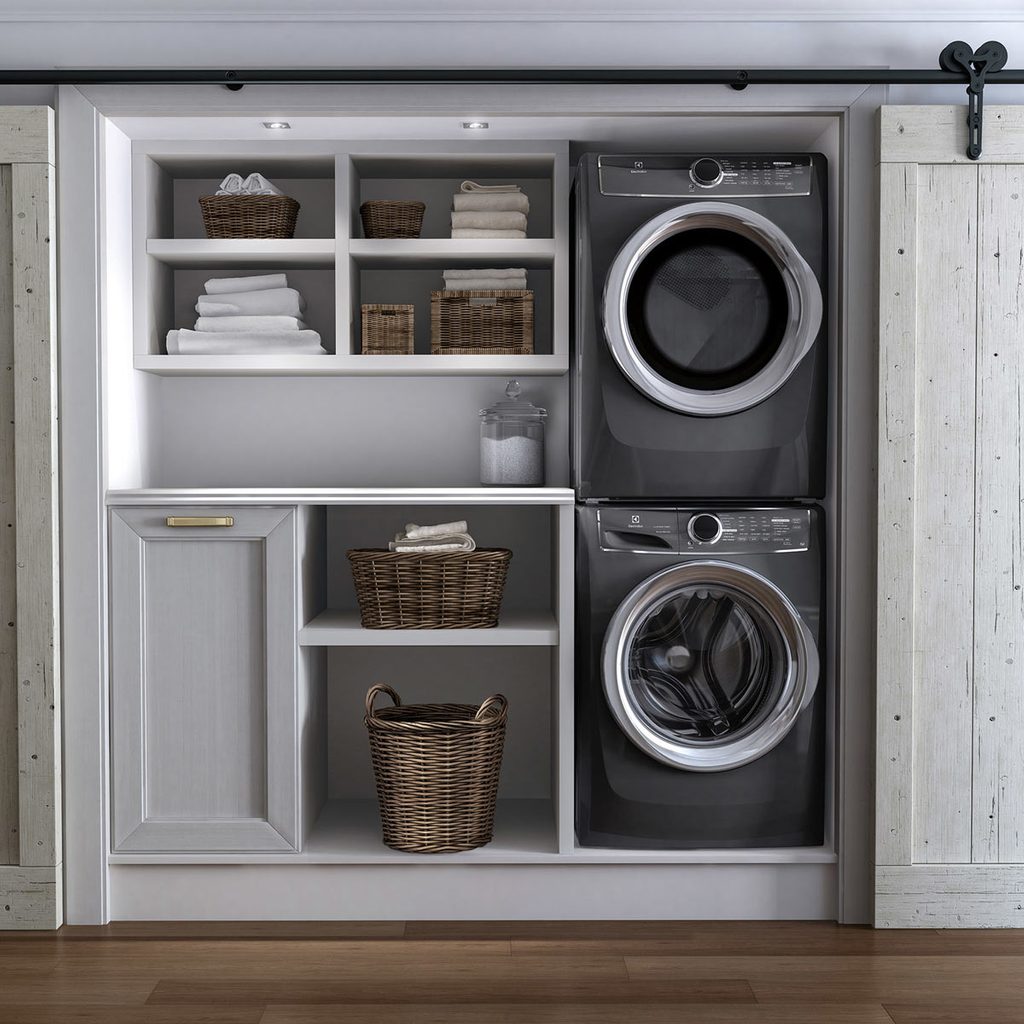
Credit: www.familyhandyman.com
Space Limitations
Stacking a washer and dryer saves floor space but brings space limitations. These limitations affect how much laundry you can wash and dry at once. They also influence how often you need to run laundry loads. Understanding these issues helps decide if stacked units fit your needs.
Reduced Drum Capacity
Stacked washer and dryer units usually have smaller drums. Smaller drums hold less laundry per load. This means large or bulky items may not fit well. You might need to split laundry into smaller loads. This reduces convenience for bigger households.
Frequent Laundry Loads
Because of smaller drums, you may do laundry more often. More loads take extra time and effort. This can increase water and electricity use. The frequent laundry runs also add to wear and tear on the machines. This may shorten their lifespan compared to full-sized units.

Credit: diy.stackexchange.com
Accessibility Challenges
Stacking a washer and dryer saves space but creates accessibility challenges. These challenges affect daily laundry tasks and user comfort. Accessing controls and loading clothes can become difficult. This setup may not suit everyone, especially those with limited mobility or shorter height.
Difficult Reach For Controls
Controls on stacked dryers sit high above the washer. Reaching them requires stretching or using a step stool. This can be unsafe for some users. It also makes it harder to see and use buttons or dials. People with limited arm strength or balance struggle the most.
Inconvenient Loading And Unloading
Loading clothes into the top dryer can be awkward and tiring. Users must lift laundry above shoulder level. Unloading wet clothes from the lower washer requires bending down. This constant bending and lifting may cause discomfort or strain. The process is less smooth compared to side-by-side units.
Repair And Maintenance Issues
Stacking a washer and dryer saves space but can cause repair and maintenance problems. Accessing parts inside stacked machines is more difficult than side-by-side units. The vertical setup means technicians spend more time fixing issues. This often leads to higher repair costs and longer service times.
Maintenance tasks like cleaning filters or checking hoses also become harder. The dryer sits on top, making it tough to reach controls and vents. Small problems might grow bigger because of limited access. These issues can affect your machine’s lifespan and increase your expenses.
Higher Repair Costs
Stacked units usually cost more to repair. Technicians need special tools and extra effort to reach parts. Sometimes, they must remove the dryer to fix the washer below. This takes more time and raises labor charges. Also, parts for stackable machines can be more expensive. These factors add up to higher repair bills.
Limited Technician Access
Technicians face challenges reaching key components in stacked washers and dryers. The height and compact design limit their movement. Working in tight spaces slows down repairs and inspections. Some repairs require unstacking the units, causing delays. Limited access may cause missed problems or incomplete fixes. This reduces machine reliability and user satisfaction.
Installation Concerns
Installing a stacked washer and dryer comes with several challenges. These challenges can affect the ease and safety of setting up the machines. Understanding these installation concerns helps avoid future problems and extra costs.
Need For Professional Setup
Stacked units require careful alignment and secure stacking. Improper installation risks damage or accidents. Professionals have the skills to position and connect the machines safely. They ensure the stack is stable and meets safety codes. DIY installation often leads to errors and voids warranties.
Complicated Plumbing And Electrical
Stacked washers and dryers need specific plumbing and electrical setups. Water lines, drains, and power outlets must be correctly placed. Tight spaces make these connections harder to access and install. Incorrect plumbing can cause leaks or water damage. Electrical faults may lead to short circuits or fire hazards.
Weight And Stability Risks
The washer at the bottom supports the dryer’s weight on top. Uneven floors or weak surfaces increase the risk of tipping. Vibrations during washing can make the dryer unstable. A falling dryer can cause injury or appliance damage. Using stacking kits and securing the units reduces these risks.
Cost Factors
Cost factors play a significant role when choosing a stacking washer and dryer. Understanding these costs helps you decide if this setup fits your budget. The expenses go beyond just buying the machines. There are other costs involved that you should know.
Upfront Expenses
Stacking washer and dryer units usually cost more than separate machines. These units are designed to fit in small spaces, which raises their price. The compact design can reduce the drum size, affecting capacity and efficiency. Some models come with advanced features that add to the cost. You pay more initially compared to buying side-by-side appliances.
Additional Kit Costs
To stack your washer and dryer safely, you need a stacking kit. This kit keeps the dryer stable on top of the washer. Without it, the dryer can fall during use, causing damage or injury. Stacking kits are sold separately and add to your total expense. Installation might require a professional, which can increase costs further. These extra expenses often surprise buyers after the initial purchase.
User Safety Risks
User safety is a major concern when stacking a washer and dryer. The vertical setup can create risks that affect daily use. It is important to understand these risks before choosing this arrangement.
Potential For Dryer Falls
The dryer sits on top of the washer in stacked units. This positioning can be unstable if not installed correctly. Vibrations or sudden movements may cause the dryer to shift or fall. A falling dryer can cause serious injuries or damage to floors and nearby objects. Proper stacking kits and secure installation are crucial to prevent accidents.
Vibration And Noise Issues
Washers create strong vibrations during the spin cycle. These vibrations transfer to the dryer above. This can lead to increased noise and shaking of both machines. Excessive vibration can loosen connections and affect machine stability. Constant noise and movement can be disturbing and unsafe, especially in small homes or apartments.
Frequently Asked Questions
Is There A Downside To A Stackable Washer And Dryer?
Stackable washers and dryers save space but have smaller capacity and harder accessibility. Repairs can cost more, and professional installation is often needed.
What Is Better, A Stacked Or Unstacked Washer/dryer?
Stacked washers save space but have smaller capacity and harder access. Unstacked units offer easier use, larger loads, and simpler repairs. Choose based on space and convenience needs.
What Do I Need To Know Before Stacking My Washer And Dryer?
Stack the washer at the bottom for stability, ensure proper installation, and consider limited capacity and accessibility issues. Use a stacking kit to secure units safely.
Can A Stacked Washer Dryer Fall?
A stacked washer dryer can fall if not properly secured or installed. Use a stacking kit and place the heavier washer at the bottom. Vibrations during cycles increase the risk, so ensure stability to prevent accidents and damage.
What Are The Main Drawbacks Of Stacking Washer And Dryer?
Stacked units are harder to reach, have smaller capacity, and repairs can be costlier.
Conclusion
Stacking washers and dryers saves space but limits convenience. Controls sit high, making use hard for shorter people. Smaller drums mean more loads for big families. Repairs can cost more since parts are linked. Vibrations happen more often, risking damage or noise.
Installation needs a professional to keep units steady. Think about these downsides before choosing stacked laundry machines. Sometimes, side-by-side units offer easier use and better capacity. Choose what fits your space and daily needs best.