
Have you ever stood in front of your door, key in hand, only to find your deadbolt won’t turn? It’s frustrating, stressful, and can even make you feel unsafe in your own home.
But don’t worry—this is a common problem that you can often fix yourself without calling a locksmith. You’ll discover simple, effective steps to get your deadbolt turning smoothly again. Whether it’s a sticky lock, a misaligned door, or a worn-out key, we’ll guide you through easy solutions that save you time and money.
Keep reading to take control of your lock and get back to feeling secure.
Common Causes
Deadbolts are essential for home security, but they can sometimes fail to turn. This problem causes frustration and affects safety. Understanding common causes helps identify the right fix quickly. Below are typical reasons why a deadbolt won’t turn.
Key Wear And Damage
Over time, keys can wear out or get damaged. Worn teeth or bent keys may not align with the lock pins. This prevents smooth turning inside the cylinder. Using a spare key or replacing a damaged one often solves this issue.
Lock Cylinder Dirt And Debris
Locks collect dust, dirt, and small debris inside. This buildup blocks the mechanism from moving freely. Lubricants like graphite powder can clean and ease the lock’s movement. Avoid oil-based lubricants as they attract more dirt.
Door Misalignment Issues
Doors can shift due to weather or settling of the house. Misaligned doors cause the deadbolt to jam or stick. The bolt may not enter the strike plate correctly. Adjusting the door frame or hinges helps realign the door and lock.
Internal Mechanism Problems
Inside the lock, parts may break or wear out. Springs can weaken, or linkages can become stuck. These issues stop the deadbolt from turning smoothly. Repair or replacement of the lock mechanism may be necessary for a full fix.
Quick Fixes
Quick fixes can help you solve a deadbolt that won’t turn. Most problems happen because of dirt, dryness, or small jams inside the lock. These easy steps use simple tools and materials. You can try them yourself to get the deadbolt working again fast.
Lubricate With Graphite Powder
Graphite powder is a dry lubricant that works great on locks. It stops dust and dirt from building up inside. Sprinkle a small amount into the keyhole. Let it sit for a few minutes. This helps the powder reach all the moving parts inside the lock.
Use Dry Ptfe Or Silicone Lubricants
Dry PTFE or silicone sprays also work well for stuck deadbolts. They reduce friction and keep the lock smooth. Spray a little into the lock cylinder. Avoid oily lubricants because they attract dust. These sprays keep the lock clean longer and help the key turn easily.
Work The Key Back And Forth
Insert the key gently into the lock. Slowly turn it back and forth several times. This moves the lubricant through the lock mechanism. It can also help loosen stuck parts inside. Do not force the key hard. Gentle movement is better to avoid breaking the key inside.
Wiggle Deadbolt To Release Pressure
Sometimes the deadbolt sticks because of pressure on the door or frame. Try wiggling the deadbolt gently while turning the key. This can free the bolt from tight spots. Check if the door is properly aligned. Adjust the door or frame if needed to reduce pressure on the lock.
Adjusting Door Alignment
Adjusting door alignment can fix a deadbolt that won’t turn. Misaligned doors cause pressure on the lock. This pressure stops the bolt from moving smoothly. Small shifts in the door or frame affect the lock’s function. Checking and correcting alignment often restores easy turning. The process involves a few simple steps anyone can try.
Check Door Frame And Hinges
Start by examining the door frame for any damage or warping. Warped frames push the door out of place. Inspect the hinges for loose screws or rust. Loose hinges cause the door to sag or shift. Tighten any loose screws and clean rusty hinges. Open and close the door to see if it fits well now.
Realign Strike Plate
The strike plate is where the deadbolt fits into the frame. Misaligned strike plates block the bolt from entering fully. Check if the bolt hits the plate or the frame first. Mark the new position by closing the door slowly. Unscrew the strike plate and move it slightly up, down, or sideways. Drill new holes if needed. Secure the plate and test the deadbolt’s turning again.
Tighten Loose Screws
Loose screws on the door, hinges, or strike plate cause misalignment. Use a screwdriver to tighten all screws around the lock area. Don’t forget screws inside the lock mechanism if accessible. Tight screws hold the door firmly in place. This reduces movement and eases deadbolt turning. Repeat testing the lock after tightening each set of screws.

Credit: www.youtube.com
Inspecting The Lock Mechanism
Inspecting the lock mechanism is a crucial step when a deadbolt won’t turn. This process helps identify hidden problems causing the lock to jam or stick. Careful examination of the internal parts reveals damage or dirt buildup. Fixing these issues often restores smooth operation without needing a full replacement.
Remove Lock For Internal Check
Start by removing the deadbolt from the door. Use a screwdriver to take off the screws holding the lock in place. Gently pull the lock apart to access the internal mechanism. Keep all parts organized to avoid losing small pieces. This step lets you see inside and find any obvious faults.
Look For Broken Or Jammed Parts
Check each component for cracks, bends, or damage. The bolt, springs, and connecting rods should move freely. Look for pieces stuck or misaligned inside the lock body. Small broken parts can block the turning action. Catching these early saves time and money on repairs.
Clean Out Debris Inside Cylinder
Dirt and dust often build up inside the cylinder. Use compressed air or a soft brush to clear out debris. Avoid using water, which may cause rust. Cleaning the cylinder allows the key to slide in and turn smoothly. Regular cleaning prevents future lock problems.
When To Replace The Deadbolt
Knowing when to replace a deadbolt is key for home security. A deadbolt that won’t turn may be more than a simple repair issue. Early replacement can prevent lockouts and protect your property. Pay attention to signs that suggest the lock is failing. Choosing the right replacement ensures your door remains secure. Proper installation keeps the deadbolt working smoothly for years.
Signs Of Worn Or Damaged Locks
Difficulty turning the key is a common sign of wear. Keys that stick or get stuck inside the lock also indicate damage. Rust or corrosion on the lock surface weakens its strength. Loose or wobbly lock parts can cause poor function. If the deadbolt jams or moves sluggishly, replacement is necessary. Visible cracks or broken components mean the lock is unsafe.
Choosing The Right Replacement
Select a deadbolt that fits your door’s thickness and style. Look for high-quality materials such as solid brass or stainless steel. Choose a lock with a strong bolt throw for better security. Consider models with anti-pick and bump-resistant features. Make sure the lock comes with clear instructions and necessary hardware. Pick a finish that matches your door’s look for a neat appearance.
Professional Installation Tips
Hire a locksmith for precise deadbolt installation. Proper alignment of the lock and strike plate is crucial. Use the right tools to avoid damaging the door. Test the deadbolt several times after installation to ensure smooth turning. Check that the key inserts and removes easily without force. A professional can advise on additional security upgrades if needed.
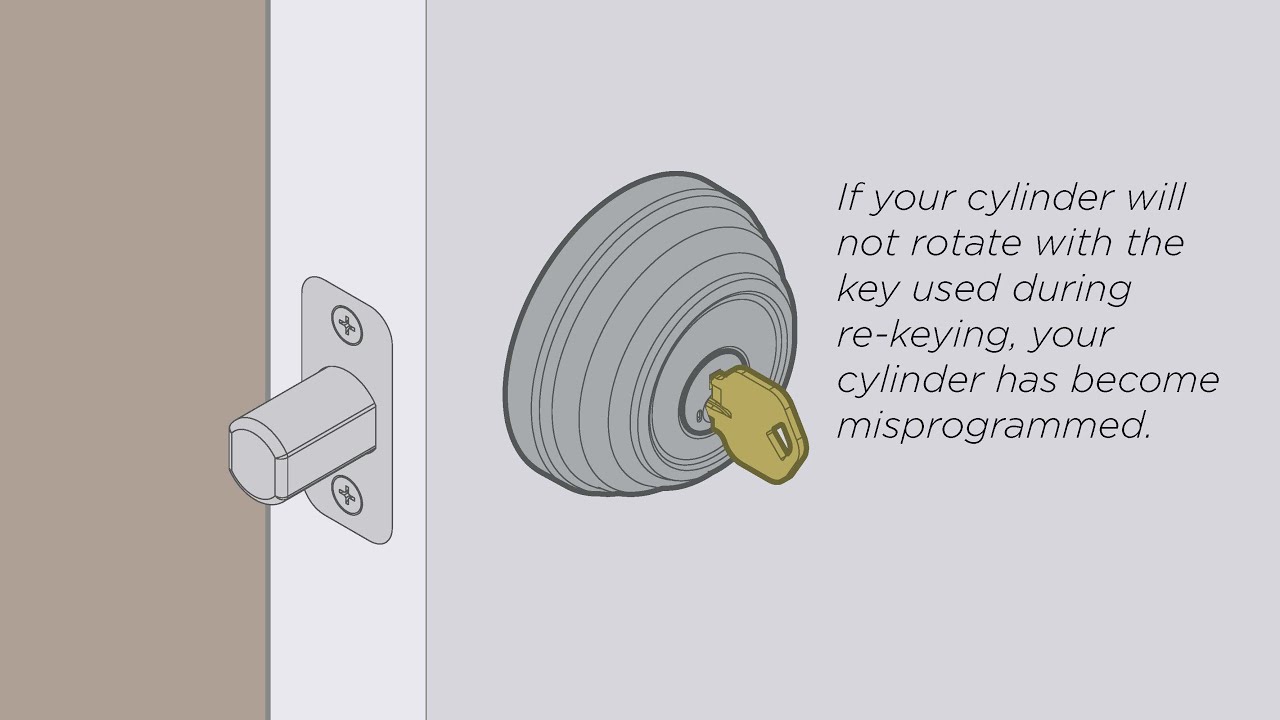
Credit: www.kwikset.com
Preventive Maintenance Tips
Proper care keeps deadbolts working smoothly and avoids frustrating jams. Preventive maintenance protects your lock from damage and extends its life. Simple steps save time and money by stopping issues early. Follow these tips to maintain your deadbolt and prevent it from refusing to turn.
Regular Lubrication Schedule
Lubricate your deadbolt every six months. Use a graphite or silicone-based spray made for locks. Avoid oil-based lubricants that attract dirt. Spray inside the keyhole and on the bolt mechanism. Insert and turn the key several times to spread lubricant evenly. This keeps the lock smooth and prevents sticking.
Keep Door Hinges And Frame Tight
Check door hinges and frame regularly. Loose hinges cause misalignment and pressure on the deadbolt. Tighten screws on hinges and strike plate to keep everything in place. A well-aligned door lets the bolt slide easily. Prevents the lock from jamming or refusing to turn.
Avoid Using Excessive Force On Key
Turn the key gently when using the deadbolt. Forcing the key can bend or break it inside the lock. Excess pressure damages the lock’s internal parts. If the key feels stuck, stop and lubricate the lock. Using light, steady turns protects both key and lock from damage.

Credit: www.reddit.com
Frequently Asked Questions
What Do You Do If Your Deadbolt Won’t Turn?
Lubricate the lock cylinder with graphite spray to ease turning. Check door alignment and adjust if needed. Wiggle the deadbolt gently to release binding. Inspect for broken or jammed internal parts. Replace the lock if problems persist.
Is Wd-40 Good For Stiff Locks?
WD-40 can temporarily loosen stiff locks by removing grime and moisture. Use it sparingly, then apply a proper lock lubricant for lasting results.
How Do I Open A Stuck Deadbolt?
Spray graphite lubricant into the lock cylinder and wait a few minutes. Wiggle the deadbolt gently while turning the key. Check door alignment and adjust if needed. If stuck, inspect for broken parts or call a locksmith for help.
Why Is My Door Lock Not Rotating?
Your door lock may not rotate due to a jammed mechanism, lack of lubrication, or misaligned door. Clean and lubricate the lock. Check for broken parts or door frame pressure. Persistent issues often require lock replacement for smooth operation.
Why Won’t My Deadbolt Turn When I Insert The Key?
A dirty or dry lock cylinder can block key turning. Lubricate with graphite spray for smooth action.
Conclusion
A deadbolt that won’t turn can cause real frustration. Simple steps like lubricating the lock can help. Check the door alignment to reduce pressure on the bolt. Inspect for broken or jammed parts inside the lock. Small fixes often restore smooth operation quickly.
Persistent problems may need a professional locksmith’s help. Regular maintenance keeps your deadbolt working well longer. Stay calm and tackle the issue step by step. Safe and secure doors start with a working deadbolt.