
Have you ever been jolted awake by a sudden cracking noise coming from your ceiling at night? It’s unsettling, isn’t it?
That mysterious sound can leave you wondering if your home is safe or if something serious is going on above your head. You’re not alone in this—many homeowners experience these noises and worry about what they might mean. But before you start imagining the worst, it helps to understand what causes that cracking noise in your ceiling and when it’s time to take action.
You’ll discover the common reasons behind those nighttime sounds, how to spot signs of real trouble, and simple steps you can take to protect your home and peace of mind. Keep reading—you deserve to sleep easy again.
Reasons For Cracking Noises
Cracking noises in the ceiling at night can be unsettling. Understanding the reasons behind these sounds helps reduce worry. Several common causes trigger these noises. Each one points to different factors in your home’s structure or environment.
Thermal Expansion And Contraction
Materials in your ceiling expand and contract with temperature changes. Wood and metal react differently to heat and cold. This constant shifting causes popping or cracking sounds. At night, temperature drops can increase this effect. These noises are normal and usually harmless.
Foundation Settling
Houses settle over time as the ground beneath shifts. This movement can cause stress on the ceiling structure. Cracking sounds may result from small shifts in the foundation. These noises can occur more often at night when the house cools. Foundation settling may need inspection if cracks grow or worsen.
Pest Activity In Ceiling
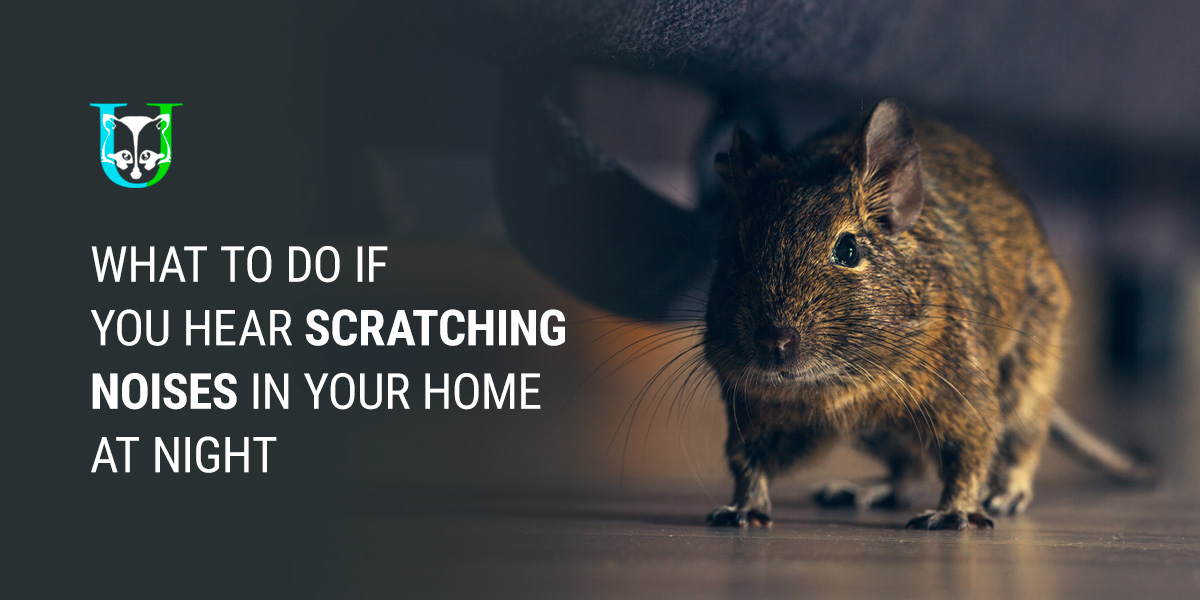
Rodents or insects can make noises inside your ceiling. They move, gnaw, or build nests, causing cracks or tapping sounds. Nighttime is when many pests are most active. Hearing irregular cracking or scratching may indicate an infestation. A pest control expert can identify and solve these problems.
Material Aging And Wear
Ceiling materials like drywall or plaster age and weaken over years. This natural wear can cause small cracks and noises. Older homes especially may produce sounds as materials settle or degrade. Regular maintenance helps keep ceilings in good condition. Ignore these noises only if no other signs of damage appear.

Credit: www.youtube.com
Types Of Ceiling Cracks
Ceiling cracks come in many forms and sizes. Recognizing each type helps identify the severity and causes. Some cracks are harmless, while others need immediate attention. Understanding these types ensures proper care and safety for your home.
Hairline And Small Cracks
These cracks are very thin and often appear along ceiling edges. They usually form from normal house settling or temperature changes. Hairline cracks are generally cosmetic and do not affect structure. Monitor them over time to ensure they don’t widen.
Sagging And Bowing Cracks
Sagging cracks show visible drooping or uneven surfaces. The ceiling may bend downward in certain spots. These cracks can signal structural problems or water damage. Immediate inspection is important to prevent further damage.
Discolored And Stained Cracks
Cracks with dark or yellow stains often indicate water leaks above the ceiling. Water damage weakens the ceiling and can lead to mold growth. Address leaks quickly to avoid costly repairs and health risks.
Intersecting And Large Cracks
Large cracks that cross each other or run across walls need attention. They may point to foundation issues or serious structural shifts. Such cracks often grow over time and should be evaluated by a professional.
When Cracks Signal Trouble
Cracking noises in the ceiling at night can be more than just normal sounds. Sometimes, they warn of serious problems in your home. Understanding these signs helps prevent costly damage and keeps your family safe.
Not all cracks mean danger. Small, thin cracks often come from natural house settling. But certain patterns and signs show when cracks need attention. Watch for these clues to protect your home.
Signs Of Structural Issues
Look for cracks that are wide or growing fast. Cracks that cross from ceiling to wall may show structural damage. Sagging or bowed ceilings are strong warning signs. Doors and windows that stick or do not close properly also point to problems.
Water Damage Indicators
Discoloration around cracks often means water leaks. Yellow or brown stains show moisture has entered. Water weakens ceiling materials and causes cracking sounds. Check for damp spots or mold near the cracks.
Foundation Problem Clues
Cracks in the middle of the ceiling can signal foundation troubles. Uneven floors and gaps around door frames also suggest foundation shifts. Foundation issues affect the whole house and need quick action.
Other Warning Symptoms
Listen for creaking or popping noises that happen often. Multiple cracks that intersect may mean ongoing movement in your home. Notice any new cracks after heavy rain or earthquakes. These signs show your home needs a professional check.

Credit: www.reddit.com
Simple Fixes For Minor Noises
Cracking noises in the ceiling at night can signal serious problems. Acting quickly helps prevent further damage. Follow these key steps to handle serious issues safely and effectively.
Documenting Crack Changes
Start by taking clear photos of the cracks. Place a ruler or measuring tape next to the cracks for scale. Repeat this every two to three weeks. Tracking changes helps professionals assess the problem’s severity. Note any new cracks or widening of old ones.
Seeking Professional Inspection
Call a licensed home inspector or structural engineer. Professionals can identify the cause of the cracking noise. They check for hidden damage that you might miss. Early inspection reduces repair costs and safety risks. Provide your photos and notes to assist their evaluation.
Addressing Water Leaks
Look for water stains or dampness near the cracks. Water leaks weaken ceiling materials and worsen cracks. Hire a plumber to find and fix leaks quickly. Repairing leaks stops further ceiling damage. Keep the area dry and well-ventilated after repairs.
Foundation Repair Options
Foundation problems often cause ceiling cracks and noises. Repair methods depend on the damage type and soil conditions. Common fixes include piering, slabjacking, or wall anchors. Consult a foundation specialist for an accurate assessment. Timely repair protects your home’s structure and value.
Steps For Serious Problems
Preventing future noises in your ceiling is key to ensuring peaceful nights. Small cracks and popping sounds often come from structural shifts or temperature changes. Addressing these causes early saves money and stress later. Simple steps can reduce noises and keep your ceiling stable.
Proper Insulation Techniques
Good insulation helps keep your ceiling quiet. It stops wood and materials from expanding and contracting too much. Use quality insulation materials suited for your climate. Make sure insulation fits snugly without gaps. This reduces the chance of noises caused by movement.
Regular Structural Assessments
Check your ceiling and attic regularly for signs of damage. Look for cracks, sagging, or loose boards. Early detection of issues prevents bigger problems. Hire a professional to inspect every few years. They can spot hidden risks and suggest repairs before noises start.
Managing Temperature Fluctuations
Rapid temperature changes cause materials to shift and crack. Keep your home temperature steady, especially at night. Use programmable thermostats to avoid sharp drops or rises. Proper ventilation also balances indoor heat and moisture levels. This helps reduce cracking noises from thermal stress.
Keeping Pests Away
Pests like rodents and insects can cause scratching and cracking sounds. Seal all gaps and holes in your attic and ceiling. Use pest control methods to keep unwanted visitors out. Regularly clean attic spaces to remove nests or debris. Preventing pests reduces unexpected noises and protects your home.
Credit: urbanjunglewildliferemoval.com
Frequently Asked Questions
When Should You Worry About Cracks In The Ceiling?
Worry about ceiling cracks if they sag, discolor, intersect, appear mid-room, or accompany sticking doors. Track growth and call a professional.
Why Is My House Making Cracking Noises At Night?
Your house makes cracking noises at night due to wood and materials expanding and contracting with temperature changes. Settling and humidity shifts can also cause these sounds.
How To Tell If A Ceiling Is Going To Cave In?
Check for sagging or bowing ceilings, dark stains, multiple intersecting cracks, or cracks spreading from ceiling to walls. These signs may indicate a risk of caving in. Document crack growth and seek professional help immediately if you notice these warning signs.
How To Tell If Ceiling Cracks Are Structural?
Check for sagging, discoloration, intersecting cracks, or cracks across the room’s middle. Also, watch for sticking doors or windows. These signs indicate structural issues. Small, uniform hairline cracks along edges usually aren’t serious. Photograph cracks regularly and consult a professional if signs worsen or water stains appear.
What Causes Cracking Noise In Ceiling At Night?
Temperature changes cause wood and materials to expand and contract, creating cracking sounds.
Conclusion
Cracking noises in your ceiling at night can be normal or a warning sign. Small, quiet cracks often come from house settling. But large cracks, discoloration, or sagging need quick attention. Keep track of changes by taking photos regularly. Fix water leaks right away to avoid damage.
When unsure, ask a professional to inspect your ceiling. Staying alert helps protect your home and peace of mind. Don’t ignore unusual sounds or visible cracks. Your safety matters most.