
Is your circuit breaker constantly tripping and disrupting your daily routine? You’re not alone, and it’s a frustrating problem that demands your attention.
When a breaker keeps tripping, it’s your home’s way of telling you something’s wrong—whether it’s an overloaded circuit, a short circuit, or faulty wiring. Ignoring it can lead to bigger issues or even safety hazards. But don’t worry; understanding why this happens and how to fix it is simpler than you think.
You’ll discover easy steps to troubleshoot the problem, know when to call a professional, and regain control over your home’s electrical system. Keep reading to find out how to stop your breaker from tripping and keep your power running smoothly.
Common Causes
When a circuit breaker keeps tripping, it is a sign of an electrical problem. Understanding common causes helps fix the issue quickly and safely. Below are the main reasons why breakers trip frequently.
Overloaded Circuits
Overloaded circuits happen when too many devices draw power on one circuit. The breaker trips to prevent overheating and fire risks. Avoid plugging multiple high-power devices into the same outlet or circuit.
Short Circuits
Short circuits occur when hot wires touch neutral wires inside the electrical system. This causes a surge of electricity that trips the breaker immediately. Short circuits can cause sparks and damage wiring.
Ground Faults
Ground faults happen when electricity flows outside its intended path. It usually occurs when a hot wire touches a grounded part. Ground fault circuit interrupters (GFCIs) detect this and trip the breaker to protect people from shocks.
Faulty Appliances
Appliances with internal problems can cause breakers to trip. Defective cords or motors create electrical faults. Unplugging and testing appliances one at a time helps find the faulty device.
Wiring Issues
Old or damaged wiring can cause breakers to trip frequently. Loose connections or worn insulation create unsafe conditions. A licensed electrician should inspect and repair wiring problems to ensure safety.
How To Reset
Resetting a tripped circuit breaker is simple but important. It restores power safely after a fault or overload. Follow clear steps to avoid injury and protect your home.
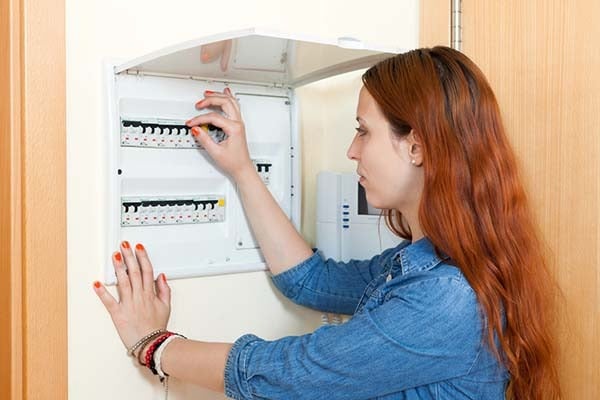
Locate The Tripped Breaker
Open your electrical panel to find the breaker that tripped. It usually sits in the middle position or looks different from others. The switch may not be fully in the “on” position.
Look carefully at each breaker. The tripped one often shows a slight shift or a red mark.
Resetting The Switch
To reset, push the breaker switch fully to the “off” position. Hold it there for a second or two. Then, flip the switch firmly back to “on”.
If the breaker stays on, the issue may be fixed. If it trips again, the circuit might be overloaded or faulty.
Safety Precautions
Always stand on a dry surface when working near the panel. Use one hand to reset the breaker to avoid electric shock. Never touch metal parts inside the panel.
If the breaker trips repeatedly, unplug all devices on that circuit before resetting. If it still trips, call a licensed electrician for help.
Troubleshooting Steps
When a circuit breaker keeps tripping, finding the cause is essential. Follow clear steps to troubleshoot the issue safely. These steps help you identify if the problem is due to overload, faulty devices, or wiring issues.
Unplug Devices
Start by unplugging all devices on the tripped circuit. This includes lights and appliances. After unplugging, reset the breaker by switching it off and then on. If it stays on, the problem lies with one or more devices.
Test For Overload
Overloading happens when too many devices draw power at once. To test, plug in devices one at a time. Turn each device on and watch the breaker. If it trips after adding a device, the circuit is overloaded.
Identify Problematic Appliances
When the breaker trips after plugging in a device, that appliance may be faulty. Check the device for damage or wear. Avoid using it until an electrician inspects or repairs it.
Check For Short Circuits
If the breaker trips with no devices plugged in, a short circuit may exist. This means wires could be touching or damaged. Short circuits are dangerous and need a professional electrician’s help.
Credit: www.circuitbreakerwholesale.com
When To Call A Pro
Knowing when to call a professional electrician is important if your circuit breaker keeps tripping. Some problems need expert attention for safety and proper repair. Calling a pro can prevent damage and protect your home.
Here are key signs that show it is time to get professional help.
Persistent Tripping
If your breaker trips repeatedly even after resetting, it is a serious sign. This can mean a hidden electrical issue that needs expert diagnosis. Persistent tripping can cause power loss and damage to appliances.
Damaged Wiring
Worn or damaged wiring inside walls or outlets can cause breakers to trip. Handling wiring is risky without the right tools and skills. A professional can safely inspect and fix wiring problems to avoid fire hazards.
Faulty Breakers
Circuit breakers wear out over time and may fail to work properly. Faulty breakers can trip without real electrical faults. A licensed electrician can test breakers and replace them if needed to keep your system safe.
Lack Of Electrical Experience
Electrical work involves risks like shocks and fire. Without experience, troubleshooting or fixing breakers can be dangerous. Hiring a pro ensures the job is done correctly and safely, giving you peace of mind.
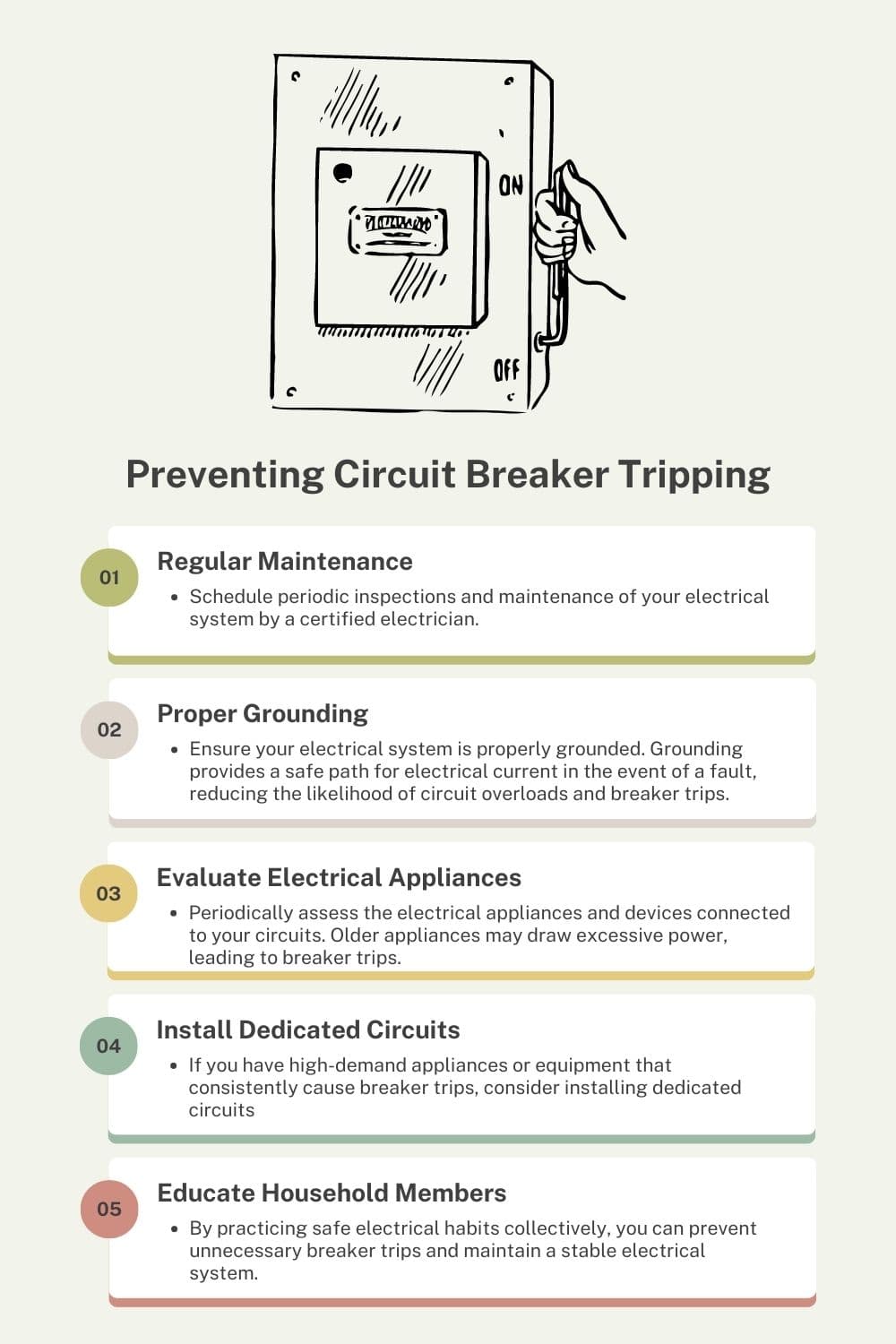
Preventive Measures
Taking preventive steps helps keep your circuit breaker from tripping frequently. These measures protect your home’s electrical system and keep it running smoothly. Simple habits and timely upgrades reduce risks and enhance safety.
Avoid Overloading Circuits
Do not plug too many devices into one outlet or circuit. Overloading causes excess current, which trips the breaker to prevent damage. Spread out appliances across different circuits to balance the load. Use power strips with built-in circuit breakers for extra safety.
Regular Electrical Inspections
Schedule inspections by a licensed electrician every year or two. They check wiring, outlets, and breakers for wear or faults. Early detection of problems prevents frequent trips and hazards. Inspections ensure your electrical system meets safety codes and operates well.
Upgrade Electrical Panel
Older panels may not handle modern electrical demands. Upgrading to a newer panel increases capacity and safety. It reduces the chance of breaker trips caused by outdated or faulty equipment. Consult an electrician to assess if your panel needs an upgrade.
Use Dedicated Circuits
Assign high-power appliances like microwaves and air conditioners to their own circuits. Dedicated circuits prevent overloads and reduce breaker trips. This setup also protects sensitive electronics from power fluctuations. Dedicated circuits improve overall electrical system reliability.
:max_bytes(150000):strip_icc()/reset-a-tripped-breaker-4134193-hero-c5f5257dd0474f2dbb6745beef15acd5.jpg)
Credit: www.thespruce.com
Credit: www.ahs.com
Frequently Asked Questions
How Do You Fix A Breaker That Keeps Tripping?
Reset the breaker by switching it off, then on. Unplug all devices and test each to find overload. Call an electrician if it trips with nothing plugged in or wiring seems faulty.
How Do I Find What Is Tripping My Circuit Breaker?
Reset the breaker by switching it off and on. Unplug all devices on the circuit. Plug them in one by one to find the cause. If it trips with nothing plugged in, call an electrician for wiring or breaker issues.
How To Tell If A Circuit Breaker Is Bad?
A bad circuit breaker trips frequently or won’t reset. It may feel hot, show physical damage, or cause power loss. Test by resetting; if it trips with no load, the breaker likely needs replacement. Consult an electrician for safety and accurate diagnosis.
How Many Times Can A Circuit Breaker Trip Before It Goes Bad?
A circuit breaker can trip hundreds of times before failing. Frequent tripping may indicate an overload, short, or faulty breaker. Replace it if it won’t reset or trips immediately without load. Regular maintenance ensures safety and reliable performance.
Why Does My Circuit Breaker Keep Tripping Repeatedly?
A breaker trips to protect wiring from overheating due to overloads or short circuits.
Conclusion
A circuit breaker that keeps tripping signals an electrical issue. Reset the breaker carefully and watch for repeated trips. Unplug devices on the circuit to find any overloads. Test appliances one by one to spot the problem. If it trips with nothing plugged in, wiring may be faulty.
Electrical problems like short circuits need professional help. Staying safe is the top priority when dealing with breakers. Regular checks can prevent frequent trips and protect your home. Understanding these steps helps keep your electrical system stable.