
When it comes to moving air in your space, you might wonder: should you choose an air mover or a fan? Both serve to circulate air, but they do very different jobs.
If you want quick drying after a spill or water damage, an air mover delivers powerful, focused airflow that gets the job done fast. On the other hand, if your goal is to stay cool or simply freshen up a room, a fan creates a gentle breeze that spreads air evenly.
Understanding these differences can save you time, money, and frustration. Keep reading to discover which option fits your needs perfectly and how you can make the best choice for your home or workspace.

Credit: commercialcleaningdepot.com
Air Mover Basics
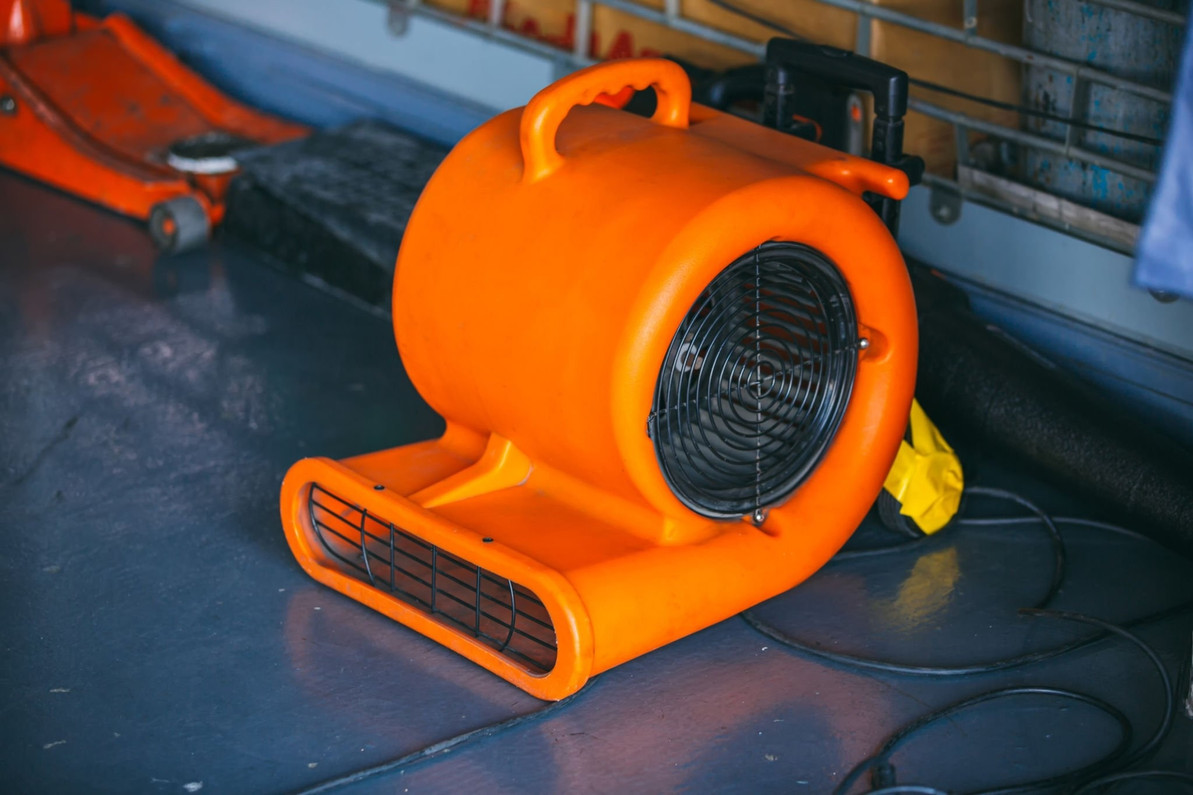
An air mover is a device made to push air at high speed in one direction. It helps dry wet areas fast and moves air where needed most. Unlike a fan, it does not spread air gently but sends a strong stream of air to a focused spot.
This tool works well in places where quick drying is a must. Its design and power set it apart from regular fans used for cooling rooms or people.
Focused High-velocity Airflow
Air movers create a strong, narrow flow of air. This focused air helps dry wet floors, carpets, or walls quickly. The high speed of air moves moisture away fast. It is not meant to cool a whole room but to target specific damp areas. This makes air movers ideal for emergency drying tasks.
Common Applications
These devices are popular in water damage cleanup and restoration work. They dry carpets, floors, and walls after floods or spills. Construction sites use them to dry paint or plaster faster. They also help in drying rooms or spaces with poor air circulation. Air movers work well in both homes and commercial buildings.
Portability And Design
Air movers are usually lightweight and easy to carry. Many have handles and stackable shapes for easy storage. Their compact design helps place them in tight spaces. This portability lets users move them to different areas quickly. The durable build suits tough job sites and daily use.
Fan Fundamentals
Understanding the basics of fans helps to see their role clearly. Fans move air to create comfort and fresh airflow. They are common in homes and offices.
Fans work by spinning blades to push air around a space. This movement helps cool down people and refresh the environment. Fans are simple machines but very useful.
Broad Air Circulation
Fans spread air widely across a room. They do not focus air in one direction. This broad circulation helps lower the feeling of heat.
The airflow from fans feels like a gentle breeze. It can move stale air and bring in fresh air if windows are open. Fans keep air moving evenly.
Typical Uses At Home
Fans are great for everyday home use. People use them in living rooms, bedrooms, and kitchens. Fans help cool people during hot weather.
They also help dry small wet spots, like after cleaning. Fans improve air flow to avoid stuffy rooms. They are easy to turn on and off as needed.
Lightweight And Portable Features
Most fans are light and easy to carry. This makes moving them from room to room simple. Fans come in many sizes to fit different spaces.
Their portability means you can place them near people for better cooling. Fans often have handles or stands for easy use. This design adds to their convenience.
Performance Comparison
Comparing the performance of air movers and fans helps choose the right tool. Both devices move air, but their design and function differ. These differences affect airflow patterns, drying efficiency, and noise levels.
Airflow Patterns
Air movers create strong, focused airflow in one direction. This helps target specific wet areas or tight spaces. Fans produce a wider, less concentrated airflow. They move air around a room for general ventilation.
Because of the directional airflow, air movers work well on floors, walls, and carpets. Fans are ideal for circulating fresh air and cooling people in open spaces.
Drying Efficiency
Air movers dry surfaces quickly by blowing high-speed air directly onto them. This speeds up evaporation and reduces moisture fast. Fans dry areas more slowly since their airflow is less intense and scattered.
In water damage or construction, air movers help prevent mold by drying materials fast. Fans suit light drying tasks and improving comfort in homes or offices.
Noise Levels
Air movers generally produce louder noise due to their powerful motors and fast airflow. This can be distracting in quiet environments. Fans operate with less noise, making them better for daily use around people.
Choosing between an air mover and fan depends on balancing drying speed and noise tolerance. Use air movers for tough drying jobs. Pick fans for gentle air circulation and quieter spaces.
Credit: www.xpoweraustralia.com.au
Cost And Durability
Cost and durability are key factors when choosing between an air mover and a fan. Both tools serve to move air but differ in price, build, and upkeep. Understanding these differences helps you pick the right device for your needs and budget.
Price Differences
Fans generally cost less than air movers. Basic fans can be found at low prices, suitable for everyday use. Air movers, built for heavy-duty tasks, are pricier. Their advanced design and stronger motors raise the cost. Investing in an air mover means paying more upfront but gaining faster drying power.
Build Quality
Air movers are made with durable materials to handle tough environments. They often have rugged plastic or metal bodies. Fans usually have lighter frames and simpler parts. This makes fans less durable under constant or harsh use. Air movers resist wear and tear better, ideal for construction or restoration jobs.
Maintenance Needs
Fans require minimal maintenance, mostly dusting and occasional cleaning. Air movers need more care to keep them running well. Their motors and blades must stay clean and free from debris. Regular checks prevent breakdowns and extend their lifespan. Proper maintenance is essential for air movers’ durability.
Choosing By Application
Choosing between an air mover and a fan depends on the task you need to complete. Each device serves a specific purpose based on airflow power and direction. Understanding their differences helps pick the right tool for your needs.
Air movers deliver strong, focused air to dry or ventilate targeted areas fast. Fans create gentle, broad airflow to cool spaces and improve comfort. The choice varies by application and environment.
Water Damage And Restoration
Air movers work best for water damage cleanup. They push high-speed air directly on wet surfaces. This speeds up drying and reduces mold risks. Fans do not move enough air to dry water damage quickly. Professionals use air movers to restore homes and buildings after floods.
Home Cooling And Comfort
Fans are ideal for everyday home use. They circulate air softly to cool rooms and people. Air movers may be too strong and noisy for comfort. Fans come in many styles, from ceiling to table fans. They help keep living spaces fresh and cool during warm days.
Industrial And Commercial Uses
Air movers suit industrial jobs that need fast drying or ventilation. Factories and construction sites use them to dry paint or plaster. Fans may be used for general air movement but lack power for heavy-duty tasks. Air movers handle tough environments with strong airflow and durability.
Energy Consumption
Energy consumption plays a key role in choosing between an air mover and a fan. Both devices use electricity but differ in power needs and efficiency. Understanding their energy use helps save money and reduce environmental impact.
Choosing the right device depends on how much power it uses and how long it runs. This section compares energy consumption for air movers and fans.
Power Usage Of Air Movers
Air movers typically use more power than standard fans. They are designed to push air at high speeds for quick drying. This strong airflow requires a motor with higher wattage. Most air movers consume between 200 to 500 watts. The exact usage depends on the model and speed settings. Their power use is justified by the fast and focused airflow they provide.
Fan Energy Efficiency
Fans generally consume less electricity than air movers. They use smaller motors that run continuously to circulate air gently. Typical fans use between 40 to 100 watts. Fans are more energy efficient for everyday use in homes. They spread air over a wide area but with less force. This makes fans ideal for cooling and ventilation with low power consumption.
Long-term Operating Costs
Operating costs depend on power consumption and usage time. Air movers cost more to run due to higher wattage. They are best for short, heavy-duty jobs where quick drying matters. Fans cost less to operate and suit long-term use. Using a fan for hours consumes less energy and lowers bills. Choosing between them depends on the task and frequency of use.
Portability And Storage
Portability and storage play key roles when choosing between an air mover and a fan. These factors affect how easily you can move the device and where you can keep it. Understanding size, weight, and storage needs helps you pick the right tool for your space and tasks.
Size And Weight Considerations
Air movers are usually compact but built solid for heavy use. They often weigh more than standard fans. Fans come in various sizes, from small desk models to large standing units. Lighter fans are easier to carry around and fit in tight spots.
Ease Of Transport
Air movers often have handles molded into their design. This makes them easier to carry despite their weight. Some fans have wheels or collapsible stands for better mobility. Smaller fans fit into bags or cases for travel. Air movers are better suited for jobs requiring movement between rooms or sites.
Storage Requirements
Air movers need space due to their shape and size. Their sturdy build means they take up more room on shelves or in closets. Fans, especially smaller ones, store flat or fold up. Some fans disassemble for compact storage. Choose a device that fits your available storage space to avoid clutter.
Safety And Noise
Safety and noise are key factors in choosing between an air mover and a fan. Both devices affect the environment and user experience in different ways. Understanding these differences helps ensure safe and comfortable use.
Operational Safety Tips
Always place air movers and fans on flat, stable surfaces. Avoid using them near water unless they are designed for wet areas. Keep cords untangled and away from walkways to prevent tripping. Regularly check for damage to cords and plugs. Turn off the device before moving it. Use proper electrical outlets to avoid overloads. Follow manufacturer instructions to avoid accidents.
Noise Impact On Environment
Air movers often produce louder sounds due to powerful airflow. Fans usually operate with quieter noise levels. Loud noise from air movers may disturb neighbors or coworkers. Noise pollution affects concentration and relaxation. Choose devices with noise ratings that suit your environment. Place machines away from noise-sensitive areas to reduce disturbance. Consider noise dampening accessories if needed.
User Comfort Factors
Fans create gentle airflow, which feels more natural on skin. Air movers deliver strong, focused air that may feel harsh. Noise levels also affect user comfort during long use. Fans often have adjustable speeds for personalized comfort. Air movers may have fewer speed settings but greater airflow control. Position devices to avoid direct airflow on people for comfort. Take breaks if noise or airflow causes discomfort.
Popular Brands And Models
Choosing the right air mover or fan depends on brand reliability and model features. Trusted brands offer durable products with strong performance. Understanding popular options helps make a smart purchase. This section highlights top air movers, recommended fan models, and what customers say about them.
Top Air Movers In Market
Air movers by brands like B-Air, Dri-Eaz, and Lasko lead the market. B-Air’s Velocity series offers strong airflow and compact design. Dri-Eaz has the Turbo and LGR models, known for durability and efficiency. Lasko provides budget-friendly air movers suitable for home use. These models handle tough drying tasks well.
Recommended Fan Models
Fans from Dyson, Vornado, and Honeywell stand out for quality and features. Dyson’s Cool AM07 is quiet and energy-efficient. Vornado offers models with powerful air circulation and adjustable speeds. Honeywell fans are reliable and affordable, perfect for everyday use. These fans suit general cooling needs effectively.
Customer Ratings And Reviews
Customers praise air movers for fast drying and strong airflow. Positive reviews highlight ease of use and sturdy build. Some users note noise levels but accept it due to performance. Fans receive high marks for quiet operation and energy savings. Buyers appreciate good value and long-lasting function in both types.
Frequently Asked Questions
Is An Air Mover Better Than A Fan For Cooling?
An air mover delivers powerful, focused airflow for quick drying and restoration. Fans provide gentle, broad air circulation for general cooling and comfort. Choose air movers for drying tasks and fans for everyday room cooling.
Do Air Circulators Work Better Than Fans?
Air circulators deliver focused, high-velocity airflow for quick drying and ventilation. Fans provide broader, gentle airflow for general cooling and comfort. Air circulators outperform fans in targeted drying, while fans excel in everyday air circulation. Choose based on specific needs like drying speed or room comfort.
Are Air Movers Worth It?
Air movers deliver powerful, focused airflow ideal for fast drying and moisture control. They outperform fans in water damage and restoration tasks. Fans suit general cooling and air circulation. Investing in air movers is worth it for efficient drying and ventilation in demanding environments.
What Is An Air Mover Good For?
An air mover delivers powerful, focused airflow to quickly dry surfaces, remove moisture, ventilate spaces, and cool equipment or workers. It excels in water damage restoration, carpet drying, and industrial drying tasks where fast, targeted air circulation is essential.
What Is The Main Difference Between An Air Mover And A Fan?
An air mover creates strong, focused airflow for drying; a fan circulates air gently for cooling.
Conclusion
Choosing between an air mover and a fan depends on your needs. Air movers dry quickly with strong, focused airflow. Fans move air gently to cool rooms and improve comfort. For water damage or fast drying, air movers work best.
For everyday air circulation, fans are a simple choice. Both tools help keep air moving but serve different purposes. Understanding these differences helps you pick the right option. Consider where and how you will use the device before deciding. This way, you get efficient airflow for your space.