
Choosing the right material for your roof strips can make a big difference in protecting your home and keeping it looking great. If you’re wondering whether zinc or copper roof strips are better for your Austin, Texas home, you’re not alone.
Both metals have unique benefits and drawbacks when it comes to durability, appearance, and preventing moss or algae growth. You’ll discover how zinc and copper roof strips work, which one fits your needs best, and what you should consider before making a decision.
Keep reading to find out which option will give your roof the protection and style it deserves.
Material Properties
Zinc and copper roof strips are popular choices for protecting roofs. Their material properties influence performance and maintenance needs. Understanding these properties helps in choosing the right strip for your roof. Below, we explore key material aspects that affect their function and longevity.
Durability And Lifespan
Copper strips are known for their strength and long lifespan. They can last over 50 years without losing effectiveness. Zinc strips also offer good durability, typically lasting around 25 to 40 years. Both metals resist cracking and warping under normal weather conditions. Their solid construction makes them reliable for roof protection.
Patina And Weathering
Copper develops a greenish patina over time. This natural layer protects the metal and adds aesthetic value. Zinc forms a grayish patina that also shields it from damage. The patina on both metals changes slowly and helps them blend with the roof. Weathering creates a protective barrier that enhances durability.
Corrosion Resistance
Both metals resist corrosion well, but copper performs better in salty or acidic environments. Zinc is highly resistant to rain and snow but can corrode faster in polluted air. The protective patina on zinc and copper reduces corrosion risk. Proper installation and maintenance improve their resistance further.
Credit: americanroofbriteva.com
Effectiveness Against Moss
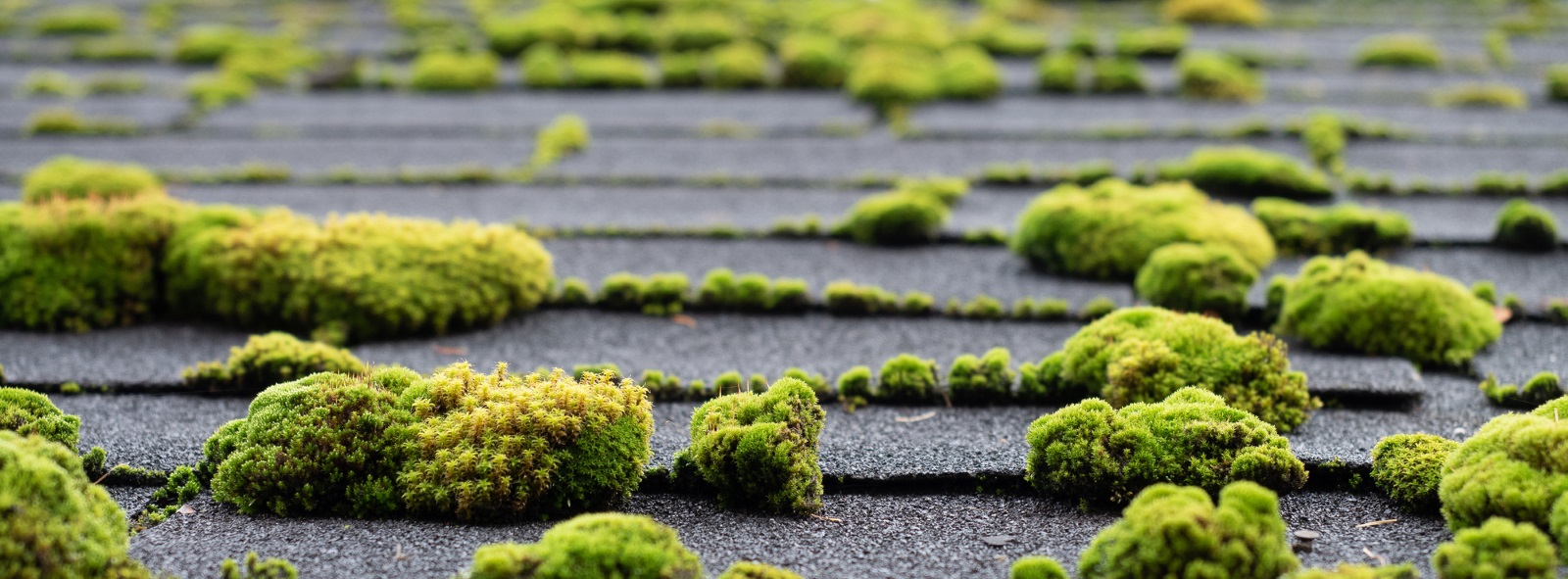
Moss on roofs causes damage and looks unattractive. Zinc and copper roof strips help control moss growth. Each metal works differently to fight moss. Understanding their effectiveness helps choose the right option for your roof.
How Zinc Strips Work
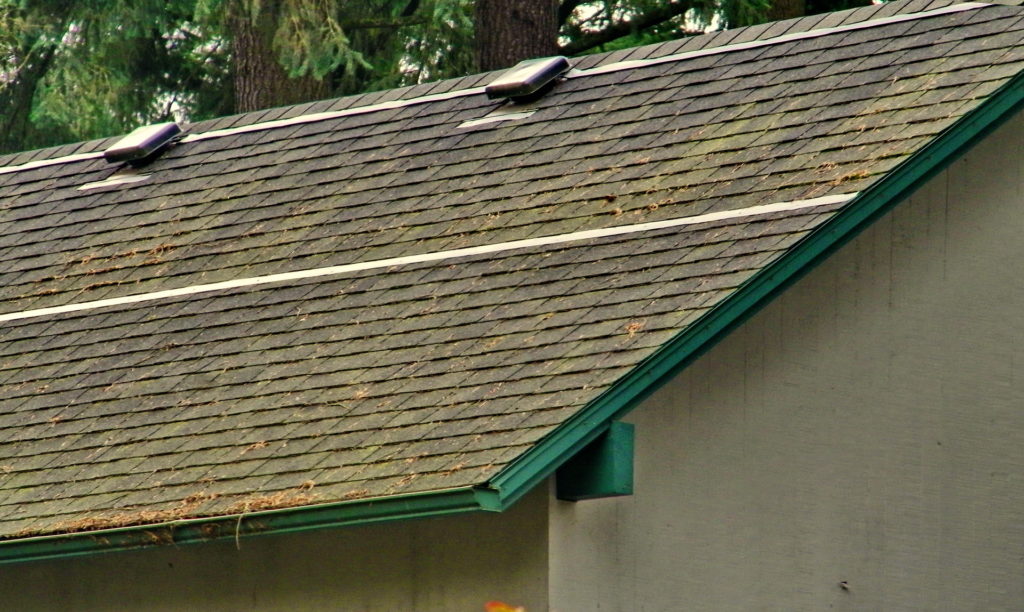
Zinc strips release zinc ions when rainwater flows over them. These ions flow down the roof surface. Zinc ions stop moss, algae, and mildew from growing. The strips work best to prevent new moss growth. They do not remove moss already on the roof. Zinc strips work well near the roof ridge where water runs most.
How Copper Strips Work
Copper strips release copper ions into rainwater. Copper ions are toxic to moss and similar plants. The ions flow down the roof, preventing moss from growing. Copper strips also act mostly as a preventive measure. They can slow moss growth but do not remove thick moss layers. Copper works best on roofs with regular rainwater flow.
Prevention Vs Removal
Both zinc and copper strips help prevent moss growth effectively. They stop moss spores from settling and growing on the roof. Neither metal strip removes moss already present. For existing moss, manual cleaning or treatment is necessary. Strips work best on clean roofs to avoid moss return. Regular maintenance ensures long-term moss control.
Installation Factors
Choosing between zinc and copper roof strips involves several installation factors. These factors affect the strips’ performance, durability, and overall effectiveness. Proper installation ensures the strips work well to prevent moss and algae growth.
Placement On Roof
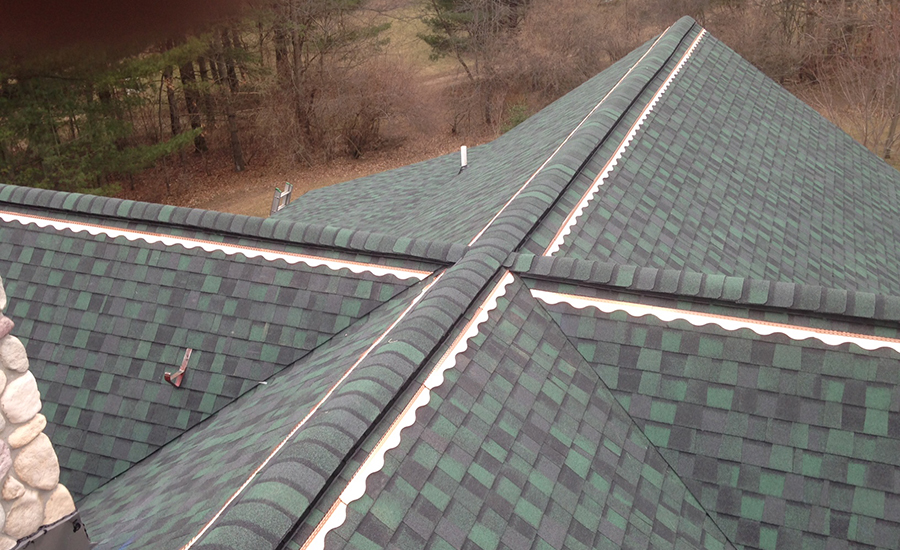
Zinc and copper strips must be placed near the roof ridge. This position allows rainwater to carry metal ions down the roof. The ions stop moss and algae from growing. Placement too low reduces effectiveness. Strips should cover the entire ridge line for best results. Avoid placing strips where water does not flow.
Professional Vs Diy
Installing roof strips requires care to avoid roof damage. Professionals know how to place strips without causing leaks. They use proper tools and techniques. DIY installation risks making extra nail holes, leading to leaks. Professionals ensure secure fitting and long-term protection. For zinc strips, expert installation prevents premature wear. Copper strips also benefit from precise placement to avoid corrosion spots.
Maintenance Needs
Zinc and copper strips need little maintenance after installation. Check strips yearly for damage or displacement. Clean debris that may block water flow. Zinc strips may need replacement after 10-15 years. Copper strips last longer but still require inspection. Proper maintenance extends the roof’s protection. Keep gutters clear to support strip effectiveness.
Cost Comparison
Comparing the cost of zinc and copper roof strips is essential for budget planning. Both materials offer unique benefits but differ in price and maintenance needs. Understanding these differences helps in making the right choice for your roof.
Initial Investment
Zinc roof strips generally cost less than copper strips upfront. Zinc is more abundant and easier to produce. Copper, being a premium metal, commands a higher price. Installation costs are similar for both, depending on roof size and complexity.
Long-term Value
Copper strips often last longer due to their natural resistance to corrosion. They develop a protective patina that shields them from weather damage. Zinc also resists corrosion but may degrade faster in harsh environments. Copper’s durability can offset its higher initial cost over time.
Replacement Frequency
Zinc strips may need replacement more often than copper ones. Their lifespan typically ranges from 15 to 25 years. Copper strips can last 40 years or more with little maintenance. Fewer replacements reduce labor and material costs in the long run.
Environmental Impact
The choice between zinc and copper roof strips affects more than just appearance and cost. Their environmental impact plays a key role in deciding which material to use. Both metals interact differently with nature during and after installation. Understanding their eco-friendliness, runoff effects, and sustainability can guide a greener decision for your roofing project.
Eco-friendliness
Zinc roof strips have a low environmental footprint during production. Zinc is abundant and requires less energy to mine and process. Copper, though recyclable, demands more energy and resources to extract. Zinc also tends to corrode slower, reducing frequent replacements. Both metals are recyclable, but zinc’s lower energy use makes it a greener option overall.
Runoff Effects
Rainwater passing over zinc strips carries zinc ions down the roof. These ions prevent moss and algae growth but can accumulate in soil. Excess zinc may affect plant life negatively in large amounts. Copper strips release copper ions in runoff water. Copper is toxic to many aquatic species even at low levels. Careful placement and runoff control are essential to limit environmental harm from both metals.
Sustainability
Both zinc and copper roof strips offer long service lives, reducing waste. Zinc’s natural abundance supports sustainable sourcing. Copper mining often involves higher environmental disruption. Recycling zinc and copper helps conserve resources and reduce landfill waste. Choosing recycled materials enhances sustainability. Proper maintenance extends strip life, cutting down on material turnover and environmental impact.
Credit: www.warnerroofinginc.com
Aesthetic Considerations
Choosing between zinc and copper roof strips involves more than durability and function. The look of these materials plays a key role in enhancing your roof’s overall charm. Understanding their aesthetic qualities helps you select the right strip to match your home’s style and personal taste.
Visual Appeal Over Time
Zinc roof strips develop a soft gray patina as they age. This natural coating protects the metal and gives it a sleek, modern look. Copper strips start bright and shiny but slowly turn green due to oxidation. This verdigris finish adds character and a vintage feel to your roof. Both metals change over time, but the color shift is more dramatic with copper.
Compatibility With Roof Styles
Zinc strips suit contemporary and minimalist roof designs well. Their subtle gray tone blends easily with metal, tile, or slate roofs. Copper strips fit classic, rustic, or historic homes beautifully. The warm hue of copper complements wooden shingles and traditional roofing materials. Both metals enhance different architectural styles, so choose based on your roof’s design.
Color And Finish Options
Zinc is mostly available in natural gray but can be coated for different finishes. Matte and brushed textures add variety without losing the metal’s industrial charm. Copper offers a richer palette, from bright polished copper to aged green patina. It can also be sealed to keep its original shiny finish longer. Both metals allow homeowners to customize their roof’s look easily.
Regional Suitability
Choosing between zinc and copper roof strips depends greatly on the region. Each metal reacts differently to local conditions. Understanding regional suitability helps pick the best option.
Factors like climate, laws, and common problems influence the choice. Austin, Texas, has unique needs for roof protection. This section explores these key aspects.
Climate Adaptability
Austin has a hot, humid climate with heavy rain in some seasons. Zinc roof strips resist corrosion well in moist conditions. They slowly release zinc ions that prevent moss growth.
Copper also resists corrosion and forms a protective patina. This patina shields the metal from the sun and rain. Copper works well in Austin’s sun exposure and occasional storms.
Zinc may wear faster in intense sunlight. Copper is more durable under strong sun. Both metals handle rain and humidity but differ in how long they last.
Local Regulations
Austin building codes may restrict certain roofing materials. Checking local rules before installation is important. Both zinc and copper are usually allowed but permits might be needed.
Some neighborhoods have aesthetic rules. Copper’s shiny green patina can stand out. Zinc has a duller finish that blends more easily.
Confirm rules with local authorities to avoid fines. Proper permits ensure roofing meets safety and design standards.
Common Issues In Austin, Texas
Roof moss and algae grow well in Austin’s humidity. Zinc strips slow this growth by releasing zinc ions. They help keep roofs cleaner over time.
Copper also prevents moss but at a higher cost. It resists stains and maintains appearance longer. Both metals reduce maintenance needs.
Heat can cause metal expansion and contraction. Proper installation prevents damage from temperature changes. Austin’s storms require strong, well-secured strips.
Credit: www.capitalforest.com
Frequently Asked Questions
Do Zinc Strips Really Work On Roofs?
Zinc strips prevent moss, algae, and mildew growth by releasing zinc ions in rainwater. They work best on clean roofs and near the ridge. Zinc strips do not remove existing growth and lose effectiveness over time. Professional installation ensures proper placement and roof protection.
Is Copper Or Zinc Roofing Better?
Copper roofing offers superior durability and an attractive patina with age. Zinc roofing resists corrosion and prevents moss growth effectively. Copper suits long-term aesthetics; zinc provides eco-friendly protection. Choose based on budget, climate, and design preferences for best results.
How Long Do Zinc Strips Last On A Roof?
Zinc strips on roofs typically last 5 to 10 years. Their effectiveness decreases as zinc wears off and requires replacement.
Do Copper Roof Strips Prevent Shingle Damage?
Copper roof strips help prevent shingle damage by inhibiting moss, algae, and mildew growth. They release copper ions with rainwater, protecting shingles from deterioration. Proper installation ensures effectiveness, mainly on clean roofs. Copper strips do not remove existing growth but reduce future damage caused by biological buildup.
What Are The Main Differences Between Zinc And Copper Roof Strips?
Zinc strips release zinc ions to prevent moss, while copper strips release copper ions. Zinc is less expensive and copper lasts longer.
Conclusion
Choosing between zinc and copper roof strips depends on your needs and budget. Zinc strips help prevent moss and algae but work best on clean roofs. Copper strips also stop growth and last longer but come at a higher cost.
Both metals need proper installation for best results and durability. Consider roof location, sunlight, and existing moss before deciding. Regular roof care remains important regardless of the strip you choose. This will keep your roof strong and clean for many years.