
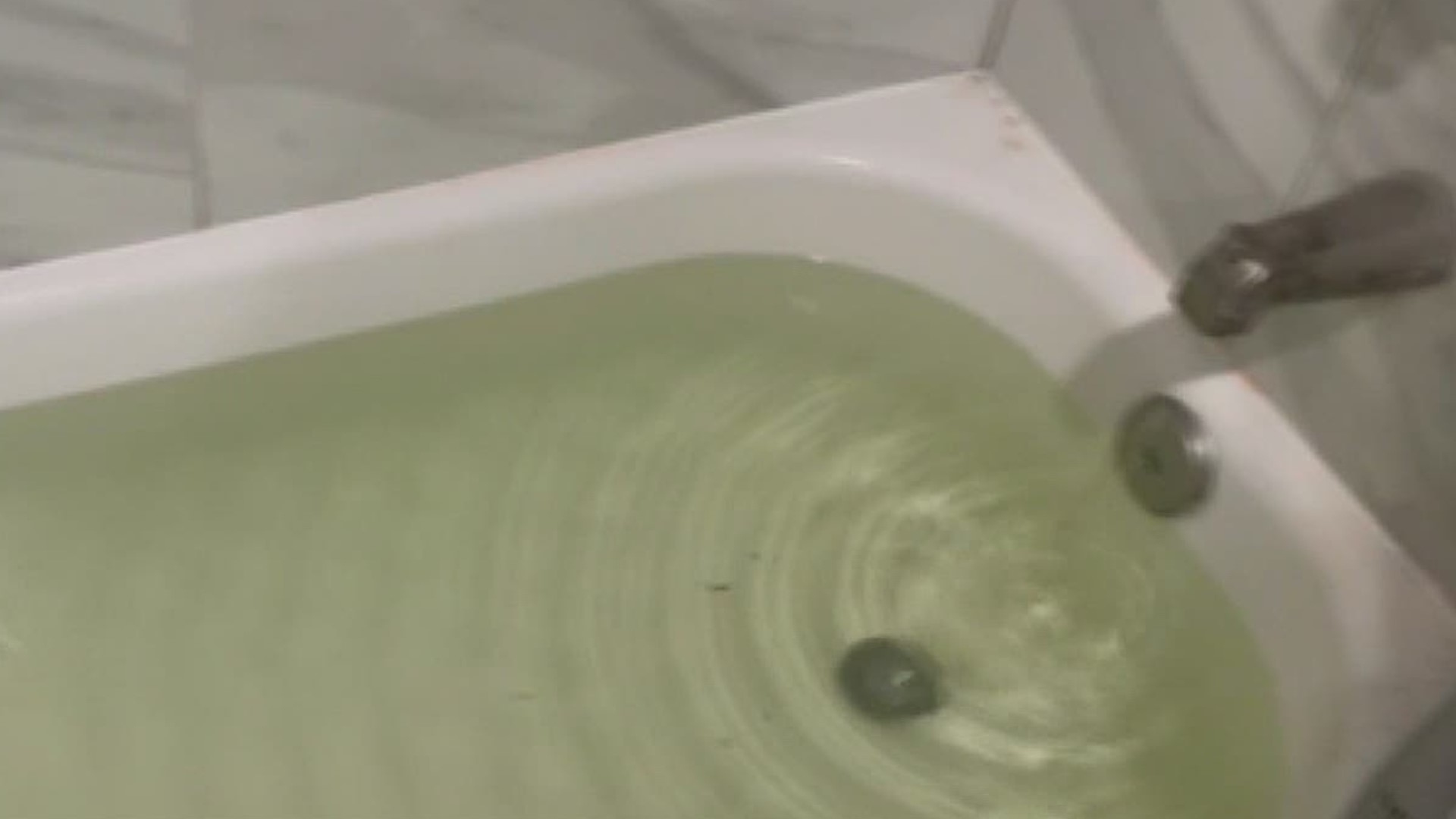
Yellow water in your bathtub can be alarming. You might wonder if it’s safe to use or what’s causing that strange color.
The good news is, in most cases, yellow water isn’t harmful—it’s often due to rust or minerals in your pipes or water heater. But ignoring it isn’t the best idea either. Understanding why your bathwater turns yellow can help you take the right steps to fix it and enjoy clean, clear water again.
You’ll discover the common reasons behind yellow bathtub water, how to identify the source, and simple solutions you can try yourself. Keep reading to protect your home’s water quality and avoid bigger plumbing problems down the line.
Credit: www.reddit.com
Common Causes
Yellow water in your bathtub can be unsettling. It usually signals an issue with your water supply or plumbing. Understanding common causes helps you identify and fix the problem quickly. Below are the main reasons yellow water appears in bathtubs.
Rusty Pipes And Fixtures
Old pipes and fixtures can corrode over time. Rust flakes break off and enter your water, causing a yellow tint. This happens mostly in homes with iron or steel plumbing. Rusty water often looks cloudy and smells metallic. Replacing or repairing pipes can stop this problem.
Water Heater Sediment
Water heaters collect minerals and sediment at the bottom. Over time, this buildup breaks loose and flows through your taps. Sediment contains iron, which colors water yellow or brown. Flushing the water heater yearly removes sediment and improves water clarity.
Main Water Line Issues
Work on the city’s main water line can disturb sediment and rust. This sends particles into your home’s water supply, causing temporary yellow water. The color usually clears after running taps for a few minutes. Persistent yellow water may need a plumber’s inspection.
Well Water Contamination
Homes using well water can face natural contamination. Iron bacteria and organic materials cause yellow or brown water. Well water may need testing and treatment with filters or disinfectants. Proper maintenance keeps well water clean and clear.
High Mineral Levels
Hard water contains high levels of minerals like iron and manganese. These minerals stain water yellow and leave deposits on fixtures. Installing a water softener or filter reduces minerals. This improves water quality and protects plumbing.

Credit: mycbs4.com
Health And Safety Risks
Yellow water in your bathtub may look alarming. Understanding the health and safety risks helps you decide what to do next. The color often signals the presence of certain contaminants or plumbing issues. Some risks affect your skin and hair, while others may require immediate attention.
Knowing what causes the discoloration and when to be concerned protects your well-being. This section breaks down the main health and safety concerns linked to yellow bathtub water.
Potential Contaminants
Yellow water often contains iron or manganese from old pipes or water sources. These minerals can cause rust-colored stains. Sometimes, organic materials like tannins from decaying leaves enter the water supply. In rare cases, harmful bacteria or chemical pollutants may be present. Contaminants can affect water taste, smell, and safety. Testing the water helps identify the exact cause.
Impact On Skin And Hair
Bathing in yellow water may irritate sensitive skin. Minerals like iron can leave a dry or itchy feeling. Hair might become dull or discolored after repeated exposure. People with skin conditions should avoid prolonged contact. Using filtered or clean water reduces these effects. Quick rinses with fresh water help remove residue.
When To Be Concerned
Immediate concern arises if the water smells bad or looks cloudy. Sudden changes in color or quality may signal pipe damage or contamination. If you notice skin irritation, stop using the water for bathing. Yellow water after maintenance or heavy rain may clear on its own. Persistent discoloration needs professional inspection and water testing. Avoid drinking or cooking with discolored water until it is safe.
Simple Quick Fixes
Yellow water in your bathtub can be unpleasant and worrying. Simple quick fixes often solve this problem fast. These solutions focus on clearing rust, sediment, and impurities from your water system. You can try these steps yourself without needing a plumber. They help restore clear, clean water for bathing.
Flushing Your Pipes
Flushing pipes helps remove rust and sediment buildup. Start by turning off the main water supply. Open all faucets and let the water run for 10 to 15 minutes. This process clears out old, rusty water trapped in the pipes. Close the faucets and turn the water supply back on. This simple step often clears yellow discoloration.
Cleaning The Water Heater
Rust inside a water heater can cause yellow water. Drain and flush your water heater to remove sediment. Turn off the heater and let the water cool. Attach a hose to the drain valve and drain the tank completely. Open the cold water valve to flush out remaining debris. Regular cleaning keeps water clear and extends the heater’s life.
Using Water Filters
Installing water filters can block iron and sediments from reaching your taps. Choose filters designed for removing rust and minerals. Attach them to your main water line or directly to faucets. Filters improve water quality and protect plumbing fixtures. Change filters regularly for the best results and clean water.
Credit: www.kiiitv.com
Long-term Solutions
Yellow water in your bathtub can be more than just an eyesore. Finding long-term solutions helps keep your water clean and safe. Addressing the root causes stops the problem from returning. Here are key methods to consider for lasting improvement.
Replacing Old Plumbing
Old pipes often cause yellow water due to rust buildup inside them. Replacing these pipes with modern materials like copper or PVC stops rust from entering your water. New plumbing also improves water flow and quality. This change reduces the chance of future discoloration and contamination.
Regular Maintenance Tips
Keep your plumbing system healthy with regular checks. Flush your water heater every six months to remove sediment. Clean faucet aerators and showerheads to prevent mineral buildup. Inspect pipes for leaks or corrosion and fix problems quickly. These habits maintain clear water and prevent yellow discoloration.
Professional Water Testing
Testing your water identifies the exact cause of yellow tint. Professionals check for iron, manganese, and other minerals or contaminants. Testing helps choose the right treatment or filtration system. Regular water tests ensure your water stays safe and clear over time.
Preventive Measures
Preventing yellow water in your bathtub helps keep your home’s water clean and safe. Taking simple steps can reduce rust and sediment buildup. These measures protect your plumbing and improve water quality. Regular care avoids unpleasant water discoloration and potential damage.
Routine Pipe Inspections
Check pipes regularly for rust or leaks. Old pipes often cause yellow water due to corrosion. Early detection stops sediment from entering water. Hire a professional plumber for thorough inspections. Fixing or replacing damaged pipes keeps water clear.
Water Softening Systems
Install a water softener to reduce minerals like iron and manganese. These minerals cause yellow or rusty water. Water softeners clean hard water before it reaches taps. They extend the life of plumbing and appliances. Choose a system that fits your home’s water needs.
Monitoring Municipal Water Notices
Stay alert to local water quality reports and alerts. Municipalities inform residents about water maintenance and changes. Flushing water lines or repairs can cause temporary discoloration. Following these notices helps you take timely action. Running taps after alerts clears discolored water quickly.
Frequently Asked Questions
Is It Safe To Take A Bath In Yellow Water?
Bathing in yellow water is generally safe if caused by rust or minerals in pipes. Flush pipes to clear it. Avoid if water smells or irritates skin. Consult a plumber if discoloration persists.
Why Is The Water Coming Out Of My Bathtub Yellow?
Yellow bathtub water usually results from rust or iron in pipes or your water heater. Corroded pipes release iron oxide, causing discoloration. Sediment buildup in the water heater can also cause yellow water. Flushing pipes or installing filters often resolves this issue.
How To Fix Yellow Bath Water Well?
Flush pipes by running cold water for several minutes. Clean or replace your water heater’s anode rod. Install a water filter to reduce iron. Check and repair corroded pipes. Regular maintenance prevents yellow bath water caused by rust or mineral buildup.
Why Is My Bathtub Water Yellow Sometimes?
Yellow water usually comes from rust or iron in old pipes or water heaters.
Is Yellow Bathtub Water Safe For Bathing?
Yes, yellow water from rust or minerals is generally safe but may look unpleasant.
Conclusion
Yellow water in your bathtub usually comes from rust or minerals. These come from old pipes or water heaters. Flushing your pipes often clears the problem quickly. Cleaning or replacing parts can help if the issue stays. Installing a water filter improves water quality long term.
Remember, yellow water is mostly safe but can look unclean. Keep your plumbing maintained to avoid future discoloration. Taking small steps protects your home and health. Don’t ignore yellow water; fix it soon for peace of mind.