
When it comes to choosing the perfect wood for your next project, you might find yourself stuck between white cedar and red cedar. Both have their unique qualities, but which one truly fits your needs?
Whether you’re building a fence, crafting outdoor furniture, or working on interior design, understanding the key differences can save you time, money, and frustration. You’ll discover the strengths and weaknesses of white cedar versus red cedar, helping you make a smart choice that suits your budget, style, and long-term goals.
Keep reading to find out which cedar is the right match for your project—and why it matters more than you might think.
Cedar Species Overview
Cedar wood is popular for many outdoor and indoor projects. Two common types are red cedar and white cedar. Each type has unique traits. Understanding their features helps you pick the best wood for your needs. This section explains the main characteristics of red and white cedar.
Red Cedar Characteristics
Red cedar is known for its rich reddish color and pleasant aroma. It is strong and dense, making it highly durable. This wood resists rot, insects, and moisture naturally. Red cedar holds paint and stain well, so it keeps its look longer. It has fewer knots, giving a smooth surface for finishing. Red cedar costs more upfront but lasts longer with less care. It suits siding, decking, and places exposed to water, like saunas.
White Cedar Characteristics
White cedar has a lighter color, usually pale cream or light brown. It is softer and lighter than red cedar. White cedar also resists decay and insects but less than red cedar. It can shrink or warp more, so careful installation is important. White cedar is more budget-friendly and easier to work with. It fits well for fences, garden structures, and indoor paneling. White cedar needs more maintenance to keep its appearance over time.
Durability And Resistance
Durability and resistance are key factors in choosing between white cedar and red cedar. Both woods offer natural protection against common outdoor threats. Understanding their strengths helps select the right wood for your project. This section breaks down how each wood handles decay, insects, moisture, warping, and shrinkage.
Decay And Insect Resistance
Red cedar has a strong natural oil that repels insects and fights decay effectively. It resists fungi and mold better than many other woods. White cedar also resists decay and insects but to a lesser degree. Over time, white cedar may need more care to maintain its integrity. Both woods are good choices, but red cedar lasts longer in harsh conditions.
Moisture Handling
Red cedar handles moisture well due to its dense grain and natural oils. It absorbs less water, reducing the risk of rot and swelling. White cedar is lighter and more porous, so it absorbs more moisture. This can lead to faster wear if exposed to wet environments often. Proper sealing improves moisture resistance for both woods.
Warping And Shrinkage
Red cedar is stable and resists warping and shrinking over time. Its tight grain structure keeps it firm during weather changes. White cedar tends to shrink and warp more because it is softer and less dense. This makes red cedar a better option for projects needing precise fits and long-term shape retention.
Appearance And Aroma
The appearance and aroma of White Cedar and Red Cedar play a key role in their selection for various projects. These factors affect both the aesthetic appeal and the sensory experience of using the wood. Understanding the differences helps in choosing the right cedar for your needs.
Color And Grain Patterns
White Cedar has a light, creamy color that brightens any space. Its grain is fine and straight, giving a smooth and uniform look. This wood often shows fewer knots, which adds to its clean appearance.
Red Cedar features a rich reddish-brown hue that deepens over time. The grain is more pronounced, with occasional knots and streaks adding character. This gives Red Cedar a warm, rustic charm.
Aromatic Properties
White Cedar emits a mild, fresh scent that is subtle and pleasant. It does not overpower indoor spaces, making it ideal for those sensitive to strong smells.
Red Cedar is well-known for its strong, distinctive aroma. This natural scent repels insects and adds a cozy atmosphere. The smell tends to linger longer, especially in enclosed areas.

Credit: lopcocontracting.com
Cost Comparison
Comparing costs between white cedar and red cedar helps you plan your budget better. Both woods offer unique value but differ in price points and upkeep expenses.
Understanding these differences supports smart decisions for your building or renovation projects.
Initial Price Differences
Red cedar usually costs more than white cedar at purchase. Its rich color and density add to the price. White cedar tends to be more affordable upfront. This makes white cedar a popular choice for budget-conscious buyers. Prices also vary by region and supply availability. Buying in bulk or from local suppliers can reduce costs.
Long-term Maintenance Costs
Red cedar needs less maintenance over time. It resists rot, insects, and moisture better. This quality lowers repair and replacement expenses. White cedar may require more frequent sealing or staining. It can shrink or warp if not cared for properly. These factors increase maintenance costs for white cedar. Regular upkeep keeps both woods looking good and lasting longer.
Common Uses
White cedar and red cedar serve many purposes across homes and outdoor spaces. Both woods offer natural resistance to decay and insects. Their differences affect the best use for each type. Choosing the right cedar depends on the project’s needs, budget, and desired durability.
Exterior Projects
Red cedar excels in exterior work. It resists moisture, rot, and insects well. This makes it ideal for siding, decking, and fences. It stays strong in harsh weather with little upkeep. White cedar also works for outdoor projects. It fits well for garden furniture and decorative trim. It needs more care to avoid warping in wet climates.
Interior Applications
Both cedars add warmth and charm indoors. Red cedar is great for closets and paneling. Its aroma repels moths and insects naturally. White cedar suits trim, moldings, and ceilings. It is lighter and easier to cut. White cedar may show more knots, adding character to rustic spaces.
Specialized Uses
Red cedar is preferred for saunas and boat building. Its moisture resistance keeps these structures lasting long. White cedar is often used in crafting and carving. Its softer texture allows detailed work. Both woods appear in musical instruments and specialty furniture pieces.
Maintenance Requirements
Maintenance requirements differ between white cedar and red cedar due to their unique properties. Understanding these differences helps preserve wood beauty and extend its life.
Both types resist decay and insects naturally, but upkeep routines vary. Following simple steps keeps wood looking fresh and strong.
Upkeep For Red Cedar
Red cedar needs less frequent maintenance. It naturally resists moisture, decay, and insects.
Apply a protective stain or sealant every two to three years. This helps maintain color and durability.
Clean the surface with mild soap and water before applying treatments. Avoid harsh chemicals that can damage the wood.
Inspect for damage or cracks annually. Repair small issues quickly to prevent bigger problems.
Upkeep For White Cedar
White cedar requires more regular care. It is more prone to shrinking and warping.
Seal or stain white cedar every one to two years. This protects it from moisture and sun damage.
Keep the wood clean by washing it gently at least once a year. Remove dirt and mildew promptly.
Check for signs of wear or insect activity often. Early fixes prevent decay and prolong wood life.
Environmental Impact
The environmental impact of choosing between white cedar and red cedar matters for eco-conscious buyers. Both woods come from natural sources but differ in how they affect forests and ecosystems. Understanding these differences can help you make greener choices for your projects.
Sustainability Factors
White cedar grows slowly in wetlands and northern forests. It plays a key role in protecting water quality and wildlife habitats. Harvesting white cedar requires careful management to avoid damaging sensitive areas.
Red cedar is more common and grows faster in many regions. Its faster growth helps supply demand without as much pressure on forests. Sustainable logging practices ensure red cedar forests can renew quickly.
Both types benefit from certification programs like FSC. These programs promote responsible forestry and help consumers pick eco-friendly wood.
Source And Availability
White cedar mainly comes from the northeastern United States and Canada. Its limited range makes it less available and sometimes more expensive. Overharvesting risks damaging its fragile habitats.
Red cedar is widely found across North America, especially in the Pacific Northwest and eastern regions. This wide availability supports a stable supply and reduces the need to harvest old-growth trees.
Choosing locally sourced wood reduces transportation emissions. It also supports regional forest health and economies.
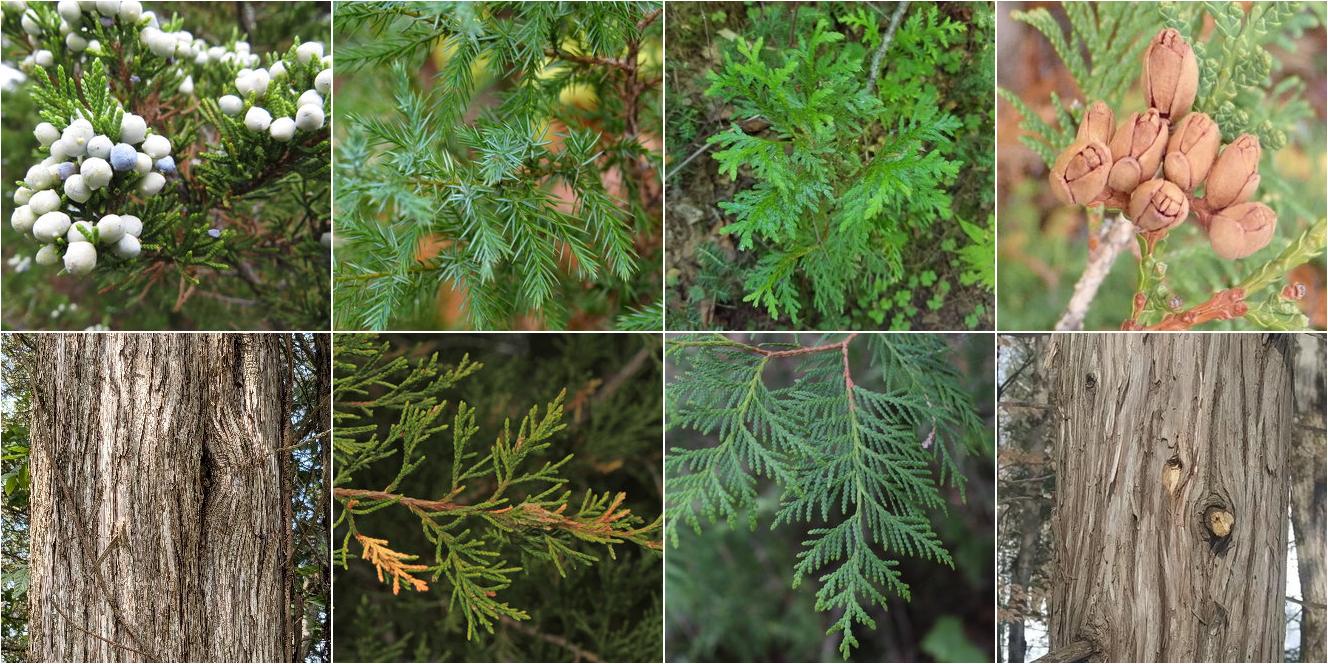
Credit: bplant.org
Choosing Based On Project Needs
Choosing the right cedar depends on your project’s specific needs. Both white cedar and red cedar offer unique qualities. Understanding these helps you make the best choice for your budget, durability, and style.
Budget Considerations
White cedar usually costs less than red cedar. It suits projects with tighter budgets. This wood still provides natural resistance to decay and insects. Red cedar has a higher price due to its strength and durability. This wood is a good investment for long-lasting projects. Choose white cedar for affordable options and red cedar for value over time.
Durability Priorities
Red cedar is stronger and more durable than white cedar. It resists rot, insects, and moisture better. This makes red cedar ideal for outdoor and high-moisture projects. White cedar resists decay but can shrink or warp more easily. It needs more care to last longer. For projects needing tough, low-maintenance wood, red cedar is the better choice.
Aesthetic Preferences
Red cedar has a rich, warm color with fewer knots. Its smooth grain holds paint and stain well. White cedar is lighter with a softer look. It may show more knots and grain variations. Red cedar suits projects where appearance matters most. White cedar fits rustic or natural designs. Pick the wood that best matches your style and desired finish.
:max_bytes(150000):strip_icc()/difference-between-cedars-and-junipers-4165305_FINAL-8f376b133871469bac2617d95031900f.png)
Credit: www.treehugger.com
Frequently Asked Questions
Is White Cedar Better Than Red Cedar?
Red cedar offers superior durability, strength, and resistance to rot and insects. White cedar is more affordable but less durable and may warp. Choose red cedar for long-lasting, low-maintenance outdoor projects; select white cedar for budget-friendly, less demanding uses.
How Can You Tell Red Cedar From White Cedar?
Red cedar has reddish-brown heartwood, stronger aroma, and higher decay resistance. White cedar appears pale, is lighter, and less durable. Red cedar suits outdoor use better, while white cedar is more budget-friendly but less moisture-resistant.
What Are The Advantages Of White Cedar?
White cedar offers affordability and natural resistance to decay and insects. It suits budget-friendly projects with moderate weather exposure. White cedar may shrink or warp more than red cedar and requires occasional maintenance, making it ideal for less demanding outdoor uses.
What Is The Most Rot-resistant Cedar?
Eastern Red Cedar is the most rot-resistant cedar. It resists decay, insects, and moisture better than White Cedar.
What Are The Main Differences Between White And Red Cedar?
White cedar is lighter and less dense; red cedar is stronger, darker, and more durable.
Conclusion
Choosing between white cedar and red cedar depends on your project needs. Red cedar offers better durability and resists moisture well. It suits outdoor uses needing long-lasting wood. White cedar costs less and still resists decay. It works for budget projects with less harsh exposure.
Both woods have unique traits to consider. Think about weather, maintenance, and budget before deciding. Either choice provides natural beauty and protection. Select the wood that fits your goals best.