
Is your Whirlpool dishwasher acting up when you least expect it? Maybe it’s not cleaning your dishes properly, or perhaps it won’t start at all.
These problems can be frustrating, especially when you rely on your dishwasher every day. But before you call for expensive repairs, there are simple troubleshooting steps you can try yourself. In this guide, you’ll discover easy-to-follow tips that can help you identify and fix common Whirlpool dishwasher issues quickly.
Keep reading to regain a spotless kitchen and get your dishwasher working like new again!
Credit: www.ifixit.com
Common Whirlpool Dishwasher Issues
Whirlpool dishwashers are reliable, but some common issues can disrupt their performance. Understanding these problems helps you fix them quickly. This saves time and avoids costly repairs. Here are frequent problems faced by Whirlpool dishwasher users.
Leaks And Water Damage
Leaks are a common problem causing water damage around the dishwasher. They may come from door seals, hoses, or the water inlet valve. Check for cracks or worn-out parts. Tighten loose connections to stop leaks. Early repair prevents floor damage and mold growth.
Poor Drainage Problems
Water may not drain properly after a cycle. This leaves pools of water inside the dishwasher. Clogged filters or drains cause this issue. Clean the filters regularly and check the drain hose for blockages. A slow or blocked drain affects cleaning performance and can cause odors.
Unclean Or Spotty Dishes
Dishes may come out dirty or with spots. This happens due to clogged spray arms or low water temperature. Use the right detergent and avoid overloading the dishwasher. Running hot water before starting helps dissolve detergent better. Clean spray arms ensure water reaches all dishes.
Foul Odors Inside Dishwasher
Bad smells come from leftover food and stagnant water. Regularly clean the dishwasher’s interior and filters. Use vinegar or baking soda to remove odors. Run an empty cycle with these cleaners monthly. Good hygiene keeps the dishwasher fresh and odor-free.
Dishwasher Not Starting
The dishwasher may not start due to electrical or control issues. Check if the door is closed properly. Inspect the power supply and circuit breaker. Reset the dishwasher by unplugging it for a minute. If the problem continues, the control panel or door latch might need repair.
Credit: giet.ac.in
Quick Reset Techniques
Quick reset techniques help solve many Whirlpool dishwasher issues fast. These methods clear errors and restart the machine. They often fix problems like frozen displays, unresponsive buttons, or stuck cycles. Use these steps before calling for repairs. They save time and effort.
Canceling The Current Cycle
To cancel a running cycle, press the “Cancel” or “Cancel/Drain” button. This stops the dishwasher immediately. Wait a few seconds for it to drain water. Open the door carefully once the cycle ends. This simple step often resets the dishwasher’s functions.
Power Cycling The Dishwasher
Unplug the dishwasher from the power outlet. If it is hardwired, switch off the circuit breaker. Leave it off for at least one minute. This clears the dishwasher’s memory and resets the control board. Plug it back in or turn on the breaker. Close the door and start a new cycle.
Entering Diagnostic Mode
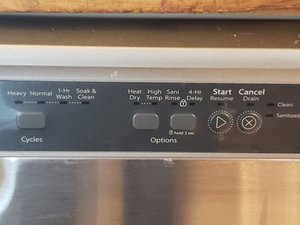
Close the dishwasher door until it clicks firmly. Press any three control buttons in a row, three times. Some models require pressing “Heated Dry” and “Normal” buttons twice. The control panel lights will blink. The dishwasher runs a test cycle to check for errors. Wait until the test finishes before opening the door.
Button Sequence Resets
Specific button sequences can reset the dishwasher’s control panel. Try pressing “Heated Dry,” “Normal,” and “Cancel” buttons in that order. Repeat the sequence two or three times quickly. This resets settings and clears minor faults. Check the user manual for your model’s exact sequence.
Fixing Leaks And Seal Problems
Leaks and seal problems can cause water damage and reduce your Whirlpool dishwasher’s efficiency. Finding the source of leaks quickly prevents bigger issues. Most leaks happen around the door or hose connections. Fixing these problems involves simple checks and sometimes replacing worn parts. Follow these steps to keep your dishwasher leak-free and working well.
Inspecting Door Seals
Check the door seals for cracks, tears, or dirt. A damaged seal lets water escape during cycles. Wipe the seal clean with a damp cloth to remove debris. Close the door and look for gaps or misalignment. Replace the seal if it feels brittle or shows visible damage. Properly fitted seals keep water inside the dishwasher.
Checking Hose Connections
Inspect the hoses connected to your dishwasher for leaks or loose fittings. Tighten any loose hose clamps using a screwdriver. Look for cracks, bulges, or worn areas on the hoses. Replace damaged hoses immediately to stop leaks. Make sure the drain hose is correctly positioned and not kinked. Secure hose connections prevent water from escaping.
Replacing Faulty Seals
Buy replacement seals designed for your Whirlpool dishwasher model. Remove the old seal by pulling it gently away from the door frame. Clean the groove where the seal fits to ensure a tight bond. Press the new seal firmly into place along the door edge. Test the door by closing it and checking for leaks. Replacing faulty seals restores proper water containment.
Improving Drainage
Improving drainage in your Whirlpool dishwasher helps avoid water pooling and enhances cleaning. Drainage issues cause dishes to stay dirty and the dishwasher to smell bad. Fixing drainage problems is simple and can save costly repairs. Follow these steps to check and clear common drainage blockages in your dishwasher.
Clearing The Drain Filter
The drain filter traps food and debris to stop clogs. Remove the bottom rack to access the filter. Twist and pull out the filter carefully. Rinse it under warm water to clear out stuck particles. Clean the filter every few weeks for best results. A clean filter allows water to drain smoothly.
Unclogging Drain Hose
The drain hose carries wastewater from the dishwasher to the sink drain. Check the hose for kinks or bends that block water flow. Disconnect the hose and use a long brush or a flexible tool to clear any clogs. Reattach the hose securely to prevent leaks. Proper hose drainage stops standing water inside the dishwasher.
Checking The Drain Pump
The drain pump pushes water out of the dishwasher. Listen for unusual noises during the drain cycle, which may mean the pump is blocked or broken. Remove debris or small objects from the pump area. If the pump fails to run, test it with a multimeter or call a technician. A working drain pump ensures quick water removal.
Enhancing Cleaning Performance
Improving your Whirlpool dishwasher’s cleaning power keeps dishes spotless every time. Simple habits and regular care can boost its performance. Small changes often make a big difference.
Follow these easy tips to enhance cleaning results and avoid common issues.
Avoiding Overloading
Do not fill the dishwasher too full. Overloading blocks water flow and stops spray arms from turning. Dishes need space for water and detergent to reach all surfaces. Load plates, bowls, and cups carefully. Place larger items at the sides and back. Keep items from nesting inside one another. Proper loading lets the dishwasher clean better and dries dishes faster.
Using Proper Detergent
Use detergent made for dishwashers only. Avoid regular dish soap, which can cause suds and leaks. Choose detergent that matches your water hardness. Tablets, powder, or gel all work well. Follow the manufacturer’s instructions for the right amount. Too much detergent leaves residue; too little leaves food behind. Fresh detergent keeps the dishwasher working efficiently and dishes spotless.
Cleaning Spray Arms
Spray arms push water to clean dishes. Over time, they get clogged with food or mineral deposits. Remove the spray arms carefully. Rinse them under running water. Use a toothpick or small brush to clear holes. Clean spray arms spin freely and spray water evenly. Check and clean them every few months. This simple step improves water flow and cleaning power.
Eliminating Odors
Bad smells from a Whirlpool dishwasher are common and unpleasant. These odors come from food particles stuck inside the machine. Moisture and heat create a perfect place for bacteria and mold to grow. Removing these odors helps keep your dishwasher fresh and your dishes clean. Follow simple steps to eliminate smells and maintain a clean appliance.
Running Cleaning Cycles
Run a cleaning cycle regularly to remove odor sources. Use the dishwasher’s built-in cleaning mode if available. Add a dishwasher cleaner or a cup of vinegar on the top rack. This helps break down grease and food residue. Run the cycle on the hottest setting for best results. Cleaning cycles prevent buildup that causes bad smells.
Using Vinegar Or Baking Soda
Vinegar and baking soda are natural odor removers. Place a cup of white vinegar in the dishwasher’s bottom rack. Run a hot water cycle without dishes. Baking soda can be sprinkled on the bottom before running a rinse cycle. These ingredients neutralize odors and remove grime. Avoid mixing vinegar and baking soda together in the same cycle.
Maintaining Regular Cleaning
Clean the dishwasher parts often to prevent odors. Remove and clean the filter under running water. Wipe door seals and edges with a damp cloth. Check and clear the drain area to avoid clogs. Leave the door open after use to dry the interior. Regular cleaning stops odor buildup and keeps your dishwasher fresh.
Running Diagnostics
Running diagnostics on your Whirlpool dishwasher helps find hidden issues fast. This process checks each part and function automatically. It saves time and guides you on what needs fixing. Understanding how to run these tests makes troubleshooting easier and more effective.
Activating Test Modes
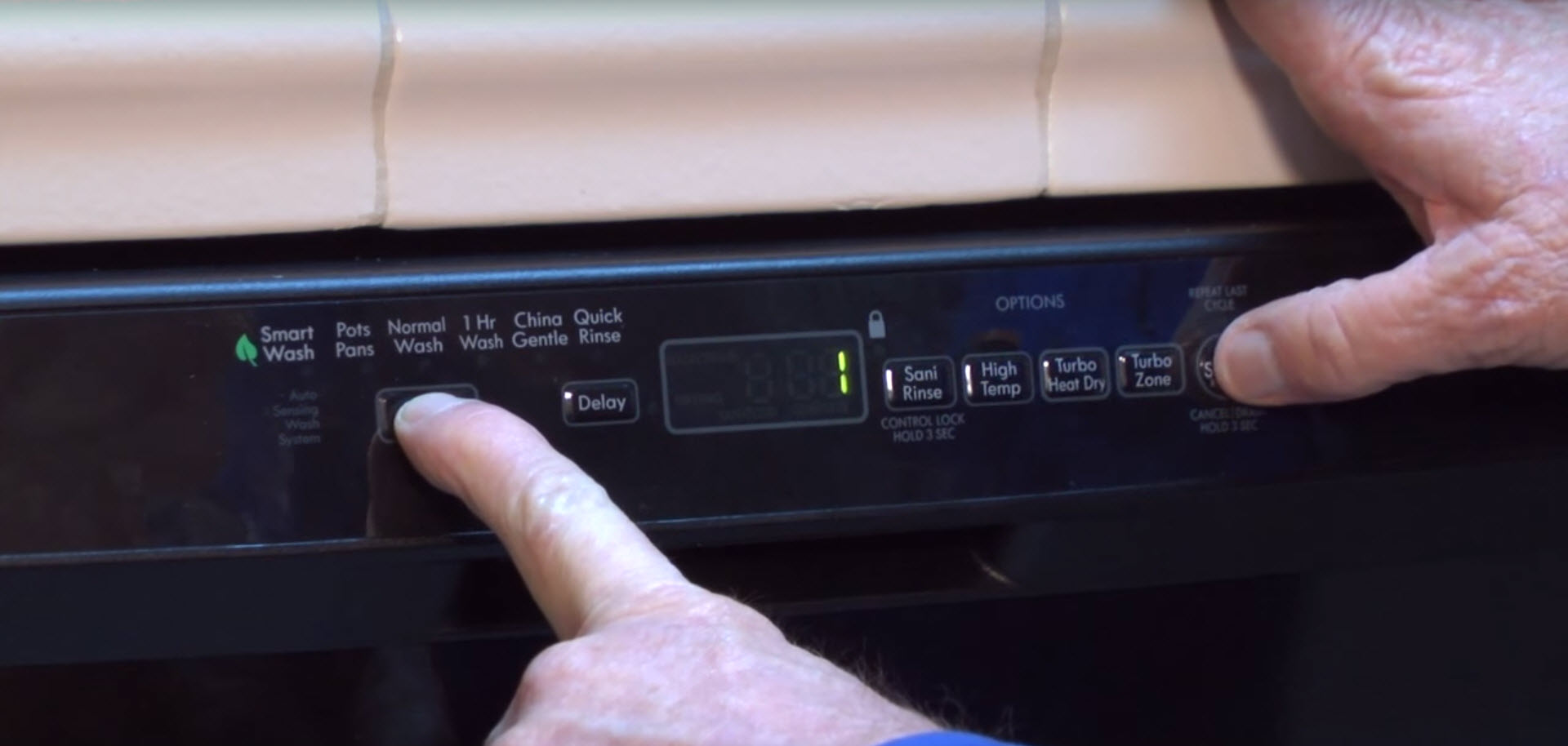
Start by closing the dishwasher door firmly. Press any three control buttons in a row, three times. For some models, press “Heated Dry” and “Normal” twice instead. The lights will blink, showing the test mode is active. Wait while the dishwasher runs its self-check automatically.
Interpreting Error Codes
Error codes appear as flashing lights or numbers on the panel. Each code points to a specific problem inside the dishwasher. Use your manual to match codes with issues like drainage or heating faults. Write down the code to help plan repairs or explain the problem to a technician.
When To Call A Professional
Call a professional if the dishwasher shows repeated error codes. Also, seek help if it won’t start or stops mid-cycle. Complex electrical or mechanical faults need expert tools and skills. A technician ensures the dishwasher is fixed safely and correctly.
Credit: www.searspartsdirect.com
Frequently Asked Questions
What’s The Most Common Problem With A Whirlpool Dishwasher?
The most common problem with a Whirlpool dishwasher is poor drainage causing water to remain inside. This leads to unclean dishes and odors.
How Do You Reset A Whirlpool Dishwasher?
Press the “Cancel” button to stop the cycle. Unplug the dishwasher or turn off its breaker for one minute. Restore power, close the door, select a new cycle, and press “Start” to reset the Whirlpool dishwasher.
How Do I Run Diagnostics On My Whirlpool Dishwasher?
To run diagnostics on your Whirlpool dishwasher, press “Cancel” to stop the cycle. Close the door firmly. Press three buttons in sequence, three times. Wait for blinking lights and the test cycle to complete. Press “Cancel” to exit diagnostic mode if needed.
How To Figure Out What’s Wrong With Your Dishwasher?
Check for leaks, clogs, or unusual noises. Inspect spray arms and filters. Test door latch and reset power by unplugging for one minute. Run a diagnostic cycle if available to identify error codes. Consult the manual or a technician for persistent issues.
What Are Common Whirlpool Dishwasher Problems?
Leaks, poor drainage, dirty dishes, bad odors, and error codes are common Whirlpool dishwasher issues.
Conclusion
Troubleshooting your Whirlpool dishwasher can save time and money. Many common issues have simple fixes you can try. Always check power, filters, and spray arms first. Resetting the dishwasher often clears minor errors. Regular cleaning helps keep it running smoothly.
If problems persist, contacting a professional is the best choice. Taking care of your dishwasher ensures clean dishes every time. Stay patient and follow steps carefully for effective results. Your Whirlpool dishwasher can work well again with these tips.