
Is your Whirlpool dishwasher acting up when you least expect it? You’re not alone.
Many Whirlpool dishwasher owners face common issues that disrupt their daily routine—whether it’s dishes coming out dirty, the machine not starting, or strange noises that just won’t quit. But don’t worry, you don’t have to live with these problems or call a repair technician right away.
You’ll discover simple, effective ways to identify and fix the most frequent Whirlpool dishwasher problems. By the time you finish reading, you’ll feel confident tackling these issues yourself and getting your dishwasher back to peak performance. Ready to save time, money, and frustration? Let’s dive in!
Credit: premiera.cz
Common Whirlpool Dishwasher Issues
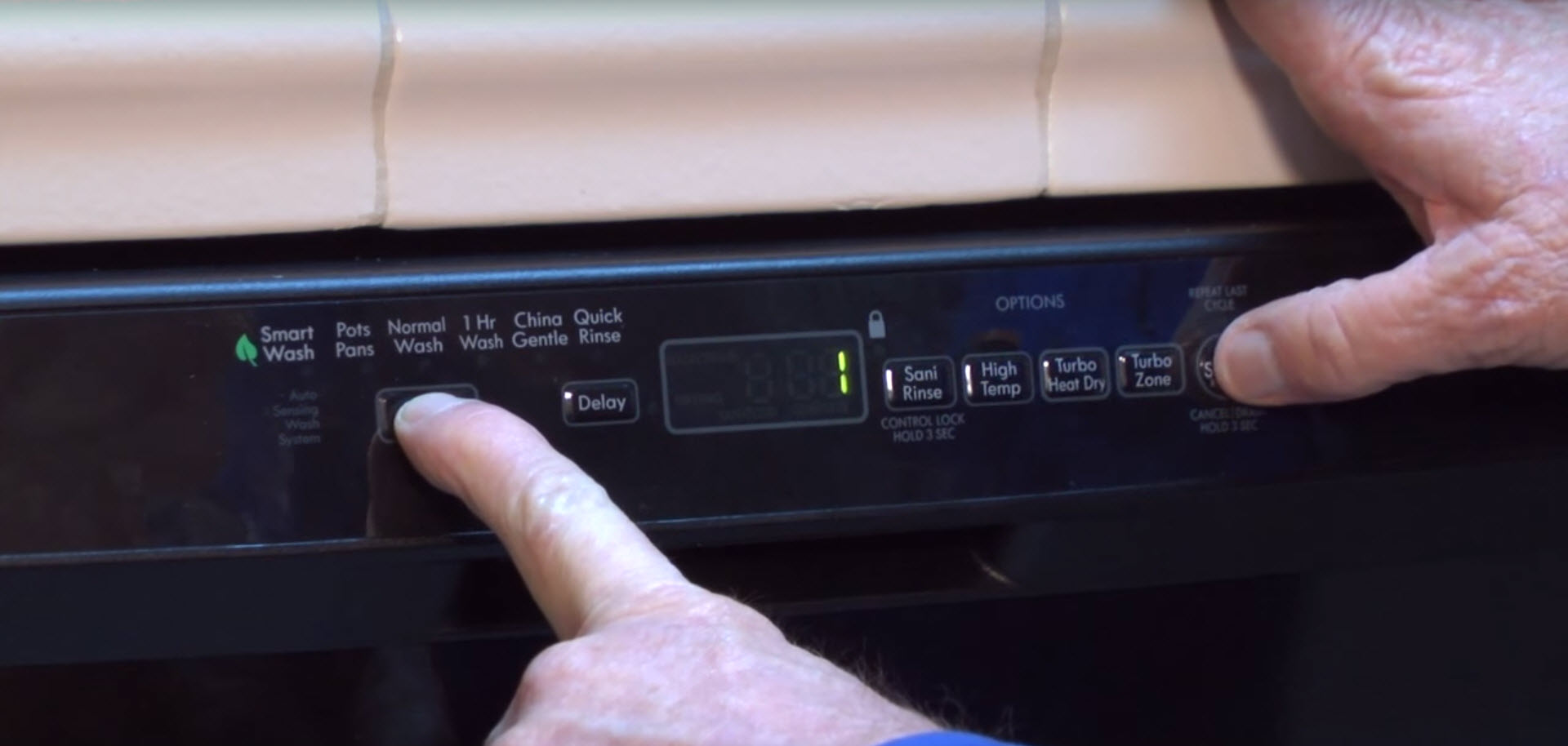
Quick reset techniques help fix many common Whirlpool dishwasher problems fast. These methods clear errors and restart the system. Most resets require simple steps anyone can follow. Trying these resets first can save time and avoid service calls.
Each reset targets different parts of the dishwasher’s control system. Some resets power down the entire unit. Others focus on the control panel or use special button combos. Learning these can keep your dishwasher working smoothly.
Power Cycle Reset
Start by canceling any running cycle with the “Cancel” button. Next, unplug the dishwasher or switch off its circuit breaker. Wait at least one minute to let the control board power down completely. Then restore power by plugging the unit back in or turning the breaker on. Close the door firmly. Choose a new cycle and press “Start” to check if the problem is fixed.
Control Panel Reset
Press and hold the “Start/Reset” button on your dishwasher for one full minute. Release the button and watch for normal operation to resume. This reset clears minor control panel glitches. It works best when the dishwasher is in standby mode with the door closed.
Button Combination Reset
Make sure the dishwasher door is closed and the machine is in standby. Quickly press the “Heated Dry” and “Normal” buttons twice in order: Heated Dry, Normal, Heated Dry, Normal. The control panel lights will flash, showing the reset process has started. The dishwasher runs a self-check cycle. After it finishes, try a short wash cycle to confirm the issue is gone.
Diagnostic Mode Reset
Diagnostic mode helps identify and clear complex errors. Use the button combination reset to enter this mode. The dishwasher will run a full diagnostic cycle automatically. After completion, errors are cleared if possible. Testing with a short cycle helps verify success. This reset is useful for persistent or unclear problems.
Quick Reset Techniques
Cleaning problems in Whirlpool dishwashers cause dirty dishes after a cycle. Fixing these issues improves performance and saves water and energy. Simple checks and maintenance often solve cleaning problems quickly.
Follow these steps to ensure your dishwasher cleans well every time. Regular care keeps it running smoothly and extends its life.
Checking Spray Arms
Spray arms distribute water to clean dishes. Blocked or damaged spray arms reduce cleaning power. Remove them and check for food debris or mineral build-up. Clean holes with a thin brush or toothpick. Spin the arms to ensure they move freely. Reinstall securely before running the dishwasher.
Cleaning Filters
Filters catch food particles to prevent clogs and improve cleaning. Dirty filters reduce water flow and cause bad odors. Locate the filter at the bottom of the dishwasher. Remove and rinse it under warm water. Use a soft brush to remove stuck debris. Clean filters regularly, about once a month, for best results.
Using The Right Detergent
Using proper detergent is key for clean dishes. Choose detergents designed for dishwashers and avoid dish soap. Use the recommended amount to avoid residue or poor cleaning. Check if your water is hard and use detergent with a water softener if needed. Store detergent in a dry place to keep it effective.
Loading Dishes Correctly
Proper dish loading allows water and detergent to reach all surfaces. Avoid overloading or blocking spray arms with large items. Place plates and bowls facing the spray arms. Space items evenly and avoid nesting dishes. Load utensils with handles down but sharp sides up. Correct loading improves cleaning results every cycle.
Fixing Cleaning Problems
Drainage problems are common in Whirlpool dishwashers. Water may not drain properly, causing standing water inside. Fixing these issues quickly keeps your dishwasher working well. Simple checks can solve most drainage problems without a technician.
Start by inspecting parts connected to water flow. Each component plays a role in proper drainage. Follow these steps carefully to find and fix the problem.
Inspecting The Drain Hose
Check the drain hose for any bends or kinks. A bent hose blocks water from flowing out. Remove the hose and examine it for cracks or damage. Replace it if damaged.
Make sure the hose is connected tightly at both ends. Loose connections cause leaks and drainage failures. Secure the hose properly to avoid these issues.
Clearing Clogs
Clogs in the drain hose or filter stop water from draining. Remove the hose and flush it with water to clear blockages. Use a thin brush to clean inside the hose if needed.
Clean the dishwasher filter regularly. Food particles and debris often block the filter. Rinse it under running water until clean. This prevents future clogs and helps water flow freely.
Checking The Drain Pump
The drain pump moves water out of the dishwasher. Listen for unusual noises during the drain cycle. A noisy pump may be damaged or stuck.
Remove the pump cover and inspect for debris. Clear any foreign objects blocking the pump blades. Test the pump by running a short cycle to see if water drains properly.
Credit: www.reddit.com
Resolving Drainage Issues
Door and seal problems are common issues in Whirlpool dishwashers. These problems can cause leaks and prevent the door from closing properly. Fixing these issues quickly helps avoid water damage and keeps your dishwasher running smoothly. Below are simple steps to address door and seal problems effectively.
Realigning The Door
A misaligned door often causes leaks and poor sealing. Check if the door sits flush with the dishwasher frame. Gently lift or push the door to see if it moves freely. Adjust the hinges by loosening the screws, repositioning the door, then tightening the screws again. Ensure the door closes firmly without gaps. Realigning the door improves the seal and prevents water from escaping.
Replacing Door Gaskets
Door gaskets are rubber seals around the dishwasher door. Over time, these gaskets can wear out or crack. Remove the old gasket by pulling it away from the door frame. Clean the groove where the gasket sits to remove dirt. Install a new gasket by pressing it firmly into place around the door. A fresh gasket stops leaks and keeps the dishwasher sealed during cycles.
Handling Latch Issues
The door latch keeps the dishwasher door securely closed during operation. If the latch is broken or loose, the door may not close properly. Inspect the latch for damage or wear. Tighten any loose screws holding the latch in place. Replace the latch if it is broken or does not catch. Fixing latch problems ensures the dishwasher door stays closed and the machine runs safely.
Addressing Door And Seal Problems
Dealing with noises from your Whirlpool dishwasher can be frustrating. Strange sounds often signal a problem that needs attention. Quiet operation is key for a smooth kitchen experience. Learning how to identify and fix these noises helps keep your dishwasher running well.
Identifying Source Of Noise
Start by listening carefully when the dishwasher runs. Grinding or squealing noises often come from the motor or pump. Rattling sounds might mean loose parts inside. If water splashes loudly, the spray arm could be hitting dishes. Pinpointing the noise source helps target the repair.
Tightening Loose Parts
Loose screws and bolts cause many noises. Check racks and spray arms for any wobbling. Use a screwdriver to tighten screws on the door and interior panels. Tighten the mounting brackets that hold the dishwasher in place. Secure parts reduce rattling and improve performance.
Replacing Worn Components
Some noises come from worn-out parts that need replacing. Inspect the spray arm for cracks or damage. Check the pump and motor bearings for wear. A faulty motor can make loud humming or grinding sounds. Replace damaged parts with genuine Whirlpool components for best results.
Dealing With Noises
Maintaining your Whirlpool dishwasher properly extends its life and improves performance. Simple care habits prevent common issues and save repair costs. Follow these maintenance tips to keep your dishwasher running smoothly for years.
Regular Cleaning Schedule
Clean the dishwasher interior every week. Remove food scraps from the filter and spray arms. Wipe door seals and edges with a damp cloth. This stops buildup that blocks water flow and causes bad smells.
Checking Water Temperature
Set your water heater between 120°F and 140°F. Hot water dissolves detergent better and removes grease. Cold water leaves dishes dirty and can cause cycle errors. Test water temperature regularly for best results.
Avoiding Overloading
Load dishes without crowding or stacking. Overloading blocks water jets and reduces cleaning power. Place large items on the sides or back. Make sure spray arms can spin freely during the cycle.
Using Dishwasher Safe Products
Use detergents labeled for dishwashers only. Avoid hand-wash soaps or bleach that damage parts. Choose rinse aids to prevent spots and improve drying. Using the right products protects your machine and dishes.

Credit: www.youtube.com
Frequently Asked Questions
How Do You Reset Your Whirlpool Dishwasher?
To reset your Whirlpool dishwasher, cancel the cycle, disconnect power for one minute, then restore power. Press and hold “Start/Reset” for one minute. Some models reset with “Heated Dry” and “Normal” buttons pressed twice. Close the door, select a cycle, and press “Start” to resume.
What Is The Most Common Dishwasher Fault?
The most common dishwasher fault is poor cleaning due to clogged spray arms or blocked filters. This reduces water flow and efficiency.
What Whirlpool Dishwashers Have Been Recalled?
Whirlpool recalled certain dishwasher models from 2010 to 2014 due to fire hazards. Check Whirlpool’s official site for specific model numbers.
How To Diagnose A Dishwasher Problem?
Check for error codes on the display panel. Inspect water supply, door latch, and filters. Run a diagnostic cycle if available. Listen for unusual noises during operation. Use a multimeter to test electrical components. Consult the user manual for model-specific troubleshooting steps.
How Do I Reset A Whirlpool Dishwasher Quickly?
Unplug it or turn off the breaker for one minute, then restore power and start a new cycle.
Conclusion
Whirlpool dishwasher problems can disrupt daily chores. Simple fixes often restore your dishwasher’s function quickly. Regular cleaning and proper use prevent common issues. Resetting the dishwasher may solve many control problems. Persistent problems might need professional help for safety. Keeping your appliance in good shape saves time and money.
Stay patient and try basic troubleshooting steps first. A well-maintained dishwasher works efficiently for years.