
When it comes to protecting your butcher block, choosing the right finish makes all the difference. You want something that not only shields your wood but also keeps it looking beautiful for years.
That’s where Waterlox and polyurethane come into play—but which one is best for your needs? Waterlox seeps deep into the wood, creating a rich, natural look that’s easy to repair, while polyurethane forms a tough, plastic-like shield that stands up to heavy wear.
As you read on, you’ll discover how these two finishes compare in durability, appearance, ease of application, and maintenance. By the end, you’ll know exactly which finish will keep your butcher block stunning and protected. Ready to find the perfect match for your wood? Let’s dive in.

Credit: www.youtube.com
Waterlox Finish
Waterlox is a popular finish for butcher blocks. It penetrates deep into the wood grain. This creates a strong and durable surface. The finish highlights the natural beauty of the wood. Waterlox offers a look that feels warm and natural. It is also easy to repair and maintain over time. These features make it a favorite among woodworkers and homeowners alike.
Penetration And Protection
Waterlox soaks into the wood fibers deeply. This strengthens the wood from inside out. It forms a hardening oil film within the grain. This film protects against scratches and stains. Unlike surface coatings, it does not peel or crack easily. The protection is long-lasting and robust. It guards the wood while preserving its natural feel.
Natural Appearance
Waterlox enhances the wood’s natural color and texture. It gives a rich, warm glow without looking artificial. The finish lets the wood’s unique patterns show clearly. It avoids the plastic-like shine common in some finishes. This keeps the butcher block looking authentic. The look ages gracefully with time and use.
Durability And Flexibility
Waterlox is both tough and flexible. It resists cracking even when the wood expands or contracts. This makes it ideal for kitchen environments. The finish stands up well to daily wear and tear. It also handles heat and moisture better than many alternatives. This durability helps butcher blocks stay beautiful longer.
Repair And Maintenance
Repairing Waterlox finishes is simple. Small scratches can be fixed without sanding. You can apply a fresh coat directly over the old one. This saves time and effort during upkeep. Regular cleaning with mild soap keeps the surface healthy. Occasional reapplication renews the finish and protection.
Application Process And Safety
Applying Waterlox requires good ventilation. The finish emits strong odors during application. It usually comes in oil-based formulations. Use gloves and masks to protect skin and lungs. Apply with a clean cloth or brush in thin layers. Let each coat dry fully before adding the next one. This ensures even coverage and durability.
Water Resistance
Waterlox offers excellent water resistance. It prevents moisture from soaking into the wood. This helps avoid warping and swelling. The finish repels spills and stains effectively. It allows butcher blocks to stay safe in wet kitchens. Proper sealing with Waterlox extends the wood’s life significantly.
Polyurethane Finish
Polyurethane finish is a popular choice for butcher block surfaces. It creates a protective layer that guards against scratches and stains. This finish sits on top of the wood, unlike penetrating oils. It offers strong protection but affects the look and feel of the wood differently. Understanding its traits helps in choosing the right finish for your butcher block.
Surface Film Formation
Polyurethane forms a plastic-like film on the wood surface. This film acts as a shield against damage. It prevents water and dirt from seeping into the wood. The finish feels smooth and hard to the touch. This surface layer is what makes polyurethane durable.
Uniform Appearance
The finish creates a consistent look across the entire surface. It gives the wood a shiny or matte effect. This uniformity can make the wood look less natural. The plastic film can sometimes appear like a thin plastic sheet. Some people prefer this even look for modern kitchens.
Hardness And Abrasion Resistance
Polyurethane is very hard and resists scratches well. It protects the wood from daily wear and tear. This makes it ideal for busy kitchen environments. The finish can handle knife cuts and hot pots better than many oils. The tough surface keeps the butcher block looking new longer.
Repair Challenges
Fixing scratches or chips on polyurethane is difficult. The surface film must be sanded down before repairs. This process can remove some wood material. Matching the finish after repair is not always easy. Small damages are more visible on this hard surface.
Application And Preparation
Applying polyurethane requires careful surface preparation. The wood must be clean and dry before use. Usually, several coats are needed for strong protection. Light sanding between coats helps the layers stick well. The finish dries to a hard, protective shell after curing.
Water Resistance
Polyurethane provides excellent water resistance. It stops water from soaking into the wood. This helps prevent warping and stains. Spills can be wiped off easily without damage. The finish is well suited for kitchen countertops exposed to moisture.
Comparison Of Features
Comparing Waterlox and polyurethane for butcher block finishes reveals key differences. Each offers unique benefits that affect the wood’s look, durability, and care. Understanding these features helps choose the best finish for your needs.
Finish Type Differences
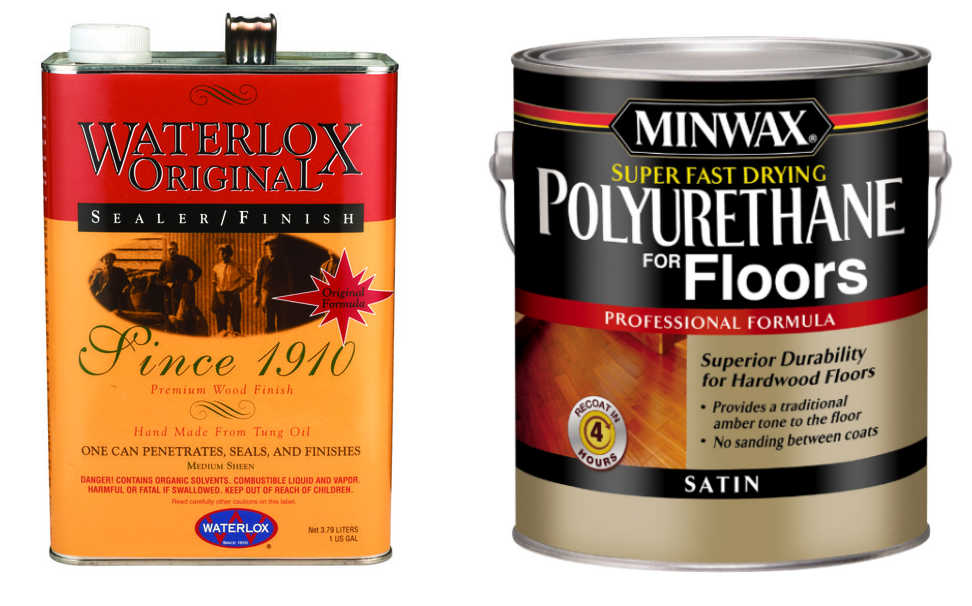
Waterlox soaks into the wood, creating a hardening oil film inside the grain. Polyurethane sits on top, forming a thick plastic film over the surface. This makes Waterlox more natural-feeling and polyurethane more protective.
Visual Impact On Wood
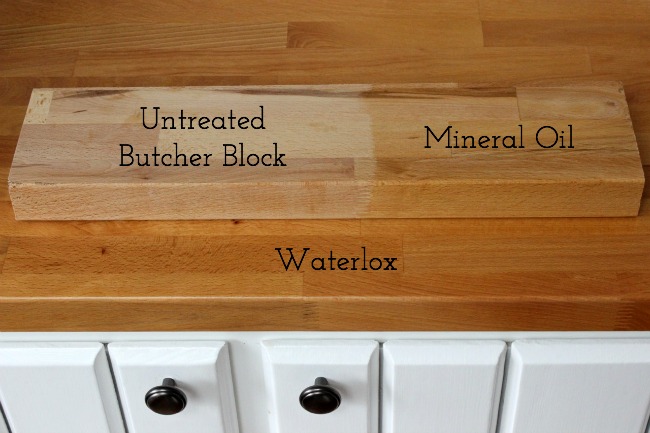
Waterlox deepens the wood’s color and highlights its natural patterns. It gives a warm, rich look with some variation. Polyurethane tends to produce a smoother and more uniform shine, sometimes less natural-looking.
Durability In Use
Polyurethane resists scratches and abrasion better due to its hard plastic layer. Waterlox offers good protection but can wear faster in high-use areas. It repairs easily without full refinishing.
Ease Of Repair
Waterlox repairs are simple. You can reapply without sanding the entire surface. Polyurethane repairs need sanding and careful blending to avoid visible marks.
Application Requirements
Waterlox requires good ventilation because of its strong odor. It needs fewer coats and less sanding between them. Polyurethane is easier to apply but often needs multiple coats with sanding in between.
Water And Chemical Resistance
Polyurethane offers stronger resistance to water and chemicals. Waterlox resists moisture well but may need reapplication over time to maintain protection.
Cost Considerations
Waterlox usually costs more upfront. It can save time with fewer coats and easier repairs. Polyurethane is generally cheaper and widely available but may need more maintenance.
Credit: www.addicted2decorating.com
Choosing The Right Finish
Choosing the right finish for your butcher block is crucial. It affects durability, look, and care. Each finish type offers unique benefits and drawbacks. Understanding these will help you pick the best option for your needs.
Waterlox and polyurethane are popular finishes. Both protect wood but behave differently. This guide breaks down key factors to consider before making your choice.
Usage And Wear Factors
Consider how much use your butcher block will get. Waterlox soaks into the wood, creating a tough, flexible surface. It handles everyday wear well and repairs easily. Polyurethane sits on top, forming a hard shell. It resists scratches and stains better but can chip with heavy use. High-traffic kitchens may benefit from polyurethane’s strong surface. For lighter use, Waterlox offers natural durability with simpler touch-ups.
Aesthetic Preferences
Waterlox enhances wood’s natural grain and color. It gives a warm, rich look that deepens over time. Polyurethane creates a smooth, glossy finish that can look plastic-like. It often gives a more uniform shine. Choose Waterlox for a classic, organic feel. Pick polyurethane for a sleek, modern appearance. The finish sets the tone of your kitchen’s style.
Maintenance Commitment
Waterlox needs periodic reapplication but no sanding between coats. Touch-ups are simple and fast. Polyurethane requires careful sanding before recoating. Repairs can be tricky and may leave visible marks. Waterlox suits those willing to do light upkeep. Polyurethane fits users who prefer less frequent but more intensive maintenance sessions.
Environmental And Safety Concerns
Waterlox contains natural oils but has a strong odor during application. Good ventilation is essential. Polyurethane emits fewer fumes and is easier to apply indoors. Consider allergies or sensitivities when choosing. Both finishes cure to safe surfaces but vary in chemical content. Check product labels for eco-friendly options.
Budget And Availability
Waterlox tends to be more expensive upfront. It may be harder to find in local stores. Polyurethane is widely available and usually cheaper. Cost differences reflect material properties and brand. Factor in long-term maintenance costs. Choose a finish that fits your budget and availability needs.
Tips For Applying Finishes
Applying finishes like Waterlox or polyurethane on butcher blocks requires care and attention. Proper application protects wood and enhances its beauty. Follow these tips to ensure a smooth, long-lasting finish.
Preparation Steps
Start with a clean, dry surface. Sand the butcher block with fine-grit sandpaper. Remove all dust using a tack cloth or vacuum. Check for any dents or scratches and sand them smooth. Proper prep helps finishes stick better and look even.
Tools And Equipment
Use high-quality brushes or lint-free cloths for applying finishes. Foam brushes work well with Waterlox to avoid streaks. For polyurethane, a synthetic bristle brush is best. Keep extra rags ready for wiping off excess finish. Have sandpaper handy for light sanding between coats.
Ventilation And Safety
Work in a well-ventilated area to avoid inhaling fumes. Open windows and use fans to improve airflow. Wear gloves to protect your skin. Use a mask rated for organic vapors, especially with Waterlox. Keep finishes away from flames or sparks as they are flammable.
Number Of Coats
Apply thin, even coats for best results. Waterlox usually needs three to four coats. Polyurethane requires two to three coats for strong protection. Follow manufacturer instructions for the exact number. Avoid thick coats to prevent bubbles and uneven drying.
Drying And Curing Times
Allow enough drying time between coats. Waterlox dries in about 4 to 6 hours but cures over several days. Polyurethane takes 2 to 4 hours to dry and about a week to fully cure. Do not rush use; full curing ensures durability and water resistance.
Credit: www.drivenbydecor.com
Common Mistakes To Avoid
Choosing between Waterlox and polyurethane for your butcher block demands care. Avoiding common mistakes ensures a smooth finish and long-lasting protection. These errors can spoil your project and waste time. Keep your workspace safe and your wood beautiful by learning what to avoid.
Insufficient Ventilation
Both Waterlox and polyurethane release strong fumes. Poor airflow can cause health problems and slow drying. Always work in a well-ventilated area. Open windows and use fans to move air. Proper ventilation helps the finish cure evenly and safely.
Skipping Sanding Or Prep
Skipping sanding before applying finish is a big mistake. Rough or dirty surfaces prevent good adhesion. Sand your butcher block smoothly with fine-grit sandpaper. Clean off dust completely before starting. Proper prep helps the finish stick and look better.
Over-application
Applying too much finish can cause runs and sticky spots. Thin, even coats dry faster and look smoother. Multiple light coats build better protection than one thick layer. Follow drying times between coats to avoid problems.
Ignoring Manufacturer Guidelines
Each product has specific instructions for best results. Ignoring these can ruin your finish. Read labels carefully for drying times, number of coats, and application tips. Following guidelines ensures durability and beauty.
Inadequate Maintenance
After finishing, maintenance keeps your butcher block looking good. Waterlox may need reapplication over time to stay protected. Polyurethane surfaces require gentle cleaning to avoid damage. Regular care prevents wear and prolongs life.
Frequently Asked Questions
Is Waterlox Better Than Polyurethane?
Waterlox penetrates wood, offering a natural, durable finish that’s easy to repair. Polyurethane forms a hard, abrasion-resistant surface but is harder to touch up. Waterlox enhances wood’s patina, while polyurethane provides a uniform, plastic-like coating. Choose based on desired appearance, durability, and maintenance needs.
What Is The Best Coating For Butcher Block Countertops?
The best coating for butcher block countertops is Waterlox. It penetrates wood, offers durable protection, enhances natural beauty, and repairs easily without sanding. Polyurethane is harder and more abrasion-resistant but less natural-looking and tougher to touch up. Waterlox provides superior water resistance and a natural finish.
What Are The Cons Of Waterlox?
Waterlox has a strong odor requiring good ventilation. It is more expensive and needs careful application. Some users find its finish less uniform than polyurethane.
Should You Polyurethane Butcher Block Countertops?
Yes, you can polyurethane butcher block countertops. It creates a hard, durable surface but may mask the wood’s natural look and is harder to repair than oil finishes.
What Is The Main Difference Between Waterlox And Polyurethane?
Waterlox soaks into wood for a natural look; polyurethane forms a hard plastic film.
Conclusion
Choosing between Waterlox and polyurethane depends on your needs. Waterlox offers a natural look and easy repairs. It soaks into wood, keeping its beauty intact. Polyurethane creates a tough, plastic-like layer. It protects well but can be harder to fix.
Waterlox suits those who want a warm, rich finish. Polyurethane fits well for heavy use and strong protection. Both have pros and cons to consider. Think about how you use your butcher block. The right finish will keep it looking great longer.