
You’ve just replaced the thermocouple on your water heater, expecting the pilot light to stay lit—but it won’t. Frustrating, right?
If your pilot light keeps going out as soon as you let go of the pilot button, you’re not alone. This common problem can leave your water heater useless and your mornings cold. But don’t worry—understanding why this happens and how to fix it is easier than you think.
You’ll discover the most likely reasons behind your pilot light troubles and simple steps you can take to get your water heater back up and running. Keep reading to solve the problem quickly and avoid unnecessary costs or calls to a plumber.
Common Causes
Understanding why your water heater pilot light won’t stay lit after replacing the thermocouple helps in quick fixes. Several common causes affect the pilot light’s stability. Identifying these issues can save time and avoid unnecessary repairs.
Faulty Thermocouple
A faulty thermocouple often causes the pilot light to go out. This device senses the flame and signals the gas valve to stay open. When it fails, the gas valve closes, cutting off the flame. Sometimes new thermocouples are defective or damaged during installation. Check if the thermocouple is properly connected and positioned in the flame. Replace it if it does not generate a small electrical current.
Dirty Thermocouple And Pilot Orifice
Dirt or soot on the thermocouple tip can stop it from sensing the flame correctly. The pilot orifice may also get clogged with dust or debris. Both block the gas flow needed to keep the flame alive. Clean the thermocouple with fine sandpaper or steel wool. Use compressed air or a thin wire to clear the pilot orifice. Regular cleaning helps maintain proper flame and heat.
Worn-out Thermocouple
Thermocouples wear out over time due to heat and corrosion. A worn thermocouple cannot produce enough voltage to keep the gas valve open. Even if it looks fine, test its voltage with a multimeter. Replace it if voltage is below the required level. Using an old thermocouple after replacement often causes the pilot light to fail again.
Drafts And Gas Valve Issues
Strong drafts near the water heater can blow out the pilot light. Check for open windows, vents, or fans that cause air movement. Also, problems with the gas valve itself can prevent the pilot light from staying lit. The valve might be stuck or faulty after the thermocouple replacement. Inspect the valve for damage and ensure proper operation. Professional help may be needed to fix valve issues safely.
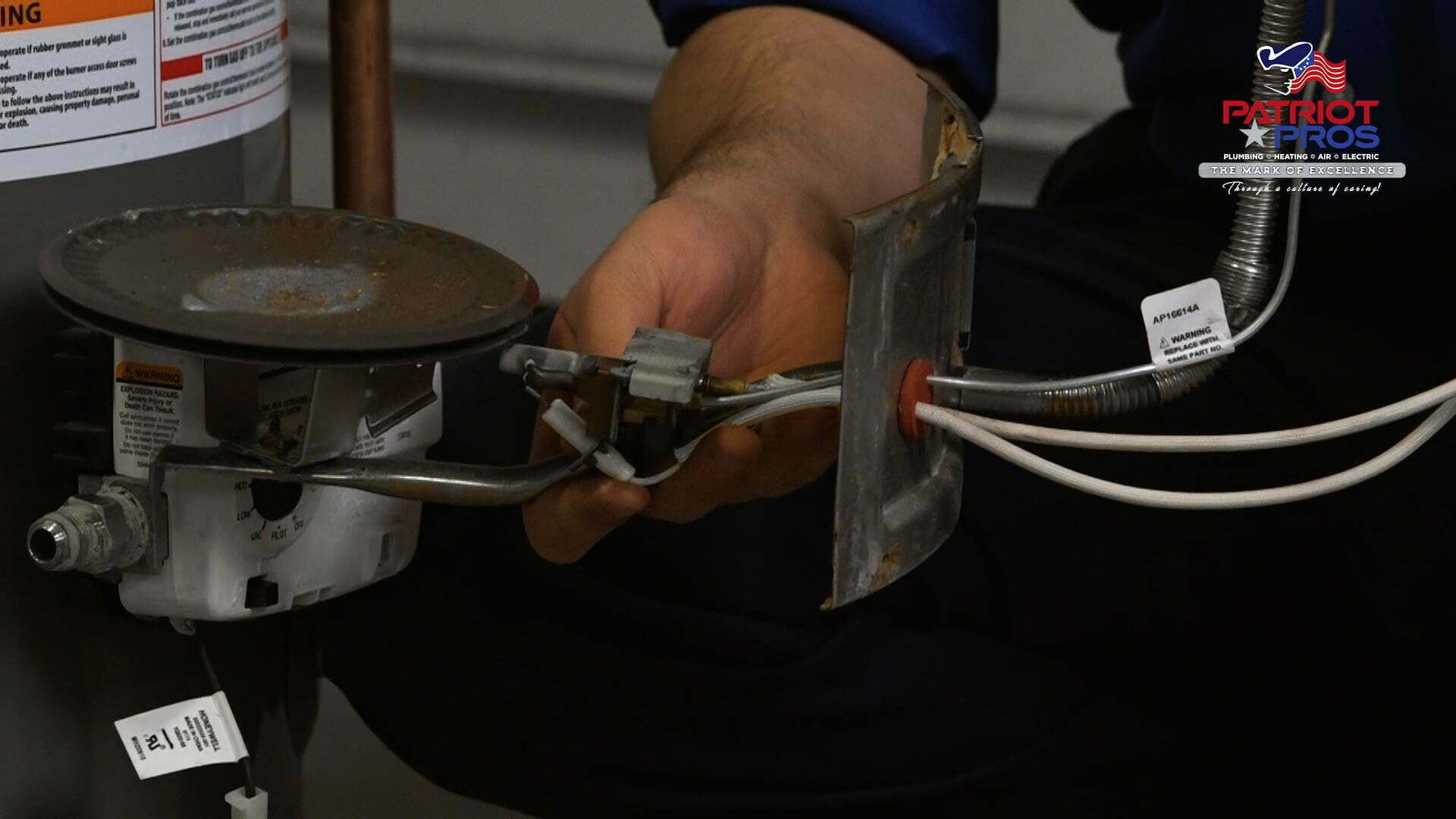
Credit: patriotpros.com
Thermocouple Positioning
Proper thermocouple positioning is key to keeping your water heater pilot light lit. The thermocouple senses the flame and signals the gas valve to stay open. If it is out of place, the pilot light will go out. Small adjustments can make a big difference in flame detection and safety.
Checking Thermocouple Alignment
Check if the thermocouple tip sits directly in the pilot flame. The flame should fully envelop the tip for accurate sensing. Look closely to see if the tip is bent away or not touching the flame. Misalignment is a common cause of the pilot light going out. Realign the thermocouple so the tip is centered in the flame path.
Adjusting The Thermocouple Tip
Gently bend the thermocouple tip to position it properly. Use pliers or your fingers with care. The tip should sit about 1/4 inch into the pilot flame. Avoid pushing it too far or away from the flame. Small shifts often fix the issue. After adjusting, test if the pilot light stays lit when releasing the gas control button.
Cleaning Techniques
Cleaning plays a vital role in fixing pilot light problems after replacing a thermocouple. Dirt and soot can block the parts that keep the flame lit. Regular cleaning helps the pilot light stay steady. This section covers simple cleaning steps for the thermocouple tip and the pilot orifice.
Cleaning The Thermocouple Tip
The thermocouple tip senses the pilot flame. Dirt on the tip can stop it from working well. Use fine sandpaper or a soft cloth to clean the tip gently. Avoid harsh scrubbing to prevent damage. After cleaning, check that the tip is shiny and free of debris. Proper contact with the flame is essential for the thermocouple to signal the gas valve correctly.
Clearing The Pilot Orifice
The pilot orifice directs gas to the flame. Dust and soot can clog this tiny opening. Use a thin wire or needle to clear the orifice carefully. Blow compressed air to remove any loose dirt. Do not enlarge the hole while cleaning, as this can cause gas flow issues. A clean orifice ensures a steady flow of gas and a stable pilot flame.
Replacing The Thermocouple
Replacing the thermocouple is a common fix for water heaters with pilot light issues. The thermocouple acts as a safety sensor. It detects the pilot flame and controls the gas flow to keep the flame burning. A faulty thermocouple can cause the pilot light to go out. Knowing when and how to replace it can save time and money.
When To Replace
Replace the thermocouple if the pilot light won’t stay lit. Check if the pilot flame is weak or uneven. Look for a bent or damaged thermocouple. If cleaning the thermocouple does not help, replacement is needed. Also, replace it if the water heater is old and the thermocouple shows signs of wear. A new thermocouple can restore proper flame detection and gas flow.
Step-by-step Replacement Guide
First, turn off the gas supply to the water heater. Let the pilot light cool down before touching parts. Locate the thermocouple near the pilot burner. Unscrew the nut that connects the thermocouple to the gas valve. Then, remove the old thermocouple carefully. Insert the new thermocouple in the same position. Tighten the nut by hand, then secure it with a wrench. Make sure the thermocouple tip is in the pilot flame. Turn the gas supply back on. Light the pilot and check if it stays lit. If it does, the replacement worked.
Dealing With Drafts
Drafts can cause your water heater pilot light to go out repeatedly. Air currents blow away the small flame, even after replacing the thermocouple. Dealing with drafts helps keep the pilot light burning steadily. It requires finding where the air is coming from and stopping it. This section covers how to identify draft sources and ways to prevent the pilot light from extinguishing.
Identifying Draft Sources
Look around your water heater for open vents or gaps. Check windows, doors, and vents near the heater. Cold air from outside can sneak in through cracks or holes. Sometimes, attic or basement openings cause drafts. Feel for cold air blowing near the pilot light area. Even small drafts can blow out the flame quickly. Use a candle or lighter near the heater to see if the flame flickers or moves. This helps spot hidden air currents.
Preventing Pilot Light Extinguishing
Seal any gaps or holes around the water heater. Use weather stripping or caulk to close windows and door cracks. Install draft guards or barriers near the pilot light area. Make sure vents have proper covers to reduce airflow. Avoid placing fans or heaters that blow air directly at the water heater. Keep the area around the heater clean and free of debris. These steps help protect the pilot light from sudden drafts. A steady flame improves water heater performance and safety.
Gas Valve Troubleshooting
Troubleshooting the gas valve is crucial when the pilot light won’t stay lit after replacing the thermocouple. The gas valve controls the flow of gas to the pilot and burner. If it malfunctions, the pilot light may fail to stay lit even with a new thermocouple.
Understanding how to identify gas valve issues can save time and effort. Checking the gas valve carefully helps determine if it needs repair or replacement. This step is important before considering costly fixes or calling a technician.
Signs Of A Faulty Gas Valve
- Pilot light lights but goes out quickly after releasing the button.
- Gas smells near the water heater without flame ignition.
- Burner does not ignite despite a steady pilot light.
- Hissing or unusual noises from the gas valve area.
- Thermocouple is new, but the pilot still won’t stay lit.
- Gas valve feels hot or unusually warm to the touch.
When To Seek Professional Help
Gas valve problems can be dangerous. Gas leaks or faulty valves pose safety risks. If you detect a gas smell or hear strange noises, stop and call a professional.
Do not attempt to fix the gas valve yourself if unsure. A licensed technician has the right tools and training. They can test the valve for proper pressure and function. Professionals also handle gas safely and follow local codes.
Quick action helps avoid accidents and costly damage. Always prioritize safety when dealing with gas appliances.
Safety Tips
Safety is the top priority when dealing with water heater pilot lights and thermocouples. Working with gas components can be risky without the right precautions. Follow these safety tips to protect yourself and your home.
Handling Gas Components Safely
Always turn off the gas supply before starting any repair. Ensure the area is well-ventilated to avoid gas buildup. Use tools with insulated handles to prevent sparks. Avoid smoking or using open flames near the water heater. Check for gas leaks using soapy water on connections. Never force parts that do not fit easily. Wear safety gloves and eye protection during repairs. Keep a fire extinguisher nearby in case of emergencies.
When To Call A Professional
Call a professional if you smell strong gas odors. If the pilot light won’t stay lit after multiple attempts, get expert help. Avoid repairing complex gas valves or burners on your own. A professional can safely diagnose hidden issues. Electrical problems or faulty gas lines need trained technicians. Always hire licensed plumbers or HVAC specialists. Do not delay calling for help if unsure about safety. Professional repairs ensure your water heater works reliably and safely.

Credit: www.reddit.com
Frequently Asked Questions
Why Does My Pilot Light Go Out As Soon As I Release The Pilot Button?
Your pilot light goes out because the thermocouple is faulty, misaligned, dirty, or the pilot orifice is clogged. Ensure the thermocouple tip is clean and properly positioned in the flame. Replace the thermocouple if cleaning or adjusting doesn’t work. Drafts or a faulty gas valve may also cause this.
What To Do After Replacing The Thermocouple On A Water Heater?
After replacing the thermocouple, ensure its tip is properly positioned in the pilot flame. Light the pilot and hold the gas button for 30 seconds. Release the button carefully; the pilot should stay lit. Check for drafts or debris if it won’t stay lit.
What Would Cause A Water Heater Pilot Light To Not Stay Lit?
A faulty, misaligned, or dirty thermocouple often causes the pilot light to not stay lit. Clogged pilot orifice, drafts, or a bad gas valve can also cause this issue. Cleaning or replacing the thermocouple usually fixes it.
What Does It Mean When A Pilot Light Won’t Stay Lit?
A pilot light won’t stay lit usually means a faulty or misaligned thermocouple. Dirt or clogging in the pilot orifice can also cause this. Cleaning or repositioning the thermocouple often fixes it. A worn-out thermocouple or faulty gas valve may require replacement.
Why Won’t My Water Heater Pilot Light Stay Lit?
A faulty or misaligned thermocouple often causes the pilot light to go out quickly.
Conclusion
A pilot light that won’t stay lit after replacing the thermocouple often means a simple issue. Check the thermocouple’s position carefully. Make sure its tip is in the flame. Clean any dirt or soot from the thermocouple and pilot orifice.
Small blockages can stop the pilot from lighting properly. If problems continue, consider replacing the thermocouple again or calling a professional. Taking these steps helps keep your water heater working safely and efficiently. Don’t ignore the problem—fix it early to avoid bigger issues.