
Is your washing machine refusing to turn on just when you need it most? It’s frustrating, isn’t it?
You might be staring at a silent machine, wondering what’s wrong and how to fix it. But don’t worry—you’re not alone, and there are simple steps you can take to troubleshoot the problem. From checking the power supply to inspecting the door latch, many common issues can be solved without calling a repair technician.
You’ll discover easy and effective tips to get your washing machine back to work quickly. Keep reading, because the solution might be simpler than you think!

Credit: www.repairaid.co.uk
Power Supply Checks
Power supply issues are often the main reason a washing machine won’t turn on. Checking the power source is the first step in troubleshooting. This process includes looking at the power cord, testing the electrical outlet, and resetting the circuit breaker. Each of these steps helps find simple problems that stop your washer from starting.
Start with a careful check of the power supply. This can save time and avoid unnecessary repairs. Follow these easy steps to ensure your washing machine gets the power it needs.
Inspect Power Cord And Plug
Look closely at the power cord and plug for any damage. Sometimes cords can fray or break inside the insulation. Make sure the plug fits tightly into the outlet. A loose plug may cause the washer to lose power intermittently. If the cord is damaged, replace it before using the machine again.
Test Electrical Outlet
Use a simple tool or another appliance to test the outlet. Plug in a lamp or phone charger to see if it works. An outlet that does not provide power can stop the washer from turning on. Try a different outlet if the first one does not work. This helps identify if the problem is with the outlet or the washing machine.
Reset Circuit Breaker
Find your home’s circuit breaker panel and look for any tripped switches. A breaker that has switched off will stop power to the washer. Flip the breaker off and then on again to reset it. This often solves power issues caused by electrical overloads. After resetting, check if the washing machine powers on normally.
Door And Lid Safety Features
Washing machines have safety features that prevent operation when the door or lid is open. These features stop the washer from running to avoid water spills and injuries. Understanding these safety mechanisms helps diagnose why your machine won’t turn on.
Sometimes the washer won’t start because the door or lid is not fully closed. The machine senses this and blocks the power. Other times, the switch that detects the door or lid position may be faulty.
Ensure Door Or Lid Is Fully Closed
Make sure the door or lid is shut tightly. A loosely closed door stops the washer from starting. Press the door or lid firmly until you hear a click. This sound means the latch has engaged.
Check for any clothes or objects blocking the door. Remove anything that may prevent the door from closing fully. Inspect the door gasket or seal for damage or dirt. Clean or repair it to help the door close properly.
Check Lid Or Door Switch Function
The lid or door switch signals the washer to start. If the switch fails, the machine thinks the door is open. This stops the washer from powering on.
Test the switch by pressing it manually. You may hear a click if it works. Use a multimeter to check for electrical continuity. Replace the switch if it shows no continuity or is damaged.
A broken switch is a common reason for a washing machine not turning on. Repairing or replacing this part often restores normal operation.
Basic Troubleshooting Steps
Basic troubleshooting steps can help fix a washing machine that won’t turn on. These steps are easy to follow and do not require special tools. Start with simple checks to identify common problems. This saves time and avoids unnecessary repairs.
First, try a hard reset to refresh the machine’s electronics. Next, verify the washing machine settings to ensure everything is correct. These actions often solve power and start issues quickly.
Perform A Hard Reset
Unplug the washing machine from the power outlet. Leave it unplugged for about one minute. This allows the internal computer to reset completely.
After one minute, plug the machine back in. Close the door or lid securely. Try turning the machine on again. A hard reset clears minor errors that may stop the washer from starting.
Verify Washing Machine Settings
Check the control panel and dial settings. Make sure the wash cycle is selected properly. Avoid setting the timer or delay start by mistake.
Confirm the door or lid is fully closed and locked. Many washers will not start if the door is open or not locked. Also, check if the child lock feature is on. This feature stops the machine from running for safety.
Internal Hardware Issues
Internal hardware issues often cause a washing machine not to turn on. These problems involve parts inside the machine that control its power and function. Understanding these issues helps you decide if repair or replacement is needed. Some hardware faults can be fixed with simple checks, while others require professional help.
Identify Blown Fuse
The fuse protects the washing machine from electrical damage. A blown fuse stops power flow to the machine. Check the fuse using a multimeter to see if it has continuity. Replace the fuse if it shows no continuity. Always unplug the washer before inspecting the fuse to avoid shocks.
Inspect Control Board
The control board acts like the brain of the washing machine. It sends signals to start and stop cycles. Look for signs of damage like burn marks or broken components. Test the control board with a multimeter for proper voltage. Replace the board if it fails these tests or shows visible damage.
Assess Motor Condition
The motor drives the drum during wash and spin cycles. A damaged motor can prevent the machine from turning on. Listen for unusual noises or check if the motor feels hot after trying to start. Use a multimeter to test motor windings for continuity. Replace the motor if it is faulty or overheated.
Diagnostic Tools And Error Codes
Diagnostic tools and error codes help find why your washing machine won’t turn on. These tools give clear signs of what is wrong. Knowing how to use them saves time and money on repairs. You can fix small issues yourself by reading error codes and checking the machine’s tech sheet.
Locate Tech Sheet
The tech sheet holds all diagnostic information about your washer. Usually, you find it behind the control panel or at the back of the machine. It lists error codes and troubleshooting steps. Some washers have a sticker inside the door frame or under the lid. Keep the tech sheet handy before running any tests. It helps you understand the meaning of error codes quickly.
Read Error Codes
Error codes appear on the washer’s display panel when there is a problem. Each code points to a specific issue. For example, “E1” may mean a water supply problem, while “F2” could indicate a door lock failure. To read the codes, turn the machine off and on, then press certain buttons to enter diagnostic mode. The tech sheet explains how to do this for your model. Write down the codes you see. Use the tech sheet to find what each code means and how to fix it.
Component Removal And Replacement
Component removal and replacement is a key step in fixing a washing machine that won’t turn on. It helps identify faulty parts and restore function. This process requires careful handling and following safety precautions.
Removing specific components allows you to inspect them closely. If damaged, replacing these parts can solve the power issue. Below are common components to remove and replace in a washing machine repair.
Remove Washer Top
Start by unplugging the washer to avoid electric shock. Remove screws at the back that hold the top panel. Slide the washer top backward and lift it off carefully. This step gives access to internal parts like the lid lock and control panel. Handle the top gently to avoid damage.
Replace Lid Lock
The lid lock prevents the washer from running if the lid is open. A broken lid lock can stop the washer from turning on. After removing the washer top, locate the lid lock assembly. Disconnect wires and unscrew the lock. Replace it with a new part, reconnect wires, and secure it firmly. Test the lid lock by closing the lid and trying to start the washer.
Change Motor Pulley And Speed Sensor
The motor pulley drives the drum, and the speed sensor monitors motor speed. Faults in these parts can prevent the washer from starting. Remove the back panel to access the motor. Take off the belt from the pulley and remove the pulley bolts. Replace the pulley if damaged. Check the speed sensor wiring and replace the sensor if faulty. Reassemble all parts securely.
Inspect And Replace Clutch Components
The clutch helps the washer drum engage and spin properly. Worn clutch parts can cause startup problems. Remove the washer top and drum cover to access the clutch. Inspect the clutch for wear or damage. Replace worn parts with new ones. Ensure the clutch is aligned correctly during reassembly. Tighten all bolts and test the washer for proper operation.
When To Seek Professional Help
Knowing when to call a professional can save time and prevent further damage. Some washing machine problems require expert skills. Attempting complex repairs without knowledge can be risky. Identifying these issues early helps in getting the right help fast. Here are common situations that need professional attention.
Complex Electrical Repairs
Electrical issues inside the washer can be dangerous. Faulty wiring or short circuits need an expert’s care. Professionals have tools to safely test and fix wiring. Avoid touching internal electrical parts yourself. A professional ensures repairs meet safety standards.
Control Board Replacement
The control board acts as the washer’s brain. If it fails, the washer may not turn on at all. Testing and replacing this part requires skill. Professionals diagnose control board problems accurately. They also install new boards correctly to avoid future issues.
Motor Issues
The motor powers the drum to spin and agitate clothes. Motor failure can cause the washer to stay silent. Repairing or replacing a motor is complex work. A professional can test the motor and fix or replace it. Proper motor repair restores full washing machine function.
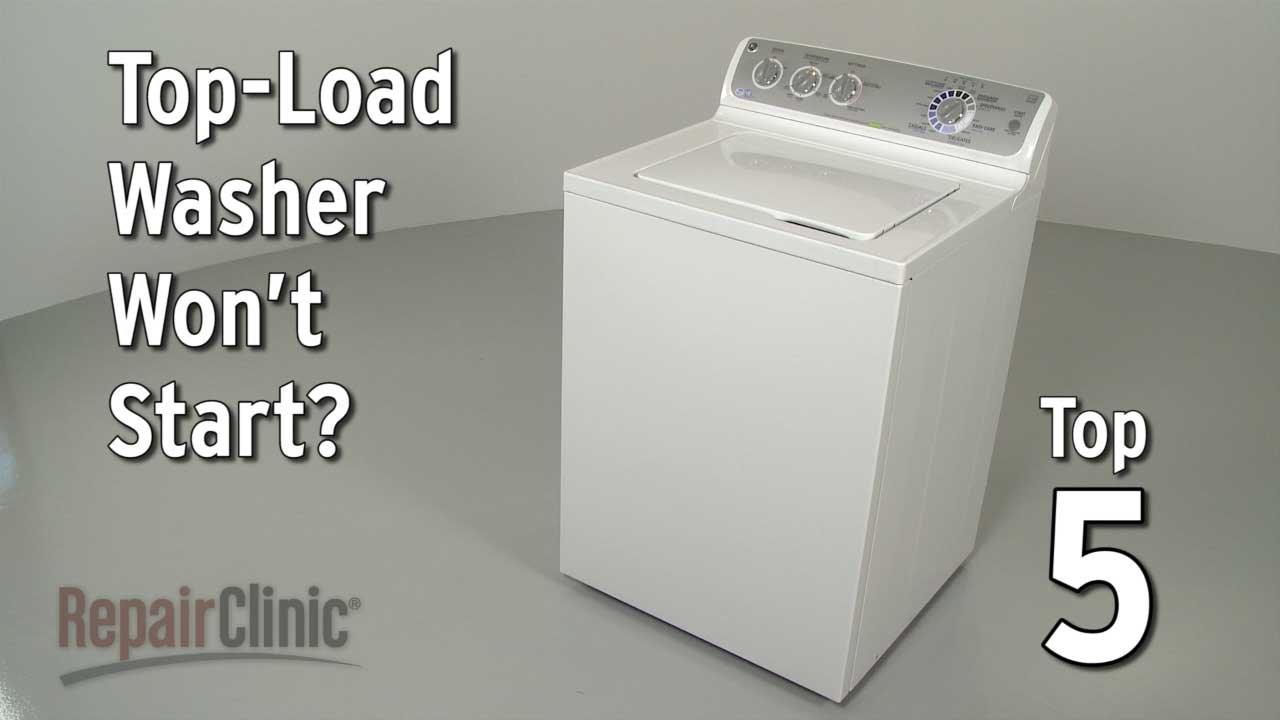
Credit: www.youtube.com
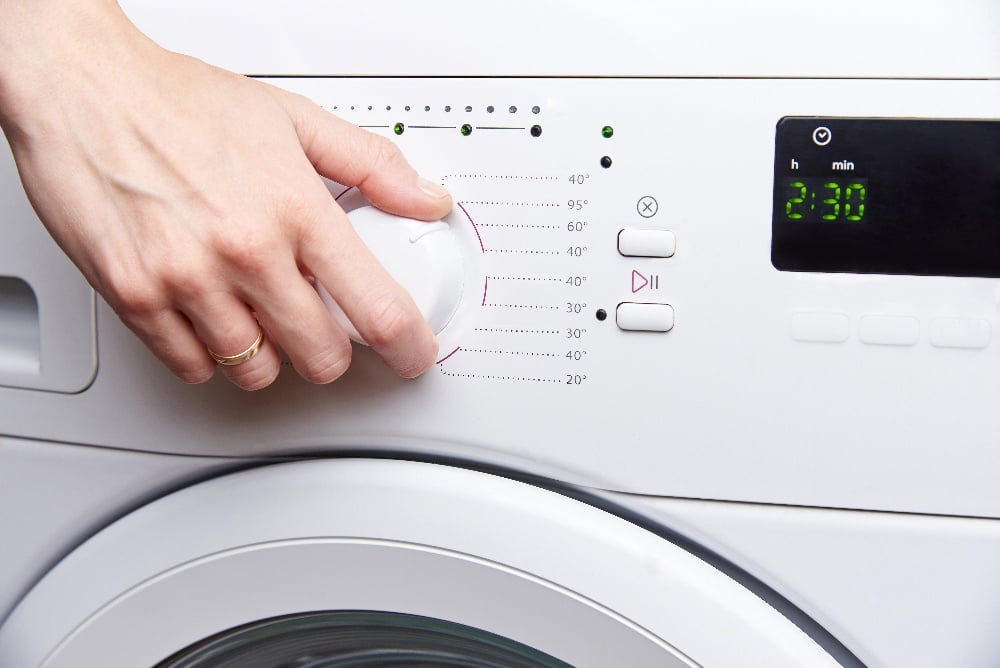
Credit: blog.puls.com
Frequently Asked Questions
Why Is My Washing Machine Not Turning On?
Check the power cord is plugged in and outlet works. Ensure the door or lid is fully closed. Reset the circuit breaker and perform a hard reset by unplugging. Verify settings are correct. Faulty switches, blown fuses, or control board issues can also prevent startup.
Why Would A Washing Machine Suddenly Have No Power?
A washing machine may lose power due to unplugged cords, tripped breakers, faulty outlets, or defective door switches. Check power connections, reset breakers, ensure the door is closed, and try a hard reset. Internal issues like blown fuses or control board failure can also cause power loss.
Why Did The Washing Machine Suddenly Stop Working?
A washing machine may stop working due to power issues, a tripped breaker, or a loose plug. Check the door latch and settings. Faulty lid switches, blown fuses, or control board problems can also cause sudden stoppage. Perform a reset by unplugging and plugging it back in.
How Do You Reset A Washing Machine?
To reset a washing machine, unplug it for a few minutes. Close the door securely, then plug it back in. Some models need holding the power button for 5 seconds after unplugging. Check settings to ensure no delay start is active.
Why Won’t My Washing Machine Turn On At All?
Check if it is plugged in, the outlet works, and the circuit breaker is not tripped.
Conclusion
A washing machine that won’t turn on can be frustrating. Start by checking the power source and outlet. Make sure the lid or door closes firmly. Try unplugging the machine for a few minutes to reset it. Small issues often cause big problems.
If these steps don’t help, consider calling a professional. Taking quick action can save time and money. Stay calm and follow simple checks before seeking repair. Your washer will likely be running again soon.