
Is your washing machine shaking, making loud noises, or stopping mid-cycle? An unbalanced washing machine can be frustrating and might even damage your appliance if left unchecked.
But don’t worry—you’re not alone, and fixing this common problem could be easier than you think. You’ll discover simple steps to quickly rebalance your washer, how to check if it’s level, and when it’s time to call in a professional.
Keep reading to save your machine from those frustrating wobbles and get your laundry back on track!
Common Causes Of Shaking
Washing machines may shake or vibrate strongly during the spin cycle. This shaking can cause noise and damage to the appliance. Understanding the common causes of shaking helps prevent problems and keeps the machine running smoothly.
Most shaking issues arise from simple factors. These include how clothes are loaded, the machine’s position, or worn parts inside the washer. Identifying the cause is the first step toward fixing the problem quickly.
Uneven Clothes Distribution
Shaking often happens when clothes are not spread out evenly. A heavy item on one side can unbalance the drum. This causes the washer to rock and vibrate during spinning. Stopping the machine and rearranging clothes evenly helps reduce shaking. Avoid washing one large item alone. Adding small items balances the load better.
Machine Not Level
The washing machine must sit flat on the floor. If one corner is higher or lower, the washer will shake. Uneven floors or incorrect leveling feet cause this problem. Use a spirit level to check if the machine is flat. Adjust the feet to make the washer steady. A level machine spins smoothly without strong vibrations.
Worn Suspension Parts
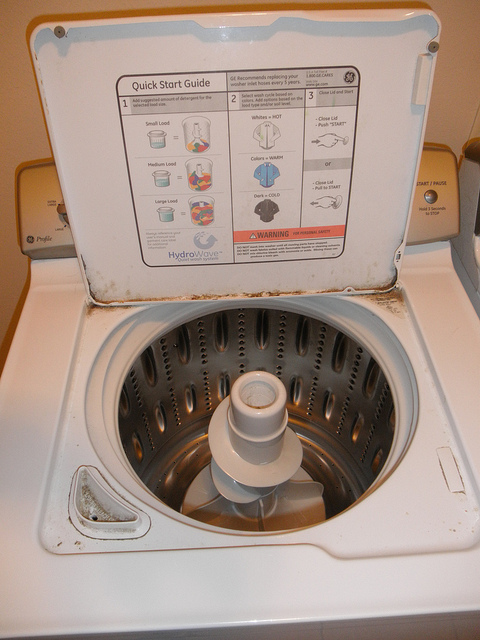
Suspension parts hold the drum in place inside the machine. Over time, springs or shock absorbers can wear out or break. Damaged suspension parts cause the drum to move too much during spinning. This leads to shaking and loud noises. Worn parts need replacement by a technician. Regular checks keep suspension parts in good condition.
Credit: www.davesappliance-wi.com
Quick Load Adjustments
Quick load adjustments can solve many washing machine unbalanced issues fast. These simple steps help keep the drum steady and reduce noise. Balancing your load correctly prevents damage to the machine and improves wash quality.
Try these easy fixes before calling for repairs. They save time and effort while making your machine run smoothly again.
Redistribute Clothes Manually
Stop the wash cycle and open the lid or door. Take out some clothes if needed. Spread clothes evenly around the drum to balance the weight. Avoid piling items on one side. Close the lid and restart the cycle.
Balance Load Size
Check if the load is too small or too large. A single heavy item can cause imbalance. Add a few small items to spread the weight. Remove extra clothes if the drum is overloaded. Aim for a moderate, even load for best results.
Restart The Wash Cycle
After adjusting the load, close the lid securely. Press the start button to begin the cycle again. Many machines detect imbalance and pause automatically. Restarting allows the machine to try spinning with the new load balance.
Leveling The Machine
Leveling the washing machine is a key step to stop it from shaking or making noise. A machine that is not level often becomes unbalanced during the spin cycle. This can cause wear and tear or even damage the appliance. Taking time to level the machine properly improves its performance and extends its life.
Check With A Spirit Level
Place a spirit level on the top of the washing machine. Check the bubble to see if it sits between the lines. Check from front to back and side to side. If the bubble moves outside the lines, the machine is not level. This simple tool helps ensure the machine sits flat on the floor.
Adjust Leveling Feet
Look under the washing machine to find the leveling feet. These feet can be turned to raise or lower each corner of the machine. Turn the feet clockwise to raise or counterclockwise to lower. Adjust each foot slowly and check the level again. Keep adjusting until the spirit level shows the machine is even all around.
Secure The Feet
Once the machine is level, tighten the locking nuts on the leveling feet. These nuts keep the feet from moving during washing cycles. Use a wrench to secure them firmly. This step stops the machine from becoming unbalanced again. Double-check the level one more time after tightening the nuts.

Credit: ars.repair
Inspecting Mechanical Components
Inspecting the mechanical components of your washing machine is key to fixing unbalanced problems. These parts keep the drum steady during cycles. When they wear out or break, the washer can shake or stop working properly. Simple checks can reveal what needs repair or replacement. This saves time and avoids bigger issues.
Check Suspension Springs And Rods
Suspension springs and rods hold the drum in place. Look for broken or stretched springs. Rods should not be bent or loose. If these parts fail, the drum will move too much. Replace damaged springs or rods to restore balance.
Examine Shock Absorbers
Shock absorbers reduce drum movement during spinning. Press them to see if they feel soft or weak. Worn shock absorbers cause excessive shaking and noise. Changing faulty shocks improves machine stability and quiets vibrations.
Inspect Counterweight Stability
Counterweights balance the drum’s weight. Check if the counterweights are cracked or loose. Tighten any loose bolts or screws. Damaged counterweights cause uneven spinning and loud banging sounds. Secure or replace them for smooth operation.
When To Seek Professional Help
Knowing when to seek professional help for an unbalanced washing machine can save time and prevent damage. Some problems need expert skills and tools. Acting early can keep your appliance safe and working well.
Simple fixes may not solve all issues. Watch for signs that point to deeper problems. Understanding these signs helps you decide when to call a repair technician.
Complex Repairs
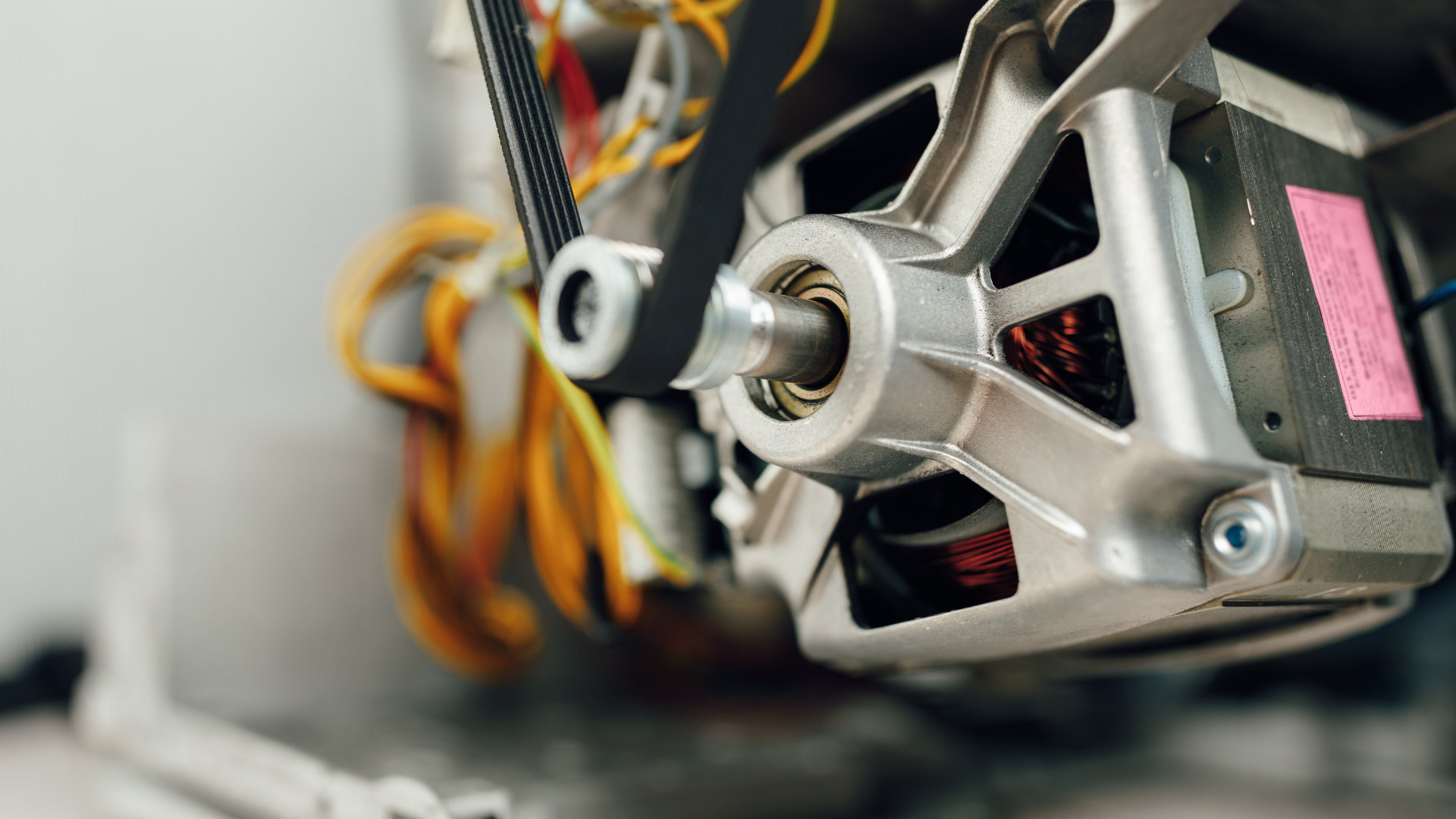
Some washing machine problems go beyond simple adjustments. Issues like broken suspension rods or faulty shock absorbers require expert repair. Professionals have the right tools and knowledge to fix these parts safely. Attempting these repairs alone can cause more damage.
Persistent Shaking
Washing machines that keep shaking after basic fixes need professional attention. Persistent vibrations may mean internal parts are worn or loose. A technician can diagnose the exact cause and provide a lasting solution. Ignoring constant shaking risks further damage to the machine.
Safety Considerations
Safety is important when dealing with electrical appliances. If the washing machine makes strange noises or sparks, stop using it immediately. Unplug the machine and contact a professional. Handling electrical problems without experience can be dangerous.
Credit: danmarcappliance.com
Frequently Asked Questions
How Do You Fix An Unbalanced Washing Machine?
Redistribute clothes evenly inside the drum and restart the cycle. Level the machine by adjusting the feet with a spirit level. Replace worn suspension springs or rods if shaking persists. Seek professional repair for complex mechanical issues.
How To Fix Washing Machine Drum Banging?
Redistribute clothes evenly inside the drum and restart the cycle. Level the machine by adjusting its feet using a spirit level. Inspect suspension rods and springs for wear. Replace damaged parts or call a professional if banging persists.
Why Are My Clothes Still Very Wet After Spin Cycle?
Clothes stay wet after spin if the load is unbalanced or the machine isn’t level. Redistribute clothes evenly and adjust leveling feet. Overloading or mechanical issues like worn suspension parts can also cause poor spinning. Check these to improve water extraction.
Can I Fix The Ub Error Myself?
You can fix a UB error by redistributing clothes evenly and leveling the machine using the adjustable feet. Check for worn suspension parts if problems persist. Complex repairs may require a professional.
Why Is My Washing Machine Unbalanced During Spin?
Uneven clothes distribution causes imbalance. Heavy or single items can make the drum wobble.
Conclusion
An unbalanced washing machine causes noise and stops cycles. Redistribute clothes evenly inside the drum to fix this. Check if the machine stands level using a spirit level tool. Adjust the feet until the washer is stable and flat. Avoid washing one heavy item alone to prevent imbalance.
Persistent issues may mean worn parts need repair. Regular maintenance helps keep your washer running smoothly. Taking these steps saves time and avoids costly repairs. Keep your laundry routine simple and your machine steady.