
Is your washing machine making loud banging noises during the spin cycle? If so, you’re not alone—and it’s more than just an annoying sound.
That banging could signal something wrong inside your machine that, if ignored, might lead to bigger problems or costly repairs. But don’t worry; understanding why this happens and how to fix it can save you time, money, and stress. You’ll discover the most common reasons behind those loud noises and simple steps you can take to stop the banging and keep your washer running smoothly.
Keep reading—you’ll want to know how to protect your appliance and avoid unexpected breakdowns.
Credit: www.youtube.com
Common Causes Of Banging
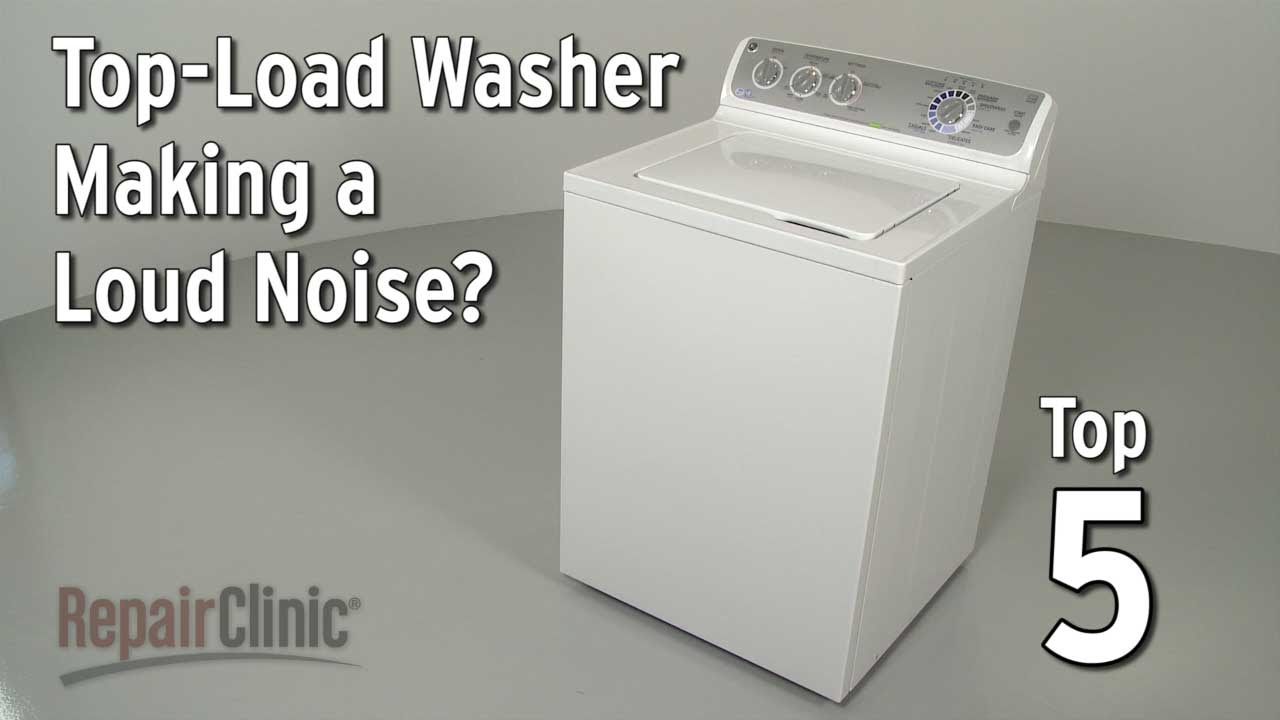
A washing machine making loud banging noises during the spin cycle can be very frustrating. These noises usually point to specific problems inside the machine. Understanding the common causes helps identify the right fix quickly. Below are the main reasons for banging sounds in your washer.
Unbalanced Load
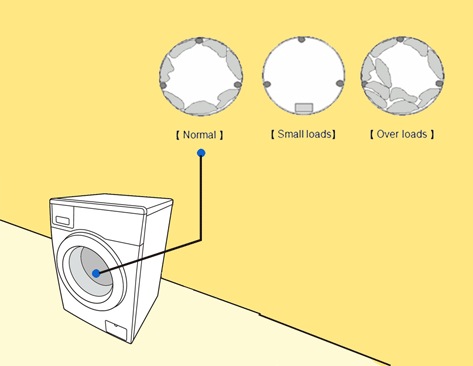
An unbalanced load is the top cause of banging noises. Clothes may clump on one side of the drum. This makes the machine shake and bang loudly. Heavy items like towels mixed with light clothes worsen the issue. To fix this, stop the cycle and spread clothes evenly.
Washer Not Level
A washer that is not level will rock and bang during spinning. Uneven floors or shifted feet cause this problem. Use a bubble level to check the machine’s balance. Adjust the leveling legs until the washer stands firm and stable. This stops excess movement and noise.
Worn Suspension Springs Or Shock Absorbers
Suspension springs and shock absorbers keep the tub steady inside the washer. Over time, these parts wear out or break. This lets the tub move too much and hit the washer walls. Replacing worn springs or shocks is necessary to fix banging sounds. Professional help may be needed for this repair.
Damaged Tub Bearing
The tub bearing allows the drum to spin smoothly. A damaged bearing makes a loud, constant banging or rumbling noise. This problem worsens as the bearing fails further. Replacing the bearing is complex and requires a technician. Ignoring this may cause more damage to the washer.
Loose Drive Pulley Or Motor Coupling
A loose drive pulley or motor coupling can cause knocking noises during spinning. These parts connect the motor to the drum. If they become loose or worn, the drum spins unevenly. Tightening or replacing these parts usually stops the banging sound. This fix may need a professional’s tools and skills.
Fixing Unbalanced Loads
Unbalanced loads often cause loud banging noises during the spin cycle. The washer struggles to spin evenly when clothes cluster on one side. Fixing this problem improves machine performance and reduces noise. Properly balancing the load prevents damage to the washer’s internal parts. Simple steps can help you fix the issue quickly and safely.
Redistributing Clothes Evenly
Stop the washer and open the door. Check if clothes are clumped together on one side. Pull apart large piles and spread garments evenly around the drum. Make sure the load feels balanced by hand. Restart the spin cycle after redistributing. This simple action stops banging noises and protects the washer.
Separating Heavy And Light Items
Mixing heavy and light items causes uneven weight distribution. Heavy towels or bedding can cause the drum to shake violently. Wash heavy items separately from lighter clothes. This avoids sudden shifts during spinning. Sorting laundry by weight keeps the load balanced. It reduces noise and extends the life of the machine.
Leveling The Washer
Leveling the washer is a key step to stop loud banging noises during the spin cycle. An uneven washer rocks and shakes, causing noise and possible damage. Ensuring your washer sits flat on the floor helps it run smoothly and quietly. This section explains how to check and adjust the level of your washing machine.
Checking With A Bubble Level
Place a bubble level on top of your washer. Check the bubble in the vial. It should be centered between the two lines. If it is off-center, the washer is not level. Check the front-to-back and side-to-side directions. Do this in multiple spots on the washer’s top surface. This simple tool helps find uneven spots that cause banging.
Adjusting Leveling Legs
Most washers have adjustable legs at each corner. Use your hands or a wrench to turn them. Turning clockwise usually lowers the washer; counterclockwise raises it. Adjust each leg slowly and check the bubble level often. Make sure all four legs touch the floor firmly. The washer should no longer rock or wobble. Properly set legs keep the machine steady during the spin cycle.
Repairing Suspension Issues
Repairing suspension issues can stop your washing machine’s loud banging noise. The suspension keeps the drum steady during the spin cycle. When these parts wear out, the drum may hit the sides, causing noise and shaking. Fixing suspension problems can restore smooth and quiet operation.
Check suspension springs and shock absorbers carefully. These parts absorb the drum’s movements. Damaged springs or worn shock absorbers need replacement. Doing this repair yourself saves money and prevents further damage.
Inspecting Suspension Springs
Suspension springs hold the drum in place. They stretch and absorb movement during the spin cycle. Open the washing machine cabinet to find these springs. Look for breaks, rust, or signs of wear. Broken springs cause the drum to bounce loudly.
Test each spring by gently pushing the drum. It should move smoothly without hitting the sides. Loose or broken springs must be removed and replaced. Use the exact spring model for your washing machine brand. Proper installation ensures the drum stays stable.
Replacing Shock Absorbers
Shock absorbers reduce drum vibration in front-loading washers. Over time, they lose their damping ability. Worn shock absorbers cause banging and shaking during spins. Locate the shocks at the bottom of the drum inside the cabinet.
Check for oil leaks or dents on the shock body. Push the drum to test its bounce. Excessive movement shows weak shocks. Remove the old shock by detaching bolts and clips. Install new shock absorbers securely to prevent noise. Test the machine after replacement to confirm quiet operation.
Addressing Tub Bearing Problems
The tub bearing plays a crucial role in your washing machine’s spin cycle. It supports the drum and allows it to rotate smoothly. When the tub bearing wears out or fails, the machine can produce loud banging noises during spinning. Addressing tub bearing problems quickly helps prevent further damage to the washer.
Faulty tub bearings cause increased friction and vibration. This often leads to loud, repetitive banging sounds. The noise may grow louder as the spin speed increases. Ignoring bearing issues can result in more costly repairs or even a total machine breakdown.
Signs Of Bearing Failure
Listen for loud banging or rumbling noises during the spin cycle. These sounds usually mean the bearing is damaged. You might notice the drum feels loose or wobbles when you move it by hand. Water leaks near the tub area can also indicate a failing bearing. Another sign is a strong burning smell caused by friction inside the bearing. Early detection helps avoid major repairs.
When To Call A Professional
Replacing tub bearings is a complex and time-consuming task. It often requires special tools and technical knowledge. If you hear loud banging noises or see other signs of bearing failure, it is wise to contact a professional repair technician. Attempting to fix bearings without experience can damage the machine further. A qualified technician can diagnose the problem and perform the repair safely and effectively.

Credit: www.youtube.com
Handling Drive Pulley And Motor Issues
Drive pulley and motor problems often cause loud banging during the spin cycle. These components work closely to spin the drum at high speeds. When they fail, noises and vibrations increase. Handling these issues quickly can prevent further damage and costly repairs.
Identifying Loose Components
Check the drive pulley for looseness or damage. A loose pulley wobbles during the spin cycle. This causes banging or knocking noises. Inspect the motor coupling too. It connects the motor to the transmission. If worn or broken, it can create loud thuds. Listen carefully for unusual sounds near the motor area. Tighten any loose bolts or screws around these parts. Replace damaged components to stop the noise.
Professional Repair Options
Drive pulley and motor repairs can be complex. They require special tools and knowledge. A certified technician can diagnose the exact problem. They can replace faulty parts safely. Attempting repairs without experience can cause more harm. Professionals ensure the washing machine works quietly and efficiently again. Schedule a repair service to fix motor or pulley issues properly.
Preventive Tips To Avoid Noise
Preventing loud banging noises during the spin cycle saves time and stress. Simple habits keep the washing machine running smoothly. Taking care of the machine avoids costly repairs. Follow these preventive tips to reduce noise and protect your appliance.
Proper Loading Techniques
Load clothes evenly inside the drum. Avoid putting all heavy items on one side. Mix large and small items to balance weight. Overloading causes imbalance and noise. Washing bulky items separately reduces strain. Redistribute clothes if the machine starts to shake. Proper loading stops banging and protects parts.
Regular Maintenance Checks
Check the washing machine regularly for loose parts. Tighten screws and bolts as needed. Inspect suspension springs or shock absorbers for wear. Clean the drum and remove foreign objects. Level the machine using a bubble level tool. Adjust the feet to keep it steady. Early maintenance prevents loud noises and extends machine life.
Credit: www.samsung.com
When To Seek Professional Help
Knowing when to seek professional help for a washing machine making loud banging noises is important. Some problems are simple and can be fixed at home. Others need expert skills and tools. Ignoring serious issues can cause more damage and higher costs. This section explains when to stop DIY and call a technician.
Complex Repairs Beyond Diy
Some washer problems are too complex for home fixes. Issues like worn tub bearings or broken suspension springs need special parts and skills. These parts are deep inside the machine. Trying to fix them without experience can cause more harm.
Electrical or motor problems also require expert care. These can be dangerous to handle without proper knowledge. A professional technician has the right tools and training. They can diagnose the exact cause quickly and fix it safely.
Choosing A Reliable Technician
Finding a trustworthy technician saves time and money. Look for professionals with good reviews and licenses. Ask about their experience with your washer brand and model. A reliable expert will explain the problem clearly and offer a fair price.
Check if the technician provides a warranty on repairs. This shows confidence in their work. Avoid companies that rush the job or refuse to give details. A good technician will answer all questions and give clear advice.
Frequently Asked Questions
Why Is My Washer Banging During The Spin Cycle?
Your washer bangs during the spin cycle mainly due to an unbalanced load. Redistribute clothes evenly. Also, check if the machine is level. Worn suspension springs, shock absorbers, or a failing tub bearing can cause noise. Replace worn parts or call a professional for complex repairs.
Is It Worth Replacing Drum Bearings On A Washing Machine?
Replacing drum bearings on a washing machine is worth it if the bearings are worn. It extends machine life and reduces noise. Repair costs are often lower than buying new washers. Ensure a professional handles the replacement for best results and safety.
How Do I Rebalance My Washing Machine Drum?
Stop the washer and redistribute clothes evenly in the drum. Ensure the machine stands level by adjusting its feet. Check for worn suspension parts or bearings and replace if needed. Balance heavy and light items separately to prevent future issues.
How To Fix A Water Hammer In A Washing Machine?
Fix water hammer in a washing machine by securing loose pipes, installing water hammer arrestors, and checking for high water pressure.
Why Does My Washing Machine Bang During The Spin Cycle?
A banging noise usually means the load is unbalanced or the washer is not level.
Conclusion
A washing machine banging during the spin cycle signals an issue. Common causes include unbalanced loads and uneven leveling. Fixing these often stops the noise quickly. Worn parts like springs or bearings need replacement to prevent damage. Some repairs may require professional help for safety and effectiveness.
Regularly checking your washer keeps it running smoothly and quietly. Taking action early saves money and extends the machine’s life. Don’t ignore loud noises—they often warn of bigger problems ahead.