
Choosing the right washing machine load capacity can make a huge difference in your laundry routine. Are you tired of doing endless loads or struggling to fit bulky items like comforters?
Understanding how much laundry your washer can handle saves you time, energy, and even money. In this guide, you’ll discover how to pick the perfect load size for your needs, avoid common mistakes, and get the best results every time you wash.
Ready to make laundry easier and more efficient? Keep reading to find out everything you need to know about washing machine load capacity.

Credit: www.rdo.co.uk
Load Capacities By Washer Type
Understanding load capacities by washer type helps choose the right machine. Washers vary in size and design. Each type handles laundry loads differently. Knowing these differences saves time and energy. It also ensures clothes are cleaned properly without damage.
Top Load Vs Front Load
Top load washers usually have a load capacity between 3.5 to 5.5 cubic feet. They work well for small to medium-sized families. Front load washers tend to offer larger capacities, ranging from 4.0 to 6.0 cubic feet. These machines are efficient and use less water. Front loaders handle bulky items like blankets better. Top loaders are easier to load and unload. Front loaders often provide better cleaning performance and fabric care.
Agitator And Impeller Differences
Top load washers come with two main types of mechanisms: agitators and impellers. Agitator models have a central post that moves clothes around. They usually have smaller capacities, around 3.5 to 4.5 cubic feet. Impeller washers use a low-profile plate to move clothes gently. These washers offer larger capacities, often 4.5 to 5.5 cubic feet. Impellers create more space inside the drum. They are gentler on fabrics and save water. Agitators may clean heavily soiled clothes better but use more water.
Credit: tide.ca
Calculating Tub Capacity
Calculating the tub capacity of a washing machine helps you understand how much laundry fits inside. It ensures you do full loads without overloading the washer. Knowing the tub size also aids in choosing the right machine for your needs.
Measuring Diameter And Depth
Start by measuring the diameter of the tub. Use a tape measure and note the distance across the tub’s opening. Next, measure the depth from the top edge down to the bottom of the tub. These two measurements are key to finding the tub’s volume.
Converting To Cubic Feet
Use the diameter and depth to calculate the tub’s volume in cubic feet. First, find the radius by dividing the diameter by two. Then apply the formula for a cylinder’s volume: π × radius² × depth. Convert the measurements to feet before calculating. This gives the tub capacity in cubic feet, a common size measure for washers.
Capacity Recommendations By Household Size
Choosing the right washing machine capacity depends greatly on your household size. This choice affects your laundry routine, energy use, and water consumption. Picking the correct capacity ensures efficient washing without damaging clothes or the machine. Below, find simple guidelines to help you match your washer size to your family needs.
Small And Medium Families
For small families of one to three people, washers with a capacity of 5 to 7 kilograms work well. These machines can handle daily laundry without wasting water or electricity. Medium families of up to five members should consider washers around 7 to 9 kilograms. This size fits regular laundry loads comfortably, including towels and light bedding.
Large Families And Bulk Items
Large families with six or more members need washers with 10 kilograms or more capacity. These machines manage big laundry loads and save time with fewer wash cycles. They also fit bulky items like king-size comforters, heavy blankets, and large curtains. Choosing a larger capacity reduces the number of washes and helps keep laundry days shorter.
:max_bytes(150000):strip_icc()/formula-to-calculate-washer-tub-capacity-2145871_V2-ac9665fddba4474d9f2b988bad0e3a7e.png)
Credit: www.thespruce.com
Handling Bulky Items
Bulky items need special care in washing machines. These items take more space and need gentle handling. Overloading the washer with bulky items can damage both the clothes and the machine. Use the right settings and load size to clean bulky items effectively.
Washing King-size Comforters
King-size comforters are large and heavy when wet. Check your washer’s capacity before washing these items. A large capacity washer is best for king-size comforters. Avoid stuffing the comforter tightly inside the drum. This ensures water and detergent reach all areas for a thorough clean. Balance the load to stop the machine from shaking.
Using Bulky Or Comforter Cycles
Many washers have special cycles for bulky items. These cycles use slower spin speeds to protect fabrics. They also use more water to clean thick items deeply. Select the bulky or comforter cycle when washing large blankets or pillows. This helps prevent damage and keeps items fluffy and clean. Follow the machine’s instructions to get the best results.
Maximizing Washer Efficiency
Maximizing washer efficiency helps save time, energy, and water. Proper use of your washing machine ensures clothes come out clean and fresh every time. Following simple steps prevents damage to the machine and extends its life. Focus on load size and arrangement for best results.
Avoiding Overloading
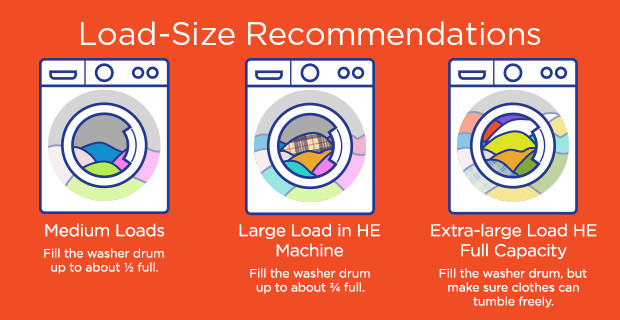
Overloading a washer reduces cleaning power. Clothes need space to move freely for thorough washing. Overpacked loads cause poor rinsing and more wrinkles. The machine works harder, using extra energy and water. Follow the manufacturer’s load capacity guidelines strictly. Leaving room improves wash quality and protects the washer.
Balancing Loads Properly
Balanced loads prevent excessive vibration and noise. Uneven weight can cause the washer to shake or stop mid-cycle. Distribute clothes evenly around the drum for smooth spinning. Mix heavy and light items to maintain balance. A balanced load protects the machine’s parts and improves washing results.
Saving Energy And Water
Saving energy and water is essential for every household. Washing machines use a lot of both resources. Using them wisely helps reduce bills and protects the environment.
Choosing the right washing practices can make a big difference. Small changes in how you load and set your machine save resources without sacrificing cleanliness.
Running Full Loads
Always run your washing machine with a full load. This uses the same water and energy as a smaller load. Full loads maximize efficiency and reduce the number of washes.
Avoid overloading the machine. Clothes need space to move for proper cleaning. Overfilling can cause poor results and wear out your washer faster.
Choosing The Right Settings
Select the correct wash cycle based on your load size and fabric type. Many machines have eco or water-saving settings. These reduce water use and power consumption.
Use cold water whenever possible. Heating water uses more energy. Cold water washes are gentle and effective for most clothes.
When To Use Commercial Washers
Commercial washers serve a specific need that home machines often cannot meet. They handle larger loads and tougher stains more efficiently. Understanding when to choose commercial washers helps save time and effort in laundry tasks.
Limits Of Home Machines
Home washers have size and power limits. Most handle up to 4-5 cubic feet of laundry. Large or bulky items may not fit well. Overloading reduces cleaning quality and damages the machine. Heavy or frequent loads can wear out home washers quickly. Some stains need stronger wash cycles found only in commercial machines.
Accessing Local Laundry Facilities
Local laundromats offer commercial washers for public use. They provide machines with larger capacity and more powerful cycles. These facilities are ideal for bulky bedding and large family loads. Many laundromats also have dryers that handle heavy loads. Using local laundry services can be cost-effective for occasional big washes. It also saves space and maintenance at home.
Frequently Asked Questions
How Can I Tell My Washing Machine Load Capacity?
Check your washing machine’s manual or label for load capacity. It usually lists kilograms or pounds. Front-loaders often hold more than top-loaders. Some models show capacity near the door or control panel. You can also calculate it by measuring tub dimensions.
Is 4.5 Cubic Feet A Large Washer?
A 4. 5 cubic feet washer is considered large. It suits families up to five and handles bulky items like king-size comforters. It offers ample space for bigger loads, saving time and energy.
Can A 5.0 Cu Ft Washer Wash A King Size Comforter?
A 5. 0 cu ft washer can wash a king-size comforter but may fit tightly. Use a bulky cycle and avoid overloading for best results.
Is 7 Cubic Feet A Big Washer?
A 7 cubic feet washer is considered very large. It suits families up to five and handles bulky items like king-size comforters.
What Does Washing Machine Load Capacity Mean?
Load capacity is the maximum weight of laundry a washer can handle per cycle.
Conclusion
Choosing the right washing machine load capacity saves time and energy. Larger capacities fit big families and bulky items well. Smaller washers suit singles or couples with less laundry. Avoid overloading to keep clothes clean and machines lasting longer. Match the capacity to your needs for best results.
This simple step helps you enjoy easier laundry days.