
Are you frustrated because your washing machine keeps leaving stubborn stains on your clothes? You’re not alone.
Many people in Austin, Texas, and beyond face this annoying problem that turns fresh laundry into a mess. Those unexpected marks and spots can ruin your favorite outfits and make you wonder if your washer is actually helping or harming your clothes.
But don’t worry—understanding why this happens is the first step to fixing it. You’ll discover the common reasons behind washing machine stains and simple, effective solutions you can use right away. Keep reading to save your clothes and get your laundry looking spotless again!
Common Stain Causes
Washing machines can leave stains on clothes due to several common causes. Understanding these causes helps prevent marks and keeps laundry fresh. Stains often result from buildup, detergent issues, or machine problems. Each factor affects clothes differently and can be fixed with simple steps.
Soap, dirt, and fabric softener build up inside the machine over time. This residue sticks to the drum, seals, and dispensers. Clothes pick up this grime during washing and come out stained. Regular cleaning of the washer prevents this problem.
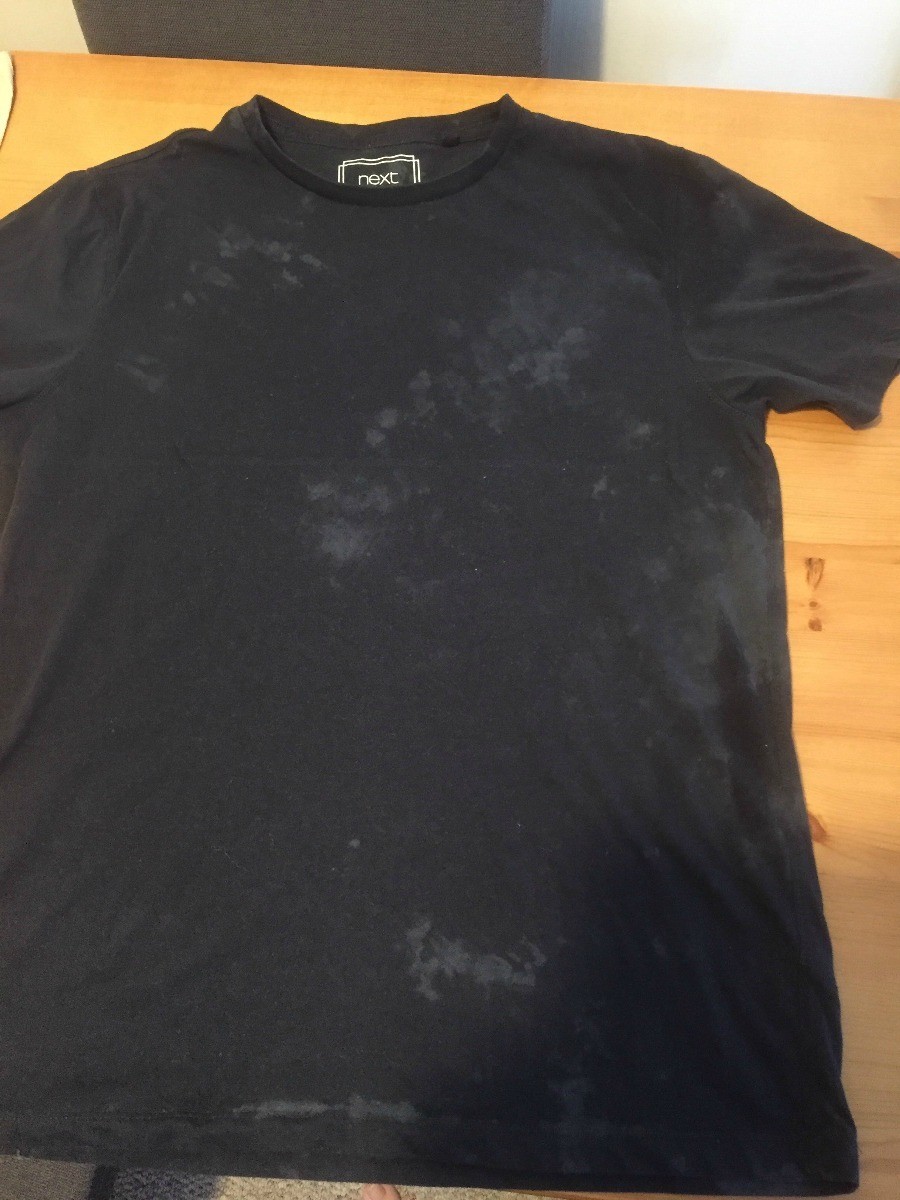
Using too much detergent can cause stains on clothes. Powder detergent may not dissolve well in cold water, leaving white or blue marks. Choosing the right amount and type of detergent keeps clothes clean and stain-free.
Pouring fabric softener directly on clothes causes greasy stains. Using too much fabric softener also leaves marks. Always add fabric softener to the designated dispenser to avoid these stains.
Overloading the washing machine stops clothes from moving freely. This blocks detergent and water from reaching all clothes. Stains from undissolved detergent or dirt can form. Wash smaller loads for better results.
Dirty parts like the drum, dispensers, and rubber seals cause stains. These parts trap grime and transfer it to clothes. Cleaning these components regularly stops stains and keeps the machine working well.
Worn or damaged parts inside the washer can leave marks on clothes. Rust, broken seals, or sharp edges cause stains or tears. Inspect the machine and repair any damage to protect your laundry.
Residue And Buildup
Residue and buildup inside your washing machine can cause stains on clothes. Dirt, soap, and fabric softener collect over time. These residues stick to clothes during the wash cycle. Regular cleaning of the machine helps stop these stains. Understanding where buildup forms can guide you on how to clean effectively.
Soap Scum In Drum
Soap scum forms when detergent does not dissolve fully. It leaves a sticky film on the drum walls. This film traps dirt and grime. Clothes rubbing against it pick up stains. Using too much detergent or cold water can cause soap scum. Clean the drum regularly with vinegar or a washing machine cleaner.
Clogged Dispensers
Detergent and fabric softener dispensers can get clogged. Residue builds up inside the compartments. This prevents proper flow of cleaning agents. Undissolved detergent may drip directly on clothes. It causes white or blue marks. Remove dispensers and rinse them under warm water. Use a brush to clear any blockages.
Moldy Seals
Rubber door seals hold moisture and dirt. Mold grows easily in this damp area. Mold leaves black or green spots on clothes. It also causes unpleasant smells. Wipe seals after every wash to keep them dry. Clean with a mild bleach solution to kill mold. Replace seals if mold persists.
Detergent Problems
Detergent problems often cause washing machines to leave stains on clothes. These issues can create marks that look like dirt, white spots, or even blue stains. Understanding how detergent use affects your laundry helps prevent these unwanted marks.
Excess Detergent Use
Using too much detergent does not clean clothes better. Instead, it leaves soap residue on fabric. This residue can trap dirt and cause stains. Clothes may feel sticky and look dull after washing. Follow the detergent instructions carefully to avoid this problem.
Undissolved Powder Detergent
Powder detergent does not always dissolve completely in cold water. Undissolved powder can stick to clothes and cause white or blue spots. These spots look like stains but are just detergent residue. To prevent this, try using warm water or switch to liquid detergent.
Detergent Type Choices
Choosing the right detergent is important for stain-free clothes. Some detergents work better for certain fabric types or water temperatures. High-efficiency (HE) washers need HE detergent to avoid extra suds and residue. Picking the correct detergent helps clothes come out clean and fresh.

Credit: pennyspersonaltouch.com
Fabric Softener Issues
Fabric softener can cause stains on clothes when not used properly. It is designed to make fabrics soft and reduce static, but misuse can leave marks. Understanding how to use fabric softener correctly helps keep clothes clean and fresh.
Direct Pouring On Clothes
Pouring fabric softener directly on clothes causes spots and stains. The liquid does not dilute immediately and leaves greasy marks. Always add fabric softener to the designated dispenser in your washing machine. This ensures it mixes with water before reaching your clothes.
Overuse Consequences
Using too much fabric softener can build up residue on clothes and inside the washer. This residue traps dirt and causes stains to appear after washing. Excess softener can also reduce fabric breathability and absorbency. Follow the recommended amount on the product label to avoid these problems.
Alternatives To Fabric Softener
Try natural alternatives like white vinegar or baking soda to soften clothes. These options do not leave stains or build up residue. Vinegar also helps remove detergent buildup and freshens fabrics. Add half a cup of vinegar to the rinse cycle for best results.
Machine Overloading
Overloading a washing machine is a common mistake that often causes stains on clothes. When too many items fill the drum, the machine struggles to clean them properly. Clothes do not get enough space to move and rinse well. This leads to detergent and dirt staying on fabric, causing marks and stains. Understanding the effects of overloading helps keep laundry fresh and stain-free.
Impact On Cleaning
Overloading limits water and detergent flow through clothes. This reduces the machine’s ability to remove dirt and stains. Clothes rub against each other too much, causing fabric wear and uneven cleaning. Detergent may not dissolve properly, leaving white or blue spots. The rinse cycle also becomes less effective, so soap residue remains. Stains appear because clothes do not get a thorough wash.
Proper Load Sizes
Each washing machine has a recommended load size. This depends on the drum capacity, usually measured in kilograms. Follow the manufacturer’s guidelines to avoid overloading. Leave enough space for clothes to move freely inside the drum. For heavy fabrics like towels or jeans, load less to allow better cleaning. Proper load sizes ensure detergent spreads evenly and rinses out completely. Clothes come out clean without stains or soap marks.
Dirty Components
Dirty components inside your washing machine often cause stains on clothes. These parts trap dirt, soap, and mildew. Over time, grime builds up and transfers onto fabrics during the wash cycle. Regular cleaning of these areas keeps your laundry fresh and stain-free.
Clogged Filters
Filters catch lint and debris from clothes. When clogged, water flow reduces and dirt stays inside. This dirty water then soaks clothes, leaving marks and stains. Clean the filters monthly to avoid buildup and keep water flowing smoothly.
Unclean Dispensers
Detergent and fabric softener dispensers often gather residue. Old soap and softener harden and block proper dispensing. This causes uneven washing and stains on clothes. Remove and wash dispensers regularly to stop residue from building up.
Mold And Mildew
Mold grows in moist, dark parts of the washer. Rubber seals and door gaskets are common spots. Mold spores stick to clothes and cause dark, smelly stains. Wipe seals and dry the machine after each use to prevent mold growth.
Mechanical Damage
Mechanical damage inside a washing machine often causes stains on clothes. This damage happens when parts inside the washer wear out or break. Clothes rub against these damaged parts and pick up marks or stains.
Understanding the types of mechanical damage can help you identify the cause of stains. Two common issues are chipped drum enamel and rust stains. Both can leave unwanted marks on your laundry.
Chipped Drum Enamel
The drum in a washing machine has a smooth enamel coating. This coating protects clothes during washing. Over time, harsh use or sharp objects can chip this enamel.
Chipped enamel exposes rough metal underneath. Clothes rub against these rough spots and get scratched or stained. These stains often look like small rust marks or dark spots.
Fixing chipped drum enamel usually requires professional help. Continuing to use the machine without repair will cause more stains and damage to your clothes.
Rust Stain Causes
Rust stains appear when metal parts inside the washer corrode. Water and air cause this corrosion, especially if the enamel is chipped.
Rust flakes mix with water and stick to clothes during washing. These rust stains are usually orange or brown and can be hard to remove.
Regular maintenance can prevent rust build-up. Check the drum and other metal parts for signs of rust. If rust is present, cleaning or part replacement may be needed.
Credit: chaitanyawomenscollege.org
Quick Fixes
Quick fixes can stop stains on clothes from washing machines fast. These simple steps keep your laundry fresh and clean. Small changes make a big difference in preventing stains.
Regular Machine Cleaning
Clean the washing machine drum every month. Use white vinegar or a washing machine cleaner. Run an empty hot water cycle to remove dirt and soap scum. This stops residue from staining clothes.
Dispenser Maintenance
Remove and clean detergent and fabric softener dispensers regularly. Use warm water and a brush to clear clogs. Clean dispensers help detergent flow smoothly and prevent buildup on clothes.
Detergent Dosage Tips
Use the right amount of detergent for each load. Too much detergent leaves residue on clothes. Follow the detergent label instructions for best results. Less is often more.
Dissolving Powder Detergent
Mix powder detergent in a cup of warm water before adding it to the machine. This helps it dissolve fully. Undissolved powder can cause blue or white stains on clothes.
Fabric Softener Usage
Pour fabric softener into the dispenser, not directly on clothes. Use the correct amount to avoid greasy stains. Fabric softener must dilute well to work properly.
Avoiding Overloads
Do not overload the washing machine. Clothes need space to move and rinse well. Overloading causes poor cleaning and leaves stains behind.
Filter Cleaning
Check and clean the washing machine filter monthly. A clogged filter traps dirt and lint. Clean filters prevent dirt from redepositing on clothes.
Addressing Rust Issues
Inspect the drum and pipes for rust spots. Rust leaves orange or brown marks on clothes. Use rust remover or call a technician to fix rust problems quickly.
Preventive Tips
Preventing stains from washing machines starts with good care habits. Small actions keep your clothes fresh and spotless. Follow these simple tips to avoid stains and keep your washer clean.
Routine Cleaning Schedule
Clean your washing machine once every month. Use white vinegar or a washing machine cleaner. Run an empty hot water cycle with the cleaner. Wipe seals and dispensers to remove residue and mold. Regular cleaning stops dirt buildup and stain transfer.
Choosing The Right Products
Use detergent suitable for your machine type—HE or regular. Measure detergent carefully; too much causes residue. Avoid powder detergent in cold water; it may not dissolve. Use fabric softener sparingly and never pour directly on clothes. Right products keep clothes and machine stain-free.
Load Management Strategies
Do not overload the washer. Overloading blocks proper rinsing and cleaning. Wash similar fabrics together to avoid damage. Give clothes space to move freely inside the drum. Proper loading ensures even washing and no leftover detergent stains.
Monitoring Machine Condition
Check hoses, seals, and dispensers regularly for damage or buildup. Replace worn rubber seals to stop mold growth. Inspect detergent drawers and clean them often. Listen for unusual noises that may signal machine issues. Early checks prevent stains and extend machine life.
Credit: www.reddit.com
Frequently Asked Questions
Why Does My Washing Machine Leave Stains On My Clothes?
Your washing machine leaves stains due to residue buildup, excess detergent, fabric softener misuse, or dirty machine parts. Clean the machine regularly, use proper detergent amounts, avoid overloading, and clean dispensers to prevent stains.
How Do I Stop The Washing Machine From Leaving Marks On Clothes?
Clean the washing machine regularly to remove residue. Use the correct detergent amount and avoid overloading. Dissolve powder detergent fully. Apply fabric softener through the dispenser only. Check and clean dispensers, filters, and seals to prevent grime and stains on clothes.
Why Does My Washing Machine Leave Grey Spots On My Clothes?
Grey spots on clothes often result from detergent residue, fabric softener buildup, or a dirty washing machine. Overloading the washer and using too much detergent also cause stains. Clean your machine regularly, use the right detergent amount, and avoid pouring fabric softener directly on clothes to prevent grey marks.
How To Get Rid Of Stains Left By A Washing Machine?
Clean the washing machine regularly using white vinegar or a specialized cleaner. Use the right detergent amount and dissolve powder detergent fully. Avoid overloading the machine and pour fabric softener only in dispensers. Clean dispensers and check for mechanical issues to prevent stains on clothes.
Why Does My Washing Machine Leave Stains On Clothes?
Residue, detergent buildup, or dirty machine parts can cause stains on clothes after washing.
Conclusion
Washing machine stains on clothes happen for many reasons. Dirt, soap, or fabric softener can build up inside the washer. Too much detergent or overloading clothes also cause stains. Regular cleaning of the drum and dispensers helps stop stains. Use the right detergent amount and avoid pouring fabric softener directly on clothes.
Fix small machine issues quickly to prevent damage. Following these simple steps keeps your clothes clean and fresh after every wash. A little care goes a long way in stain-free laundry days.