
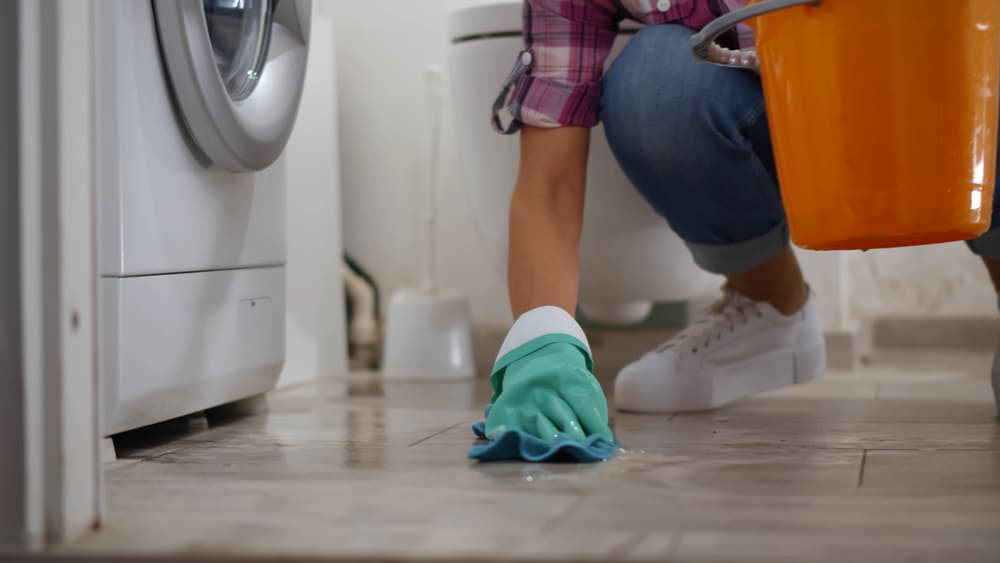
Is your washing machine leaking water from the top or bottom? This frustrating problem can disrupt your laundry routine and cause damage to your floors.
You might wonder why this is happening and how to fix it quickly before the leak gets worse. The good news is, many leaks have simple causes like an unbalanced load, too much detergent, or a loose hose. You’ll learn how to identify the source of the leak and the easy steps you can take to stop it.
Keep reading to protect your washing machine and your home from water damage today!
Credit: dryforcecorp.com
Leaks From The Top
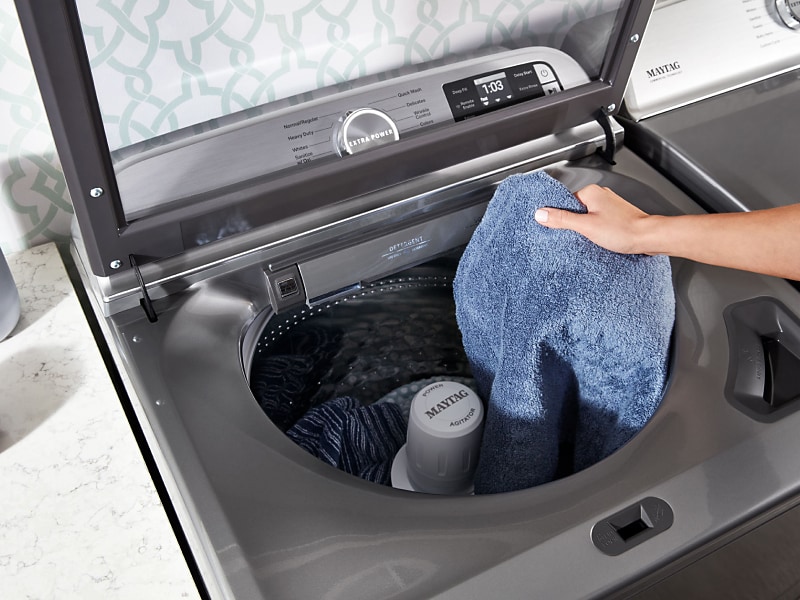
Leaks from the top of a washing machine can disrupt your laundry routine and cause water damage. These leaks often happen due to common issues related to loading, detergent use, water filling, machine placement, or worn parts. Identifying the exact cause helps stop the leak quickly.
Below are frequent reasons for top leaks and simple ways to fix them.
Load Issues And Water Splash
Overloading the washer or placing clothes unevenly leads to water splashing out. An unbalanced load makes the drum spin unevenly, pushing water over the top edge. Always spread clothes evenly and avoid filling beyond the recommended level. Keep items below the top row of holes to prevent spills.
Excess Suds Overflow
Using too much detergent causes excess suds that overflow from the drum. Soft water increases sudsing, making the problem worse. Use only the detergent amount suggested for your machine, preferably HE (High-Efficiency) detergent. Excess suds can force water through the tub cover and leak from the top.
Water Fill Mistakes
Incorrect water fill settings can cause leaks. Too much water fills the tub above the safe level, leading to overflow. Check your machine’s water level controls and adjust them to the correct setting. Ensure the water supply hoses are tightly connected to avoid leaks during filling.
Machine Leveling Problems
A washer that is not level can tilt during the spin cycle. This tilt allows water to splash or leak out from the top. Use a spirit level to check the machine’s position. Adjust the feet to keep the washer stable and balanced on the floor for leak-free operation.
Tub Cover Gasket Damage
The tub cover gasket seals the top of the drum to prevent leaks. Over time, this gasket may crack or wear out. A damaged gasket lets water escape during washing. Inspect the gasket regularly and replace it if you find any tears or hardening. A good seal keeps water safely inside.
Credit: www.maytag.com
Leaks From The Bottom
Leaks from the bottom of a washing machine often signal issues inside the appliance. Water pooling underneath or dripping onto the floor can damage your floors and cause safety hazards. Identifying the root cause helps prevent further damage and saves repair costs.
Several components inside the washer can fail or wear out, leading to leaks from the bottom. These parts include hoses, seals, pumps, and valves. Checking these areas regularly can catch problems early.
Damaged Internal Hoses
Internal hoses carry water to and from different parts of the washer. These hoses can develop cracks or holes over time. Wear and tear or sharp bends can weaken the hose walls. A damaged hose leaks water inside the machine, which then drips to the floor.
Inspect hoses for cracks or soft spots. Replace any hose that shows signs of wear to stop leaks quickly.
Cracked Drain Pump
The drain pump removes water from the washer after each cycle. It is located near the bottom of the machine. Cracks in the pump housing or seals can cause water to leak out during draining.
Listen for unusual noises during the drain cycle. Check the pump for visible damage. Replacing a cracked drain pump fixes leaks and restores proper drainage.
Worn Outer Tub Seal
The outer tub seal prevents water from leaking where the tub connects to the transmission. Over time, this seal can become brittle or damaged. Water can then escape from the bottom of the tub.
Signs include water pooling under the machine or leaking during spin cycles. Replacing the outer tub seal requires some disassembly but stops persistent leaks.
Faulty Water Inlet Valve
The water inlet valve controls water flow into the washer. If it malfunctions or wears out, it may not close properly. This causes continuous water flow, leading to leaks at the bottom.
Check the valve for leaks or corrosion. A faulty valve needs replacement to prevent flooding and keep the washer running efficiently.
Quick Inspection Tips
Washing machine leaks can cause stress and damage. A quick inspection helps find the leak source fast. You can save time and avoid costly repairs by checking key parts first. Start with simple checks before calling a technician.
Checking For Hose Leaks
Look behind the washing machine for water pooling. Check the water supply hoses for cracks or loose fittings. Tighten hose connections if you see water dripping. Replace any damaged hoses to stop leaks. Also, inspect the drain hose for holes or tears.
Inspecting The Drain Pump
The drain pump moves water out during cycles. A broken pump or loose clips can cause leaks. Remove the back panel to see the pump. Look for cracks or water around it. Ensure the pump is securely attached and clips are tight.
Assessing The Tub Seal
The tub seal keeps water inside the drum. A worn or damaged seal lets water escape. Check around the tub’s edges for moisture or gaps. If the seal looks old or cracked, it needs replacing. This will stop water from leaking at the bottom.
Simple Fixes That Work
Simple fixes can stop your washing machine from leaking quickly. Many leaks come from easy problems. Trying these fixes first saves time and money. Most fixes do not need a professional.
Redistributing The Load
Uneven loads cause water to splash or leak. Spread clothes evenly around the drum. Avoid large items on one side. This balance keeps water inside the machine. Do not overload the washer. Overfilling pushes water out from the top or bottom.
Using Correct Detergent
Using the wrong detergent causes too many suds. Excess suds can overflow and leak. Use HE (High-Efficiency) detergent for best results. Measure detergent carefully. Too much soap increases the chance of leaks.
Leveling The Machine
A tilted washer leaks from the bottom. Check if the machine stands flat. Adjust the legs to level the washer. Use a spirit level to check balance. A level machine keeps water inside during cycles.
Replacing Damaged Gaskets
Worn or cracked gaskets cause leaks around the door or lid. Inspect the gasket for tears or holes. Replace damaged gaskets with new ones. New gaskets create a tight seal. This stops water from escaping.
Swapping Out Faulty Parts
Broken hoses, pumps, or valves cause leaks. Inspect hoses for cracks or loose connections. Replace damaged hoses immediately. Check the drain pump for damage or blockages. Faulty parts need swapping to fix leaks. Use parts made for your machine model.
When To Call A Professional
Knowing when to call a professional for a washing machine leak saves time and prevents damage. Some repairs require special tools and skills. Attempting complex fixes without experience can worsen the problem. A trained technician can diagnose issues quickly and fix them safely. Watch for signs like persistent leaks or unusual noises. These often signal that professional help is needed.
Complex Seal And Bearing Repairs
Seals and bearings keep water inside the tub and allow smooth drum rotation. When these parts wear out, leaks happen from the bottom. Replacing seals or bearings involves disassembling the washer. This task needs mechanical skill and the right tools. Incorrect installation can lead to more leaks or damage. Call a professional to handle seal and bearing repairs.
Drain Pump Replacement
The drain pump moves water out during the wash cycle. A broken or cracked pump often causes leaks at the bottom. Replacing the drain pump requires removing the old part and fitting a new one. It can be tricky due to tight spaces and electrical connections. A technician will ensure the pump is installed correctly and safely.
Water Inlet Valve Issues
The water inlet valve controls water flow into the machine. If it malfunctions, water may leak from the top or back. Fixing or replacing this valve involves disconnecting water lines and electrical parts. This repair needs caution to avoid water damage and electrical hazards. Professionals have the knowledge to fix inlet valve problems properly.
Frequently Asked Questions
Why Is My Washing Machine Leaking From The Top?
Your washing machine leaks from the top due to an unbalanced or overloaded load, excessive suds, or improper water levels. Check the tub cover gasket, internal hoses, and drain pump for damage. Ensure the machine is level and use the correct detergent amount to prevent leaks.
How To Tell If A Washing Machine Is Leaking From The Bottom?
Check for water pooling beneath the machine during or after cycles. Look for cracks, loose hoses, or damaged drain pump at the base. Smell for mildew or dampness under the washer. Monitor if the floor is wet after washing, indicating a bottom leak.
How To Tell If A Washing Machine Has Loose Or Worn Out Drum Bearings?
Listen for loud rumbling or grinding noises during spin cycles. Check for drum wobbling or excessive play by manually rotating it. Notice leaking water or vibration. These signs indicate loose or worn-out drum bearings in a washing machine.
Why Is There A Puddle Of Water At The Bottom Of My Washing Machine?
A puddle under your washing machine often results from a leaking drain pump, cracked hoses, or loose clamps. Check for damaged seals or an unlevel machine causing water to escape. Inspect internal hoses and replace faulty parts to stop leaks and prevent water pooling beneath the washer.
Why Is My Washing Machine Leaking From The Top?
Water can leak from the top due to an unbalanced load, too many suds, or a broken hose.
Conclusion
A washing machine leak can disrupt daily chores and cause damage. Check the load size and balance before starting a cycle. Use the right detergent amount to avoid suds overflow. Keep the machine level to prevent water from spilling. Inspect hoses and seals regularly for cracks or looseness.
Fix issues early to save time and money. Simple care helps your washer run smoothly and leak-free.