
Is your washing machine constantly adding time to its cycle, leaving you wondering why it never finishes when it says it will? You’re not alone.
Many people face this frustrating issue where the timer keeps ticking upward, making laundry day take much longer than expected. But why does this happen? Understanding the reasons behind your washing machine’s extended cycles can help you fix the problem and get your laundry back on track faster.
You’ll discover the common causes behind your washer’s time extensions and simple steps you can take to stop the cycle from dragging on. Keep reading to take control of your washing machine’s timing and save yourself time and hassle.
Why Time Keeps Increasing
Washing machines often add time during a cycle to improve cleaning results. Sensors inside the machine check the load size, dirt level, and balance. If the machine senses more work is needed, it increases the wash time. Several common factors cause this extension, including soap suds, load weight, water flow, and balance issues.
Sensor Adjustments For Load And Soil
Modern washers use sensors to measure the load size and soil level. If the load is large or very dirty, the machine adds time. This helps remove dirt better. The sensors adjust the cycle for better cleaning results automatically.
Impact Of Excessive Suds
Too much detergent creates extra suds. The washer needs more rinses to clear the foam. Each extra rinse adds time to the cycle. Using the correct detergent amount reduces this problem.
Effects Of Overloading
Overloading the washer prevents clothes from moving freely. Dirt may not wash out well. The machine adds time to balance and clean the clothes properly. Keeping loads within limits avoids longer cycles.
Water Supply Delays
Slow water filling can extend wash time. Low water pressure or a clogged inlet filter slows the process. The washer waits for enough water before continuing the cycle.
Drainage Blockages
Blocked or slow draining causes delays. Water stays inside longer while the machine tries to drain. This adds time to the overall cycle. Regularly checking and cleaning the drain hose helps prevent this issue.
Unbalanced Load Corrections
The washer stops to fix unbalanced loads. It redistributes clothes to avoid shaking or damage. This process increases the cycle time. Evenly spreading clothes reduces these pauses.
Energy-saving Cycle Influence
Eco-friendly cycles use less water and energy. These cycles may take longer to clean clothes properly. The machine adjusts time to keep energy use low but still clean well.

Credit: www.youtube.com
Common Washing Machine Issues
Washing machines often add time to a cycle due to common issues inside the unit. These problems make the machine work harder to clean clothes properly. Understanding these issues helps you know why the washer keeps extending the wash time.
Many washing machines use sensors to adjust the cycle length. When the machine faces difficulties, it adds more time to complete the wash. These problems include detergent use, clothes distribution, water flow, and drainage.
Detergent Overuse Problems
Using too much detergent creates extra suds inside the drum. These suds confuse the sensors, making the machine run longer rinse cycles. The washer tries to remove all the foam, adding time to the wash. Overuse of detergent can also leave soap residue on clothes and inside the machine.
Clothes Redistribution Challenges
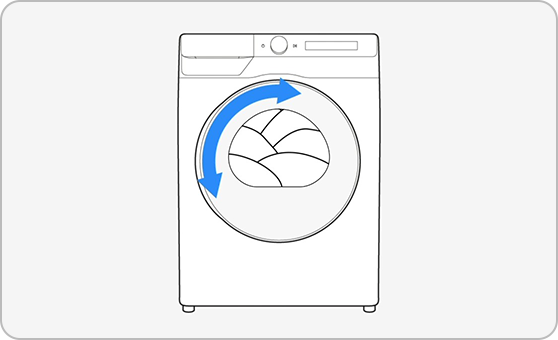
When clothes are unevenly spread, the washer detects imbalance. The machine pauses and tries to move clothes to balance the load. This process repeats several times, increasing the total wash time. Overloading the machine makes redistribution harder and extends the cycle.
Water Pressure And Filter Clogs
Low water pressure slows down the filling process. The machine waits longer to reach the correct water level. Clogged water inlet filters reduce water flow too. These issues delay the wash and add extra minutes to the cycle.
Drain Hose Obstructions
Blocked or kinked drain hoses prevent proper water drainage. The washer cannot empty water quickly and stalls the cycle. The machine extends the time to try draining again. Clearing the drain hose helps maintain normal cycle durations.
Simple Fixes To Reduce Wash Time
Simple fixes can help reduce your washing machine’s wash time. Small adjustments improve efficiency and save energy. These tips address common issues that cause longer cycles.
Try these easy steps to make your laundry faster and smoother.
Adjusting Detergent Amount
Using too much detergent creates excess suds. The machine runs extra rinse cycles to clear foam. Use the recommended detergent amount to avoid this. Less suds mean shorter wash times and cleaner clothes.
Avoiding Overloading
Overloading the washer causes longer cycles. The machine struggles to clean and balance heavy loads. Wash smaller loads for better cleaning and faster cycles. Avoid stuffing the drum beyond its capacity.
Cleaning Water Inlet Filters
Clogged water inlet filters reduce water flow. The machine takes more time to fill. Clean these filters regularly to keep water flowing smoothly. Faster filling shortens the overall wash time.
Clearing Drain Hoses
Blocked drain hoses slow down water draining. The machine waits longer to empty water before the next step. Check and clear hoses of any debris. Proper drainage helps the cycle finish quickly.
Balancing The Load Properly
An unbalanced load causes the washer to pause and redistribute clothes. This adds extra minutes to the cycle. Arrange clothes evenly around the drum. Balanced loads spin better and reduce wash time.
Optimizing Wash Cycles
Optimizing wash cycles helps prevent your washing machine from adding extra time unnecessarily. Proper cycle selection, routine maintenance, and smart use of sensor features keep your laundry efficient. These steps improve cleaning results and save time.
Choosing The Right Cycle
Select cycles based on fabric type and soil level. Heavy or very dirty loads need longer cycles. Light or delicate clothes require shorter, gentler cycles. Avoid using heavy cycles for all loads. This reduces the chance of your washer adding time.
Using the right cycle prevents overworking the machine. It also stops the sensors from extending the wash time. Follow the manufacturer’s guide for cycle options. This ensures the machine runs smoothly without delays.
Benefits Of Regular Maintenance
Regularly clean your washing machine to keep it in top shape. Remove detergent buildup and check filters often. Clean filters improve water flow and prevent slow filling. This stops your machine from adding extra wash time.
Inspect hoses and drains for blockages or damage. Clear any clogs to help water drain quickly. Well-maintained parts reduce cycle delays and keep your washer balanced. This lowers the chance of extended washing times.
Using Sensor Features Wisely
Modern washers adjust cycle time using sensors for load size and dirt level. Load the machine properly to help sensors work well. Avoid overloading or underloading the drum. Balanced loads allow sensors to estimate time correctly.
Use the recommended detergent amount to avoid excess suds. Too many suds make the washer run extra rinse cycles. This adds time to your wash unnecessarily. Sensor features work best with proper loading and detergent use.
Tips For Efficient Washing
Efficient washing saves time, water, and energy. Small habits improve your washing machine’s performance. These simple tips help your machine work smoothly and reduce extra cycle time. Follow these steps for better washing results.
Proper Loading Techniques
Do not overload the washing machine. Clothes need space to move freely. Overloading causes the machine to add extra time to balance the load. Sort clothes by weight and fabric type. Place heavy items at the bottom. Leave enough room to avoid imbalance and improve cleaning.
Monitoring Detergent Types
Use the right detergent for your washing machine. High-efficiency (HE) detergents create fewer suds. Too many suds make the machine run extra rinse cycles. Avoid using too much detergent. Follow the recommended amount on the label. Proper detergent use prevents long wash times and keeps clothes clean.
Scheduling Washes For Water Pressure
Run your washing machine during times of good water pressure. Low water pressure slows the fill cycle, adding time. Avoid peak hours when many use water at once. Early mornings or late evenings often have better pressure. This simple step helps keep your wash cycle on schedule.
Regular Machine Cleaning
Clean your washing machine monthly. Remove detergent buildup and dirt inside the drum and filters. Clogged filters reduce water flow, causing delays. Wipe the rubber door seal to stop mold and odors. A clean machine works faster and lasts longer. Regular maintenance prevents extra washing time.
Credit: www.samsung.com
Credit: www.homedepot.com
Frequently Asked Questions
Why Does My Washing Machine Take Longer Than The Time It Says?
Washing machines extend time due to sensors detecting load size, soil level, or imbalance. Overloading, excess detergent, water supply, and drainage issues also increase cycle duration. Energy-saving modes use longer cycles for efficiency.
Why Does The Time Keep Changing On My Washing Machine?
Your washing machine adds time to ensure proper cleaning. Sensors detect load size, soil level, suds, imbalance, or water issues, extending cycles accordingly.
Why Does My Lg Washing Machine Keep Increasing Time?
Your LG washing machine increases time to ensure proper cleaning. Sensors detect load size, soil level, imbalance, or excess suds, adjusting cycle length accordingly. Overloading, water supply, or drainage issues can also extend wash time. This adaptive timing improves wash quality and prevents damage.
How Do I Rebalance My Washer Drum?
Stop the washer and redistribute clothes evenly inside the drum. Remove excess items to avoid overloading. Restart the cycle to allow proper spinning and balance.
Why Does My Washing Machine Keep Adding Time?
Washing machines add time when sensors detect heavy, dirty, or unbalanced loads needing extra cleaning.
Conclusion
Washing machines add time to ensure your clothes get clean. Sensors adjust cycles for load size and dirt level. Too much detergent or overloading also causes longer wash times. Water flow or drainage problems can slow the process. Choosing energy-saving cycles usually means longer washing.
Understanding these causes helps you manage your laundry better. Keep your machine balanced and avoid excess soap. This way, your washing runs smoother and finishes on time. Simple care makes a big difference in your laundry routine.