
Are you wondering why some dishwashers require salt and whether you should be using it in yours? You’re not alone.
Many people overlook the importance of dishwasher salt, but it plays a key role in keeping your dishes spotless and your machine running smoothly—especially if your water is hard. Imagine opening your dishwasher to find cloudy glasses or stubborn spots on your plates.
That frustration can often be traced back to the absence of this simple, yet essential ingredient. You’ll discover exactly why dishwasher salt matters, how it works, and when you need to add it. By the end, you’ll know how to protect your dishwasher and enjoy cleaner, shinier dishes every time. Keep reading to unlock the secret to a sparkling kitchen!
Role Of Dishwasher Salt
Dishwasher salt plays a vital role in maintaining your dishwasher’s efficiency. It supports the internal water softening system. This salt is not for seasoning food but for preventing problems caused by hard water. Understanding its role helps you keep your dishwasher working well and your dishes spotless.
Water Softening Function
Dishwasher salt helps soften hard water inside the machine. Hard water contains minerals like calcium and magnesium. These minerals can harm the dishwasher and reduce cleaning quality. Salt regenerates the water softener unit, removing these minerals. This process protects the dishwasher and improves washing results.
Prevention Of Limescale
Limescale forms when hard water minerals build up inside the dishwasher. It can clog pipes and damage heating elements. Using dishwasher salt stops limescale from forming. This keeps your dishwasher running smoothly and extends its lifespan. It also prevents white spots on dishes and glasses.
Enhancing Cleaning Performance
Softened water allows detergent to work better. Dishwasher salt ensures water softness for effective cleaning. It helps remove grease and food residue easily. Dishes come out cleaner, shinier, and free from streaks. Salt use reduces the need for extra rinsing or re-washing.
When To Add Dishwasher Salt
Knowing when to add dishwasher salt is essential for keeping your dishwasher working well. Dishwasher salt helps soften hard water. It stops limescale from building up inside the machine. This keeps your dishes clean and shiny. Not all dishwashers need salt. It depends on the water hardness in your home. Watch for signs that show it is time to refill the salt.
Hard Water Areas
Hard water contains minerals like calcium and magnesium. These minerals cause limescale to build up. Limescale can damage your dishwasher over time. It also leaves spots and streaks on dishes. In hard water areas, add dishwasher salt regularly. It helps the water softener inside the dishwasher work well. This prevents limescale and keeps dishes spotless.
Salt Warning Indicators
Many dishwashers have a salt warning light. This light turns on when salt is low. It tells you to add more salt soon. Check your dishwasher manual to find the salt compartment. Refill the salt when the light appears. Ignoring this warning can cause poor cleaning and damage.
Signs Of Poor Cleaning
Cloudy or streaky glassware is a common sign of hard water. If dishes come out with white spots, add salt. Poor cleaning results can also mean the salt needs refilling. Without enough salt, the dishwasher cannot soften water properly. This leads to limescale build-up and less clean dishes. Add salt to fix these issues and improve washing.
Situations Without Need For Salt
Dishwasher salt plays a key role in keeping your dishes spotless in many homes. It helps soften hard water and stops limescale from building up inside the machine. Yet, there are times when salt is not needed at all. Knowing these situations can save money and effort. It also helps maintain your dishwasher’s efficiency and lifespan.
Soft Water Regions
In areas with soft water, adding salt is usually unnecessary. Soft water contains fewer minerals, so it does not cause limescale buildup. Many dishwashers in these regions do not even have a salt compartment. Using salt in soft water areas may cause an excess of salt inside the machine. This can lead to corrosion or other damage over time. Check your local water hardness to decide if salt is needed.
Use Of All-in-one Tablets
All-in-one dishwasher tablets often include water softeners. These tablets combine detergent, rinse aid, and salt agents in one. They work well in regions with mild to moderate water hardness. Tablets reduce the need to add salt separately. However, in very hard water areas, tablets may not be enough. Still, for many homes, these tablets simplify dishwasher care and reduce salt use.
Choosing The Right Salt
Choosing the right salt for your dishwasher is essential for its performance and longevity. Salt helps soften hard water and prevents limescale build-up inside the machine. Using the wrong type of salt can clog the system or reduce cleaning efficiency. Understanding the difference between dishwasher salt and other salts is key. Also, the size of salt granules affects how well it works in your dishwasher.
Dishwasher Salt Vs Table Salt
Dishwasher salt is specially made for water softening systems. It contains pure sodium chloride without additives. Table salt often has anti-caking agents and iodine, which can harm the dishwasher. Dishwasher salt dissolves slowly and helps protect your appliance. Table salt dissolves too quickly and may cause blockages. Always use dishwasher salt for the best results and to avoid damage.
Granule Size Importance
The size of salt granules impacts how well salt dissolves in the dishwasher. Dishwasher salt granules are coarse and large. This helps them dissolve slowly and evenly. Fine granules, like table salt, dissolve too fast and can clog the system. Coarse granules also prevent salt bridges, which stop salt from reaching the water softener. Choose salt with the right granule size for smooth dishwasher operation.
Proper Salt Refilling Techniques
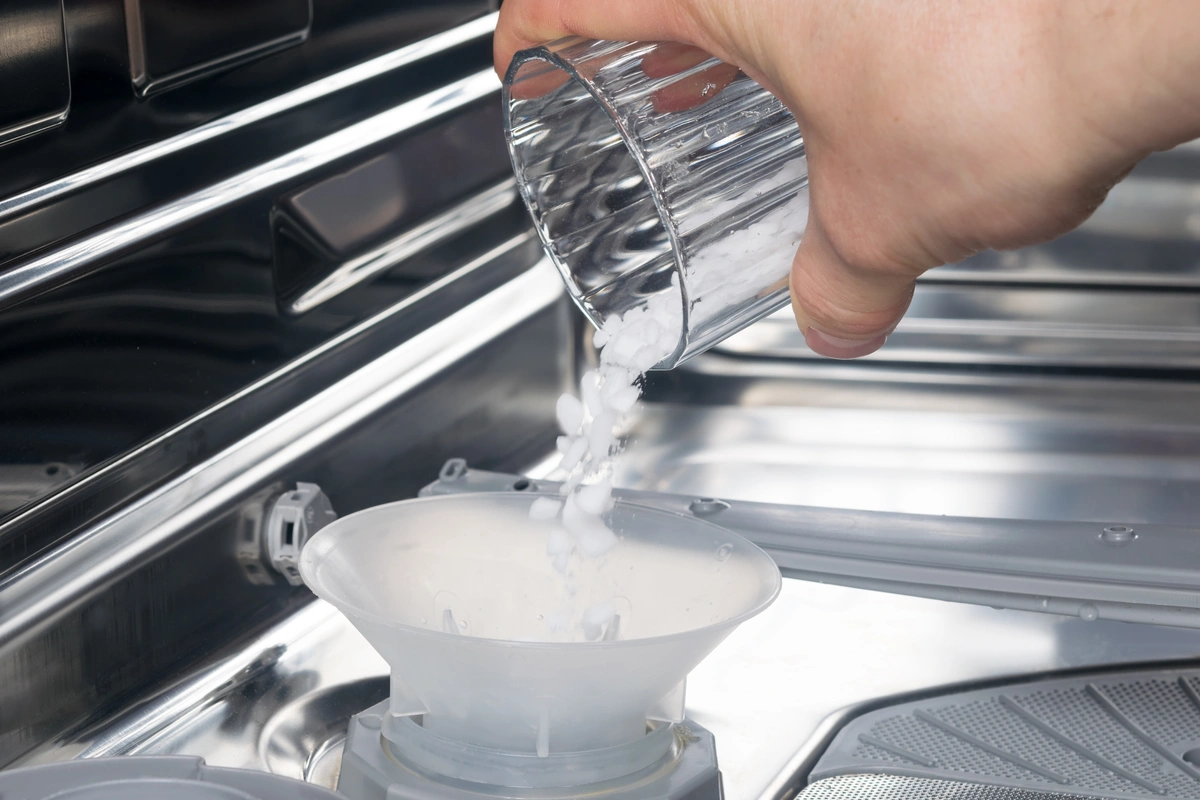
Refilling dishwasher salt correctly keeps your machine working well. Salt helps stop limescale and improves cleaning. Using proper techniques avoids damage and ensures the water softener works right. Follow these simple steps to refill your dishwasher salt safely and effectively.
Filling The Reservoir
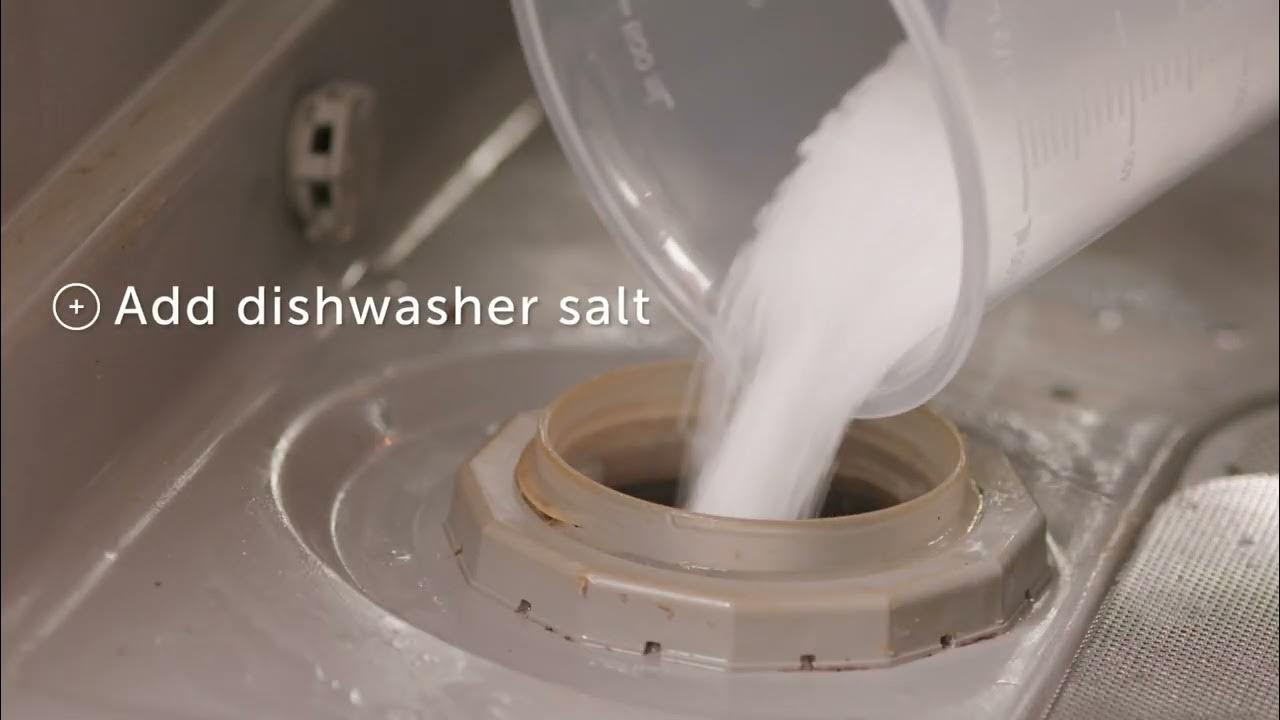
Open the dishwasher door fully before starting. Locate the salt reservoir, usually at the bottom. Remove the cap carefully to avoid spilling salt. Use a funnel to pour salt gently into the reservoir. Fill it until the salt is just below the opening. Avoid overfilling as it can cause leaks. Replace the cap tightly to keep moisture out.
Adding Water After Salt
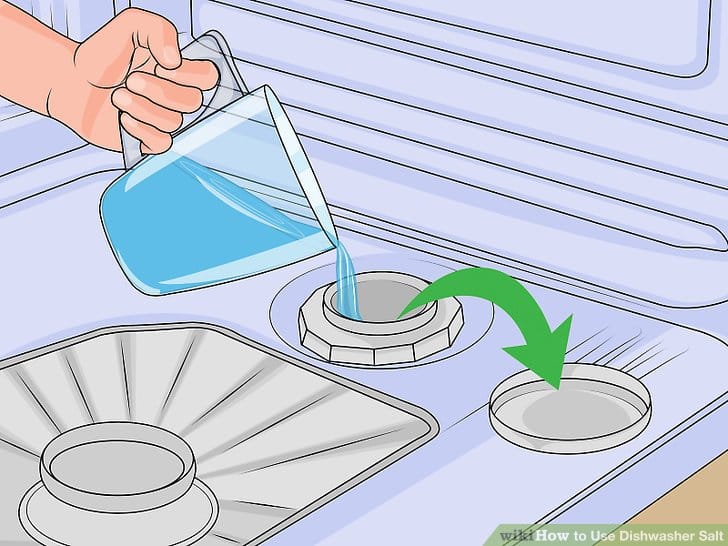
Some dishwashers need water in the salt reservoir before adding salt. Check your manual for instructions. If required, pour a small amount of water into the empty reservoir. This helps dissolve the salt properly. Add salt only after the water is inside. This step improves the softening system’s performance.
Cleaning Salt Spills
Salt spills can cause rust or damage the dishwasher. Wipe any salt outside the reservoir immediately with a damp cloth. Avoid using harsh cleaners on salt spills. Regularly check the area around the reservoir for salt build-up. Clean spills promptly to protect your dishwasher and keep it running smoothly.
Credit: hellosuper.com
Testing Water Hardness
Testing water hardness is an important step before adding salt to your dishwasher. Hard water contains minerals like calcium and magnesium. These minerals cause limescale buildup inside your dishwasher. Limescale can reduce the machine’s efficiency and leave spots on dishes. Knowing your water hardness helps you decide if dishwasher salt is necessary.
Testing is easy and can be done at home or by consulting your water supplier. Both methods give clear information about the water quality. This knowledge helps protect your dishwasher and improves cleaning results.
Home Testing Methods
Home testing kits are widely available and simple to use. They usually include test strips that change color based on water hardness. Dip a strip into tap water and compare the color to a chart. The chart shows if your water is soft, medium, or hard. These kits are affordable and give quick results. They help you decide if dishwasher salt is needed to soften water.
Consulting Water Suppliers
Your local water supplier can provide detailed water quality reports. These reports include exact hardness levels in parts per million (ppm). Contact your supplier by phone or visit their website. They often offer free or low-cost water testing services. Knowing the exact hardness level helps you adjust your dishwasher settings. It also prevents damage and improves cleaning efficiency.
Impact On Dishwasher Longevity
The use of salt in a dishwasher plays a vital role in extending the appliance’s lifespan. Salt helps manage hard water effects that can cause damage over time. Proper use of salt prevents issues that shorten dishwasher life. It supports the machine’s internal parts and keeps it working well longer.
Preventing Corrosion
Salt stops minerals from building up inside the dishwasher. Hard water contains calcium and magnesium that cause limescale. Limescale can lead to rust and corrosion of metal parts. Salt softens the water, reducing mineral deposits. This protects metal components and prevents early wear. Corrosion can cause leaks and breakage, which salt helps avoid.
Maintaining Efficiency
Soft water improves dishwasher performance. Salt keeps the water soft by regenerating the water softener system. This allows detergents to work better and rinse away food particles easily. A clean machine uses less energy and water. Salt prevents blockages in pipes and spray arms. This keeps the dishwasher running smoothly and reduces breakdowns.
Credit: fredsappliance.com
Combining Salt With Rinse Aid
Using salt in your dishwasher improves cleaning by softening hard water. Combining salt with rinse aid enhances this effect. Both work together to reduce spots and film on dishes. This duo ensures a better shine and cleaner results after every wash.
Boosting Spot-free Results
Salt softens water, stopping mineral buildup. Rinse aid helps water slide off dishes fast. Together, they prevent water spots and streaks. Salt handles hard water issues. Rinse aid ensures quick drying without marks. The result is sparkling, spotless dishes every time.
Complementary Effects
Salt regenerates the dishwasher’s water softener. This keeps water gentle on dishes. Rinse aid lowers water’s surface tension. It helps rinse water flow evenly off surfaces. Salt and rinse aid support each other’s roles. This teamwork improves cleaning and drying performance in your dishwasher.
Credit: www.youtube.com
Frequently Asked Questions
Is It Necessary To Put Salt In The Dishwasher?
Dishwasher salt prevents limescale buildup in hard water areas, ensuring cleaner dishes and protecting the machine. Soft water usually doesn’t require it. Use dishwasher salt even with all-in-one tablets if you have hard water. Always use specific dishwasher salt, not table salt, for best results.
What Happens If You Use The Dishwasher Without Salt?
Using a dishwasher without salt causes limescale buildup, reduces cleaning efficiency, and may damage the machine over time. Salt softens hard water, preventing spots and streaks on dishes.
How Often Should You Put Salt In The Dishwasher?
Add dishwasher salt whenever the salt indicator light turns on or every 1-2 months for hard water areas. Check salt levels regularly.
Why Don’t Us Dishwashers Use Salt?
US dishwashers rarely use salt because most areas have soft water. Salt prevents limescale in hard water only. Many US machines lack salt reservoirs, relying on all-in-one detergent tablets that include water softening agents. Using salt is unnecessary unless water hardness causes spotting or damage.
What Is The Purpose Of Salt In A Dishwasher?
Salt softens hard water, preventing limescale and helping dishes stay clean and shiny.
Conclusion
Using salt in your dishwasher helps protect it from hard water damage. It keeps your dishes clean and free from spots. Salt softens the water, stopping limescale buildup inside the machine. If your dishwasher has a salt light, refill the salt reservoir as needed.
Avoid using table salt; only use dishwasher salt for best results. Regular use of dishwasher salt extends your machine’s life and improves cleaning. Remember, salt is essential if you have hard water but may not be needed with soft water.
Simple care leads to better dishwashing every day.