
Is your toilet making a high-pitched whistle every time you flush? That annoying sound can be more than just a minor nuisance—it might signal a small plumbing issue that’s easy to fix but could lead to bigger problems if ignored.
You don’t have to live with that whistling noise echoing in your bathroom. You’ll discover exactly why your toilet whistles when flushed and simple steps you can take right now to stop it. Whether it’s a stuck valve, mineral buildup, or water pressure issues, we’ll guide you through quick fixes that save you time and money.
Keep reading, and you’ll have your bathroom back to peaceful silence in no time.
Common Causes
Toilet whistles when flushed can annoy anyone. The sound usually points to simple problems inside the toilet tank. Understanding common causes helps fix this noise quickly. Most issues relate to parts that wear out or need cleaning.
These problems do not need special tools or expert help. You can check and fix them yourself. Here are the most frequent reasons toilets whistle when flushed.
Faulty Fill Valve
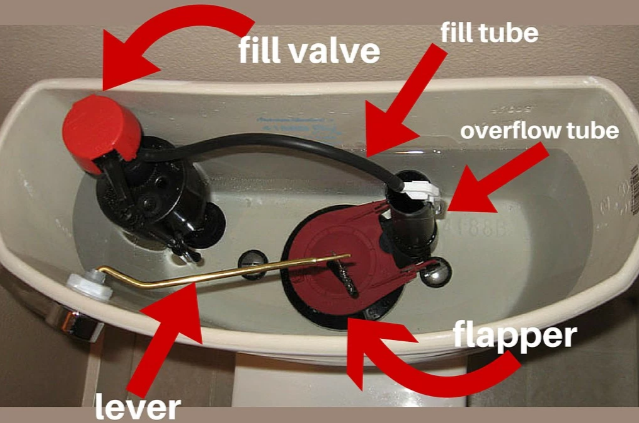
The fill valve controls water flow into the tank. A faulty valve may whistle during filling. Dirt or debris can block the valve’s parts. This blockage creates a high-pitched sound. Cleaning or replacing the fill valve stops the noise.
Partially Closed Water Supply
The water supply valve feeds water into the toilet. If it is partly closed, water rushes through a narrow gap. This causes a whistling or hissing noise. Fully opening the valve often solves the issue quickly.
Mineral Buildup
Hard water leaves minerals inside pipes and valves. These minerals block water flow and cause whistling sounds. Flushing the water supply line or cleaning parts can reduce buildup. Sometimes, parts need replacing if minerals damage them.
Worn Flapper Valve
The flapper valve seals the tank and controls flushing. A worn or damaged flapper leaks air or water. This creates noise during and after flushing. Replacing the flapper valve usually ends the whistling sound.
High Water Pressure
Excessive water pressure pushes water too fast through pipes. This fast flow causes a whistling noise in the toilet. Installing a pressure regulator can fix this problem. Lowering water pressure protects plumbing and stops the noise.
Credit: wentworthplumbing.ca
Quick Checks
Quick checks can help find the cause of a whistling toilet fast. These simple steps save time and prevent further damage. Each check targets common parts that cause noise during flushing. Follow these steps to spot issues early and keep your toilet quiet.
Locate Water Supply Valve
Find the water supply valve behind or near the toilet base. It controls water flow into the tank. Knowing its location helps to adjust or turn off water quickly. This step is crucial for further inspections or repairs.
Ensure Valve Is Fully Open
Check if the valve is fully open by turning it counterclockwise. A partially closed valve causes water pressure changes that create a whistling sound. Open the valve completely to allow smooth water flow and stop noise.
Inspect Flapper Condition
Lift the toilet tank lid and look at the rubber flapper at the bottom. A worn or damaged flapper can cause air to whistle during flushing. Replace the flapper if it looks cracked or does not seal well to fix the noise problem.
Cleaning And Maintenance
Regular cleaning and maintenance help stop your toilet from whistling. Dirt and mineral deposits build up inside the tank parts. These block water flow and cause noise. Simple steps can clean the system and keep it quiet.
Follow these clear instructions to maintain your toilet fill valve. This will reduce or remove the whistling sound during flushing.
Turn Off Water And Empty Tank
Start by turning off the water supply to the toilet. The valve is usually behind or below the toilet. Turn it clockwise until it stops. Then, flush the toilet to empty the tank. This removes most water and makes cleaning easier.
Remove And Clean Fill Valve Cap
Lift the float arm inside the tank. Hold the fill valve stem firmly. Twist the valve cap counter-clockwise to remove it. Check the cap and valve for dirt or mineral deposits. Clean them with a soft brush or cloth. Remove all debris to clear any blockages. If the parts look worn out, consider replacing them.
Flush Supply Line To Clear Deposits
Place a bucket or pail under the water supply line. Turn the valve back on briefly. Let water flow into the bucket to flush out deposits. This clears mineral buildup inside the line. Turn the valve off again after flushing. Reassemble the fill valve and test the toilet. The whistling noise should reduce or stop.
Credit: plumbers-maidstone.co.uk
When To Replace Parts
Knowing when to replace parts in your toilet helps stop annoying whistles. Some parts wear out over time, causing noise or leaks. Replacing these parts can restore quiet and efficient flushing. It keeps your toilet working well and saves water. Below are signs and steps for replacing key toilet parts.
Replacing The Fill Valve
The fill valve controls water flow into the tank. Whistling often means it is worn or clogged. Turn off the water supply and flush the toilet to empty the tank. Remove the valve cap by twisting it counter-clockwise. Clean any debris or mineral buildup inside the valve.
If cleaning does not stop the whistle, replace the fill valve. Buy a new valve from a hardware store. Follow the instructions carefully to install it. This usually involves disconnecting the old valve and securing the new one. Turn water back on and test for noise.
Changing The Flapper Valve
The flapper valve seals the tank and controls water release during flush. A worn or damaged flapper can cause whistling and leaks. Look for cracks, warping, or mineral buildup on the rubber flapper. Turn off water and flush to empty the tank before removing the old flapper.
Remove the flapper from the flush valve and install a new one. Make sure it fits snugly and seals well. Test by flushing and listening for any whistle or leak. Changing the flapper is a simple and inexpensive fix for noisy toilets.
Adjusting Water Pressure
Adjusting water pressure plays a key role in stopping a toilet whistle. Too much pressure can cause the fill valve to whistle when flushing. Low pressure might also affect the flush performance. Balancing the water pressure helps keep your toilet quiet and working well.
Check Home Water Pressure
Start by checking your home’s water pressure. Use a pressure gauge to measure the pressure near the main water supply. Ideal pressure is usually between 40 and 60 psi. Pressure higher than this can cause pipes and valves to whistle. Low pressure can lead to weak flushing. Knowing the pressure helps decide the next steps.
Use Pressure Regulator
If pressure is too high, install a pressure regulator. This device reduces water pressure to a safe level. It protects your plumbing and stops the whistling sound. Regulators are easy to install on the main water line. They require little maintenance once set up. This simple tool can solve many noise issues.
Call A Professional Plumber
Contact a plumber if pressure problems persist. A professional can diagnose complex issues with your water system. They can adjust or replace pressure regulators if needed. Plumbers also check for hidden leaks or pipe damage. Getting expert help ensures a safe fix and quiet toilet.
Preventive Tips
Preventing a toilet whistle saves time and avoids annoying sounds. Simple habits keep your toilet working smoothly and quietly. Small actions stop whistling before it starts.
Follow these tips to keep your toilet noise-free and in good shape.
Regular Cleaning Schedule
Clean your toilet tank once a month. Remove any dirt or mineral buildup inside. Use a soft brush and mild cleaner. Avoid harsh chemicals that can damage parts. This prevents debris from blocking valves and causing noise.
Use Water Softeners For Hard Water
Hard water causes mineral deposits in pipes and valves. These deposits can make your toilet whistle. Water softeners reduce minerals and protect your plumbing. Install a water softener to keep water flowing smoothly. This lowers the risk of noisy flushes and extends toilet life.
Routine Inspections
Check your toilet parts regularly for wear or damage. Inspect the fill valve, flapper, and supply line. Look for cracks, leaks, or loose fittings. Tighten or replace parts as needed. Early fixes prevent whistles and costly repairs later.
Diy Troubleshooting Videos
DIY troubleshooting videos offer simple ways to fix a whistling toilet. They show clear steps anyone can follow. Videos provide a visual guide to avoid mistakes. Watching these can save time and money.
Fixing Fill Valve Noise
Fill valve noise is a common cause of toilet whistles. Videos demonstrate how to locate the fill valve inside the tank. They show how to turn off water and remove the valve cap. Cleaning debris from the valve often stops the noise. If cleaning fails, videos guide on replacing the fill valve correctly.
Cleaning Mineral Deposits
Mineral deposits from hard water cause whistling sounds. Videos teach how to flush supply lines to clear buildup. They explain using vinegar or mild cleaners safely. This step improves water flow and reduces noise. Regular cleaning helps keep the toilet quiet.
Replacing Toilet Components
Some parts wear out and cause whistling. Videos show how to inspect the flapper and other components. They guide removing old parts and installing new ones. Clear instructions make this task easy for beginners. Replacing faulty parts stops the whistling effectively.
Credit: horow.com
Frequently Asked Questions
How To Fix A Whistling Toilet Flush?
Open the water supply valve fully. Clean or replace the fill valve if mineral buildup causes whistling. Check and replace a worn flapper. Adjust home water pressure if needed.
Why Does My Toilet Make A High Pitched Sound When I Flush?
A high-pitched toilet flush sound usually stems from a faulty fill valve, mineral buildup, or a partially open water supply valve. Check and fully open the valve, clean or replace the fill valve, and inspect the flapper valve for wear to stop the whistling noise.
How Much Does It Cost To Fix A Whistling Toilet?
Fixing a whistling toilet typically costs $50 to $150, depending on parts and labor. DIY repairs mainly require a $10-$30 fill valve replacement.
How To Get Rid Of Air In Pipes When Flushing A Toilet?
Turn off the water supply and flush the toilet to empty the tank. Open the valve fully to remove trapped air. Flush the supply line if needed. Clean or replace the fill valve and flapper to ensure proper sealing and smooth water flow.
Why Does My Toilet Whistle When Flushed?
A whistling sound usually comes from a faulty fill valve or partially closed water supply valve.
Conclusion
A whistling toilet often signals a simple fix is needed. Check the fill valve and water supply valve first. Clean or replace parts if you spot damage or buildup. Keep an eye on water pressure too, as it affects noise.
Small repairs can stop the whistling and save you money. With basic tools and steps, most issues are easy to fix. Don’t ignore the sound—address it soon for quiet, smooth flushes.