
Have you ever noticed your toilet water rising slowly, then draining at a snail’s pace? It’s frustrating and can make you worry about a bigger problem lurking beneath the surface.
You might wonder if it’s just a minor hiccup or something that needs urgent fixing. The truth is, this common issue often signals a partial clog or a problem with your toilet’s internal parts. But don’t panic—understanding why your toilet water behaves this way is the first step to fixing it quickly and avoiding costly repairs.
Keep reading to learn what causes your toilet water to rise then slowly drain, and discover simple, effective solutions you can try right now. Your bathroom peace of mind is just a few steps away!
Causes Of Rising Toilet Water
Rising toilet water that drains slowly signals a problem in the plumbing system. Understanding the causes helps fix the issue quickly. Several factors can cause water to rise before it flows down.
Some issues are simple and easy to fix, while others may need professional help. This section explores common reasons behind rising toilet water.
Partial Clogs And Blockages
Partial clogs often cause water to rise and drain slowly. Toilet paper, hair, or small objects can block the pipes. These blockages reduce water flow and cause slow draining. Sometimes, mineral deposits from hard water also create blockages inside pipes.
Low Water Level In Tank
The water level in the toilet tank affects flushing power. A low water level means less water pushes waste out. This causes the water to rise in the bowl before slowly draining. Adjusting the tank water level can improve flushing.
Mineral Buildup And Hard Water Effects
Hard water contains minerals that build up over time. These deposits narrow pipes and slow water flow. Mineral buildup can also affect the toilet’s internal parts. Cleaning or replacing parts may restore normal water flow.
Faulty Float Valve Issues
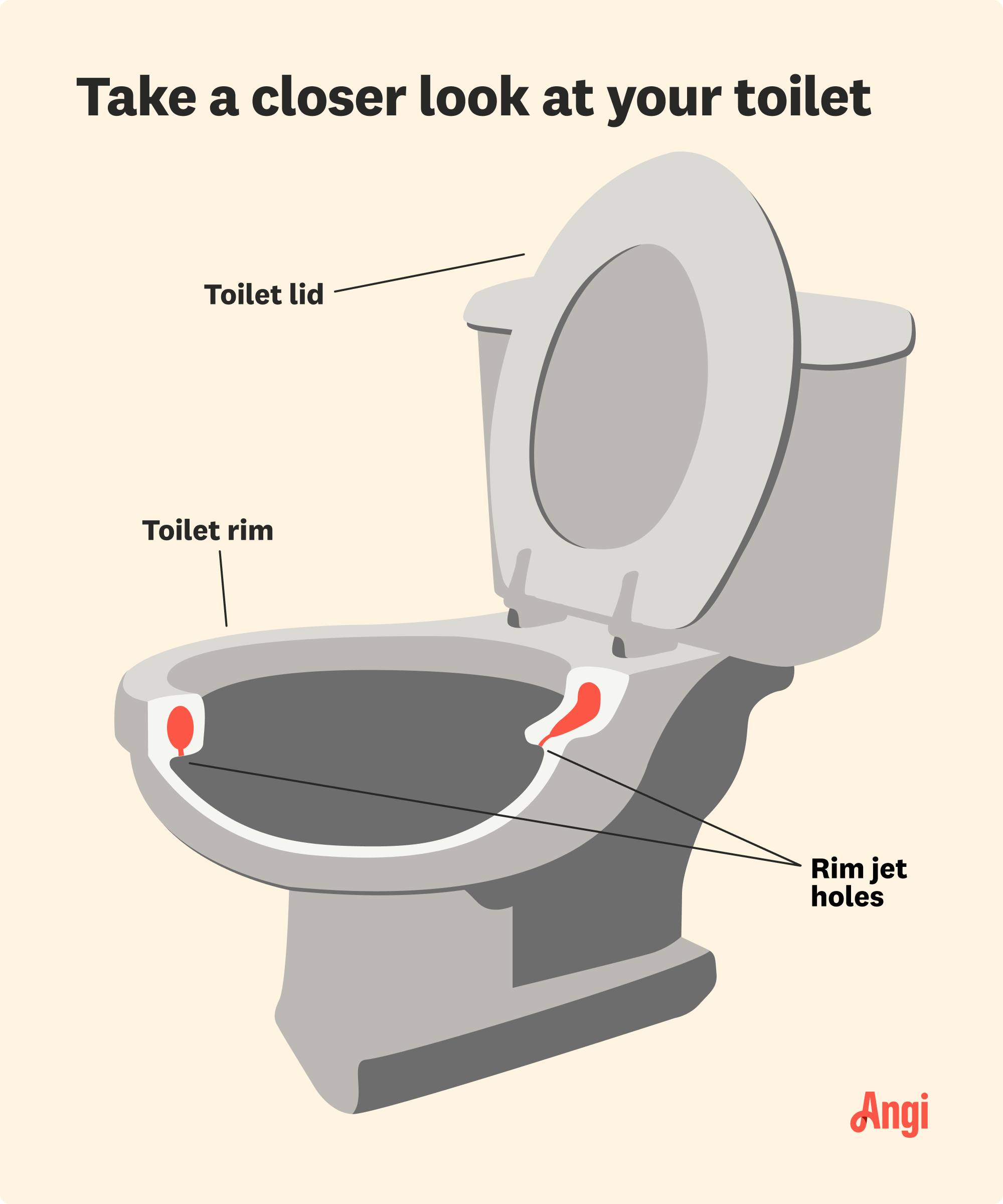
The float valve controls water filling in the tank. A faulty float valve may not stop water from rising. This causes the tank to underfill or overflow slightly. Water rising in the bowl and slow draining can result from this problem.
Credit: www.angi.com
Signs Of Toilet Problems
Noticing problems with your toilet early can save time and money. Toilets that do not work properly often show clear signs. These signs help identify issues before they get worse. Watch for changes in how your toilet flushes and fills. Understanding these signs helps you decide when to act.
Water Backing Up Then Draining Slowly
Water that rises in the bowl but drains slowly indicates a partial clog. This blockage may be caused by excess toilet paper or non-flushable items. Mineral deposits from hard water can also restrict flow. The water struggles to pass, causing it to back up first. This problem often needs attention to avoid overflow.
Constant Running Water
If your toilet keeps running even after flushing, the fill valve might be faulty. This valve controls water flow into the tank. A worn or broken valve lets water flow nonstop, wasting water and increasing bills. Constant running noise is a clear sign that the valve needs repair or replacement.
Weak Or Incomplete Flush
A weak flush can mean low water level in the tank or a clog in the trapway. When the flush lacks power, waste may not clear from the bowl. This leaves you with an incomplete flush. It can result from blockages or issues with the flushing mechanism. Fixing this improves toilet performance and cleanliness.
Slow Tank Refill
The tank should refill quickly after each flush. Slow refilling suggests problems with the fill valve or water supply. A slow refill delays your next flush and can cause frustration. This issue may require cleaning or replacing the valve. Proper refill speed ensures the toilet is ready for use.
Diy Fixes For Slow Draining Toilet
Slow draining toilets can cause inconvenience and mess. Many common blockages are minor and fixable at home. Quick DIY methods often clear the problem without calling a plumber. These simple fixes save time and money. Try these easy steps to restore normal toilet function.
Using A Plunger Effectively
Select a plunger with a flange designed for toilets. Place it over the drain hole, ensuring a tight seal. Push down gently, then pull up sharply. Repeat this motion 10-15 times. The pressure helps break up the clog. Avoid lifting the plunger too fast to keep the seal. Flush the toilet to check if water drains faster.
Dish Soap And Hot Water Method
Pour a generous amount of dish soap into the toilet bowl. Let it sit for 10-15 minutes to lubricate the clog. Heat a gallon of water until very hot but not boiling. Carefully pour the hot water into the bowl from waist height. The soap and heat help dissolve fats and debris. Wait 10 minutes, then flush to see if flow improves.
Baking Soda And Vinegar Solution
Pour one cup of baking soda into the toilet bowl. Follow with one cup of white vinegar. The mixture will fizz and bubble, breaking down buildup. Let it sit for 30 minutes to an hour. Afterward, flush the toilet to clear loosened debris. Repeat if necessary for stubborn clogs.
Using A Toilet Auger Or Snake
Insert the auger’s tip into the toilet drain carefully. Turn the handle clockwise to push the cable deeper. The auger breaks through or pulls out blockages. When resistance lessens, slowly retract the cable. Dispose of any debris caught on the auger. Flush the toilet to confirm the clog is removed.

Credit: www.fsgroup.co.uk
Preventive Measures
Preventing toilet water from rising and then slowly draining starts with simple habits and regular care. Taking these steps helps avoid clogs and keeps your toilet running smoothly. Small actions can stop big problems before they begin.
Avoiding Non-flushable Items
Flush only toilet paper and human waste. Avoid flushing wipes, cotton balls, or paper towels. These items do not break down easily. They cause blockages in pipes and drains. Dispose of these materials in the trash instead.
Keep small objects and feminine hygiene products away from the toilet. Educate everyone in the home about what can be flushed. This simple rule prevents most clogs and slow drainage issues.
Regular Maintenance Tips
Check your toilet regularly for any signs of slow draining. Use a plunger to clear minor clogs early. Clean the toilet bowl and rim to avoid buildup.
Inspect the tank parts every few months. Replace worn or broken parts quickly. Clear any mineral deposits inside the bowl or jets. This helps water flow freely and flush completely.
Water Hardness Management
Hard water leaves mineral deposits inside toilet pipes and bowls. These deposits narrow the passage for water. Use a water softener if your area has hard water. It reduces minerals that cause buildup.
Apply vinegar or a mild cleaner to dissolve mineral deposits regularly. This keeps your toilet parts free from scale. Managing water hardness prevents slow draining caused by blocked pipes.
When To Call A Professional
Knowing when to call a professional plumber can save you time and prevent bigger problems. Some toilet issues seem small at first but need expert help. Recognizing these signs helps you avoid damage and costly repairs.
Persistent Clogs
If your toilet keeps clogging despite attempts to clear it, call a plumber. Persistent clogs might mean a deeper blockage in the drain or sewer line. Professionals have tools to find and fix tough clogs fast.
Repeated Slow Draining Issues
Slow draining that happens again and again signals a serious problem. It could be a partial blockage or venting issue inside the pipes. A plumber can inspect the system and fix the root cause.
Suspected Pipe Damage
Toilet water rising slowly then draining might mean pipe damage. Cracks or breaks in the pipes cause water flow problems and leaks. Only a professional can safely assess and repair damaged plumbing.
Credit: www.youtube.com
Frequently Asked Questions
Why Does My Toilet Back Up Then Slowly Release?
Your toilet backs up then slowly releases due to a partial clog restricting water flow. Clogs often form from excess toilet paper, non-flushable items, or mineral buildup. This blockage causes water to rise before draining slowly. Clearing the clog restores normal flushing and drainage speed.
Is A Slow Flush Always A Clog?
A slow flush is not always a clog. It can also result from low tank water, mineral buildup, or a faulty fill valve.
How To Tell If A Toilet Float Valve Is Bad?
A bad toilet float valve causes constant running water, slow tank refill, weak flushes, incorrect water level, or leaks. Check for these signs.
How To Unblock A Slow Draining Toilet?
Use a plunger to loosen the clog. Add dish soap and hot water to soften buildup. Alternatively, pour baking soda and vinegar, then flush after 15 minutes. Repeat if needed.
Why Does Toilet Water Rise Then Drain Slowly?
A partial clog blocks water flow, causing water to rise before slowly draining.
Conclusion
Toilet water rising then slowly draining often signals a partial clog. Simple blockages from toilet paper or mineral buildup usually cause this. Using a plunger can often clear the clog quickly. Dish soap and warm water also help loosen stuck debris.
Regular maintenance prevents slow drains and keeps your toilet working well. Watch for signs like slow flushing or water backing up. Acting early avoids bigger plumbing problems later. Keep your bathroom running smoothly with easy, timely care.