
Is your toilet tank losing water but you can’t find a leak anywhere? This frustrating problem can quietly raise your water bill and waste gallons every day without obvious signs.
You might have looked around for drips or puddles, but the water keeps disappearing from your tank. The good news is, your toilet isn’t broken beyond repair. Often, the issue hides inside the tank itself—small parts like the flapper or fill valve could be the real culprits.
You’ll discover simple, step-by-step fixes that anyone can do to stop your toilet tank from losing water. Stick with us, and you’ll save water, money, and stress by the time you finish reading.

Credit: www.youtube.com
Common Causes Of Water Loss
Water loss in a toilet tank without an obvious leak can be puzzling. Several common issues cause this problem. Understanding these causes helps fix the tank quickly and avoid wasting water.
Each part of the toilet tank plays a role in holding and refilling water. When one part fails, water can slowly drain from the tank to the bowl. This loss may not show as an external leak but still wastes water.
Worn Flapper Issues
The flapper is a rubber seal at the bottom of the tank. It blocks water from flowing into the bowl until you flush. Over time, the flapper can wear out or crack.
A worn flapper may not seal tightly. Water then leaks slowly into the bowl, causing the tank to lose water. You can spot this by touching the flapper. If it feels sticky or cracked, replacement is needed.
Flapper Chain Problems
The flapper connects to the flush handle with a chain. If this chain is too short, the flapper stays open slightly. If too long, it can get caught under the flapper.
Either case stops the flapper from sealing properly. Adjusting the chain length so it has a little slack fixes this issue. Check that the chain moves freely without catching.
Faulty Fill Valve
The fill valve controls water refilling the tank after a flush. A broken fill valve may not shut off water flow completely. This causes water to leak into the tank continuously.
You may notice water running or leaking from the valve after flushing. Replacing the faulty fill valve stops water loss. This repair requires turning off the water supply first.
Leaky Fill Valve Seal
The fill valve has seals that keep water from leaking. Over time, these seals can wear or become damaged. A leaky seal lets water escape slowly.
This leak happens inside the tank and is not visible outside. Replacing the worn seal or the entire fill valve assembly solves this problem. Check seals during routine toilet maintenance.
High Water Level
The water level in the tank should be below the overflow tube. If it is set too high, water spills into the overflow tube constantly. This causes water loss without a visible leak.
Adjust the fill valve float to lower the water level. This stops water from overflowing and saves water. A proper water level also helps the toilet flush efficiently.
Identifying The Problem
Understanding why your toilet tank loses water but shows no visible leak starts with identifying the internal problem. Most causes hide inside the tank, often related to small parts that wear out or get misaligned. Careful inspection of these components helps find the exact issue.
Follow these simple steps to check the common problem areas and restore your toilet’s proper function.
Checking The Flapper Condition
The flapper is a rubber seal at the tank’s bottom. It blocks water from flowing into the bowl when the tank fills. Over time, it can wear out, crack, or become warped. This causes water to leak slowly into the bowl without a visible leak outside.
Lift the flapper and check for cracks or stiffness. Run your finger along its edge; if it feels rough or sticky, it needs replacement. Black residue on the flapper or your fingers also signals wear.
Inspecting The Chain Length
The flapper connects to the flush handle with a small chain. If the chain is too short, the flapper may not close fully. If too long, it can get caught under the flapper, stopping a tight seal.
Check the chain length by pressing the flush handle. Adjust the chain so it has slight slack, allowing the flapper to open and close freely without obstruction.
Examining The Fill Valve
The fill valve refills the tank after flushing. A faulty fill valve may cause water to trickle into the overflow tube. This happens if the valve does not shut off properly.
Look for water running down the overflow tube or leaking around the valve base. Listen for constant running water sounds. Replace the fill valve if it fails to stop water flow after the tank fills.
Measuring Water Level
Water level inside the tank should be just below the overflow tube’s top. If the water is too high, it spills into the tube causing constant water loss. Too low, and the toilet may not flush well.
Adjust the float or fill valve to set the water level. Use a ruler to measure from the tank bottom to the water surface. Aim for about one inch below the overflow tube.
Simple Fixes To Save Water
Saving water in your toilet tank is easy with some simple fixes. These quick repairs stop water loss without leaks. They also help lower your water bill and protect the environment. Most problems come from worn parts or wrong adjustments. You can fix many issues yourself with little time and tools.
Try these simple steps to keep your toilet tank water where it belongs.
Replacing The Flapper
The flapper is a rubber seal at the tank’s bottom. It controls water flow into the bowl. A worn or cracked flapper lets water leak slowly. To fix this, turn off the water and flush the toilet. Remove the old flapper and replace it with a new one. Make sure it fits well for a tight seal.
Adjusting The Chain
The chain connects the flush handle to the flapper. If it is too long, it may get stuck under the flapper. If too short, the flapper won’t open fully. Adjust the chain to have a small slack. This helps the flapper seal properly and stops water loss.
Replacing The Fill Valve
The fill valve refills the tank after flushing. A broken fill valve can cause constant water running. Turn off the water supply first. Remove the old valve and install a new one. This fixes leaks and keeps the water level correct.
Changing The Fill Valve Seal
The fill valve seal stops water from escaping. Over time, it can wear out and cause leaks. Replace the seal by turning off the water supply. Remove the old seal and fit a new one carefully. This simple step saves water and prevents leaks.
Lowering The Water Level
The water level in the tank should be below the overflow tube. Too high water level causes constant draining. Adjust the float or fill valve to lower the water level. This stops water from spilling over and saves water effectively.
Credit: www.cityofcorinth.com
Tools And Materials Needed
Having the right tools and materials is key to fixing a toilet tank that loses water without any visible leak. These items help you check parts closely and replace damaged components easily. Preparing everything before starting saves time and frustration. Below are the essential tools and materials you will need for this task.
Basic Tools
- Adjustable wrench – for loosening and tightening nuts
- Screwdriver – both flathead and Phillips for various screws
- Pliers – to grip and pull small parts
- Bucket – to catch water during repairs
- Towel or rag – to clean spills and dry surfaces
Replacement Parts
- New flapper – a common cause of water loss in tanks
- Fill valve – if the current one is faulty or worn out
- Flush valve seal – to ensure a proper water-tight seal
- Chain for flapper – adjustable to correct length
Additional Supplies
- Plumber’s grease – to lubricate moving parts and seals
- Cleaning brush – to remove buildup inside the tank
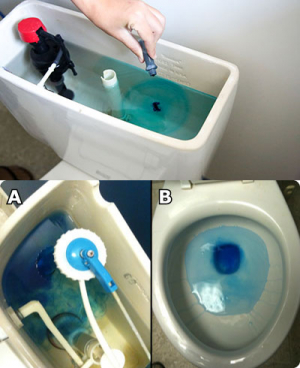
- Water testing dye tablets – to detect hidden leaks
Preventive Tips
Preventing a toilet tank from losing water without a visible leak saves water and avoids frequent repairs. Simple habits and checks keep your toilet working well. Follow these tips to maintain your toilet tank’s health and stop water loss early.
Regular Tank Inspections
Check inside the tank every few weeks. Look for worn-out parts like the flapper or fill valve. Notice any unusual sounds or water movement. Early detection stops small issues from growing. Keep the tank clean to spot problems faster. A quick look saves water and money.
Routine Component Replacements
Replace parts like flappers and fill valves before they fail. These parts wear out over time and cause water loss. Changing them every few years keeps the tank sealed tightly. Use parts that fit your toilet model for best results. Regular updates prevent leaks and save water.
Proper Water Level Settings
Set the water level to the right height. Too high water causes overflow into the overflow tube. Too low water makes weak flushes. Adjust the float or fill valve to keep water at the manufacturer’s recommended level. Correct water level stops constant refilling and saves water.

Credit: reynoldsplumbingrichmond.com
Frequently Asked Questions
Why Does The Water In My Toilet Tank Keep Draining?
Water keeps draining due to a worn flapper, faulty fill valve, incorrect chain length, or high water level. Replace or adjust parts to fix.
Why Does The Water In My Toilet Keep Disappearing?
Water disappears from your toilet due to a worn flapper, faulty fill valve, or incorrect water level causing constant leaks. Adjust or replace parts to fix it.
How To Tell If A Toilet Float Valve Is Bad?
A bad toilet float valve causes constant water running or leaking from the valve. Check for water overflowing or no shutoff after flushing. Adjust the float; if water keeps flowing, replace the valve.
What Does It Mean When The Water Doesn’t Stay In The Toilet Bowl?
Water not staying in the toilet bowl usually means a leaking flapper or a cracked trap seal. This causes water to drain continuously.
Why Is My Toilet Tank Losing Water With No Visible Leak?
A worn flapper or faulty fill valve often causes water loss without visible leaks.
Conclusion
A toilet tank losing water without a visible leak often points to internal parts. Common causes include a worn flapper, wrong chain length, or a faulty fill valve. Simple fixes like adjusting the chain or replacing the flapper solve many problems.
Checking and setting the correct water level also helps stop constant running. Regular maintenance keeps your toilet working well and saves water. Small repairs prevent bigger issues and reduce water bills. Stay attentive to these signs to keep your toilet tank efficient.