
Is your toilet making a constant hissing sound? That annoying noise can disrupt the calm of your home and even signal a hidden problem that wastes water—and money.
You might wonder what’s causing it and whether you can fix it yourself. The good news is, you don’t have to be a plumbing expert to solve this common issue. You’ll discover the simple reasons behind that hissing noise, how to identify the exact cause, and easy steps you can take right now to stop it.
Keep reading—your peace and your wallet will thank you.

Credit: diy.stackexchange.com
Common Causes Of Toilet Hissing
Toilets that make a hissing sound often have simple issues causing the noise. Understanding these common causes helps you fix the problem quickly. The hissing usually comes from parts inside the toilet tank. Identifying the exact cause saves water and prevents damage.
Faulty Fill Valve
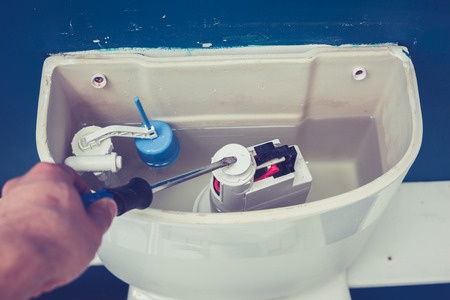
The fill valve controls water flow into the tank. A faulty fill valve can cause a constant hissing noise. Dirt or mineral buildup may stop the valve from closing fully. This lets water leak, creating the hissing sound. Sometimes, the valve needs cleaning or replacement.
Worn-out Flapper
The flapper seals the tank and stops water from flowing into the bowl. A worn-out or damaged flapper causes water to leak slowly. This leak causes a hissing or dripping sound. Replacing the flapper often solves this problem and stops the noise.
Water Flow Into Overflow Tube
If water constantly flows into the overflow tube, it causes a hissing noise. This happens when the water level is too high. The float may be set incorrectly or the fill valve may be faulty. Adjusting the float or fixing the valve stops the water from overflowing.
Credit: www.geiler.com
Diagnosing The Hissing Sound
Hissing sounds from a toilet can disrupt your home’s peace. These noises usually signal a problem inside the tank. Diagnosing the hissing sound quickly helps prevent water waste and bigger repairs. Simple checks can reveal the cause and guide the fix.
Checking Water Level In Tank
Start by lifting the tank lid and looking inside. The water level should be about one inch below the overflow tube’s top. Too high water means it spills into the overflow tube, causing the hissing sound. Adjust the float to lower the water level. For a ball float, gently bend the float arm downward. For a float cup, move the clip to set the correct level. After adjustment, flush the toilet and watch the fill process. The hissing should stop if the water level is correct.
Detecting Flapper Leaks With Food Coloring
Add a few drops of food coloring to the tank water. Wait 15 to 20 minutes without flushing. If colored water seeps into the bowl, the flapper is leaking. A leaking flapper lets water escape slowly, causing the hissing sound. Replace the flapper to fix the leak. This test is easy and saves water by spotting hidden leaks fast.
Fixing The Fill Valve Issues
Fixing a hissing toilet often means dealing with fill valve issues. The fill valve controls water flow into the tank. When it malfunctions, you hear a constant hissing sound. This section explains simple steps to fix common fill valve problems.
Start with easy adjustments, then try cleaning. If these don’t stop the noise, replacement might be necessary. Each step helps restore quiet and proper toilet function.
Adjusting The Float
The float controls the water level inside the tank. If set too high, water flows into the overflow tube, causing hissing. For a ball float, gently bend the float arm down. This lowers the water level.
If your toilet has a float cup, move the clip to set the water about one inch below the overflow tube top. Small changes can stop water from running continuously and eliminate the noise.
Cleaning The Fill Valve
Mineral deposits and debris can clog the fill valve, causing a hissing sound. Start by turning off the water supply. Flush the toilet to empty the tank.
Remove the fill valve cap carefully. Rinse the valve parts and seals with clean water. This removes buildup and helps the valve close properly. Reassemble and turn the water back on. Check if the noise stops.
Replacing The Fill Valve
Cleaning and adjusting may not fix the problem if the valve is damaged. A worn fill valve lets water leak continuously, causing hissing. Replace it with a new one to stop the noise.
Buy a fill valve that fits your toilet model. Turn off the water supply and drain the tank. Remove the old valve and install the new one following instructions. This often solves hissing issues for good.

Credit: www.reddit.com
Repairing Or Replacing The Flapper
The flapper plays a key role in stopping water flow from the tank to the bowl. A damaged or worn flapper often causes the toilet to make a hissing sound. Repairing or replacing the flapper can fix this issue and stop water waste. The process is simple and requires only a few tools. Below are the steps to handle the flapper properly.
Removing The Old Flapper
Turn off the water supply to the toilet. Flush to empty the tank. Locate the flapper at the bottom of the tank. Unhook the flapper chain from the flush lever. Gently lift the flapper off the pegs or ring it sits on. Remove it carefully to avoid damaging other parts.
Cleaning The Seal Area
Use a clean cloth or sponge to wipe the seal area. Remove any dirt, mineral buildup, or residue. This step is important to ensure a good seal for the new flapper. Avoid using harsh chemicals that could damage the tank surface. A clean seal helps prevent leaks and stops the hissing sound.
Installing A New Flapper
Choose a flapper that fits your toilet model. Place the new flapper on the pegs or ring in the tank. Attach the flapper chain to the flush lever. Ensure there is a little slack in the chain, so the flapper closes fully. Make sure it fits snugly and moves freely.
Testing Flapper Function
Turn the water supply back on slowly. Allow the tank to fill completely. Flush the toilet to watch the flapper in action. Check that it seals tightly and stops water flow. Listen for any hissing sounds. Adjust the chain length or flapper position if needed to stop leaks.
Preventing Future Hissing Noises
Preventing future hissing noises in your toilet helps avoid annoying sounds and water waste. Simple actions can keep your toilet quiet and efficient for years. Focus on regular care and using the right parts for the best results.
Regular Maintenance Tips
Check the toilet tank every few months for leaks or wear. Clean the fill valve and flapper to remove dirt and mineral buildup. Adjust the float to keep the water level correct. Flush the toilet to see if water runs continuously. Tighten any loose parts to stop vibrations that cause hissing. Routine checks prevent small problems from growing into loud noises.
Using Quality Replacement Parts
Choose parts designed for your toilet model. High-quality fill valves and flappers last longer and seal better. Avoid cheap parts that wear out quickly and cause leaks. Replace worn parts immediately to stop hissing sounds. Proper parts improve toilet function and save water. Investing in good components reduces repairs and noise in the future.
Frequently Asked Questions
How Do I Fix The Hissing Sound In My Toilet?
Fix a hissing toilet by adjusting or replacing the fill valve and float if water flows into the overflow tube. Clean or replace the flapper if the water level is correct but hissing persists. Turn off the water supply before repairs.
Is A Hissing Toilet Wasting Water?
A hissing toilet usually wastes water due to a faulty fill valve or leaking flapper. Fixing or replacing these parts stops water loss.
Can A Hissing Toilet Cause Damage?
A hissing toilet can waste water and increase bills but rarely causes structural damage. Fixing the valve or flapper stops the noise.
How Much To Fix A Hissing Toilet?
Fixing a hissing toilet typically costs $50 to $150. DIY cleaning or adjusting the fill valve or flapper saves money. Professional repairs may cost more depending on parts and labor.
Why Does My Toilet Make A Hissing Sound?
A hissing sound usually means water is leaking or the fill valve is faulty.
Conclusion
A hissing toilet sound often signals a simple fix is needed. Check the fill valve and float first. Adjust or clean these parts to stop the noise. If the water level is fine, inspect the flapper for leaks. Replace the flapper if it is worn or damaged.
Small maintenance steps can save water and avoid bigger problems. Act quickly to keep your toilet quiet and efficient. A quiet toilet means less stress and fewer repairs later.