
Is your toilet float sticking and causing your toilet to run endlessly or fill unevenly? This small but crucial part controls the water level in your toilet tank, and when it gets stuck, it can lead to annoying noises, wasted water, and higher bills.
You might think it’s a complicated plumbing problem, but fixing a sticking toilet float is often easier than you expect. In this guide, you’ll discover simple steps to identify why your toilet float is sticking, how to troubleshoot it effectively, and the quick fixes that can save you from calling a plumber.
Keep reading, and you’ll have your toilet running smoothly again in no time!
Causes Of Float Sticking
The toilet float controls water flow in the tank. If the float sticks, the toilet may run nonstop or not fill properly. Understanding the causes of float sticking helps prevent plumbing issues. Common reasons include buildup, damaged parts, and wrong adjustments. Each affects the float’s movement and the toilet’s function.
Mineral Buildup And Debris
Hard water leaves mineral deposits on the float and valve parts. These deposits cause the float to stick or move unevenly. Dirt and debris can also block the float’s path. Cleaning the tank and float regularly removes buildup. This keeps the float moving smoothly and stops sticking.
Worn Or Damaged Parts
Old or broken parts cause the float to jam. Rubber seals may crack or wear out over time. The float arm can bend or break, limiting motion. Replacing worn parts restores proper float function. Regular checks help spot damage early before bigger problems occur.
Improper Float Adjustment
A float set too high or too low can stick against the tank wall. Incorrect float height causes constant running or poor filling. Adjusting the float to the right level stops it from sticking. Proper adjustment ensures the toilet fills correctly every time.
Tools And Materials Needed
Fixing a toilet float that sticks requires some basic tools and materials. Having the right items on hand makes the job quicker and easier. This section lists everything needed to address the issue effectively. Gather these supplies before starting the repair to avoid delays.
Basic Cleaning Supplies
- Rubber gloves to protect your hands from germs.
- A sponge or soft cloth for wiping parts clean.
- White vinegar or a mild bathroom cleaner to remove mineral buildup.
- A small brush or old toothbrush for scrubbing hard-to-reach areas.
- A bucket to catch any dripping water while working.
Replacement Parts
- New float ball or float cup, depending on your toilet model.
- Fill valve assembly if the float mechanism is damaged beyond cleaning.
- Flush valve flapper if worn or causing sticking issues.
- Adjustable chain or new lift wire for proper float movement.
Adjustment Tools
- A pair of pliers to bend or adjust metal arms.
- A screwdriver set for loosening or tightening screws.
- Wrench or adjustable spanner for removing nuts securing the fill valve.
- Flashlight to see inside the tank clearly.
Turning Off The Water Supply
Turning off the water supply is the first step in fixing a sticking toilet float. It stops water flow and prevents overflow while you work. This simple action makes repairs safer and easier.
Most toilets have a shut-off valve near the base. This valve controls water entering the toilet tank. Turning it off stops water from refilling the tank.
Locate The Shut-off Valve
Look behind the toilet near the floor. Find a small valve connected to a pipe. This is the shut-off valve for the water supply.
Turn The Valve Clockwise
Use your hand to turn the valve handle clockwise. Turn it until it stops. This shuts off the water supply to the toilet.
Check If The Water Is Off
Flush the toilet once. The tank should not refill with water. If water still flows, the valve may not be fully closed.
Prepare For Float Adjustment
With the water off, lift the toilet tank lid carefully. Set it aside safely. Now you can access the float and other parts without water flow.

Credit: www.youtube.com
Cleaning The Float And Valve
Cleaning the float and valve is key to fixing a sticking toilet float. Dirt, minerals, and debris often cause the float to stick. Regular cleaning keeps the toilet working smoothly. It also helps prevent constant running or water waste. Follow these steps to clean each part properly and keep your toilet float moving freely.
Removing Mineral Deposits
Mineral deposits build up on the float and valve over time. These deposits block movement and cause sticking. Use white vinegar to dissolve minerals. Soak a cloth in vinegar and wrap it around the float and valve. Let it sit for 30 minutes. Then scrub gently with a soft brush to remove deposits. Rinse with clean water afterward.
Clearing Debris From Float Arm
The float arm can catch dirt and small debris. This debris stops the float from moving up and down smoothly. Turn off the water supply before cleaning. Wipe the float arm with a damp cloth. Use a small brush to clear away stubborn debris. Check the arm’s movement by lifting it gently. It should move without resistance.
Cleaning The Fill Valve
The fill valve controls water flow into the tank. Dirt inside the valve can cause it to stick or fail. Turn off the water and flush the toilet to empty the tank. Remove the fill valve cap carefully. Check for debris or buildup inside. Clean with a soft brush and rinse with water. Replace the cap and turn the water back on. Test the valve for smooth operation.
Adjusting The Float Position
Adjusting the float position is key to fixing a sticking toilet float. The float controls the water level inside the tank. When it sticks or is out of position, the toilet may keep running or not fill properly. Small tweaks to the float can improve its movement and restore normal function.
Raising Or Lowering The Float
Change the float height to control the water level. Lower the float to reduce water in the tank. Raise the float to increase the water level. Use the adjustment screw or bend the float arm gently. This helps prevent the float from sticking to the tank walls.
Correcting Chain Length
Check the chain between the float and the flush lever. Too tight a chain can pull the float down or cause it to stick. Too loose a chain may not lift the flapper properly. Adjust the chain length so it has slight slack. This allows smooth float movement and proper flushing.
Adding Weight To The Float
Add a small weight to the float if it floats too high. This can help it drop faster after flushing. Use a fishing weight or a metal clip attached carefully. Adding weight balances the float and stops it from sticking in the raised position.
Credit: boboates.com
Replacing Faulty Components
Replacing faulty components in a toilet is often the best way to fix a float that sticks. Over time, parts wear out or get clogged with minerals. This causes the float to stop moving freely. Fixing or swapping these parts restores proper function. It also helps avoid constant running or water waste.
Knowing which component to replace is important. Some parts are easier to change than others. Careful checks can show which parts need attention. Below are key steps to follow when replacing faulty toilet parts.
When To Replace The Fill Valve
The fill valve controls water flow into the tank. If the float sticks often, the valve may be worn out. Signs include constant running or no water refill. Mineral buildup can make the valve sticky. Replacement is needed if cleaning does not help. New valves are affordable and easy to install.
Installing A New Float
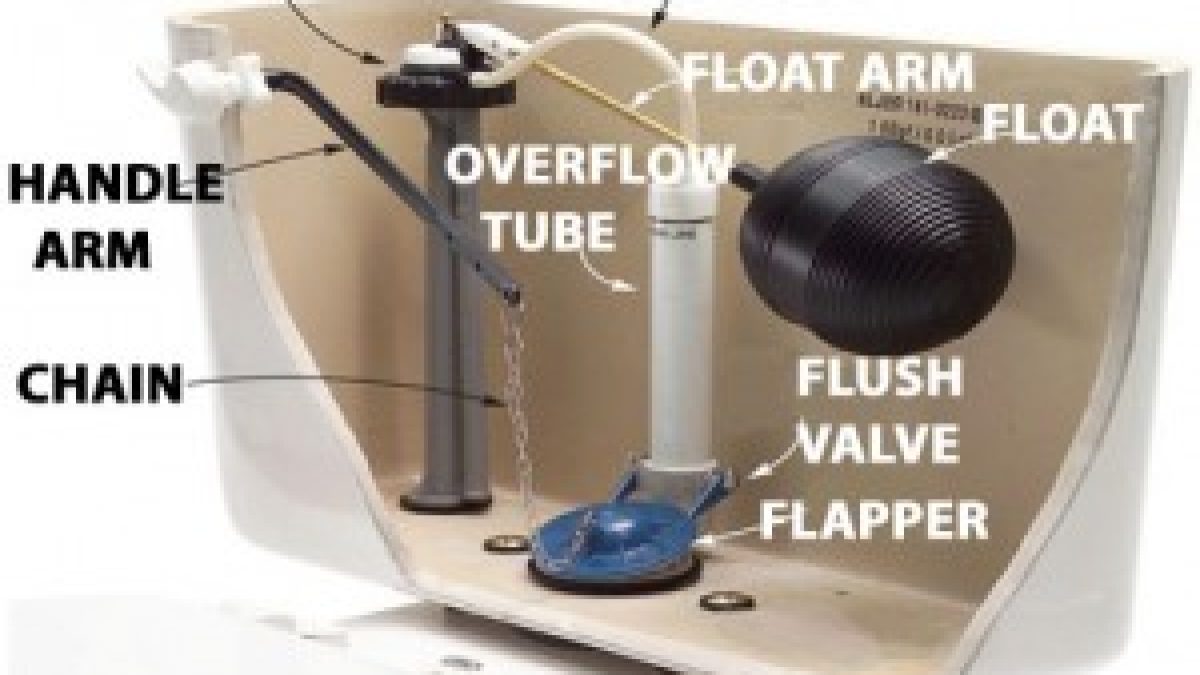
The float rises and falls with water level. It triggers the fill valve to stop water flow. A damaged or heavy float can stick. This causes the toilet to run endlessly. To install a new float, turn off water supply first. Remove the old float and attach the new one. Make sure it moves smoothly without obstruction.
Checking The Flapper Seal
The flapper seal sits at the tank bottom. It controls water release during a flush. If the flapper is warped or cracked, water leaks into the bowl. This can cause the float to behave oddly. Inspect the seal for damage or buildup. Replace it if the seal does not close tightly. A good seal prevents leaks and float issues.
Testing The Repair
After fixing a sticking toilet float, testing the repair is essential. This step ensures the toilet works smoothly without any issues. Careful checks help confirm the float moves freely and fills the tank properly. Follow these simple steps to test your repair effectively.
Flushing And Monitoring
Start by flushing the toilet once. Watch the float as the tank empties and refills. The float should drop smoothly and rise with the water level. Listen for any unusual sounds like constant running or hissing. These noises may indicate the float still sticks or the valve leaks.
Next, observe the refill process for a few minutes. Check if the water stops at the right level. If the water keeps running, the float might not be closing the valve fully. Repeat flushing several times to see if the problem is consistent or occasional.
Fine-tuning Adjustments
If the float does not move smoothly, make small adjustments. Slightly bend the float arm to prevent it from catching. Adjust the float height by sliding it up or down on the rod. This controls when the water stops filling the tank.
Test again after each adjustment. Ensure the float rises and falls without sticking. The water level should stop just below the overflow tube. This prevents water waste and keeps your toilet working efficiently.

Credit: www.reddit.com
Preventing Future Float Issues
Preventing future toilet float issues helps keep your toilet working well. A stuck float causes water to run continuously. This wastes water and may increase your bill. Simple habits stop float problems from happening again. Regular care and attention keep the float moving freely.
Regular Cleaning Tips
Clean the toilet tank at least once a month. Use a soft brush to remove dirt and grime. Avoid harsh chemicals that may damage parts. Vinegar helps remove mineral buildup gently. Wipe the float and surrounding parts carefully. This stops buildup that causes the float to stick.
Using Water Softeners
Hard water causes minerals to build inside the tank. These minerals can make the float stick. Installing a water softener reduces minerals in the water. Soft water protects your toilet parts from damage. It also helps prevent clogs and stains in the tank. This small change saves time and money on repairs.
Routine Toilet Maintenance
Check your toilet parts every few months. Look for signs of wear or damage on the float. Test the float to see if it moves smoothly. Tighten or replace parts if needed. Fixing small problems early prevents bigger issues later. Routine maintenance keeps your toilet running quietly and efficiently.
Frequently Asked Questions
How To Fix Sticking Float?
Turn off water supply and flush to empty the tank. Clean the float and arm with vinegar or mild cleaner. Remove debris or mineral buildup. Adjust float height to ensure smooth movement. Replace the fill valve if sticking persists.
Why Is My Flush Valve Sticking?
A flush valve sticks due to mineral buildup or worn flapper seals. Clean deposits and adjust the chain to restore smooth movement.
Why Does My Fluidmaster Float Not Drop?
Your Fluidmaster float may not drop due to mineral buildup or debris causing it to stick. Clean the float arm and fill valve. If it persists, replacing the fill valve usually solves the problem.
How To Unstick A Toilet Valve?
Turn off the water supply. Clean the float, valve, and arm with vinegar or mild cleaner. Remove debris and adjust the float position. Test by flushing and readjust if needed. Replace parts if sticking persists.
What Causes A Toilet Float To Stick Frequently?
Mineral buildup or rust on the float arm usually causes it to stick.
Conclusion
A sticking toilet float can cause constant running or no refill. Cleaning mineral buildup often solves the problem quickly. Check the float’s movement and adjust if needed. Sometimes, replacing old parts is the best choice. Regular maintenance helps prevent future issues.
A smooth-moving float keeps your toilet working well. Simple fixes save water and reduce your bills. Stay attentive to small signs before bigger problems start. Keep your bathroom efficient with easy float care.