
Is your toilet bowl slowly losing water and leaving you puzzled? You’re not alone, and this common issue can be more than just a minor annoyance.
When water in your toilet bowl gradually drops, it can signal leaks, clogs, or problems with your toilet’s internal parts. Ignoring it might lead to bigger repairs and higher water bills. But don’t worry—understanding why this happens and how to fix it can save you time and money.
Keep reading to discover simple, effective solutions that you can try yourself before calling a plumber. Your toilet will thank you!
Causes Of Slow Water Loss
Slow water loss in a toilet bowl can cause frequent refilling and higher water bills. Understanding the causes helps to fix the problem quickly. Several common issues inside the toilet tank lead to water leaking slowly from the bowl. Identifying these causes ensures proper repair and prevents wasted water.
Leaking Flapper Valve
The flapper valve controls water flow from the tank to the bowl. A worn or damaged flapper causes water to leak continuously. This slow leak lowers the water level in the bowl. Dirt or mineral deposits can prevent the flapper from sealing tightly. Replacing or cleaning the flapper usually solves this issue.
Cracked Overflow Tube
The overflow tube directs excess water into the bowl to prevent tank overflow. A crack in this tube can cause water to leak slowly. This leak reduces the bowl’s water level over time. Inspecting the tube for cracks and replacing it if damaged stops the slow water loss.
Faulty Fill Valve
The fill valve controls water entering the tank after a flush. A faulty valve may not shut off properly, causing water to leak into the bowl. This constant flow lowers the water level slowly. Adjusting or replacing the fill valve restores correct water levels.
Mineral Buildup
Hard water causes mineral buildup inside the toilet parts. These deposits can block the flush valve or fill valve. Blockages prevent the toilet from filling correctly or sealing tightly. Cleaning mineral deposits with vinegar or a descaling agent helps maintain proper water levels.
Signs Of A Leak
Leaks in the toilet bowl often cause water levels to drop slowly. These leaks waste water and raise your bills. Catching signs of a leak early can save money and prevent bigger problems. Watch for subtle hints that your toilet is not holding water properly.
Constant Running Water
Listen for water running even when the toilet is not used. This sound means water flows nonstop from the tank into the bowl. The flapper may not seal correctly, causing water to leak. Constant running water wastes gallons each day.
Low Water Level In Bowl
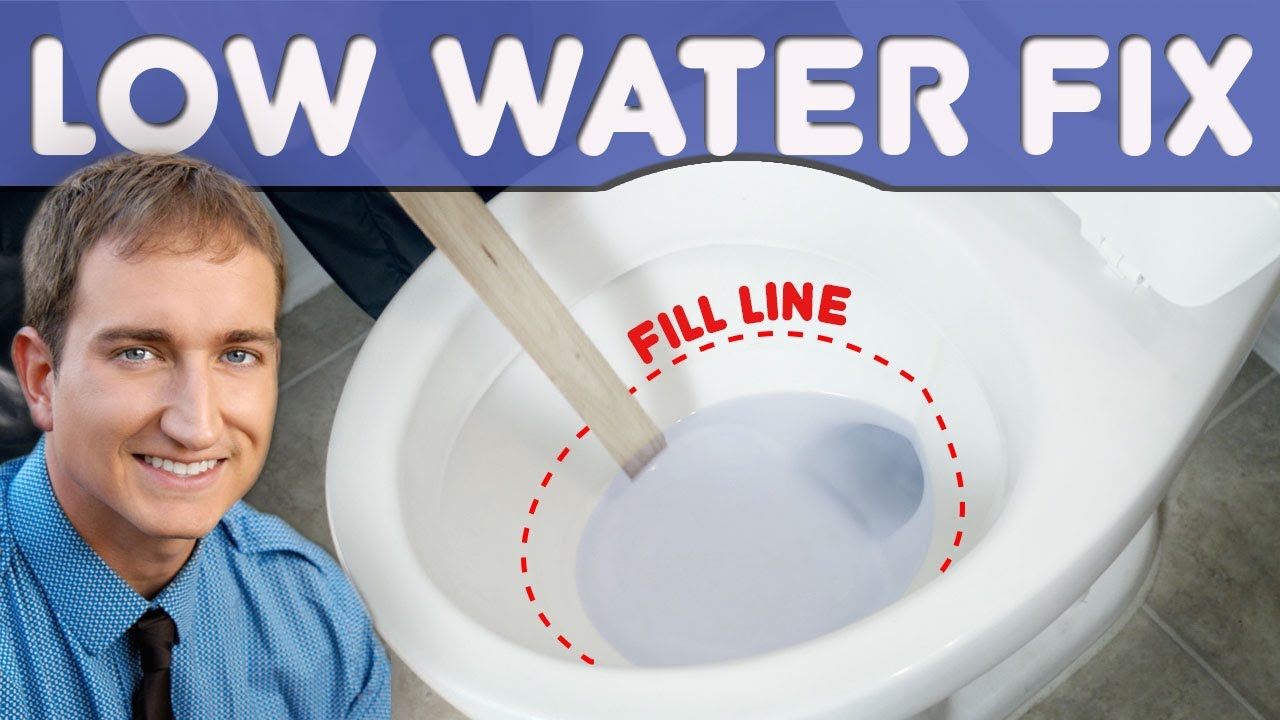
Check the water level inside the toilet bowl. A lower than usual level shows water is leaking out. The bowl should have enough water to cover the trap and block sewer gases. Low water levels can cause bad odors and poor flushing.
Unusual Sounds
Notice any strange sounds near the toilet. Hissing or dripping noises suggest small leaks. These sounds often come from the flapper or fill valve area. Unusual sounds warn of slow water loss even if no water is visible.
Quick Diy Fixes
Toilet bowls slowly losing water is a common issue. Many causes exist, but some fixes are simple. You can handle these repairs yourself with basic tools. Quick DIY fixes save time and money. These simple steps often restore toilet function fast.
Adjusting The Flapper
The flapper controls water flow from the tank to the bowl. Sometimes, it does not seal properly. Check if the flapper is worn or misaligned. Lift the tank lid and observe the flapper after flushing. If it stays open too long or closes too soon, adjust the chain length. Shorten or lengthen the chain to ensure the flapper seats tightly. This prevents water from leaking slowly into the bowl.
Replacing The Flapper
Old flappers become stiff or cracked over time. A bad flapper causes constant water loss. Turn off the water supply to the toilet. Flush to empty the tank. Remove the old flapper by detaching it from the flush valve. Install a new flapper designed for your toilet model. Attach the chain with enough slack for smooth operation. Turn water back on and test for leaks. Replacing the flapper often fixes slow leaks completely.
Cleaning Flush Jets
Flush jets under the toilet rim can get clogged. Mineral deposits block water flow, causing slow refills. Use a small brush or a wire to clear blocked jets. Vinegar helps dissolve mineral buildup. Pour vinegar into the rim holes and let it sit. Scrub gently to remove debris. Clean flush jets improve water flow and bowl refill speed. Regular cleaning keeps the toilet flushing well.
Adjusting The Float
The float controls water level inside the tank. If set too low, the bowl loses water slowly. Open the tank lid and locate the float arm or cup. For a float ball, bend the arm upward slightly to raise the water level. For a float cup, adjust the clip or screw to increase the fill height. Flush and watch the water fill level. Proper float adjustment stops water loss and ensures a strong flush.
Tools For Repair
Fixing a toilet bowl that slowly loses water requires the right tools. These tools help you identify and solve common problems quickly. Each tool serves a specific purpose in the repair process. Using them correctly can save time and money. Below are some essential tools for this repair.
Plunger
A plunger creates suction to clear minor clogs. Place it over the toilet drain and push down firmly. Pull up quickly to loosen blockages. Repeat several times until water flows freely. A good seal between the plunger and the bowl is important. This tool is simple but effective for many toilet issues.
Toilet Auger
A toilet auger, also called a plumber’s snake, reaches deep clogs. Insert the flexible cable into the drain and turn the handle. This breaks up or pulls out stubborn blockages. Augers are useful for problems a plunger cannot fix. Most hardware stores sell toilet augers at low cost.
Vinegar And Baking Soda
Vinegar and baking soda help dissolve mineral buildup and minor clogs. Pour baking soda into the bowl, then add vinegar. Let the mixture fizz for 10 to 15 minutes. Flush with hot water to clear debris. This natural solution improves water flow without harsh chemicals.
Wire Or Coat Hanger
A straightened wire or coat hanger cleans flush jets under the toilet rim. Mineral deposits can block these small holes. Gently push the wire into each jet to remove buildup. Using vinegar on the wire helps dissolve minerals. This simple tool maintains proper water flow during flushing.
Step-by-step Repair Guide
When your toilet bowl slowly loses water, it wastes water and can cause damage. Fixing this problem requires simple steps anyone can follow. This step-by-step repair guide explains easy methods to restore your toilet’s proper function.
Checking And Replacing Flapper
The flapper controls water flow from the tank to the bowl. Check if it seals tightly. Lift the tank lid and press the flapper down. If water keeps leaking, the flapper may be worn out.
Turn off the water supply and drain the tank. Remove the old flapper and replace it with a new one of the same size. Attach the chain properly. Turn the water back on and test for leaks.
Cleaning Mineral Deposits
Mineral buildup can block water flow and cause slow leaks. Use white vinegar to dissolve deposits around the flush valve and rim holes. Soak a cloth in vinegar and wrap it around the affected parts.
Let it sit for an hour or more. Use a soft brush or old toothbrush to scrub away loosened deposits. Flush the toilet several times to clear any residue.
Using A Toilet Snake
A toilet snake helps remove blockages inside the drain pipe. Insert the snake gently into the bowl’s drain opening. Turn the handle clockwise to push through or hook any clogs.
Pull the snake out slowly, removing any debris caught. Flush the toilet to check if water drains normally. Repeat if needed for stubborn clogs.
Adjusting Water Levels
Improper water level in the tank causes weak flushing and slow leaks. Open the tank and check the float ball or cup. Adjust the float by bending the arm or turning the adjustment screw to raise the water level.
Water should fill just below the overflow tube. Test flush to ensure proper water level and flow. Make small adjustments for the best result.
When To Call A Plumber
Knowing when to call a plumber saves time and prevents bigger problems. Some toilet issues require professional help. Ignoring these signs can cause water damage or costly repairs. Early action ensures your toilet works well and your home stays safe.
Persistent Leaks
Leaks that do not stop after simple fixes need a plumber. Constant water loss wastes water and raises bills. A plumber can find the leak source and fix it properly. Don’t wait if water keeps leaking from the bowl or tank.
Severe Blockages
When plungers and home methods fail, call a plumber. Severe blockages can damage pipes or cause overflow. Professionals have tools to clear deep clogs safely. Avoid flushing the toilet until a plumber checks it to prevent mess and damage.
Damaged Pipes
Cracked or broken pipes cause slow water loss and leaks. A plumber can inspect pipes inside walls or under floors. Damaged pipes need quick repair to stop water waste and mold risks. Call a plumber if you see damp spots or hear running water with no use.
Preventive Tips
Preventing a toilet bowl from slowly losing water saves time and avoids costly repairs. Simple habits keep your toilet working well and reduce water waste. Regular care protects parts from damage and maintains proper water levels.
Regular Cleaning
Clean the toilet bowl at least once a week. Use a toilet brush and mild cleaner to remove mineral deposits. These deposits can cause leaks and lower water levels. Cleaning stops buildup that harms the toilet’s function.
Pay special attention to the rim and flush jets. Dirt in these areas blocks water flow. Clear jets help the toilet fill quickly and keep water at the right level.
Routine Inspections
Check the toilet parts regularly for wear and tear. Look at the flapper, fill valve, and float. Replace any parts that look damaged or old. Small leaks often come from worn flappers or floats.
Test the water level in the tank and bowl. Adjust the float if the water is too low. Catching problems early prevents water loss and keeps the toilet flushing well.
Using Water Softeners
Hard water causes mineral buildup inside the toilet. This buildup clogs parts and reduces water flow. Using a water softener reduces minerals and protects the toilet’s mechanisms.
Soft water helps keep flush jets clear and parts moving smoothly. This lowers the chance of slow leaks and water loss. Water softeners improve the toilet’s lifespan and performance.
Credit: www.youtube.com

Credit: marcoplumbing.ca
Frequently Asked Questions
How To Fix A Slowly Draining Toilet?
Use a plunger to clear minor clogs. Pour hot water and dish soap to loosen debris. Try baking soda and vinegar for buildup. Use a toilet auger for tough blockages. Clean flush jets to improve flow. Adjust the float to ensure proper water level.
What Does It Mean When The Water Doesn’t Stay In The Toilet Bowl?
Water not staying in the toilet bowl usually means a leak or a clog in the trap or drain pipe. This causes water to drain out quickly. Check for cracks or blockages to fix the issue and maintain proper water levels.
Is A Slow Flush Always A Clog?
A slow flush does not always mean a clog. It can result from low water levels, mineral buildup, or partial blockages. Check the float, clean flush jets, and try plunging before assuming a clog. Persistent issues may require professional inspection.
How To Tell If A Toilet Float Valve Is Bad?
A bad toilet float valve causes constant running or slow filling. Check for water leaks, unusual noises, or improper float movement. If the tank overflows or never fills properly, the float valve likely needs replacement.
Why Is My Toilet Bowl Water Level Slowly Dropping?
A slow drop usually means a small leak or a faulty flapper valve inside the tank.
Conclusion
A toilet bowl that slowly loses water needs quick attention. Check for leaks or cracks in the bowl or tank. Clean the flush jets to improve water flow. Adjust the float to keep the water level steady. Use a plunger or toilet auger to clear minor clogs.
If problems continue, a plumber can help find hidden issues. Fixing the problem early saves water and avoids bigger repairs. Keep your toilet working well with simple care steps.