
Is your water heater acting up, or your pilot light keeps going out? You might be facing a low thermopile voltage issue.
This little component plays a big role in keeping your water heater running smoothly. When its voltage drops, your system struggles to stay lit, leaving you with cold showers and frustration. But don’t worry—understanding what “thermopile voltage low” means and how to fix it can save you time and money.
You’ll discover simple steps to diagnose and solve this common problem. Ready to get your hot water flowing again? Keep reading to find out how!

Credit: www.reddit.com
Causes Of Low Thermopile Voltage
Low thermopile voltage can cause heating systems to malfunction. Understanding its causes helps with quick troubleshooting. Several factors reduce voltage output and affect performance. Identifying these issues prevents costly repairs and downtime.
Carbon Buildup On Thermopile
Carbon deposits form on the thermopile tip over time. This buildup blocks heat from the pilot flame. It acts as an insulator, lowering voltage output. Cleaning the thermopile with fine steel wool or an emery cloth restores proper function. Removing soot and debris ensures the sensor heats evenly.
Weak Or Misaligned Pilot Flame
The pilot flame must be strong and correctly positioned on the thermopile. A weak or flickering flame produces less heat, causing low voltage. Misalignment means the flame does not fully touch the thermopile. Check for drafts or blockages that weaken the flame. Adjust the flame to fully engulf the sensor tip.
Corroded Or Loose Wiring
Electrical connections to the thermopile can corrode over time. Corrosion increases resistance and reduces voltage flow. Loose wires cause intermittent contact and unstable voltage. Inspect wiring for rust or damage. Tighten all connections to ensure a firm and secure fit. Replace any worn or broken wires promptly.
Faulty Thermopile Unit
Thermopiles wear out after long use or exposure to heat. A faulty thermopile cannot generate the required voltage. Testing the unit with a multimeter confirms its condition. Replace the thermopile if voltage remains low despite cleaning and wiring checks. Using a new thermopile restores proper system operation.
Cleaning The Thermopile And Pilot Assembly
Cleaning the thermopile and pilot assembly is a key step to fix low thermopile voltage. Dirt, soot, and debris can block the pilot flame or cover the thermopile sensor. This reduces the voltage output and causes heating problems. Regular cleaning keeps the system working well and extends its life.
Use gentle tools and careful methods to avoid damaging parts. Focus on removing soot and carbon deposits, clearing the pilot opening, and ensuring the flame touches the thermopile correctly. These steps improve the sensor’s performance and help restore normal voltage levels.
Removing Soot And Carbon Deposits
Soot and carbon build up on the thermopile tip and pilot assembly. This buildup blocks heat and reduces voltage. Use fine steel wool or an emery cloth to clean the thermopile tip gently. Avoid harsh scrubbing that can damage the sensor. Clean until the metal shines and all black deposits are gone.
Clearing Debris From Pilot Opening
Debris in the pilot opening can block gas flow and weaken the flame. Check the opening carefully for dirt or spider webs. Use a soft brush or compressed air to clear any blockage. A clean pilot opening ensures a steady and strong flame. This helps the thermopile generate enough voltage.
Ensuring Proper Flame Contact
The pilot flame must fully touch the thermopile sensor. A weak or misaligned flame lowers voltage output. After cleaning, light the pilot and observe the flame. It should be strong, steady, and wrap around the thermopile tip. Adjust the flame or pilot assembly if needed. Proper flame contact is essential for good thermopile function.
Checking And Securing Electrical Connections
Checking and securing electrical connections is a key step in fixing low thermopile voltage. Loose or corroded wires can stop the thermopile from producing enough voltage. This leads to problems with your water heater or gas valve. Regular inspection helps keep connections strong and stable.
Inspecting For Corrosion
Corrosion can build up on wires and connectors over time. It blocks the flow of electricity. Look closely at all metal parts connected to the thermopile. Signs of corrosion include green or white powdery deposits. Clean any corrosion gently using a wire brush or sandpaper. Make sure the area is dry before reattaching wires.
Tightening Loose Wires
Loose wires create poor contact and reduce voltage output. Check each wire at the thermopile and gas valve terminals. Use a screwdriver to tighten screws or clamps holding the wires. Tug lightly on wires to confirm they do not move. Secure connections improve the flow of electricity and system performance.
Measuring Thermopile Voltage
Measuring thermopile voltage is a key step to diagnose heating system issues. The thermopile generates voltage by converting heat from the pilot flame into electrical energy. This voltage powers the gas valve to keep the pilot light on. Low voltage readings often signal problems with the thermopile or pilot flame. Accurate measurement helps pinpoint the cause and guides proper repairs.
Using A Multimeter
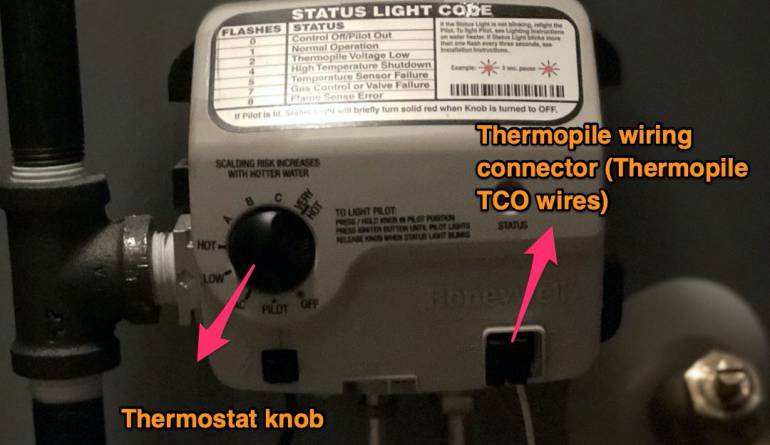
Use a digital multimeter set to millivolts (mV) for best accuracy. First, turn off the gas supply and power to the heater. Locate the thermopile wires connected to the gas valve. Disconnect the wires carefully to isolate the thermopile circuit.
Place the multimeter probes on the thermopile terminals. Light the pilot and let it burn steadily for a few minutes. Observe the voltage reading on the multimeter display. A healthy thermopile typically produces 350 to 750 millivolts.
Interpreting Voltage Readings
Voltage below 350 millivolts usually means the thermopile voltage is low. This can result from a weak pilot flame or a dirty thermopile tip. Check if the pilot flame fully covers the thermopile sensor. A small or flickering flame reduces voltage output.
Very low or zero readings may indicate a broken thermopile or wiring issues. Inspect wires for corrosion or loose connections. If cleaning the thermopile and fixing the flame does not improve voltage, consider replacing the thermopile.
Replacing The Thermopile
Replacing the thermopile is often necessary when cleaning and checking connections do not restore proper voltage. The thermopile is a small but crucial component that generates voltage from the pilot flame. This voltage keeps the gas valve open, allowing your water heater or furnace to function correctly. A faulty thermopile can cause low voltage issues, leading to heating problems.
Knowing when to replace the thermopile and how to do it safely helps avoid unnecessary service calls. Follow this guide to identify the need for replacement and perform the task step by step.
When Replacement Is Necessary
Replace the thermopile if voltage remains low after cleaning and tightening connections. Testing the thermopile with a multimeter will show if it produces enough millivolts. A reading below the manufacturer’s minimum means replacement is required.
Other signs include a weak pilot flame that does not improve after cleaning or a gas valve that closes unexpectedly. Physical damage or corrosion on the thermopile also signals it is time for a new part.
Step-by-step Replacement Guide
Turn off the gas supply and let the appliance cool down before starting. Safety first.
- Locate the thermopile near the pilot assembly inside the appliance.
- Disconnect the wires connected to the thermopile carefully.
- Remove the mounting screws or clips holding the thermopile in place.
- Gently pull out the old thermopile from its position.
- Install the new thermopile by placing it exactly where the old one was.
- Secure it with screws or clips.
- Reconnect the wires firmly to the new thermopile terminals.
- Turn the gas back on and relight the pilot according to the manufacturer’s instructions.
- Test the voltage output with a multimeter to confirm proper installation.
- Observe the appliance for normal operation before closing any access panels.
Credit: www.h2ouse.org
Preventing Future Voltage Issues
Preventing future voltage issues with your thermopile is essential for a reliable water heater. A low thermopile voltage can stop the pilot light from working, causing no hot water. Taking simple steps can keep your system running smoothly and avoid costly repairs.
Regular Maintenance Tips
Clean the thermopile and pilot assembly every few months. Remove soot and carbon buildup using fine steel wool or an emery cloth. Check the pilot flame to ensure it is strong and steady. A weak flame can cause low voltage and needs immediate attention. Inspect the gas line and air intake for any blockages or drafts. Tighten loose wiring connections to maintain good electrical contact. Regularly check for corrosion on wires and connectors. Replace damaged parts promptly to prevent voltage drops.
Avoiding Common Pitfalls
Never ignore small signs like flickering pilot lights or inconsistent heating. Avoid using harsh chemicals near the thermopile, as they can damage the sensor. Do not over-tighten wiring connections, which can break the wires. Keep the area around the water heater clean to prevent dust buildup. Avoid blocking air flow to the pilot flame, which affects its strength. Always follow the manufacturer’s guidelines for maintenance and repairs. These simple actions help keep the thermopile voltage stable and your water heater efficient.
Expert Troubleshooting Tips
Expert troubleshooting tips help pinpoint and fix low thermopile voltage issues quickly. Low voltage can cause pilot failures and heating problems. Understanding common causes and remedies saves time and money.
Follow these practical steps to diagnose and repair thermopile voltage problems safely and effectively.
Identifying Drafts And Obstructions
Check for drafts near the pilot light. Drafts can weaken the pilot flame and lower thermopile voltage. Look for open windows, vents, or fans causing airflow around the heater.
Inspect the pilot assembly for dirt, dust, or spider webs. These block the gas flow and reduce flame size. Clear any debris carefully to restore a strong flame.
Verifying Gas Supply And Pressure
Confirm the gas supply is turned on. A low or interrupted gas flow causes a weak pilot flame. Use a manometer to measure gas pressure at the valve.
Compare the pressure to the manufacturer’s recommended range. Low pressure needs adjustment by a professional to ensure safe operation.
Testing Pilot Light Stability
Watch the pilot flame for flickering or irregular shape. A steady, blue flame fully covering the thermopile tip is ideal. A weak or yellow flame indicates problems.
Light the pilot multiple times to see if it stays on consistently. An unstable pilot suggests a faulty thermopile or gas valve that requires service or replacement.

Credit: www.youtube.com
Frequently Asked Questions
What To Do If Thermopile Voltage Is Low?
Clean the thermopile and pilot assembly to remove soot. Ensure the pilot flame fully covers the thermopile tip. Check and tighten wiring connections. Measure voltage with a multimeter. Replace the thermopile if voltage remains low after these steps.
What Happens When A Thermopile Goes Bad?
A bad thermopile causes low voltage, preventing the gas valve from opening. This stops the pilot light and heating. Clean or replace it to restore function.
Can I Replace A Thermopile Myself?
Yes, you can replace a thermopile yourself if you have basic tools and follow safety precautions carefully. Turn off the gas and power first. Disconnect wires, remove the old thermopile, and install the new one securely. Test the voltage with a multimeter to ensure proper function.
How Do I Know If My Water Heater Thermopile Is Bad?
Test your water heater thermopile with a multimeter; low millivolt output indicates a bad thermopile. Clean buildup and check wiring first. Replace if voltage remains low.
What Causes Thermopile Voltage To Be Low?
Low voltage usually results from dirt buildup, weak pilot flame, or bad wiring connections.
Conclusion
Low thermopile voltage can cause water heater problems. Cleaning the thermopile and pilot area often helps. Make sure the pilot flame is strong and steady. Check all wiring for tightness and corrosion. Use a multimeter to test the voltage output.
Replace the thermopile if voltage stays low. These simple steps keep your heater working well. Regular maintenance prevents future issues and saves money. Understanding these basics helps you fix common problems fast. Stay proactive to avoid cold showers and costly repairs.