
When it comes to choosing a hot water heater, you might find yourself stuck between tall and short models. Which one fits your home better?
Which one saves you space without compromising on performance? The truth is, neither tall nor short water heaters are simply “better” — it all depends on your unique space and hot water needs. Imagine squeezing a bulky tall heater into a cramped closet, or trying to fit a short, wide model where vertical space is abundant.
That’s why understanding the key differences can save you time, money, and frustration. You’ll discover exactly how to pick the right water heater shape for your home, so your showers stay hot and your installation stays hassle-free. Keep reading to find the perfect fit for your space and lifestyle.
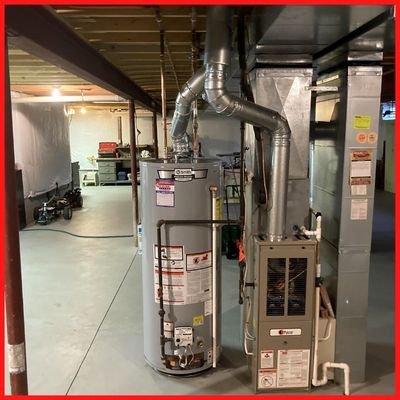
Credit: www.prideplumbingofrochester.com
Tall Water Heaters
Tall water heaters stand out for their slim and vertical design. They are popular in many homes and businesses. These units store hot water efficiently and fit well in spaces with good ceiling height. Many choose tall water heaters to save floor space while still getting enough hot water for daily needs.
Typical Size And Shape
Tall water heaters usually have a narrow and cylindrical shape. Their height often ranges from 4 to 6 feet. The diameter is smaller compared to short models, making them less wide. This design helps them fit easily in corners or narrow rooms. Their slim form uses vertical space well.
Ideal Locations
Tall water heaters work best in areas with plenty of vertical room. Garages, basements, and utility closets often have enough height for these models. They are not suitable for spaces with low ceilings or limited headroom. Installing them where height is available frees up floor space.
Capacity And Performance
Tall water heaters hold a good volume of hot water, often between 40 and 80 gallons. Their height helps keep hot water near the top, ready for use. This layering improves energy efficiency and performance. They maintain heat well and provide steady hot water flow for homes with moderate to high demand.
Short Water Heaters
Short water heaters offer a practical solution for homes with limited vertical space. They have a compact design that fits well where height is restricted. These units are becoming popular in apartments, closets, and small utility rooms. Their wider and shorter shape allows installation in areas where tall models cannot fit. Short water heaters balance size with performance, making them a versatile choice for many households.
Typical Size And Shape
Short water heaters are generally wider and shorter than tall models. Their height usually ranges from 30 to 40 inches. The diameter is larger to compensate for the reduced height. This shape helps them fit under counters or in small closets. The tank holds a similar volume of water but takes up less vertical space.
Ideal Locations
These heaters work best in spaces with low ceilings. Attics, closets, and under-cabinet spots are perfect locations. They also fit well in small utility rooms or tight corners. Homes without tall basements or garages often choose short water heaters. Their compact design allows flexible installation without major remodeling.
Capacity And Performance
Short water heaters usually range from 20 to 50 gallons in capacity. They heat water quickly due to their wider tanks. The heat distribution is different from tall models but still effective. These units meet the hot water needs of small to medium households. Proper sizing ensures steady hot water supply without wasting energy.
Space Considerations
Choosing between a tall and short hot water heater depends largely on space. Understanding the space you have helps pick the right model. This section breaks down the key space factors to consider.
Measuring Available Space
Start by measuring the height of the space where the heater will go. Use a tape measure to check from floor to ceiling. Also measure the floor area’s width and depth. Write down all numbers to compare with heater sizes. Accurate measurements avoid buying a unit that won’t fit.
Height Vs Floor Space
Tall heaters need more vertical space but take less floor room. They fit best in garages or basements with high ceilings. Short heaters are wider but shorter. They suit places with low ceilings like attics or closets. Choose based on which dimension limits your space more.
Hot Water Needs
Understanding your hot water needs is essential before choosing between tall and short water heaters. Your household’s demand affects the type and size of the heater that works best. The goal is to have enough hot water when you need it most. This section covers key factors to help you assess your hot water requirements accurately.
Peak Demand Assessment
Peak demand is the time when your household uses the most hot water. Usually, mornings and evenings have the highest usage. Knowing this helps select a heater that meets these needs without running out of hot water. Consider how many people use hot water at the same time. Also, think about activities like showering, laundry, and dishwashing happening together. A tall water heater often holds more water, which may suit bigger peak demands. Short water heaters might work well if peak usage is lower or spread out.
First Hour Rating
The first hour rating (FHR) measures how much hot water a heater can supply in one hour. This number is crucial during peak demand times. It reflects the heater’s ability to reheat water quickly after the initial supply runs out. A higher FHR means more hot water available in busy periods. Check the FHR before buying to match your household’s needs. Tall heaters usually have a higher FHR due to their shape. Short heaters might have a lower rating but can still work well for smaller homes.
Fuel Type Impact
The type of fuel used in a water heater affects its size and shape. Fuel impacts efficiency, installation, and cost. Tall and short water heaters behave differently depending on their fuel source. Knowing this helps you pick the right model for your space and needs.
Electric Water Heaters
Electric water heaters often have a slimmer, taller design. They need less ventilation because they do not burn fuel. This makes tall models easier to place in tight areas. Electric heaters heat water slowly but steadily. Short electric heaters exist but are less common. They work best where height is limited but space is wider. Electric units are simple to install and maintain.
Gas Water Heaters
Gas water heaters must vent combustion gases outside. This need shapes their size and placement. Tall gas water heaters fit well in spaces with enough height for a vent pipe. Short gas heaters suit low spaces but require careful venting. Gas units heat water faster than electric ones. They tend to use more floor space due to wider tanks. Fuel type affects how tall or short your heater can be.
Installation Tips
Installing a water heater requires careful attention to fit and function. Choosing between tall and short models affects your installation approach. Understanding key tips helps ensure a smooth setup and proper operation.
Replacing Like-for-like
Replacing your water heater with the same size and shape keeps installation simple. The plumbing and electrical connections usually match the old unit. This limits the need for extra fittings or adjustments. Measure the existing unit before buying a replacement. Confirm the height, width, and depth fit your space. Check pipe locations to avoid rerouting. Keep the same venting system if possible. This saves time and reduces costs.
Switching Between Tall And Short Models
Changing from a tall to a short water heater requires more planning. The shape difference may affect pipe and vent placements. Short models are wider and take more floor space. Make sure the area can fit the new width comfortably. Taller models need more vertical clearance, so check ceiling height. You might need to move plumbing or electrical points. Inspect venting options carefully to maintain safety. Adjustments can increase installation time and cost. Always follow local building codes for changes.
Choosing The Right Size
Picking the correct size for your water heater matters a lot. It affects how well the heater fits your space. It also impacts how much hot water you get. A heater too big wastes energy. One too small runs out of hot water fast. Size depends on your home’s space and water use.
Both tall and short water heaters come in different sizes. Tall heaters need more vertical space but less floor area. Short heaters fit in low spaces but take more floor room. Knowing your space and needs helps choose the best size.
Measuring Height And Width
Start by measuring the space where the heater will go. Measure the height from floor to ceiling or shelf. Check the width and depth too. Write down these numbers. They tell you if a tall or short heater fits better.
Remember to leave some space around the heater. This helps with installation and maintenance. Measure carefully to avoid surprises later. A tall heater needs enough height. A short heater needs enough floor space.
Upgrading Size Considerations
Think about your hot water needs before upgrading. More people or bigger showers need more hot water. A larger tank might be necessary. But don’t buy a size too large for your space.
Consider energy use too. Bigger tanks use more energy to keep water hot. Choose a size that balances supply and energy cost. Sometimes upgrading to a taller heater frees up floor space. Or a short heater fits better in tight rooms.

Credit: heilplumbing.com
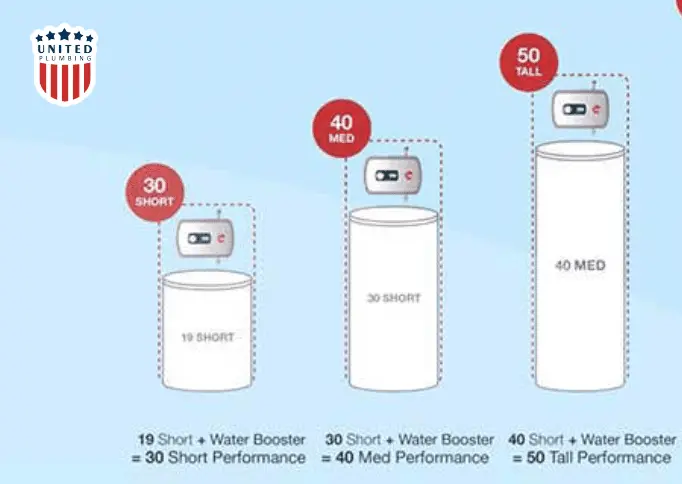
Credit: plumbing-united.com
Frequently Asked Questions
Is A Tall Or Short Water Heater Better?
A tall water heater suits spaces with high ceilings, offering better heat layering. A short heater fits low-clearance areas, saving vertical space. Choose based on your room size and hot water needs for optimal performance.
What Is The Difference Between A Short And Tall Water Tank?
A tall water tank is narrow and fits spaces with high ceilings. A short tank is wider, suited for low-height areas. Tall tanks offer better heat layering; short tanks heat faster due to their shape. Choose based on your space and hot water needs.
Does The Height Of A Water Heater Matter?
Yes, water heater height matters for space and installation. Tall heaters suit high-ceiling areas; short heaters fit low-clearance spaces. Choose based on available room and hot water demand.
How Tall Is A 40 Gallon Short Hot Water Heater?
A 40-gallon short hot water heater typically stands about 36 to 40 inches tall. It suits spaces with limited height.
What Is The Main Difference Between Tall And Short Water Heaters?
Tall heaters are narrow and fit high spaces; short heaters are wider and fit low spaces.
Conclusion
Choosing between tall and short hot water heaters depends on your space and needs. Tall heaters fit well where ceilings are high and floor space is limited. Short heaters work best in areas with low ceilings but more floor room.
Think about how much hot water your home requires during busy times. Measure your installation area carefully before deciding. Both types can heat water efficiently when matched to the right space. Selecting the right heater ensures comfort and saves energy in your Austin home.