
A Spectracide sprayer makes yard work much easier—when it works. But sometimes, you fill it up, pump the handle, and… nothing. No spray, no mist, just frustration. If your Spectracide sprayer isn’t working, you’re not alone. Homeowners and gardeners often face problems with these sprayers, from clogs to leaks to pressure issues. The good news is, most problems are simple to fix once you know what to look for.
This guide is your complete resource for troubleshooting and fixing a Spectracide sprayer that won’t spray. Whether your sprayer is new or has seen many seasons, you’ll learn what causes the most common issues, how to fix them, and how to prevent future problems.
If you want your lawn and garden treatments to go smoothly every time, keep reading. You’ll gain confidence to handle sprayer issues yourself, save money on repairs, and get back to enjoying a healthy yard.
Understanding How A Spectracide Sprayer Works
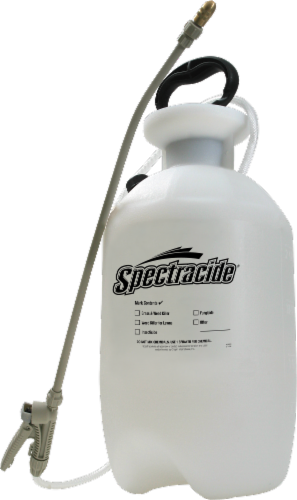
Before you can solve problems, it helps to know how your sprayer operates. A Spectracide sprayer is a type of pump sprayer. You add liquid (like weed killer or pesticide) to the tank, seal the top, and pump air into the tank to build pressure. When you pull the trigger, that pressure pushes the liquid through a tube, out the nozzle, and onto your plants or lawn.
Key parts include:
- Tank: Holds the liquid. The tank is usually made of plastic and may have measurement markings.
- Pump mechanism: Adds air pressure. The pump is often built into the lid and uses a piston or plunger to force air in.
- Hose and wand: Directs the spray. The hose connects the tank to the wand, allowing you to aim the spray exactly where you want.
- Nozzle: Controls spray pattern. Many nozzles can be twisted to change from a fine mist to a strong jet.
- Trigger: Releases liquid. The trigger opens a small valve in the wand.
When everything works together, the liquid is sprayed evenly and efficiently. If any of these parts are blocked, broken, or leaking, your sprayer may not work as expected. Sometimes, even a small bit of dirt or a minor air leak can cause problems, so it’s important to check each part carefully.
Common Reasons Why Your Spectracide Sprayer Is Not Working
Several issues can cause a sprayer to stop working. Let’s look at the most frequent culprits:
1. Clogged Nozzle
The nozzle is a small opening where the liquid comes out. Dirt, dried chemicals, or debris can block it, stopping or weakening the spray. Even a tiny piece of grass can cause a problem. Nozzle clogs are the most common cause of weak or uneven spray. Sometimes, you may notice the spray pattern changes or sprays only to one side.
2. Blocked Suction Tube
Inside the tank is a tube that pulls liquid up to the nozzle. If the suction tube is blocked or covered in residue, no liquid will reach the hose. Sometimes, leftover chemicals or fine particles settle in the tube and harden, making it hard for liquid to pass through.
3. Pump Not Building Pressure
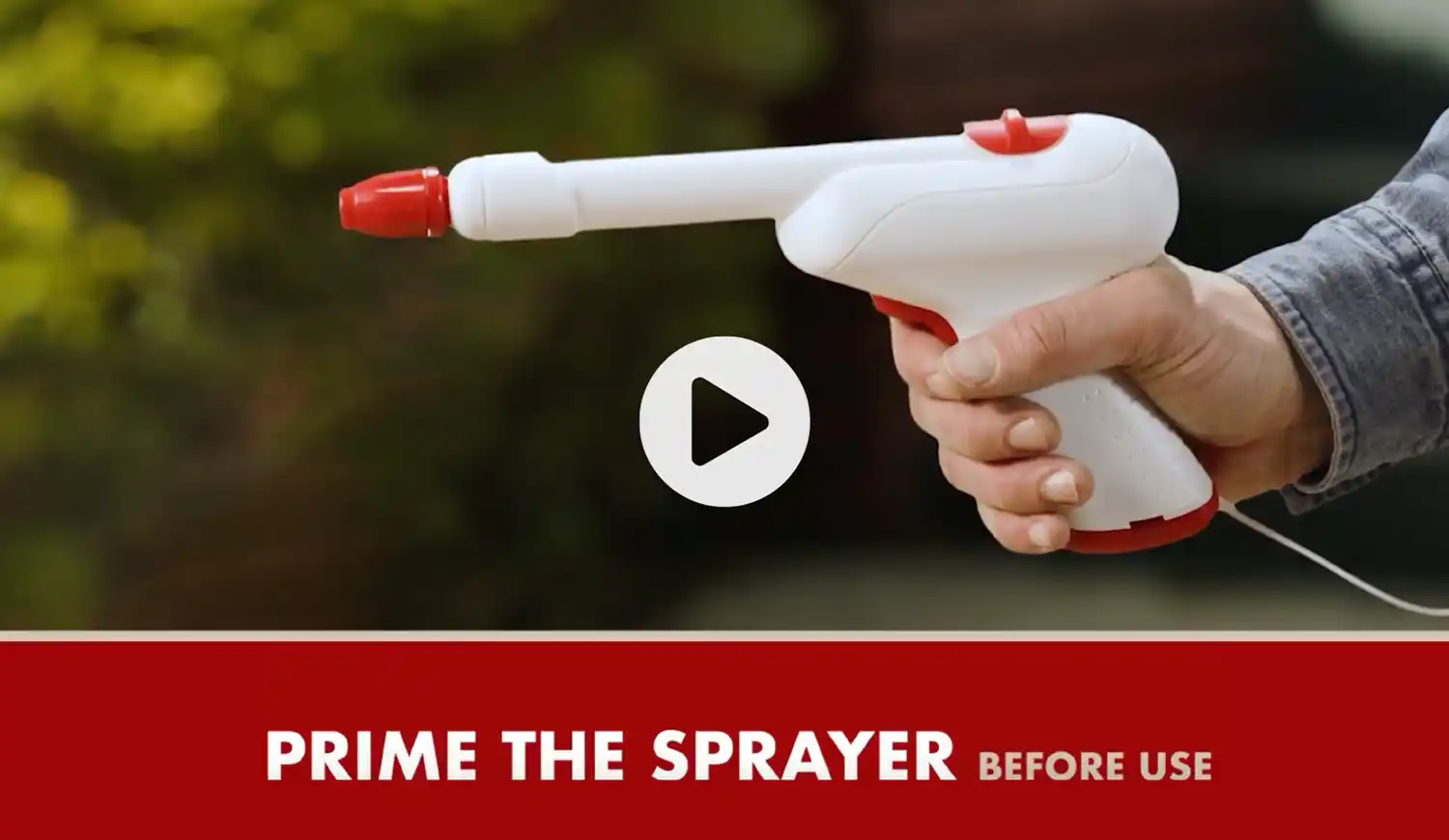
The pump creates pressure in the tank. If the pump doesn’t seal tightly or the gasket is worn, the sprayer can’t build enough pressure to push liquid out. You might notice the handle moves up and down too easily, or you don’t hear the usual hissing sound as you pump.
4. Leaking Seals Or Connections
If you notice liquid leaking from the handle, hose, or tank, a seal or connection may be loose, damaged, or missing. Leaks let air escape, reducing pressure. Even small leaks can dramatically reduce spraying power and may cause a mess.
5. Trigger Or Wand Issues
The trigger might not open fully, or the wand could be cracked or blocked, stopping the spray. Sometimes, internal springs or seals in the trigger wear out, making the trigger feel soft or unresponsive.
6. Incorrect Assembly
If you recently cleaned your sprayer or replaced parts, something may be installed incorrectly. Even a small mistake can stop the sprayer from working. For example, putting an O-ring in the wrong place or reversing a washer can block liquid flow.
7. Wrong Liquid Consistency
If the mixture inside the tank is too thick or has not been mixed well, it can clog the sprayer. Always use the recommended dilution for your product. Thick or improperly mixed solutions are harder to spray and can cause repeated clogs.
8. Old Or Damaged Parts
Over time, rubber gaskets, O-rings, and other parts can wear out, crack, or break, causing various malfunctions. Rubber parts are especially prone to cracking if exposed to sun or chemicals for long periods.
Extra insight: Some new users forget that even clear water can leave mineral deposits inside a sprayer. Over time, these invisible buildups can cause blockages or make seals less effective.

Credit: www.youtube.com
Step-by-step Troubleshooting Guide
Let’s walk through the steps to diagnose and fix your Spectracide sprayer.
Step 1: Check For Obvious Issues
Start with a visual check. Is the sprayer assembled correctly? Are any parts missing or loose? Is there visible damage to the hose, wand, or tank? Sometimes, the cause is as simple as a loose connection or a cracked hose that needs replacing.
Look for any signs of wear, such as faded plastic, bent wands, or missing washers. If you see chemical stains or dried residue around connections, those areas may be the source of leaks or clogs.
Step 2: Test Pressure
Pump the handle several times. If you feel no resistance, pressure is not building. Listen for hissing, which means air is escaping. You can also press the relief valve (if your model has one) to check if any pressure was built.
If pressure builds but no liquid sprays, the problem is likely a blockage. If you hear air escaping from the tank or handle as you pump, check all seals.
Step 3: Inspect The Nozzle
Remove the nozzle from the wand. Clean it with water and a small brush (an old toothbrush works well). Hold it up to the light to check for clogs. For stubborn debris, soak the nozzle in warm soapy water for 15–30 minutes.
You can also use a toothpick or soft wire to poke out debris.
If mineral deposits are present, soaking in vinegar can help dissolve them. After cleaning, rinse the nozzle well to remove any cleaning solution.
Step 4: Clean The Suction Tube
Remove the tank lid and pull out the suction tube. Rinse it with clean water. If it’s blocked, run a flexible wire or pipe cleaner through it. Make sure the filter (if present) is not clogged. Tap the filter gently on a hard surface to dislodge any dirt.
If you notice a sticky or slimy residue, it may be from chemical buildup. Soak the tube and filter in soapy water, then rinse thoroughly.
Step 5: Examine The Pump And Seals
Check the gasket around the pump. If it’s dry, cracked, or missing, you need to replace it. Sometimes, a little petroleum jelly on the gasket can help create a better seal. Be careful not to use too much, as extra jelly can attract dirt.
Also check the threads on the pump and the tank opening. Damaged threads can prevent a tight seal.
Step 6: Inspect The Trigger And Wand
Press the trigger and watch for movement. If the trigger feels loose or the wand is leaking, you may need to tighten connections or replace the part. Run water through the wand and trigger with the nozzle removed to check for blockages inside.
If you see cracks or splits in the wand, replace it. Even hairline cracks can leak under pressure.
Step 7: Look For Leaks
Fill the tank with water and pump it up. Look for drips or sprays from connections. Tighten or replace any leaking parts. Pay close attention to the base of the tank and the area around the handle, as leaks there are common.
If you see bubbles forming while spraying, that’s a sign of an air leak. Try tightening the affected part, or replace the gasket if needed.
Step 8: Test With Clean Water
After cleaning and reassembling, fill the tank with clean water and test the sprayer. If it works, rinse the tank and try with your lawn or garden product. This simple test helps ensure chemicals don’t go to waste and protects your plants from uneven spraying.
Extra tip: If your sprayer works with water but not with your lawn product, the issue is likely with the mixture’s thickness or how well it’s dissolved.
How To Fix Specific Spectracide Sprayer Problems
Clogged Nozzle
- Unscrew the nozzle from the wand.
- Rinse it under warm water.
- Use a thin needle or wire to gently remove any debris.
- Soak in vinegar if mineral build-up is present.
- Reattach and test.
Tip: Never use sharp objects that could enlarge or damage the nozzle. If the nozzle is badly worn or the spray pattern stays uneven after cleaning, it’s best to replace it.
Blocked Suction Tube
- Remove the suction tube from the tank.
- Rinse and brush the inside.
- Remove the filter (if any) and clean it.
- Check for cracks or holes in the tube.
Non-obvious insight: Sometimes, a suction tube looks clean but has a tiny split that lets in air. This can prevent suction even if the tube is not blocked. Replace damaged tubes.
If the filter keeps clogging, consider running the tank through a full cleaning cycle with warm, soapy water.
Pump Not Building Pressure
- Check the pump gasket for cracks or dryness.
- Lubricate the gasket with petroleum jelly.
- Replace the gasket if damaged.
- Make sure the pump is screwed in tightly.
Beginner mistake: Over-tightening the pump can strip the threads or damage the gasket, causing leaks. Tighten until snug, but don’t force it.
If you still can’t build pressure after these steps, check for cracks in the pump assembly or tank neck.
Leaking Seals Or Connections
- Tighten all hose and wand connections.
- Replace worn or missing O-rings.
- Ensure the tank lid is sealing properly.
Tip: If you see bubbles around a connection when spraying, air is escaping. Fix or replace the seal.
Lubricate O-rings with a bit of petroleum jelly to improve their lifespan and sealing power.
Trigger Or Wand Issues
- Remove the wand from the hose.
- Flush both ends with warm water.
- Check for cracks or blockages inside.
- Reassemble and test.
If the trigger feels weak, there may be a broken spring inside. Replacement triggers are available and often easy to swap.
Incorrect Assembly
Double-check the manual for your Spectracide sprayer model. A reversed washer or misplaced O-ring can block spray or cause leaks. If you don’t have the manual, look for diagrams online or on the Spectracide website.
When reassembling, pay attention to the order of washers and seals. Taking photos as you take things apart can help you remember the correct order.
Wrong Liquid Consistency
If your product is thick or has settled, it can clog the sprayer. Always mix thoroughly and use the recommended water-to-chemical ratio.
Extra insight: Some products settle fast, so give the tank a gentle shake every few minutes during spraying. Avoid using powders or granules that don’t fully dissolve.
Old Or Damaged Parts
Spectracide sells replacement parts (gaskets, nozzles, wands) online and at hardware stores. Replacing old parts can bring a sprayer back to life. If you find you’re replacing the same part often, check your cleaning and storage routine for improvements.
Credit: www.smithsfoodanddrug.com
Preventing Future Sprayer Problems
A little care goes a long way. Here’s how to keep your Spectracide sprayer working smoothly:
- Clean after every use: Rinse the tank, hose, and nozzle with clean water. Don’t forget to flush the wand, even if you only used water in the sprayer.
- Never leave chemicals in the tank: They can dry, clog, or damage parts. Even overnight storage can cause buildup.
- Store in a cool, dry place: Sun and heat can crack plastic and rubber. Store upright to prevent warping.
- Lubricate gaskets regularly: This stops them from drying out. A thin layer is enough.
- Use only recommended products: Avoid thick or gritty solutions. Read the chemical label for compatibility.
- Inspect before each use: Check for loose, damaged, or missing parts. Give hoses and wands a gentle bend to check for hidden cracks.
Extra tip: If you use your sprayer often, set a reminder to do a deeper clean and gasket check every month.
Comparing Spectracide Sprayers With Other Brands
To understand how Spectracide sprayers compare with other popular brands, here’s a quick look at key features:
| Brand | Typical Tank Size | Common Issues | Ease of Repair |
|---|---|---|---|
| Spectracide | 1–2 gallons | Clogs, leaks, pressure loss | Easy; parts widely available |
| Chapin | 1–3 gallons | Pump problems, spray inconsistency | Easy; replacement kits available |
| Roundup | 1–2 gallons | Valve failure, nozzle clogs | Moderate; some unique parts |
| Smith | 2–3 gallons | Hose leaks, trigger issues | Moderate; repair kits sold |
Spectracide sprayers are known for easy repair and affordable parts. If you run into trouble, you’ll find solutions faster than with some competitors.
Extra insight: Some brands use proprietary parts, making repairs harder and more expensive. Spectracide’s standard-sized hoses and nozzles are easier to match and replace, saving you time and money.
Credit: www.spectracide.com
Signs You Need A New Sprayer
While most problems can be fixed, sometimes it’s better to replace your sprayer. Here are signs it’s time for a new one:
- Cracked or warped tank (unsafe to use)
- Pump handle broken or won’t seal even after repairs
- Replacement parts cost more than a new sprayer
- Frequent, repeated clogs or leaks
- Sprayer is over 5 years old and not working well
Consider your time and safety. If you fix the same problem repeatedly, a new sprayer saves frustration.
Extra tip: If your sprayer starts leaking from the tank seam or base, it’s time to retire it. Tank cracks can’t be reliably fixed and may cause dangerous spills.
Choosing The Right Spectracide Sprayer For Your Needs
If you decide to buy a new sprayer, consider these factors:
Tank Size
- 1 gallon: Best for small yards or spot treatments. Easy to carry and store.
- 2+ gallons: Better for larger lawns and gardens. Fewer refills, but heavier to carry.
Pump Type
- Manual pump: Most common and affordable. Requires arm strength for large jobs.
- Battery-powered: Easier for long jobs but more expensive. Great for those with arthritis or limited hand strength.
Wand And Nozzle Features
- Adjustable nozzles let you choose between mist and stream. Useful for different types of plants.
- Long wands help reach difficult spots, such as under bushes or high branches.
Comfort And Safety
Look for ergonomic handles, clear measuring marks, and sturdy construction. A well-designed handle makes pumping and carrying easier.
Extra tip: Some models have built-in pressure relief valves for added safety.
Price
Basic Spectracide sprayers start under $20. Higher-end models cost more but offer extra features.
| Sprayer Model | Tank Capacity | Pump Type | Approx. Price (USD) |
|---|---|---|---|
| Spectracide AccuShot | 1.33 gallons | Battery-powered | $25–$35 |
| Spectracide Weed & Grass Killer | 1 gallon | Manual pump | $15–$20 |
| Spectracide Pro | 2 gallons | Manual pump | $25–$30 |
Non-obvious insight: Battery-powered sprayers reduce hand fatigue, but require more maintenance and careful storage to protect the battery. It’s best to remove batteries before winter storage and keep the unit dry.
When To Seek Professional Help
Most Spectracide sprayer problems can be fixed at home. But if you:
- Smell chemicals you can’t identify
- See serious leaks near electrical parts (on battery models)
- Notice cracks in the tank after chemical use
…it’s safer to contact Spectracide customer support or a professional repair service. Safety is more important than saving a few dollars.
Extra tip: If you’re unsure about a leak or repair, ask a local garden center. Some stores offer repair services or can recommend a professional.
Cleaning And Maintenance Best Practices
Regular cleaning is the key to a long-lasting sprayer. Here’s a simple cleaning routine:
- Empty leftover liquid from the tank after each use.
- Fill the tank halfway with warm water and a drop of dish soap.
- Pump and spray the soapy water through the wand until the tank is empty.
- Fill with clean water and repeat to rinse.
- Remove and clean the nozzle and filter separately.
- Allow all parts to dry before storing.
Tip: Cleaning with vinegar once a month helps dissolve mineral deposits.
Extra insight: If you use sticky or oily chemicals, an extra rinse with a weak vinegar solution can help keep parts from sticking. Avoid harsh chemicals that can eat away at rubber and plastic.
Spectracide Sprayer Safety Tips
Proper use protects both you and your equipment:
- Always wear gloves and eye protection when mixing or spraying chemicals.
- Never point the sprayer at people or pets.
- Use outdoors or in well-ventilated areas.
- Store chemicals and sprayer out of reach of children.
- Read and follow all instructions on both the sprayer and the chemical product.
Extra tip: Wash your hands and arms after using the sprayer, even if you wore gloves.
Spectracide Support And Warranty
Spectracide sprayers usually come with a limited warranty. If your sprayer is new and not working, check your receipt and contact Spectracide customer service. They often replace faulty parts free of charge within the warranty period.
You can find support and parts at the official Spectracide website or major retailers. For more information on pump sprayer design and safe use, see the Pump sprayer (Wikipedia) page.
Extra insight: Keep your purchase receipt and sprayer manual together. If you need warranty help, having both makes the process faster.
Frequently Asked Questions
Why Won’t My Spectracide Sprayer Build Pressure?
Usually, it’s because of a damaged gasket, loose seal, or pump assembly problem. Check for air leaks, ensure all parts are tight, and replace worn gaskets.
Extra tip: Listen for faint hissing—this can help you find the source of the leak.
How Do I Unclog A Stubborn Nozzle?
Soak the nozzle in warm, soapy water or vinegar for 30 minutes. Use a thin wire or needle to gently clear the opening. Avoid using sharp objects that might enlarge the hole.
If the spray pattern is still uneven after cleaning, it may be time to replace the nozzle.
Can I Use Bleach Or Harsh Cleaners To Clean My Sprayer?
It’s best to avoid strong chemicals like bleach, which can damage seals and plastic. Use mild dish soap, warm water, and vinegar for cleaning.
What Should I Do If My Sprayer Leaks From The Handle?
Check the O-ring or gasket in the handle. Tighten connections, replace worn seals, and make sure all parts are assembled correctly.
Extra tip: O-rings are cheap and easy to replace. Keep a few extras in your toolbox.
Where Can I Buy Replacement Parts For My Spectracide Sprayer?
Most hardware stores and garden centers carry replacement parts. You can also buy them from the official Spectracide website or major online retailers.
Conclusion
A working Spectracide sprayer makes lawn and garden care easy. With the right troubleshooting and maintenance, you can keep your sprayer in top shape for years. Don’t let a simple problem stop your yard from looking its best—most fixes are quick, affordable, and easy to do yourself.
When you understand how your sprayer works and take care of it, you’ll enjoy reliable performance season after season.