
Are you torn between Screeneze and Screen Tight for your porch or patio screen project? Choosing the right screen system can feel overwhelming, especially when you want something durable, easy to install, and cost-effective.
You might be asking yourself: Which one will save you time and hassle? Which will look better and last longer? You’ll discover the key differences between Screeneze and Screen Tight—how they work, their pros and cons, and which option fits your needs and budget best.
Keep reading to make a confident choice that turns your outdoor space into the relaxing haven you deserve.

Credit: www.affordablewindowscreens.com
Screeneze System Features
The ScreenEze system offers unique features that set it apart from traditional screen options. It focuses on ease of use, durability, and functionality. Designed to simplify screen installation, ScreenEze combines modern materials and smart engineering.
This system suits patios, porches, and decks. It handles large openings without extra effort. Below, we explore key features that make ScreenEze a strong contender in the market.
No-spline Technology
ScreenEze uses no-spline technology, removing the need for rubber spline cords. This design makes installation quicker and less messy. The screen simply snaps into place inside the frame. This reduces mistakes and saves time for both DIYers and professionals.
Material And Durability
The system features a strong aluminum frame combined with vinyl components. This mix offers resistance against rust and weather damage. It holds up well in sun, rain, and wind. The materials ensure a long-lasting screen that stays tight and secure.
Installation Process
Installation is straightforward thanks to the no-spline design. The frame pieces lock together easily, forming a sturdy structure. Screens slide into place and snap securely without special tools. This process reduces frustration and lowers installation time compared to traditional systems.
Screen Size Capacity
ScreenEze supports larger screen openings than many competitors. It can cover wide patios and large porch areas without extra support. This makes it ideal for bigger projects where wide, clear views are desired. The system maintains tension evenly across the screen surface.
Maintenance And Repair
Maintenance is simple due to the system’s modular design. If a screen gets damaged, it can be replaced quickly without removing the entire frame. The no-spline feature also means no rubber parts to wear out or crack. This reduces repair costs and extends the system’s life.
Screen Tight System Features
The Screen Tight system offers practical features for homeowners who want a reliable and simple screen solution. It focuses on ease of use and durability with a classic design approach. Understanding its key features helps decide if it fits your needs.
Vinyl Spline Design
Screen Tight uses a vinyl spline to hold the screen in place. This spline fits into a groove along the frame edges. It keeps the screen tight and secure. The vinyl material allows some flexibility during installation. This design is familiar to many DIY users.
Material And Durability
The system uses durable vinyl for both the frame and spline. Vinyl resists rust and corrosion. It stands up well against weather changes. This makes the system suitable for outdoor use. The materials require less upkeep than wood or metal.
Installation Process
Installation is straightforward but requires care. The spline must be pressed firmly into the frame groove. Tools like a spline roller help with this step. The process is suitable for smaller or fixed screen areas. Beginners can complete the installation with some patience.
Screen Size Limitations
Screen Tight works best for small to medium screen openings. Larger screens may sag or loosen over time. The vinyl spline system is less strong than metal frame systems. Keep size limits in mind before choosing this system. It fits well on porches, windows, and doors.
Maintenance And Repair
Maintaining Screen Tight is simple. Clean the screen with mild soap and water. Check the spline for wear or damage regularly. Replacing the screen involves removing and reinstalling the vinyl spline. Repairs can be done without special skills or tools.
Cost Comparison
Comparing costs helps decide between Screeneze and Screen Tight. Both offer unique benefits but differ in price. Understanding upfront and ongoing expenses guides a better choice for your budget and needs.
Upfront Material Costs
Screeneze uses aluminum and vinyl with no-spline technology. This makes the materials slightly more expensive than Screen Tight. Screen Tight uses a vinyl spline system, which costs less initially. For smaller projects, Screen Tight might save money on materials.
Labor And Installation Expenses
Screeneze is designed for easier, faster installation. Professionals spend less time installing Screeneze, lowering labor costs. Screen Tight requires traditional spline installation, which can take longer. Longer installation means higher labor expenses with Screen Tight.
Long-term Value
Screeneze’s durable materials reduce repair needs over time. This lowers maintenance costs and adds long-term value. Screen Tight, while cheaper upfront, may need more repairs or replacements. For lasting value, Screeneze often proves the better investment.

Credit: www.screeneze.com
Appearance And Aesthetics
The appearance and aesthetics of a screen system play a major role in enhancing your outdoor space. Choosing between Screeneze and Screen Tight means considering how each system looks and fits with your home’s style. Both offer distinct visual qualities that affect the overall impression of your porch or patio.
Profile And Finish
Screeneze features a sleek, low-profile frame that blends smoothly with your porch structure. Its aluminum and vinyl combination gives a modern and clean finish. The no-spline design creates a uniform look without visible fasteners.
Screen Tight uses a vinyl spline frame that looks more traditional. The frame is slightly thicker and shows the spline, which some may find less refined. This design fits well with classic or rustic outdoor spaces.
Customization Options
Screeneze offers a variety of frame colors and finishes to match different home exteriors. You can choose from several screen types, including pet-resistant and solar screens, to tailor the look and function.
Screen Tight provides limited color choices, mostly in white and beige. It supports standard screen materials but fewer specialty options. This makes it simpler but less customizable in appearance.
Best Use Cases
Choosing between Screeneze and Screen Tight depends on the task at hand. Both systems offer unique benefits suited for different projects. Understanding their best use cases helps pick the right screen system for your needs.
Ideal Screen Sizes
Screeneze handles larger screen openings with ease. Its no-spline design supports wide spans without warping. Screen Tight works best on smaller, fixed-size screens. The traditional spline method limits its use to compact frames.
Suitability For Diy Projects
Screen Tight suits DIYers who prefer simple tools and methods. Installing it requires basic skills and a vinyl spline roller. Screeneze is also DIY-friendly but needs careful handling of the aluminum and vinyl frame. Its no-spline system speeds up installation.
Applications For Larger Openings
Screeneze excels in large porch and patio screens. Its strong frame resists sagging over wide areas. Screen Tight struggles with very large openings due to spline tension limits. It’s better for smaller windows or door screens.
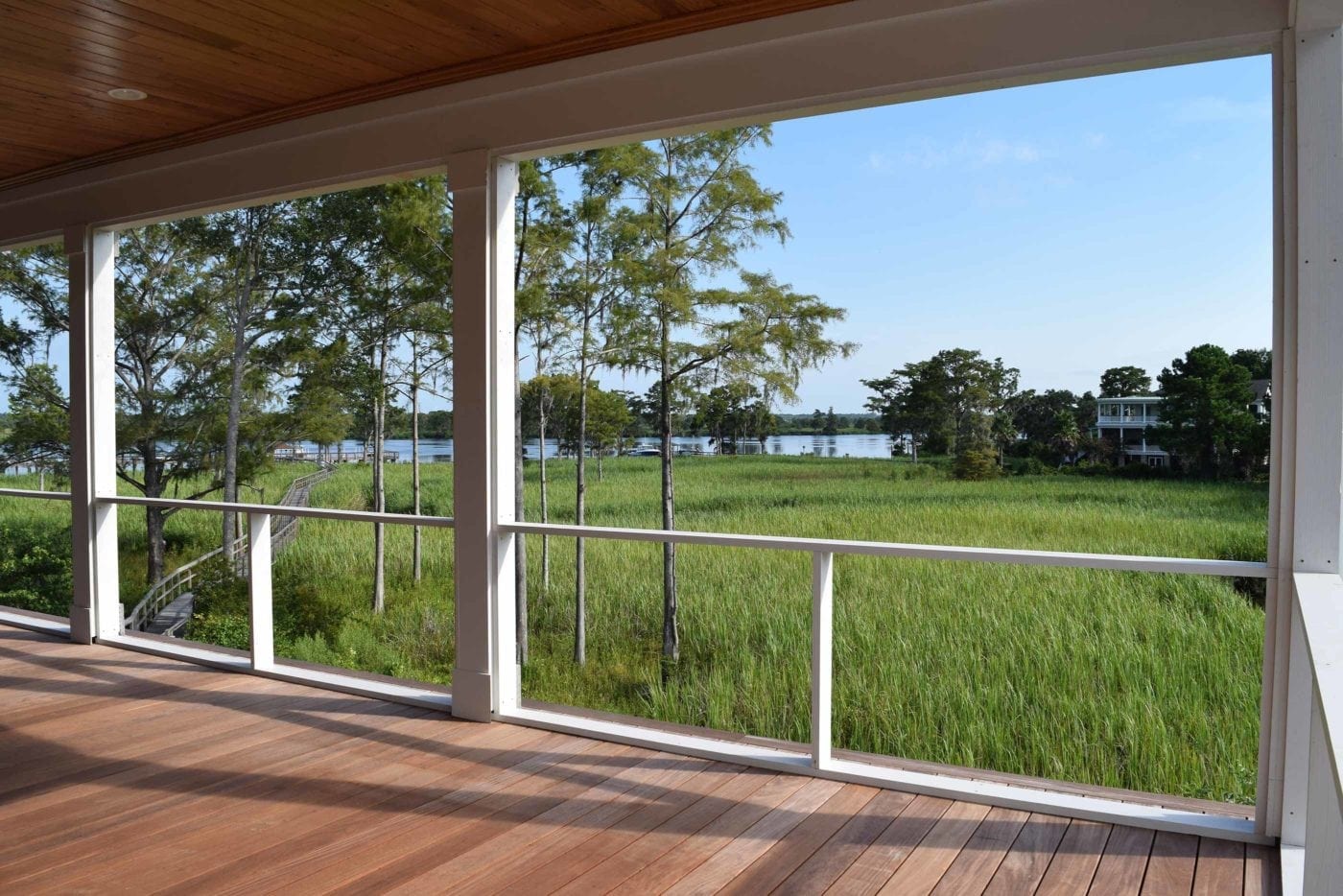
Credit: www.screentight.com
User Experience
User experience plays a crucial role in choosing between Screeneze and Screen Tight. Both systems offer unique features that affect how easy they are to install, maintain, and use. This section breaks down these factors to help you understand which one fits your needs better.
Ease Of Installation
Screeneze uses a no-spline design. This makes installation faster and less stressful. You do not need special tools to secure the screen. The aluminum and vinyl frame snaps tightly in place.
Screen Tight uses a traditional spline system. You need a spline roller tool for installation. It takes more time and skill to set the screen properly. This system suits smaller, fixed openings.
Repair Convenience
Screeneze offers easy repairs. The vinyl cap can be removed and snapped back on. This allows quick re-screening without removing the entire frame. It saves time and effort for future fixes.
Screen Tight repairs require removing the spline and screen. You must replace the spline to secure a new screen. This process can be more complicated and time-consuming.
Customer Feedback
Many users praise Screeneze for its simple installation and strong frame. They find it easier to handle large openings. Positive reviews often mention less frustration during setup.
Screen Tight users appreciate its affordability. It works well for small projects and DIY enthusiasts. Some report challenges with spline installation, but value the cost savings.
Frequently Asked Questions
What Is The Difference Between Screeneze And Screen Tight?
SCREENEZE uses a no-spline, aluminum and vinyl system for easy installation and large openings. Screen Tight uses a traditional vinyl spline, best for smaller, fixed screens. SCREENEZE is more durable and sleek, while Screen Tight is more affordable and DIY-friendly.
Is Screeneze Worth It?
SCREENEZE offers easy, no-spline installation, durable aluminum frames, and handles larger openings well. It’s worth the investment for low maintenance and professional results.
Is It Better To Have A Screened Porch Or Sunroom?
A screened porch is budget-friendly and great for fresh air. A sunroom offers year-round use and adds more home value. Choose based on climate, budget, and how you plan to use the space.
How Far Can Screeneze Span?
SCREENEZE can span openings up to 16 feet wide without sagging, using its durable no-spline aluminum and vinyl system.
What Is The Main Difference Between Screeneze And Screen Tight?
Screeneze uses a no-spline system; Screen Tight uses a vinyl spline for screen installation.
Conclusion
Choosing between Screeneze and Screen Tight depends on your needs. Screeneze offers a no-spline, easy-install system for larger openings. Screen Tight uses a traditional vinyl spline, best for smaller, fixed screens. Screeneze frames are more durable and resist sagging better.
Screen Tight is budget-friendly and DIY-friendly but suits smaller projects. Consider your budget, screen size, and ease of installation. Both systems provide good options for porch and patio screens. Decide what fits your project and skill level for the best results.