
If you’re planning a shower remodel or building a new bathroom, you might have heard about the Schluter shower system and its promise of reliable waterproofing. But what happens when things don’t go as smoothly as expected?
You could find yourself facing unexpected problems that put your investment and bathroom at risk. Understanding common Schluter shower system problems before you start can save you time, money, and frustration. You’ll discover what issues homeowners and professionals have encountered, what causes them, and how you can avoid or fix these problems to keep your shower leak-free and durable.
Keep reading to protect your bathroom and make confident choices for your project.
Common Schluter Shower Issues
Schluter shower systems are popular for waterproofing tiled showers. Despite their advantages, some common problems can arise. These issues often stem from installation errors or product defects. Understanding these problems helps prevent costly repairs and water damage. Below are frequent Schluter shower system issues to watch for.
Drain Flange Bonding Problems
The drain flange must bond tightly to the waterproof membrane. Poor bonding can cause water to seep under the drain. This leads to leaks and damage beneath the shower floor. The bonding fleece sometimes does not adhere well to the stainless steel flange. This flaw can cause the membrane to separate over time.
Water Seepage Concerns
Water seepage often occurs at weak points in the system. Improper sealing or gaps in the membrane allow water to escape. Water can then damage the wall structure or subfloor. Even small leaks cause mold and rot if unnoticed. Proper sealing and inspections reduce seepage risks significantly.
Membrane Installation Errors
Correct membrane installation is vital for a watertight shower. Incorrect cuts or overlaps create gaps where water enters. Wrinkles or bubbles in the membrane weaken its barrier. Using the wrong adhesive or insufficient drying time also causes failures. Experienced installers carefully follow Schluter’s guidelines.
Corner And Edge Challenges
Corners and edges are common trouble spots. These areas require extra care and precise application. Failing to fold and seal the membrane properly at corners leads to leaks. Edges must be securely bonded to walls and floors. Specialized Schluter accessories help, but must be used correctly.

Credit: www.youtube.com
Signs Of System Failure
Recognizing the signs of a Schluter shower system failure is crucial for preventing costly damage. Early detection helps maintain a safe, dry bathroom environment. Watch for changes that suggest the waterproof barrier might be compromised. These signs often indicate the need for immediate inspection and repair.
Visible Water Damage
Water stains on walls or ceilings near the shower are clear warning signs. Peeling paint or warped drywall also signals moisture issues. Look for discoloration or soft spots around the shower area. These problems usually mean water has escaped the waterproof membrane.
Tile Adhesion Problems
Loose or cracked tiles can point to a failing shower system. Tiles may start to pop off or become uneven. This happens because water weakens the adhesive underneath. Early tile issues often lead to bigger problems with moisture penetration.
Mold And Mildew Growth
Dark spots or fuzzy patches in grout lines often indicate mold or mildew. These fungi thrive in damp, poorly sealed showers. Mold growth not only damages surfaces but also poses health risks. Detecting mold early suggests water is escaping the system.
Unusual Odors
A musty or sour smell near the shower signals hidden moisture problems. These odors often come from trapped water behind walls or under tiles. Persistent smells mean the waterproofing system is not working properly. Air circulation alone cannot remove these odors.
Quick Fixes For Drain Issues
Drain issues in Schluter shower systems can disrupt your bathroom routine. Quick fixes often solve common problems without major repairs. Simple steps restore proper drainage and prevent leaks. Understanding key repair methods helps maintain your shower’s performance.
Rebonding The Drain Flange
The drain flange must bond tightly to the shower base. Over time, the bond may weaken, causing leaks. Clean the area around the flange thoroughly. Use a compatible adhesive to reattach the flange. Press firmly to ensure a strong seal. Allow the adhesive to dry completely before use.
Sealant Application Tips
Applying sealant correctly prevents water from seeping under the drain. Choose a high-quality waterproof sealant. Apply a thin, even bead around the drain flange. Smooth the sealant with a wet finger or tool. Avoid gaps or bubbles for a secure finish. Let the sealant cure as instructed on the package.
Replacing Defective Components
Some drain parts may be faulty from the start. Inspect the drain flange and membrane for damage. Purchase replacement parts compatible with your Schluter system. Remove the old components carefully to avoid damage. Install new parts following manufacturer guidelines. Test the drain to confirm proper function after replacement.
Membrane Repair Techniques
The Schluter shower system uses a waterproof membrane to protect walls and floors from moisture damage. Over time, this membrane may develop tears or holes. Proper repair of these issues is critical to maintain the shower’s waterproof integrity. Using the right techniques ensures long-lasting results and prevents leaks.
Membrane repair involves careful patching, correct overlapping, and effective use of specialized products like Kerdi-Band. Each step requires attention to detail for a watertight seal. Below are key methods to repair the Schluter membrane efficiently.
Patching Tears And Holes
Small tears and holes in the membrane can cause water leaks. Start by cleaning the damaged area thoroughly. Cut a patch from the same membrane material, ensuring it is larger than the tear. Apply thin-set mortar on the patch and press it firmly over the damaged section. Smooth out any air bubbles to create a solid seal. Allow the mortar to cure fully before tiling.
Proper Overlap Methods
Overlapping membrane edges correctly prevents water from seeping through joints. Always overlap by at least two inches. Ensure the upper membrane layer covers the lower one to guide water away. Use thin-set mortar between layers to bond them securely. Avoid gaps or wrinkles that can weaken the seal. Proper overlap improves membrane durability and waterproofing.
Using Kerdi-band Effectively
Kerdi-Band is essential for sealing corners and joints in the Schluter system. Cut the band to size and apply a layer of thin-set mortar on the surface. Press the Kerdi-Band firmly into the mortar, ensuring full contact without wrinkles. Cover the band with another mortar layer to lock it in place. This technique strengthens vulnerable areas and prevents leaks at seams.
Installation Best Practices
Proper installation is key to avoiding Schluter shower system problems. Following best practices ensures a strong, waterproof shower that lasts. Each step demands care and attention. Mistakes can lead to leaks and costly repairs. Focus on surface prep, membrane application, corners, and using the right tools.
Surface Preparation
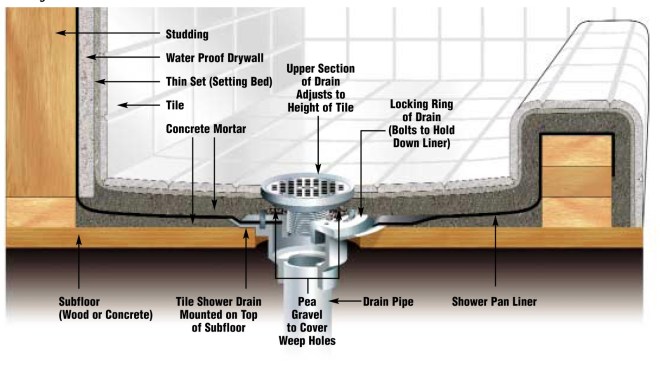
Clean the substrate thoroughly before starting. Remove dust, dirt, and grease. The surface must be dry and smooth. Patch any holes or cracks with suitable filler. Uneven surfaces cause membrane failure. A flat base helps the system bond tightly. Check for loose drywall or cement board. Secure all panels firmly to studs.
Correct Membrane Application
Cut the membrane to size with clean edges. Avoid stretching the material during installation. Apply thinset mortar evenly using the right trowel notch. Press the membrane firmly into the mortar. Use a drywall knife or roller to remove air bubbles. Overlap seams by at least two inches. Seal all overlaps with Kerdi-Band or similar strips. Take time to let the mortar cure properly.
Handling Corners And Transitions
Use pre-formed corner pieces for inside and outside corners. Corners are common leak points. Apply membrane smoothly over corners without folds. For transitions between surfaces, use flexible strips. Extend the membrane past the corner by several inches. Seal edges carefully with thinset mortar. Reinforce all transitions to prevent water infiltration. Check corners after drying for gaps or weak spots.
Tools And Materials Needed
Gather all materials before starting the project. Essential tools include a notched trowel, utility knife, drywall knife, and a roller. Use quality thinset mortar recommended for Schluter systems. Have Kerdi membrane, Kerdi-Band, and pre-formed corners ready. A level and measuring tape help maintain precision. Keep cleaning cloths on hand to wipe excess mortar. Proper tools make the job easier and ensure better results.
Credit: glensfallstile.com
Avoiding Future Problems
Preventing problems with your Schluter shower system starts with smart care and choices. Avoid costly repairs and leaks by taking simple, regular steps. A well-maintained system lasts longer and works better, keeping your bathroom dry and safe.
Regular Maintenance Tips
Check your shower system often for signs of damage or wear. Clean the drain and tiles to stop clogs and mold buildup. Replace any worn parts quickly to avoid water leaks. Keep the grout and sealant in good condition to protect the waterproof barrier.
Choosing Quality Materials
Use only genuine Schluter products or trusted brands for repairs and upgrades. Cheap materials can cause failures and damage over time. High-quality products fit better and last longer. This choice helps keep your shower system strong and leak-proof.
Professional Installation Benefits
Hire a skilled installer familiar with Schluter systems. Proper installation is key to avoiding problems later. Professionals ensure every part fits and seals correctly. This work reduces risks of leaks and water damage. It saves money by preventing future fixes.
Legal Concerns And Recalls
Legal concerns and recalls related to Schluter shower systems have caught the attention of many homeowners. These issues mainly involve product defects that may cause water damage or improper installation. Understanding the legal landscape helps homeowners protect their investments and avoid costly repairs.
Class Action Lawsuit Overview
A class action lawsuit targets Schluter for alleged product defects. The suit claims the bonding fleece on the drain flange does not adhere properly. This flaw can allow water to seep under the drain channel. Many homeowners and contractors report leaks and damage due to this problem.
The legal case focuses on holding Schluter accountable for these defects. The lawsuit seeks compensation for repairs and damages. It also calls for better quality control and product fixes to prevent future issues.
Affected Products And Models
The lawsuit mainly involves Schluter’s Kerdi line drains. These drains include the stainless steel drain channel and bonding fleece components. Some models have reported higher failure rates than others. Buyers should carefully check product details and dates of purchase.
Other Schluter shower system parts may not be affected. Still, it is wise to review all installed components. Identifying whether your model is involved can help in taking timely action.
What Homeowners Should Know
Homeowners with Schluter shower systems should inspect their drains regularly. Signs of water leakage or mold growth may indicate problems. Early detection reduces repair costs and prevents further damage.
If you notice issues, gather purchase documents and installation records. These can support legal claims if you join the class action. Consulting a qualified plumber or legal advisor can clarify your options.
Staying informed about recalls and legal updates is crucial. Schluter may issue repair kits or replacements for affected products. Taking prompt action protects your home and investment.
Credit: www.diytileguy.com
Frequently Asked Questions
What Is The Lawsuit Against Schluter Kerdi?
The lawsuit against Schluter Kerdi involves alleged defects in the drain flange’s bonding fleece. This flaw may cause water to seep under the drain, leading to potential damage. A national class action law firm investigates these design and manufacturing concerns.
Is Schlüter Kerdi Worth It?
Schlüter Kerdi offers reliable waterproofing and saves installation time. It suits professionals and experienced DIYers despite higher costs. Proper installation ensures long-term moisture protection, making it a valuable investment for quality shower systems.
How Do You Reset The Ground Fault On A Schluter Thermostat?
To reset the ground fault on a Schluter thermostat, first turn off the power supply. Then, press and hold the reset button until the fault clears. Finally, restore power and verify the system functions normally.
Do You Have To Water Test Schluter Shower Pan?
Yes, water testing a Schluter shower pan is recommended. It ensures the waterproofing membrane is properly sealed and prevents leaks. Perform a 24-hour flood test before tiling to detect any potential issues early and avoid costly water damage later.
What Common Issues Occur With Schluter Shower Systems?
Leaks, poor adhesion, and improper installation are common problems in Schluter shower systems.
Conclusion
Schluter shower systems offer strong waterproof protection when installed right. Some users face issues like leaks or installation challenges. Careful attention to details avoids most problems. Quality materials help ensure long-lasting performance. Always follow manufacturer instructions step-by-step. Fixing small issues early saves bigger repairs later.
Choosing the right tools makes installation easier. Overall, Schluter remains a solid choice for shower waterproofing.