
Is your Samsung washer flashing the OE error code and leaving your laundry day on hold? You’re not alone—and fixing it might be easier than you think.
The OE code usually signals a drainage problem, but it could also point to other issues like clogged hoses or sensor glitches. You’ll discover simple, step-by-step solutions you can try right now to get your washer draining properly again. Don’t let that error code disrupt your routine—read on to learn how to troubleshoot and clear the OE code quickly, saving you time and hassle.
:max_bytes(150000):strip_icc()/samsung-front-load-washer-fault-codes-2147297_final-fbe1df0aaa4540bbac79238436bead3d.png)
Credit: www.thespruce.com
Causes Of Oe Code
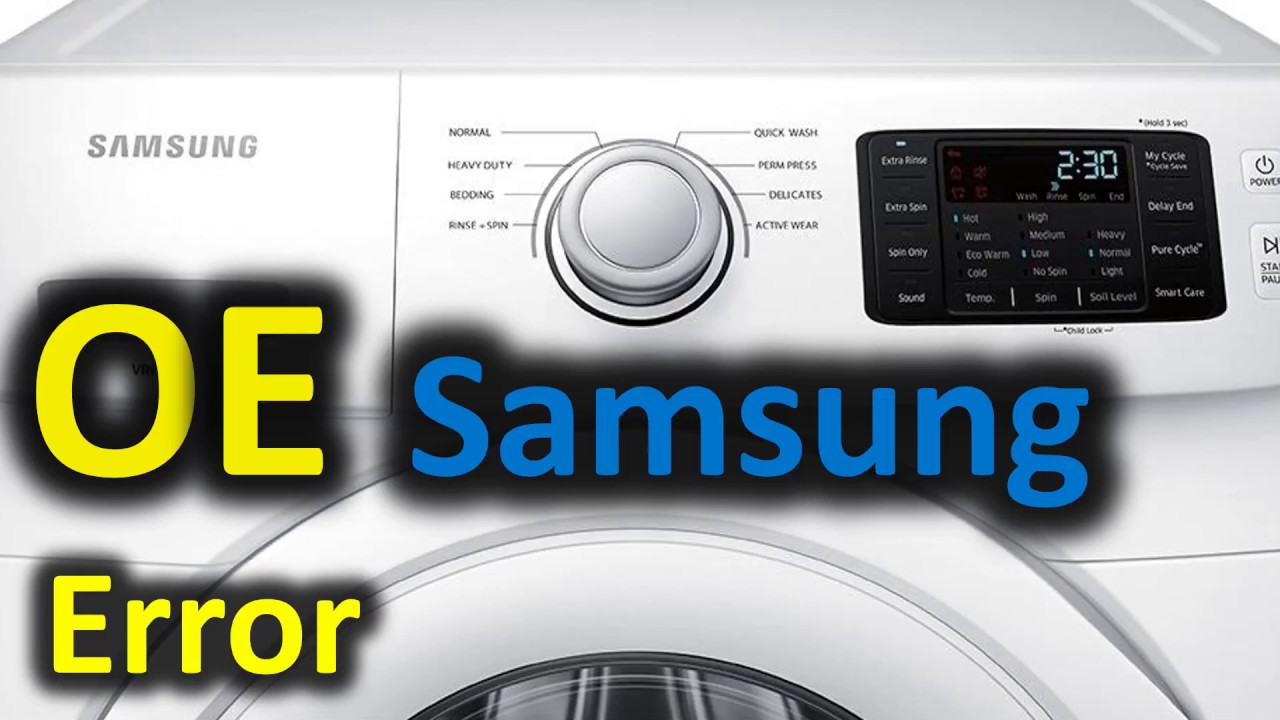
The Samsung washer OE code signals a drainage problem. It stops the washer from draining water properly. Understanding the causes helps fix the issue fast. Several factors can trigger this error. Some are easy to check and fix yourself. Others may need professional help. Below are common causes of the OE code.
Drain Hose Blockages
Drain hose blockages often cause the OE code. Dirt, lint, or small objects can clog the hose. A kinked or twisted hose also blocks water flow. Check the hose for any bends or clogs. Clear any blockage to restore proper drainage. Ensure the hose is correctly positioned. It should not sit too low or too high.
Over-sudsing Issues
Using too much detergent leads to over-sudsing. Excess suds confuse the washer’s sensors. This triggers the OE code as the machine cannot drain properly. Use only the recommended amount of soap. If the problem persists, run a rinse cycle with no detergent. This clears out extra suds and resets the sensors.
Faulty Water Inlet Valve
The water inlet valve controls water flow into the washer. A faulty valve may leak or fail to open correctly. This affects water drainage and triggers the OE code. Inspect the valve for leaks or damage. Replace it if you find any faults. A working valve ensures proper water levels and drainage.
Water Level Sensor Problems
The water level sensor tells the washer how much water to use. A malfunctioning sensor gives wrong signals. This can cause drainage errors and display the OE code. Check the sensor for damage or loose connections. Cleaning or replacing the sensor might be necessary. Proper sensor function keeps water levels balanced and drainage normal.
Credit: www.youtube.com
Initial Troubleshooting
The Samsung washer OE code signals a drainage problem. Initial troubleshooting can solve many common issues. Start with simple checks before calling for repairs. These steps save time and effort. Follow each step carefully for best results.
Power And Water Supply Check
Unplug the washer to ensure safety during checks. Turn off the water supply to prevent leaks. Confirm the water tap is fully open. Inspect the power cord for damage. Plug the washer back in and restart the cycle. This resets the machine and clears minor glitches.
Inspecting And Clearing Drain Hose
Detach the drain hose from the washer. Look inside for clogs, debris, or kinks. Run water through the hose to check flow. Remove any blockages found inside. Ensure the hose is not twisted or bent. Reattach the hose securely to the washer. Proper hose placement helps drainage work correctly.
Reducing Detergent Use
Too much detergent causes excess suds that block drainage sensors. Use only the recommended detergent amount. Choose high-efficiency detergent if possible. Run a rinse cycle with no detergent to clear suds. Proper detergent use prevents overflow errors and improves washing performance.
Cleaning The Drain Pump Filter
Cleaning the drain pump filter is essential for resolving the Samsung washer OE code. This error often signals a drainage issue caused by blockages in the filter. Regular filter cleaning ensures your washer drains water properly and avoids error messages. The process is simple and does not require special tools. Follow the steps below to clean the drain pump filter safely and effectively.
Preparing For Filter Cleaning
Unplug the washer from the power outlet. Turn off the water supply to the machine. Place towels around the base to catch any water spills. Keep a shallow pan or container nearby to collect drained water. Locate the filter access door at the bottom front of your washer.
Draining Residual Water
Open the filter access door carefully. Find the small emergency drain hose inside. Pull out the hose and remove its cap. Let the water flow into the pan slowly. After draining, replace the cap and push the hose back into place.
Removing Debris From Filter
Unscrew the drain pump filter by turning it counterclockwise. Pull the filter out gently. Check for lint, hair, coins, or other debris blocking the filter. Clean the filter thoroughly under running water. Use a soft brush if needed to remove stubborn dirt.
Reassembling The Filter
Once clean, insert the filter back into its place. Turn the filter clockwise to tighten it securely. Close the filter access door firmly. Remove the towels and pan from around the washer. Plug the washer back in and turn on the water supply. Run a short cycle to ensure proper drainage.
Advanced Diagnostics
Advanced diagnostics help identify issues causing the Samsung washer OE code. This error often relates to water drainage or sensor problems. Using precise checks can save time and money on repairs. Understanding each component’s role aids in effective troubleshooting.
Checking Water Inlet Valve Function
The water inlet valve controls water flow into the washer. A faulty valve may cause water to leak or fail to fill the drum properly. Start by unplugging the washer and shutting off the water supply. Inspect the valve for visible damage or leaks. Test the valve by running a cycle and listening for water flow. Replace the valve if it does not open or close correctly.
Examining Pressure Hose And Sensor
The pressure hose connects the drum to the water level sensor. It measures the water amount inside the washer. Remove the hose and check for cracks, blockages, or loose connections. Blow air gently through the hose to clear any debris. Inspect the water level sensor for damage or corrosion. Replace the hose or sensor if they are faulty.
When To Replace Components
Replace parts if they show signs of wear or damage. Persistent OE errors after cleaning indicate a need for replacement. Water inlet valves that leak or stay closed require changing. Pressure hoses that crack or block water flow must be replaced. Faulty sensors that misread water levels also need replacement. Regular inspection prevents future breakdowns and ensures smooth operation.
Preventing Future Overflows
Preventing future overflows in your Samsung washer is key to avoiding the OE error code and water damage. Simple habits can keep your machine running smoothly. Proper care reduces the chance of clogs and malfunctions that cause overflows.
Following basic steps helps maintain your washer’s health. Less soap buildup and clear drains mean fewer problems. Regular attention saves time, money, and stress.
Proper Detergent Usage
Use the right type of detergent for your Samsung washer. High-efficiency (HE) detergent is best for front-load machines. Avoid using too much soap. Excess detergent creates large suds. Suds can block sensors and lead to the OE error. Measure detergent carefully each time. Over-sudsing causes water to overflow or drain slowly. Use the detergent compartment as instructed. Keep the detergent drawer clean to prevent buildup. Proper detergent use keeps the washer balanced and functioning well.
Regular Maintenance Tips
Check and clean the drain hose monthly. Remove any clogs or kinks that block water flow. Clean the drain pump filter regularly to catch lint and debris. Inspect the water inlet valve for leaks. Replace faulty parts early to avoid bigger problems. Run an empty hot water cycle with vinegar to clear residue. Wipe down the door seal and detergent drawer to prevent mold. Keeping these parts clean reduces overflow risks. Routine care helps your washer last longer and work better.

Credit: www.youtube.com
When To Call A Professional
Knowing when to call a professional for your Samsung washer’s OE code error saves time and prevents damage. Some problems need expert tools and skills. Attempting repairs without experience might worsen issues or void the warranty. Recognizing signs of complex faults helps you decide the right moment to get help.
Signs You Need Expert Help
Persistent OE error despite basic fixes signals a deeper problem. Strange noises during draining or spinning often indicate pump or motor issues. Water leaks around the washer base require immediate attention. Repeated error codes show sensor or control board faults. If your washer won’t drain or spin at all, it’s time to call a technician. Professional diagnosis ensures safe, correct repairs.
Authorized Service Centers
Authorized service centers specialize in Samsung appliances. They use genuine parts and follow manufacturer guidelines. Technicians receive regular training on new models and errors. Choosing authorized centers protects your warranty and ensures quality service. Most centers provide fast turnaround and warranty on repairs. Locate a nearby authorized service center for reliable support.
Frequently Asked Questions
How Do I Fix The Oe Error On My Samsung Washer?
Unplug your Samsung washer and check the drain hose for clogs or kinks. Clean the drain pump filter next. Use less detergent to prevent suds buildup. Inspect the water inlet valve and water level sensor for faults. Contact a professional if the error persists.
How Do I Fix The Oe In My Washing Machine?
Unplug the washer and check the drain hose for clogs or kinks. Clean the drain pump filter. Use less detergent to avoid over-sudsing. Inspect the water inlet valve and pressure sensor for faults. Contact a professional if the OE error persists.
How Do I Force My Samsung Washing Machine To Drain?
To force your Samsung washing machine to drain, unplug it first. Check and clear any clogs in the drain hose. Clean the drain pump filter by removing debris. Reconnect everything securely and restart the machine. If it still won’t drain, call a professional technician.
How To Fix Samsung Dishwasher Oe Error?
Unplug the Samsung dishwasher. Check and clear the drain hose for clogs or kinks. Clean the drain pump filter. Use less detergent to avoid suds. Inspect the water inlet valve and water level sensor. Contact a professional if the error persists.
What Does Samsung Washer Oe Code Mean?
The OE code means your washer has a drainage problem or water is not draining properly.
Conclusion
The Samsung washer OE code signals a drainage issue to fix. Start by unplugging the machine and checking the drain hose for clogs or kinks. Clean the drain pump filter carefully to remove any debris. Avoid using too much detergent to prevent sensor confusion.
Check the water inlet valve and water level sensor if problems continue. Simple steps can often solve the error without professional help. Keep your washer in good shape with regular maintenance and timely checks. This will help your Samsung washer run smoothly and last longer.