
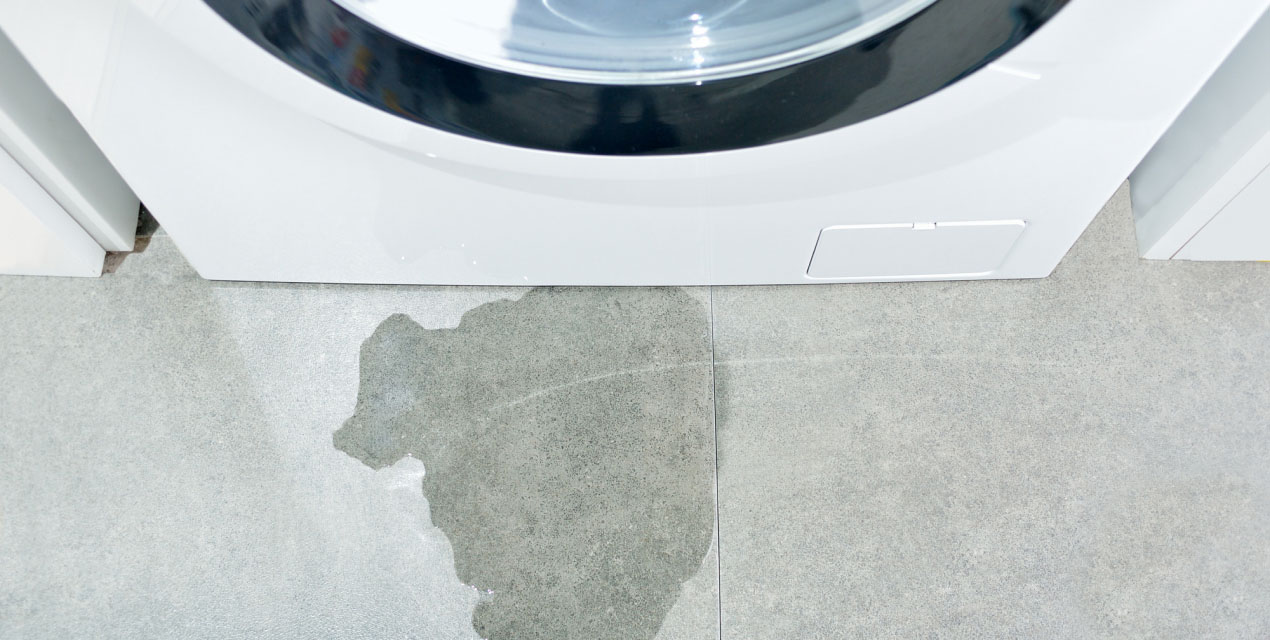
Is your Samsung washer leaking from the bottom? This can be frustrating and messy, disrupting your laundry routine and risking water damage to your floor.
But don’t worry—you’re not alone, and this problem is often fixable with some simple checks and steps you can take yourself. You’ll learn how to identify the cause of the leak, what parts to inspect, and when it’s time to call in a professional.
By the end, you’ll feel confident in tackling the issue and getting your washer back to working smoothly. Keep reading to find out how to stop that leak for good!
Safety Checks
Performing safety checks is the first and most important step when your Samsung washer leaks from the bottom. These checks protect you from electrical shocks and prevent water damage. Always take time to prepare before inspecting or fixing the machine.
Unplug The Washer
Always unplug the washer before starting any inspection. This stops electricity from flowing and lowers the risk of shock. Do not work on the machine while it is still plugged in. Safety first.
Turn Off Water Supply
Turn off both hot and cold water valves that feed the washer. This prevents water from flowing into the machine and leaking further. It also helps you work safely on the hoses and connections.
Inspect External Drain Hose
Pull the washer away from the wall carefully. Look at the drain hose for cracks, holes, or kinks. Check where the hose connects to the machine and the wall. Replace or tighten the hose if you find any damage.

Credit: www.reddit.com
Drain Pump Issues
Drain pump issues often cause Samsung washers to leak from the bottom. The drain pump removes water during the wash and spin cycles. If it malfunctions, water can escape and create leaks. Understanding how to find and fix the drain pump helps stop leaks quickly.
Locate The Drain Pump
The drain pump sits at the bottom of the washer. It is usually near the front or back panel. You may need to remove the washer’s outer panel to see it clearly. Look for a small motor with hoses attached. This is the pump that pushes water out of the machine.
Check Hoses And Clamps
Hoses connect the drain pump to the tub and drain pipe. Check these hoses for cracks, holes, or loose connections. Clamps hold the hoses tightly in place. If clamps are loose or missing, water can leak out. Replace damaged hoses and tighten clamps firmly to stop leaks.
Tighten Or Replace Components
Use a screwdriver to tighten screws or clamps around the drain pump. If the pump or hoses show damage, replace them with new parts. A worn or broken drain pump cannot stop water from leaking. Tightening or replacing faulty components restores the washer’s proper function.
Tub Seal Problems
The tub seal plays a key role in preventing water leaks in your Samsung washer. It sits between the outer tub and the transmission. This seal stops water from escaping during washing cycles. When the tub seal wears out or gets damaged, water can leak from the bottom of the machine.
Detecting problems with the tub seal early helps avoid bigger repairs. Watch for leaks during certain cycles and check the seal for visible damage. Replacing the tub seal often needs professional help due to its location and complexity.
Identify Leak During Spin Or Rinse
Leaks from the tub seal usually happen during the spin or rinse cycles. These cycles force water out at high speed. If water pools under the washer during these times, the tub seal may be failing. Observe the washer closely to note when the leak starts. This helps pinpoint the tub seal as the source.
Look For Seal Damage
Check the tub seal for cracks, tears, or black residue buildup. Damage or wear on the seal lets water escape. Use a flashlight to see inside the washer’s base. If the seal looks dry, brittle, or broken, it needs replacement. A damaged seal cannot stop water leaks effectively.
Consider Professional Replacement
Replacing the tub seal is difficult and requires skill. The seal sits deep inside the washer near the transmission. Removing and installing a new seal needs special tools. Professional technicians have the training to do this safely. Hiring a pro ensures the seal fits properly and prevents future leaks.
Fill Hose Inspection
Inspecting the fill hose is a key step to stop leaks at the bottom of your Samsung washer. The fill hose carries water into the machine during cycles. If it is damaged or loose, water can drip or spray inside the washer. This causes puddles underneath or around the washer. Checking the fill hose helps find leaks early and prevents water damage to floors.
Look closely at the hose and its connections inside the washer. Small cracks, holes, or loose fittings allow water to escape. Replacing or tightening these parts can fix leaks quickly. Consider upgrading your fill hose to a stronger material for longer life. Below are simple checks to help you inspect the fill hose properly.
Check Internal Hose Connections
Open the back panel or access area of the washer carefully. Locate the fill hose where it connects to the water inlet valve. Check for water stains or wet spots near the connection. Feel the hose for cracks or soft spots that may leak. Make sure the hose fits tightly and straight into the valve. Any movement here can cause leaks during filling.
Tighten Loose Fittings
Use a wrench or pliers to gently tighten the hose fittings. Do not overtighten as this can damage the fittings or hose. Tighten until the connection feels firm and snug. After tightening, run a short cycle and watch for drips around the hose ends. Tight fittings stop water from escaping through small gaps.
Upgrade To Stainless Steel Hoses
Standard rubber fill hoses wear out faster and can crack under pressure. Stainless steel hoses offer better durability and resist punctures. They also reduce the chance of leaks from bursts or kinks. Installing stainless steel hoses is a smart upgrade for your Samsung washer. These hoses last longer and provide peace of mind against leaks.
Machine Leveling
Proper machine leveling is crucial to stop leaks from the bottom of your Samsung washer. An uneven washer causes water to spill or drip during cycles. The machine must sit flat on the floor to work correctly. This prevents excessive shaking and water escaping.
Many leaks result from vibrations caused by an unbalanced washer. Fixing the level helps maintain stability. It also reduces wear and tear on parts inside the machine. Simple adjustments to the washer’s feet can solve these problems quickly.
Check Machine Balance
Start by checking if your washer rocks or tilts. Push gently on each corner to see if it moves. A stable washer stays firm without wobbling. Use a level tool on top of the washer to check flatness. The bubble should be centered between the lines.
An unbalanced washer can leak water during spin cycles. Fixing the balance keeps water inside the drum. It also stops loud noises and shaking that damage internal parts. Check balance regularly, especially after moving the machine.
Adjust Feet For Stability
Each washer foot can be adjusted to level the machine. Turn the feet clockwise or counterclockwise to raise or lower corners. Use a wrench if the feet are tight or stuck. Adjust feet until the washer does not rock or tilt.
Make small adjustments and recheck balance after each change. The goal is to have all feet touching the floor firmly. If one foot is off the ground, water can leak from the base. Lock the feet in place if your model has locking nuts.
Prevent Vibration Leaks
Vibration causes hoses and seals to loosen or crack over time. A level washer reduces shaking and movement during cycles. This keeps water hoses secure and prevents leaks. Place a vibration pad under the washer to absorb shocks if needed.
Keep the washer away from uneven floors or carpeted surfaces. These surfaces increase vibration and risk of leaks. Regularly inspect hoses and seals for wear if your washer vibrates a lot. Proper leveling extends the life of your Samsung washer.
Credit: appliancerepairexpert.ca
Other Leak Causes
Leaks from the bottom of a Samsung washer can happen for several reasons beyond the usual suspects. Understanding these other causes helps you find the exact problem faster. It also saves time and money on unnecessary repairs. Here are some common issues that may cause your washer to leak from the bottom.
Detergent Amount And Type
Using too much detergent creates extra suds that overflow. These suds can leak from the bottom of the washer. Also, using the wrong detergent type, such as regular soap in a high-efficiency washer, increases suds. Always use the correct detergent and follow the recommended amount. This simple step prevents leaks and keeps your washer running smoothly.
Door Seal And Gasket Condition
The door seal keeps water inside the drum during washing. Over time, seals and gaskets can wear out or tear. Dirt and detergent buildup also damage the seal’s flexibility. A damaged seal lets water escape and drip from the bottom. Check the door seal for cracks or mold. Clean it regularly and replace it if you find any damage.
Clean The Drain Pump Filter
The drain pump filter catches lint and debris during the wash cycle. If it clogs, water cannot drain properly. This causes water to back up and leak from the bottom. Regularly cleaning the drain pump filter ensures proper water flow. Locate the filter access panel, open it carefully, and remove any trapped debris. This maintenance step helps prevent leaks and keeps your washer in good shape.
When To Seek Help
Knowing when to seek professional help for a Samsung washer leaking from the bottom is important. Some leaks are simple to fix. Others need expert care. Acting early can save time and money. It also prevents water damage to your home.
Persistent Leaks After Checks
Check hoses and connections first. Tighten or replace any loose or damaged parts. If the leak continues after these checks, it signals a deeper problem. Persistent leaks often need a technician’s inspection. They can find hidden issues that are not visible. Do not ignore ongoing leaks. Water can cause mold and damage floors.
Complex Part Replacement
Parts like the tub seal or drain pump may cause leaks. These parts can be hard to access or replace. A professional has the right tools and knowledge. Trying to fix these parts alone might cause more damage. Complex repairs are best left to experts. They ensure the washer works properly after the fix.
Safety Concerns With Repairs
Washing machines use electricity and water, a risky mix. Unplug the machine before any checks. Repairs involving electrical components or internal parts can be dangerous. Professionals know how to handle these safely. Avoid injuries or electric shocks by calling a repair service. Safety should always come first when dealing with leaks.
Frequently Asked Questions
How Do You Fix A Washer That Is Leaking From The Bottom?
Unplug the washer and turn off water. Check drain hose and pump for leaks or damage. Tighten or replace faulty parts. Inspect tub seal and door gasket. Clean filters and ensure the machine is level to prevent leaks.
How Do I Find The Source Of A Leak?
Unplug the washer and turn off the water. Inspect hoses, drain pump, and tub seal for damage or looseness. Check for clogs and ensure the machine is level. Clean or replace faulty parts to find and fix the leak source.
Where Is The Drain Pump On A Samsung Washer?
The drain pump on a Samsung washer is located at the bottom, usually near the front or back. Check hoses and clamps connected to it for leaks or damage.
Why Is Water Coming Out From The Under Washer?
Water leaks from under the washer due to loose or damaged drain hoses, a faulty drain pump, worn tub seals, or an unlevel machine. Check hoses, clamps, and seals for damage. Tighten connections and ensure the washer sits evenly to prevent leaks.
Why Is My Samsung Washer Leaking From The Bottom?
Leaks often come from loose drain hoses, a faulty drain pump, or a damaged tub seal.
Conclusion
A leaking Samsung washer can disrupt daily routines and cause damage. Checking hoses, seals, and the drain pump helps find the source. Tightening connections and leveling the machine often stops leaks. Some repairs may need a professional’s help for safety.
Regular maintenance keeps your washer running smoothly and leak-free. Don’t ignore small drips; they can turn into bigger problems. Fixing leaks early saves time and money in the long run. Keep your laundry area dry and your washer in good shape.